Search Results for 'arc euro'
Search Results for 'arc euro'
-
Search Results
-
 BB12
@bb12
BB12
@bb12During discussions regarding the Headstock spindle thread form, some concerns were expressed by members regarding the difficulties of employing 1″ Taps.
I promised to elaborate on my recent experiences
First task was to choose which material to use:
Traditionally back plates are fabricated from Cast Iron.
Mild Steel Round Bar or Cast Iron Bar Grade 250 are perhaps the most obvious choices.
Both are easily sourced in 65mm diameter and costs are very similar.
I chose to use 65mm Bright Mild Steel Round Bar 080A15/EN3A
Of all the mild steels available this grade has the most suitable properties for our application (in my opinion). However, a cast iron version will probably be my next project and may well turn out in the end to be a better choice of material?I preferred to rough turn the backplate blank and finish bore to tapping diameter which gives better control of diameter rather than purchase a special tapping size drill.
My stock drill is a 14mm MT1 taper shank for direct mounting in the EW tailstock.
This is the max diameter drill available in MT1 taper shank form (Tracy Tools) and allows entry of a 10mm Boring Bar + CCMT060204 Tip (arceurotrade 060-325-39510) to bore to finished size.The 1″ diameter is obviously tough going so I had previously purchased a full set of 3 taps: Taper, Second and final Plug all in HSS (Tracy Tools). They came with a centre drilled square drive end which is essential for proper alignment.
My heavy duty SCT Tap Wrench for Taps 1/4 – 1 1/8 inch (SKU: 12102004) was supplied by Mark at Chronos Ltd. (thoroughly recommended):
The fixed handle is screwed & can be removed for storage in it’s box but also enables use in the lathe when tapping a bored component. It allows a tailstock centre to engage with ease and there is enough space to reposition the wrench as the work progresses.
This is where great patience is required as progress is very slow. Only very small cuts are best (max of 15-20deg of handle rotation) and then back off to clear the cut swarf. Advancing/retracting the tailstock feed to maintain centre engagement.In conclusion, as stated in my previous post:
“Have no fear, tapping a 1″ thread should never require brute strength”…I hope this additional information is of use to EW owners who may like me have felt unsure of how to proceed.
Andre
Speedy Builder5
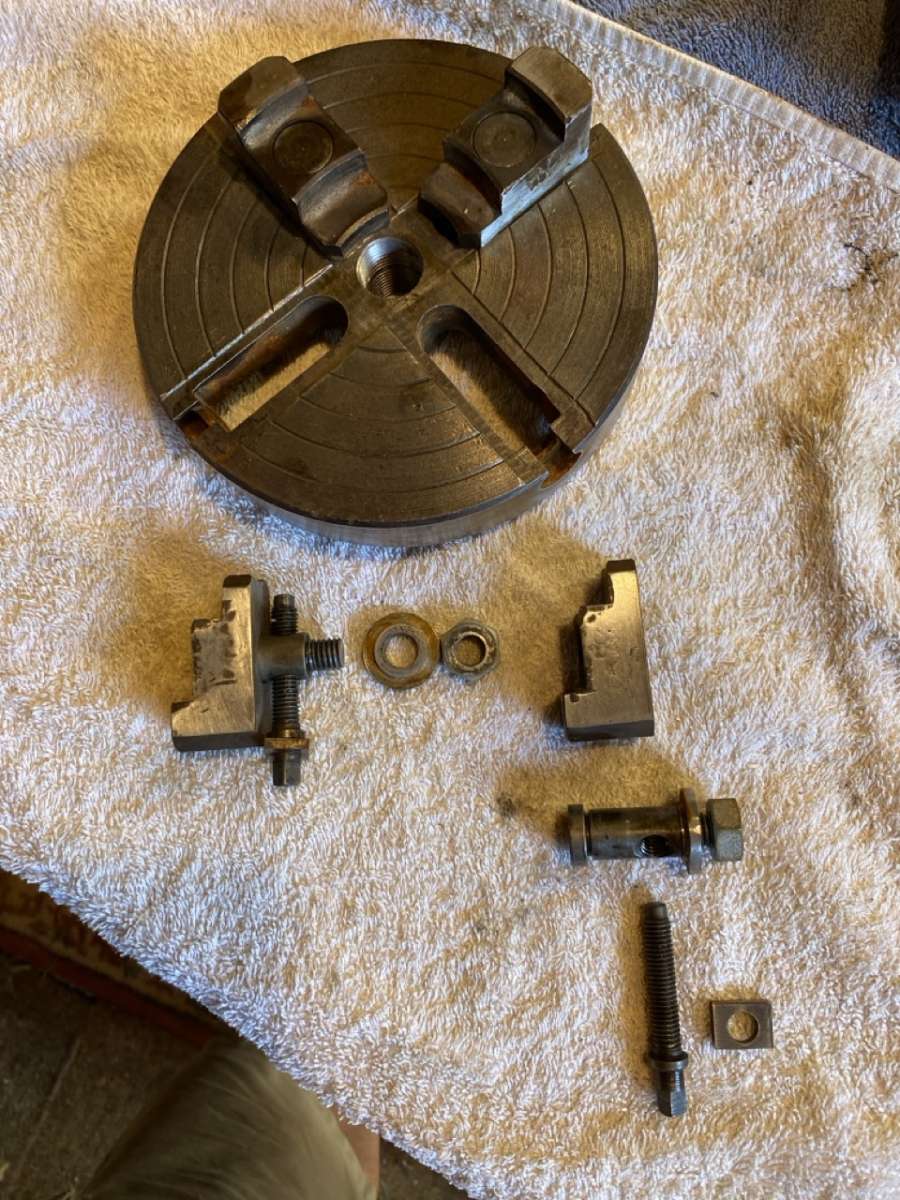
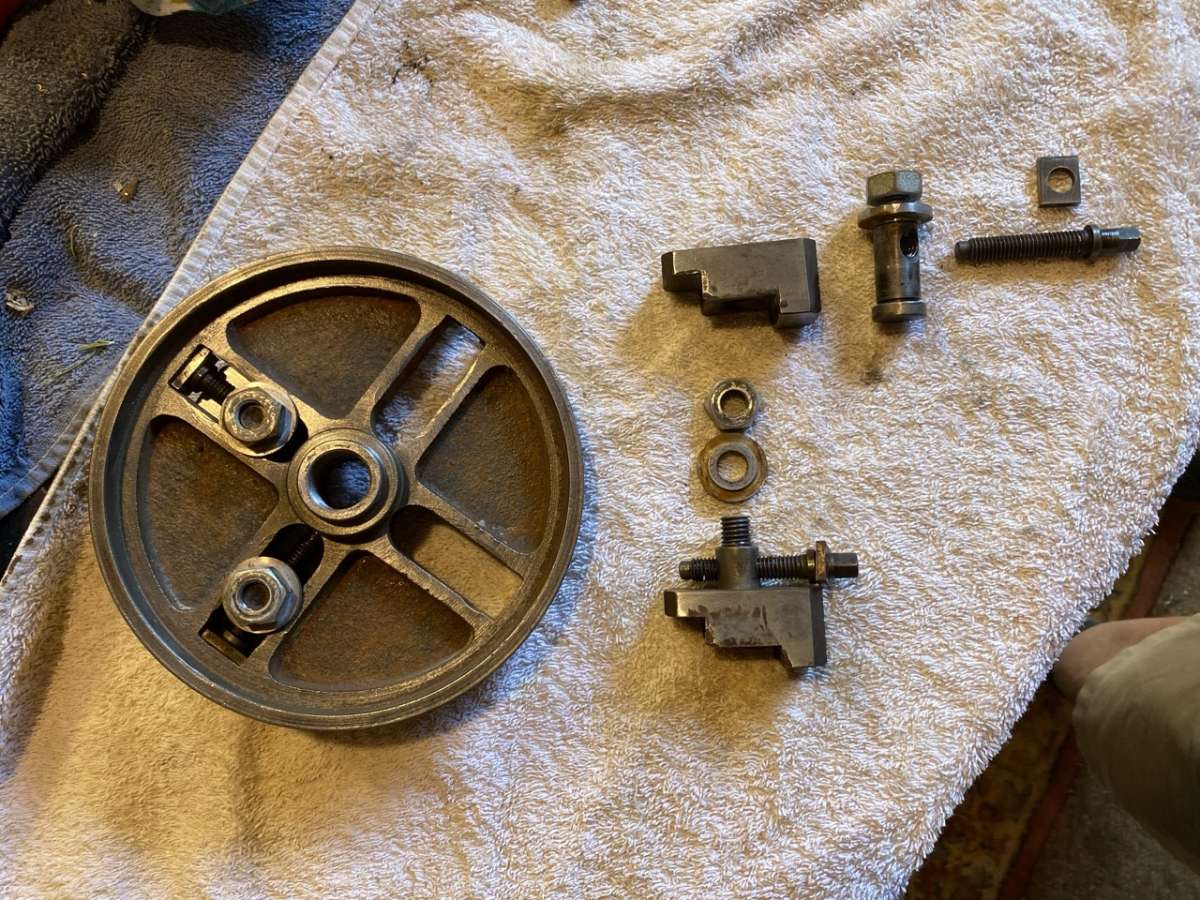
@speedybuilder5I haven’t seen a chuck like this before and I believe it to be a ToolMakers apprentice piece as it has no markings, lacks a bit on dimensional accuracy but could still be useful.
I picked it up for 1 euro, so hardly anything lost!
First thing I needed was a 6mm square female ended chuck key and after a few searches drew a blank, so I silver soldered a 1/4″ socket onto the end of a piece of bar and away we went. – well, 1/4″ approx 6mm and OK for my needs.
Next the mounting thread was 14mm x 2.0mm and my little wood lathe is 3/4″ x 16tpi UNF. Using my new (to me) ELS, I made a dummy male plug 3/4″ x 16 to suit the lathe and got it to fit existing chuck and faceplate. Back to the chuck, mounted that on my Boxford and screwcut to fit the dummy plug.
The feature of this chuck is that by slackening the nuts on the back of the chuck, the jaw(s) can be rotated from inside to outside jaws – that’s a neat time saving feature. manufacturing oddities are that the screws that move the jaws in/out are Right hand threads, so you “undo” them to move the jaws in and that the radial alignment of the jaw relies on them sliding in a 1mm deep slot.
choochoo_baloo
@choochoo_balooHello all.
I need to move some beefy lathe accessories into storage. An example is my 10 inch Pratt cast iron chuck weighing 20 kg. My preference is lidded plastic boxes; they can be stacked and moved individually if needed so as to make them manageable! Also being watertight will help minimise rusting.
However I’m concerned about the weight rating of such boxes. I’ve done some searching and I thought about lidded “Euro” boxes though they still seem a tad flimsy for this job.
Can anyone recommend a suitable range/brand of boxes?
Any help is gratefully received.
 Robert Atkinson 2
 andy198712
 Taf_Pembs
 JasonB
 Howard Lewis
 Peter Cook 6
 Mark Easingwood
 BB12
BB12 Stuart Smith 5
 SillyOldDuffer
 derek hall 1
 Speedy Builder5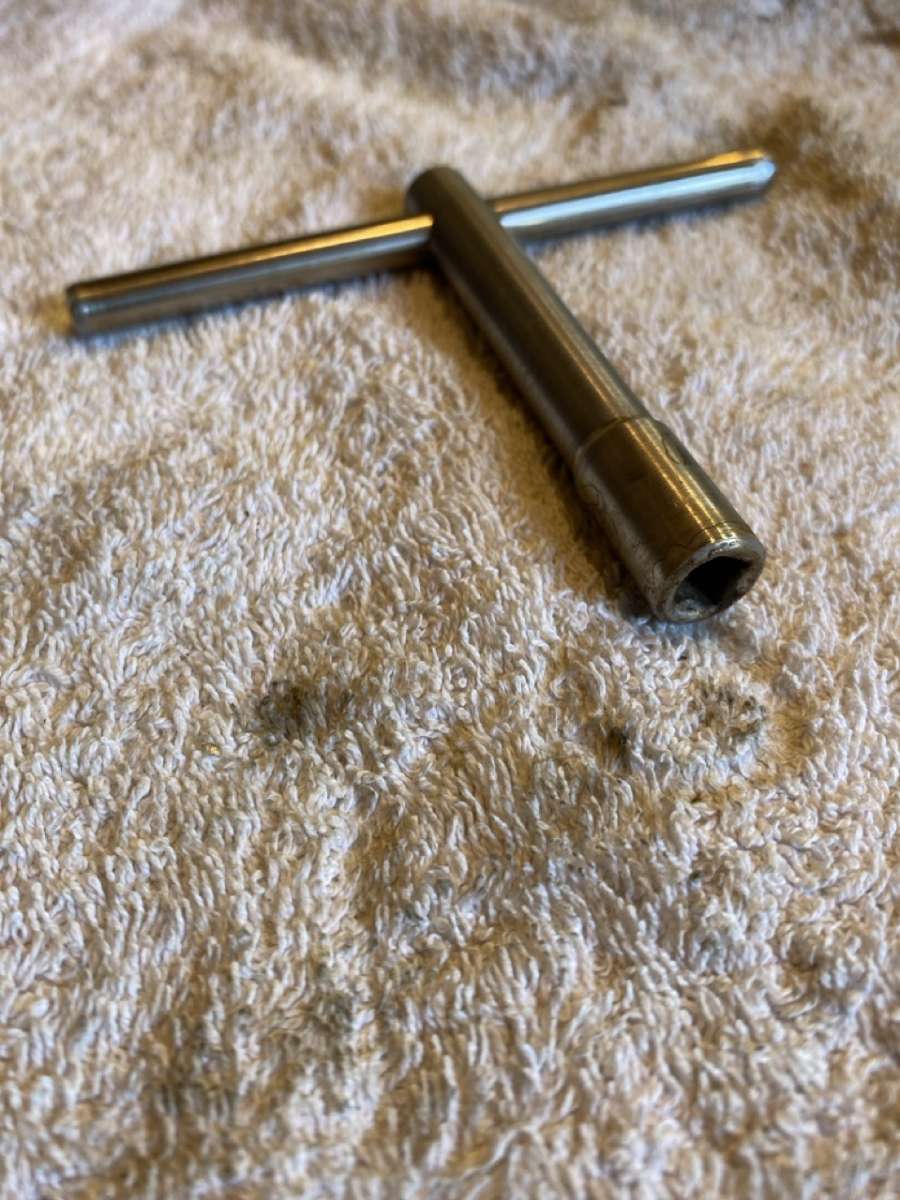
 Ketan Swali
 Bryan Cedar 1
 Bazyle
 cogdobbler
 IanT
IanT choochoo_baloo
Latest Replies
-
- Topic
- Voices
- Last Post
-
-
How Good Are 3D Printers?
1
2
Started by:
Neil Wyatt
in: 3D Printers and 3D Printing
- 16
-
16 July 2026 at 23:11
Mark Rand
-
Help ID’ing Round Carbide Insert and Finding a Supplier
1
2
Started by:
Jon Gibbs
in: Workshop Tools and Tooling
- 8
-
16 July 2026 at 22:57
Vic
-
Plug in Solar
1
2
3
4
Started by:
Vic
in: The Tea Room
- 25
-
16 July 2026 at 22:38
Mark Rand
-
Maisie
Started by:
ian Holdsworth
in: Beginners questions
- 9
-
16 July 2026 at 21:56
ian Holdsworth
-
Smart & Brown model A spindle lock
Started by:
old mart
in: Workshop Tools and Tooling
- 2
-
16 July 2026 at 19:44
old mart
-
New project for 2025
1
2
Started by:
SteveP
in: I/C Engines
- 8
-
16 July 2026 at 19:01
SteveP
-
Myford VMC Spindle Advice Please.
1
2
3
Started by:
Nigel Graham 2
in: Manual machine tools
- 12
-
16 July 2026 at 17:14
Graham Meek
-
Bonding brass hubs to steel
Started by:
mikemunson
in: Beginners questions
- 6
-
16 July 2026 at 17:09
Diogenes
-
My Intro
Started by:
Martin Freestone
in: Introduce Yourself – New members start here!
- 5
-
16 July 2026 at 12:57
Russell Eberhardt
-
Fixturing conundrum with Hemingway die filer kit
Started by:
timdotd
in: Workshop Techniques
- 4
-
16 July 2026 at 12:32
vintagengineer
-
Comm Ads
Started by:
bernard towers
in: Website Questions, Comments, and Suggestions
- 4
-
16 July 2026 at 12:14
JasonB
-
QCTP
1
2
Started by:
James A
in: Workshop Tools and Tooling
- 20
-
16 July 2026 at 10:34
John Haine
-
Bridgeport Series 1 CNC
1
2
3
Started by:
tomcnc
in: CNC machines, Home builds, Conversions, ELS, automation, software, etc tools
- 12
-
16 July 2026 at 07:21
seemack
-
Bending copper tube?
Started by:
Bo’sun
in: Workshop Techniques
- 18
-
15 July 2026 at 23:29
Nigel Graham 2
-
What Did You Do Today 2026
1
2
…
5
6
Started by:
JasonB
in: The Tea Room
- 42
-
15 July 2026 at 23:05
Michael Gilligan
-
Help please! Workshop clearance
Started by:
ksw
in: General Questions
- 11
-
15 July 2026 at 22:23
ksw
-
Pipe Size Puzzle.
Started by:
Nigel Graham 2
in: Locomotives
- 5
-
15 July 2026 at 18:15
Nigel Graham 2
-
Solar Panels
1
2
Started by:
Vic
in: The Tea Room
- 17
-
15 July 2026 at 18:11
An Other
-
Band saw
1
2
3
4
Started by:
Peter Simpson 3
in: Beginners questions
- 25
-
15 July 2026 at 16:54
ega
-
What is this?
1
2
Started by:
Sonic Escape
in: General Questions
- 18
-
14 July 2026 at 19:52
Andy Stopford
-
Offen imperial bore mic gauge.
Started by:
Graeme Seed
in: Workshop Tools and Tooling
- 6
-
14 July 2026 at 19:30
Graeme Seed
-
THE MONTHLY TIPS COMPETITION – THE ENTRY THREAD!
1
2
Started by:
Neil Wyatt
in: Hints And Tips for model engineers
- 19
-
14 July 2026 at 17:40
Neil A
-
Lathe coolant applicators
1
2
Started by:
lucerne
in: Manual machine tools
- 16
-
14 July 2026 at 09:15
Julie Ann
-
Small electromagnetic pump via E-Bay
Started by:
Clive Foster
in: Manual machine tools
- 5
-
13 July 2026 at 20:02
John Hinkley
-
Windows 11 background pictures
Started by:
old mart
in: The Tea Room
- 4
-
13 July 2026 at 19:49
Mark Rand
-
How Good Are 3D Printers?
1
2
 Neil Wyatt
 Mark Rand
 Jon Gibbs
 Vic
Vic ian Holdsworth
 old mart
 SteveP
 Nigel Graham 2
 Graham Meek
 mikemunson
 Diogenes
 Martin Freestone
 Russell Eberhardt
 timdotd
 vintagengineer
 bernard towers
 JasonB
 James A
 John Haine
 tomcnc
 seemack
 Bo’sun
 Michael Gilligan
 ksw
ksw An Other
 Peter Simpson 3
 ega
ega Sonic Escape
 Andy Stopford
 Graeme Seed
 Neil A
 lucerne
 Julie Ann
 Clive Foster
 John Hinkley