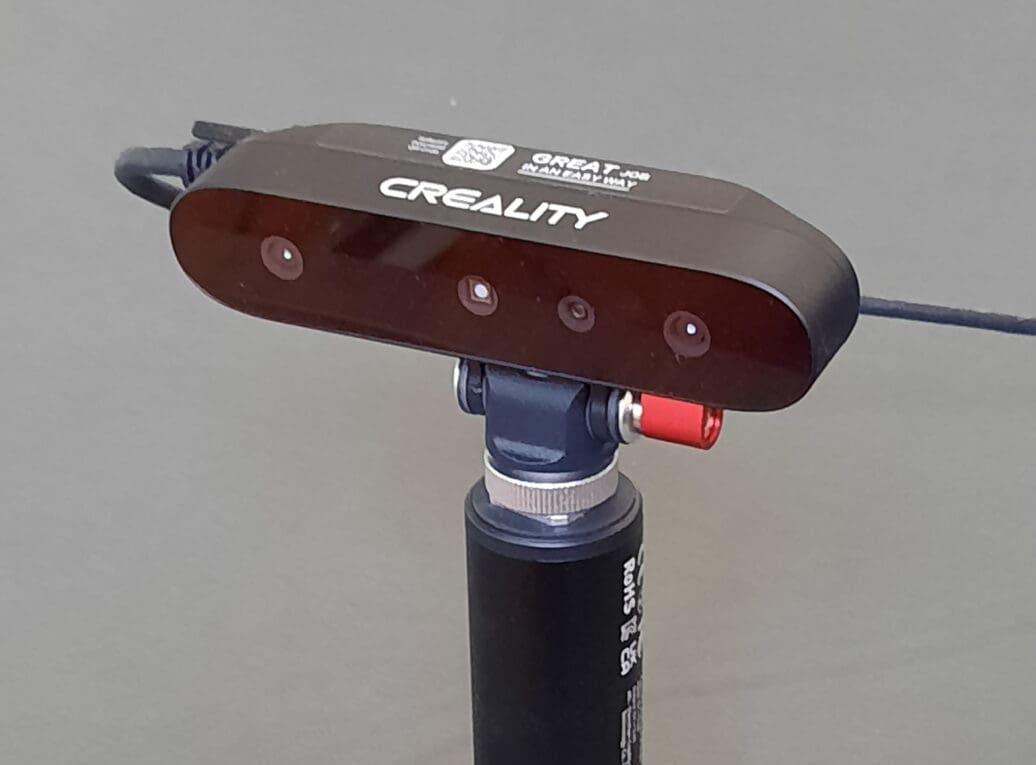
3D scanning is a technology that digitally captures the three-dimensional geometry of physical objects, converting them into detailed and accurate computerized representations.
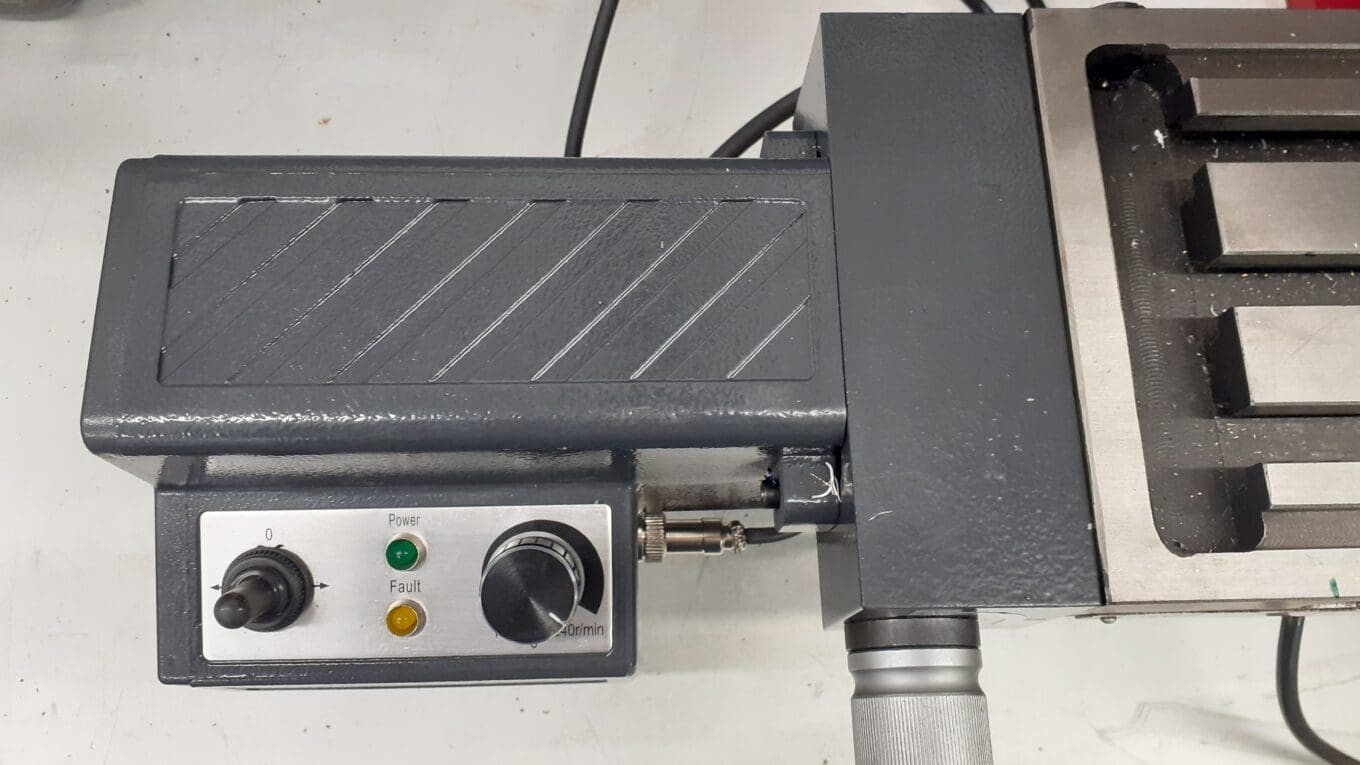
Getting the most out of your Brushless Mill Introduction Over the next few articles I will be looking at how to get the best out of brushless hobby mills particularly in regards to speeds and feeds. Several recent threads on Model Engineer Forum have prompted this as some of the more traditional approaches which are…
The Halot-Mage Pro is Creality’s top of the range model and physically it is considerably bigger than its predecessors at 335 x 270 x 610 mm in size and 13.3kg in weight. The machine came packaged to a high standard, inside a stout outer box with plenty of foam packing. Design It’s a big, good-looking…
What is Sterolithography? Stereolithography uses patterns of ultra-violet light to set thin layers of a photosensitive polymer (photopolymer, commonly called UV resin or just resin) to gradually build up a three-dimensional object. It is comparable to 3D printing using fused filament deposition, a process that most readers will be aware of, even if they haven’t…
I own a Brazilian made Nardini 350 lathe with an L00 spindle nose. This style of spindle nose includes a taper, a threaded locking ring and a key way. The locking ring pulls any attached chuck or faceplate tight against the external spindle nose taper. The locking ring is rigidly held in place when a…
MODEL 1MODEL 2 A third model of the modified cover has been added: MODEL 3 Use the above links to open the 3D-pdf documents. If they display in your browser, you may need to click on the images or the Adobe symbol to enable the 3D features of Adobe Acrobat Please note, to enable 3D…
3-Phase Conversion and Other Alternative Methods of Powering a Mini-Lathe Photo 1: Clarke CL300M The Original DC Motors My Clarke CL300M mini-lathe was my first lathe (photo 1). Unfettered by experience or education, I assumed that anything I could fit in it, I could turn in it. One of the side effects of this approach…
For users of the increasingly popular mini-lathes, after some time a question arises – just what can this lathe manage? This project was an attempt to ‘push the envelope’, test what could be achieved and produce an accessory that helped put CL300M mini-lathe in ‘serious lathe’ territory. In doing so, I had to adopt a…
As a tribute to the man who designed the machine a group of us have compiled a document set to enable anyone to reproduce the machine. Some people, recognizing the uniqueness of the design have produced a set of castings for the major components. Others have adapted the design to develop their own modern version…
The heart of the lathe is a bed made from two large steel angle-section welded to give a hollow bar bed, indeed the whole machine is fabricated. In just 19 pages, full details are given for the construction, not just of the lathe, but a suitable cabinet and some advanced accessories. The full article appeared…