How Good Are 3D Printers?

How Good Are 3D Printers?

Home Forums 3D Printers and 3D Printing How Good Are 3D Printers?

Viewing 13 posts - 26 through 38 (of 38 total)
  • Author
    Posts
  • #852355
    Mark Rand
    Participant
      @markrand96270

      Using daughter’s resin printer, the resolution and layer height are far superior to my fdm printer, but it needs far more support and that ruins the quality of some prints.

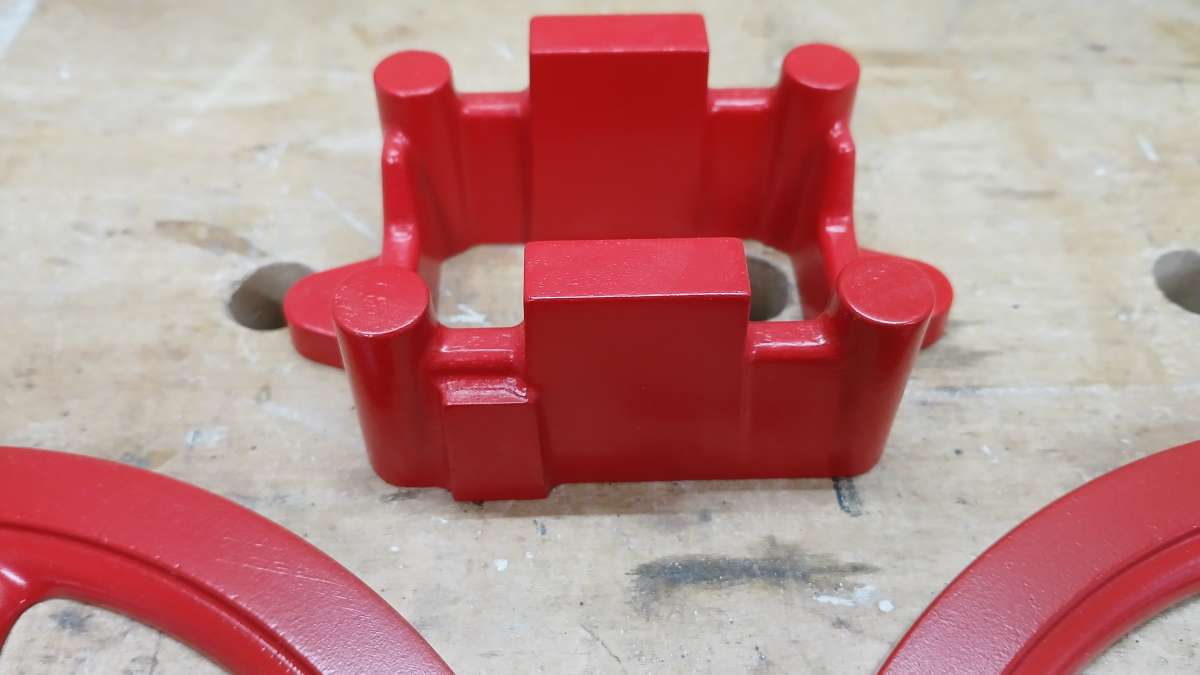
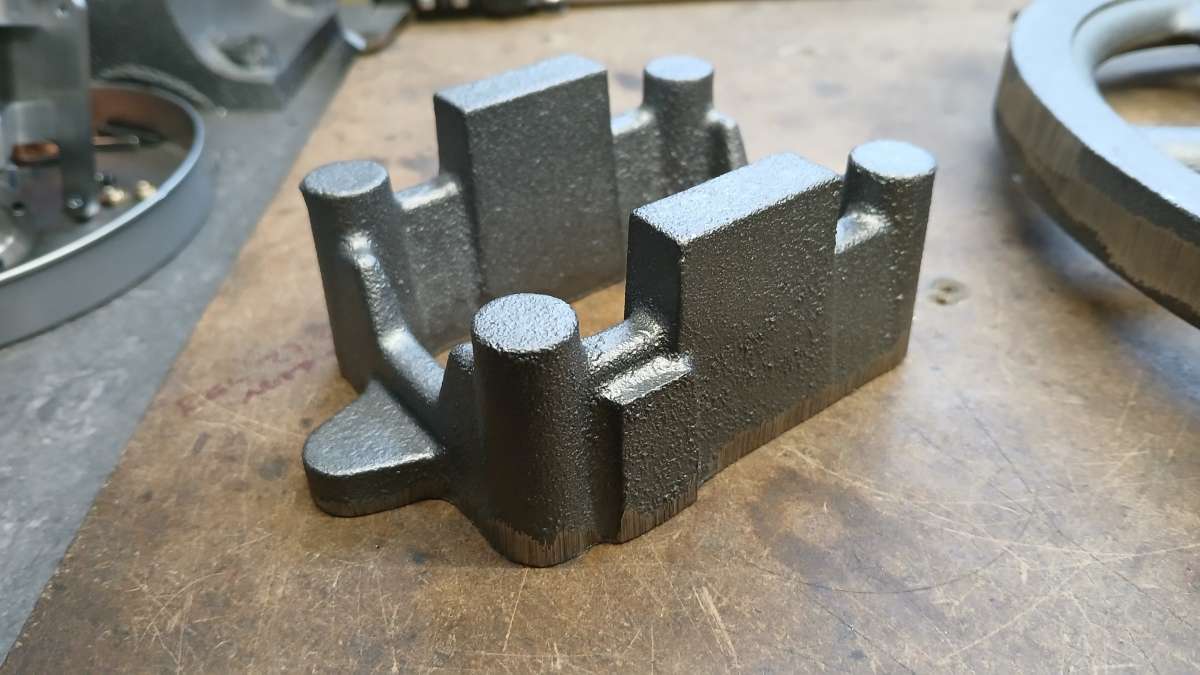
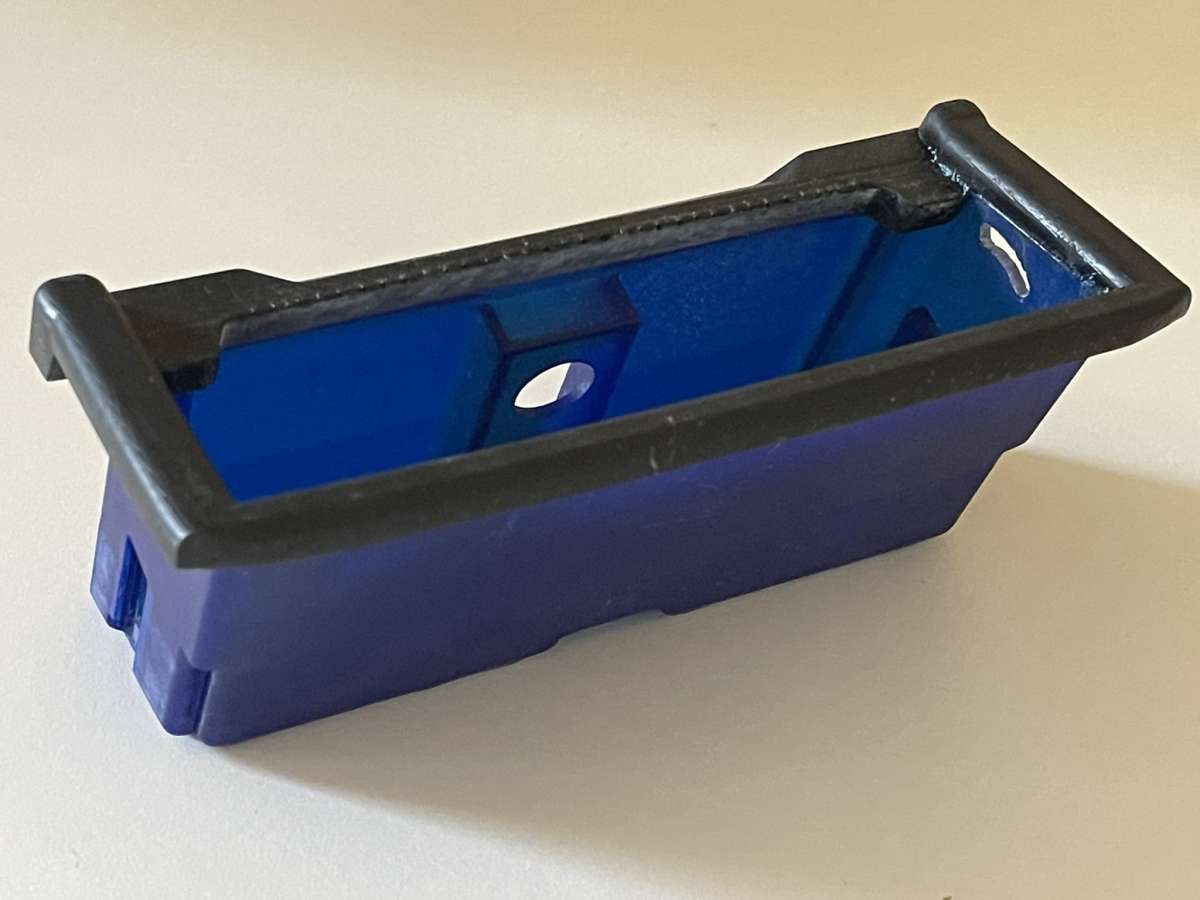
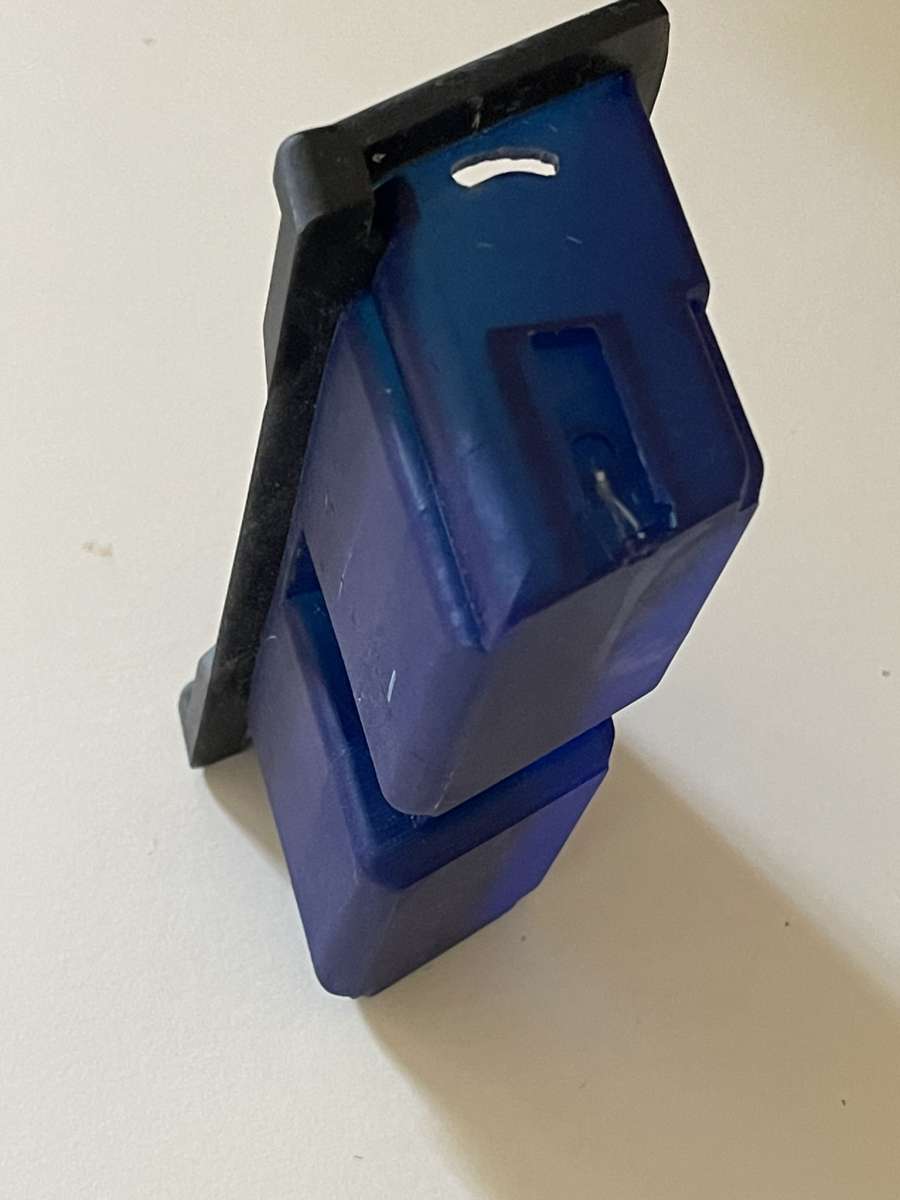
      I’ve got a set of moulding box sides waiting to be cast when I get the foundry fired up again. https://www.youtube.com/watch?v=cX2u6S5qV3Q

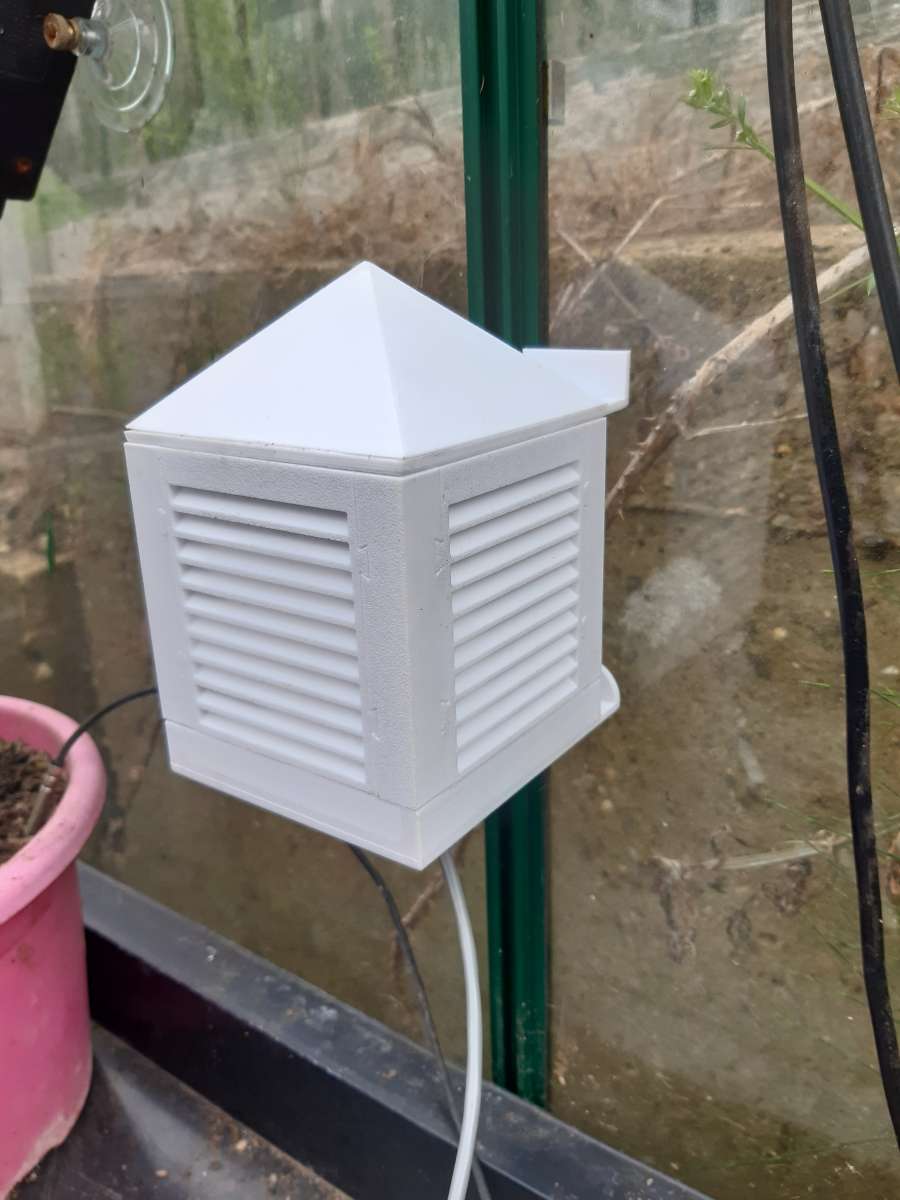
      Recently installed a couple of Stevenson Screen temperature and humidity probe housings to check on the greenhouse and garden. PETG. Mostly clip together with pinned and dovetailed joints. ‘Double glazed’ roof and floor, double louvres. No support needed for printing. A squirt of solvent cement holds them together more closely on the roof to side joints, but this was the first working prototype. Forgot the circular fillet on the top bracket 🙁 :-


      20260605_174213

      #852454
      John Haine
      Participant
        @johnhaine32865

        It obviously depends on what you make.  For my current clock build I printed a sensor block that houses 3 LEDs and 3 photodiodes.  Based on a design that I previously had to replicate which I machined from brass and took ages.  Excluding the time taken to learn OnShape, the new one was fast and accurate.  Then had to make a vane for the pendulum, which I was planning to make by machining a hub and profiling a piece of ali or GRP board.  I wondered about printing it, had a go, turned out fine in probably less time than the machine setup would have taken.  Several people are prototyping clock parts by printing and it looks like actually they work well and provided you don’t expect to print a small high-stress pinion should have good lifetime.

        #852468
        Neil Wyatt
        Moderator
          @neilwyatt

          I’ve 3D printed a 1:16 scale radio control tank, including the tracks, although I’ve used a mixture of ABS, acrylic and steel rods for many parts according to the duty. Also springs and six ball races.

          Neil

          #852628
          Dave S
          Participant
            @daves59043

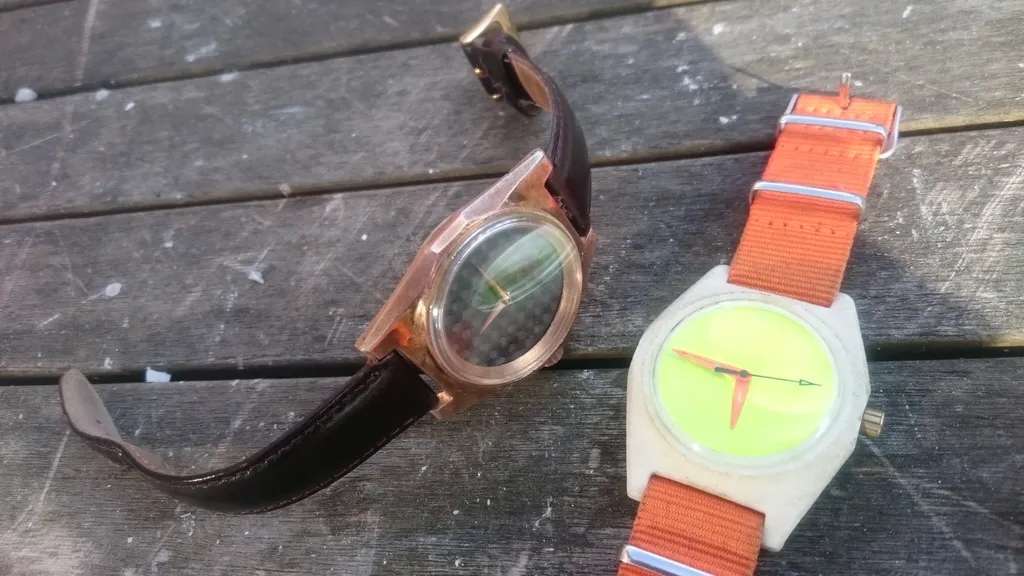
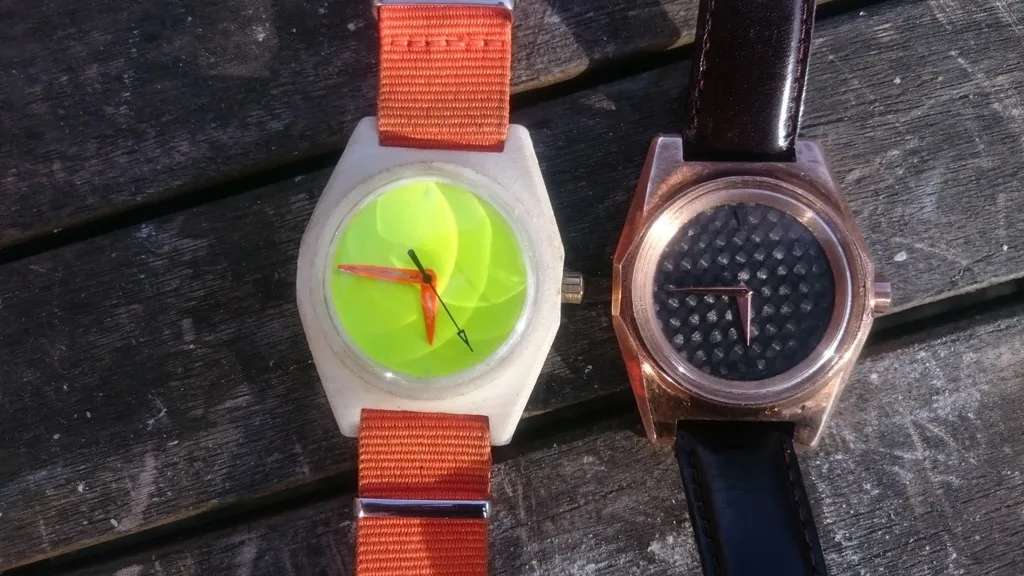
            One of these watches is 3d printed, the other is a bronze casting from a 3d printed pattern made by scaling the first by the shrinkage.

            Both were printed on a reprap Huxley that I built in the early days of 3d printing.

            DSC_1969DSC_1970

            My ‘daily drive’ 3D Printer is now an X1C – immeasurably improved over the Huxley.

            Dave


            #852660
            Bazyle
            Participant
              @bazyle

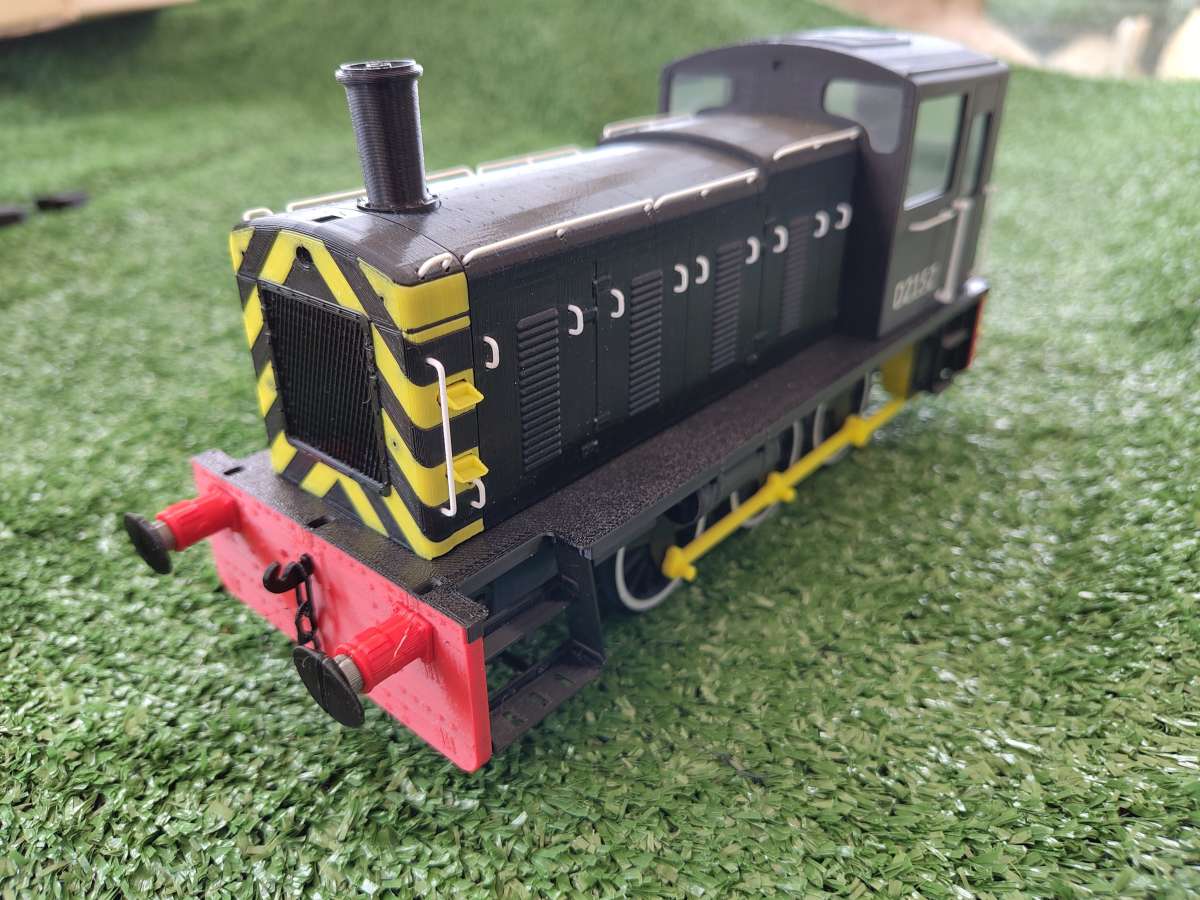
              Yesterday at a G1 activity one member becoming famous for his guards van print showed an 0-6-0 diesel shunter including black/yellow ends, white trim on wheels, cab number etc all the detail and all printed. ie not painted the colours being the filament itself as required. I will ask for a picture to be put on the G1MRA website to link to.

              #852736
              Bazyle
              Participant
                @bazyle

                This is the loco, printed on a Prusa by its designer. More info will appear on the G1MRA website in due course. It is a bit wasteful in filament as it swaps between colours but people are working on that feature of printers. However if it is all automatic it saves you time if that is important to you rather than minimum use of material.
                1000021014

                #853335
                Neil Wyatt
                Moderator
                  @neilwyatt

                  I will be featuring a 3d printed loco in ME&W soon.

                  Neil

                  #856445
                  Roderick Jenkins
                  Participant
                    @roderickjenkins93242

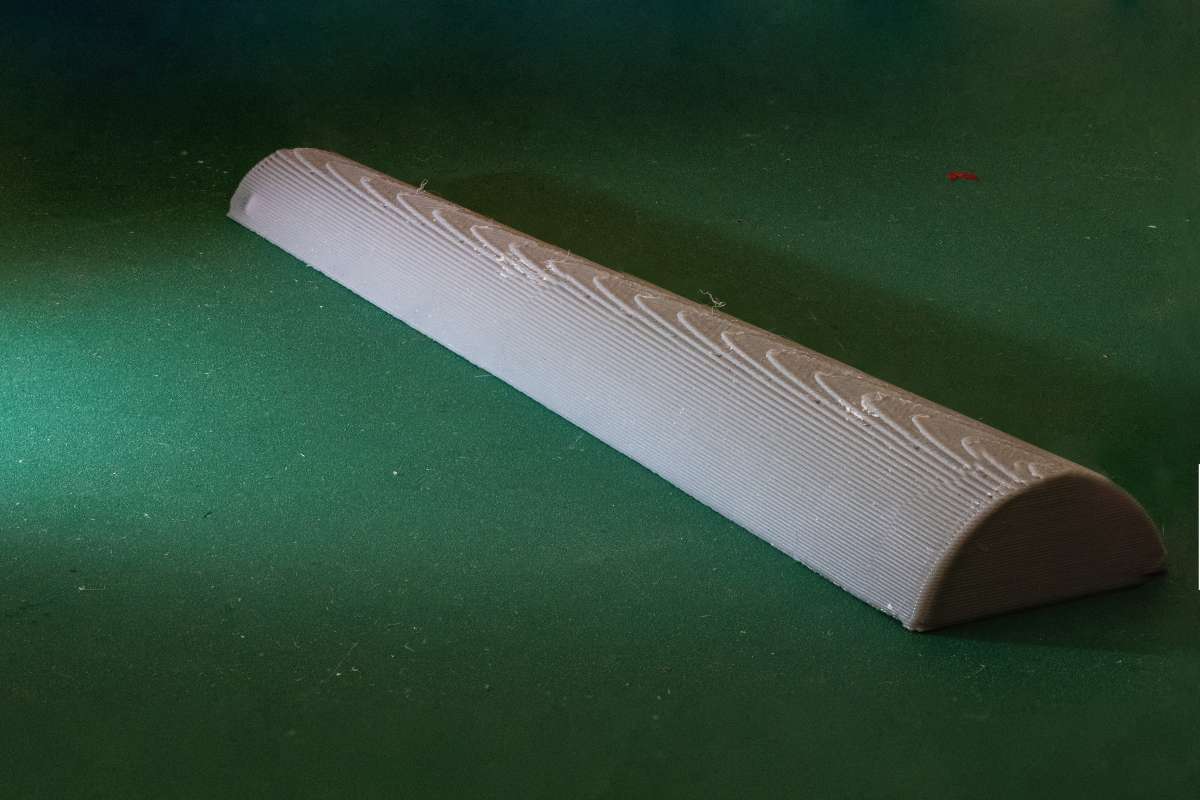
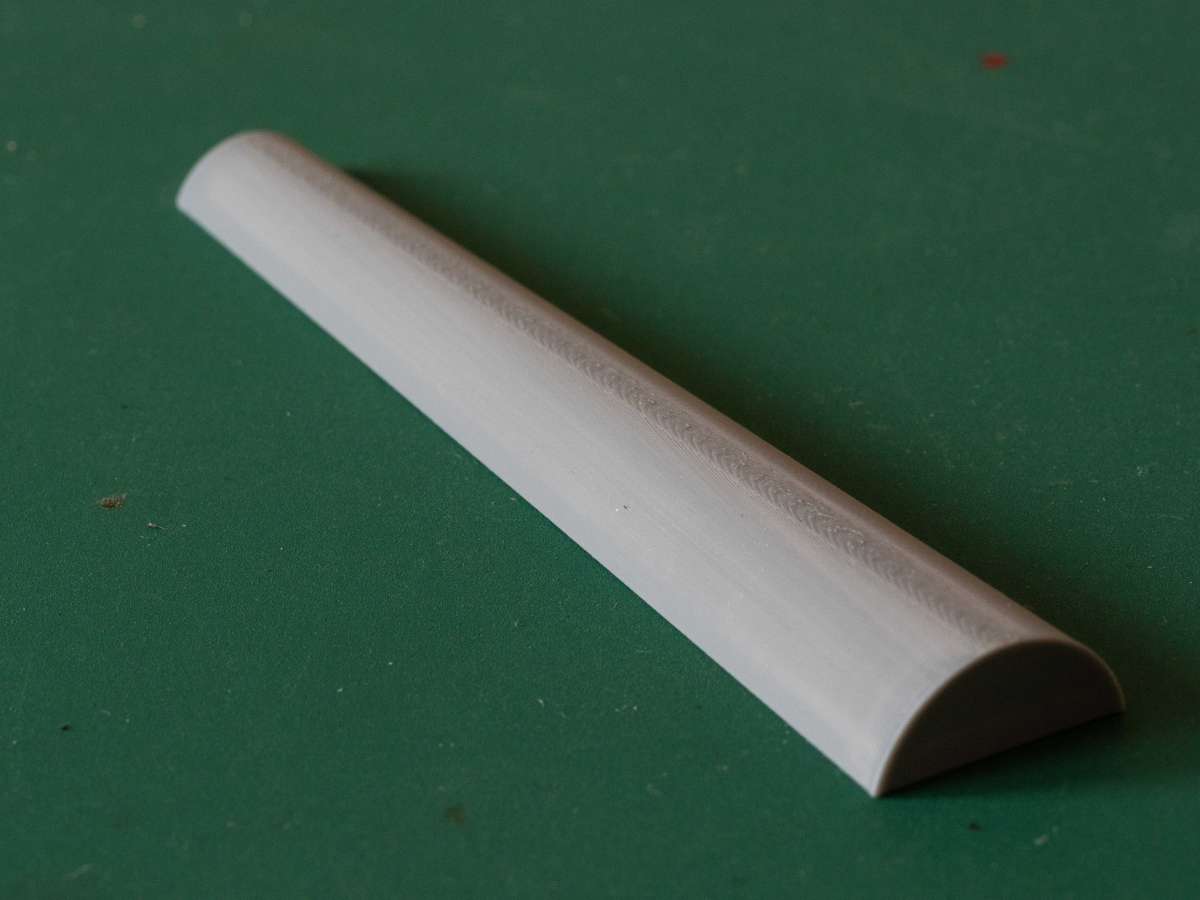
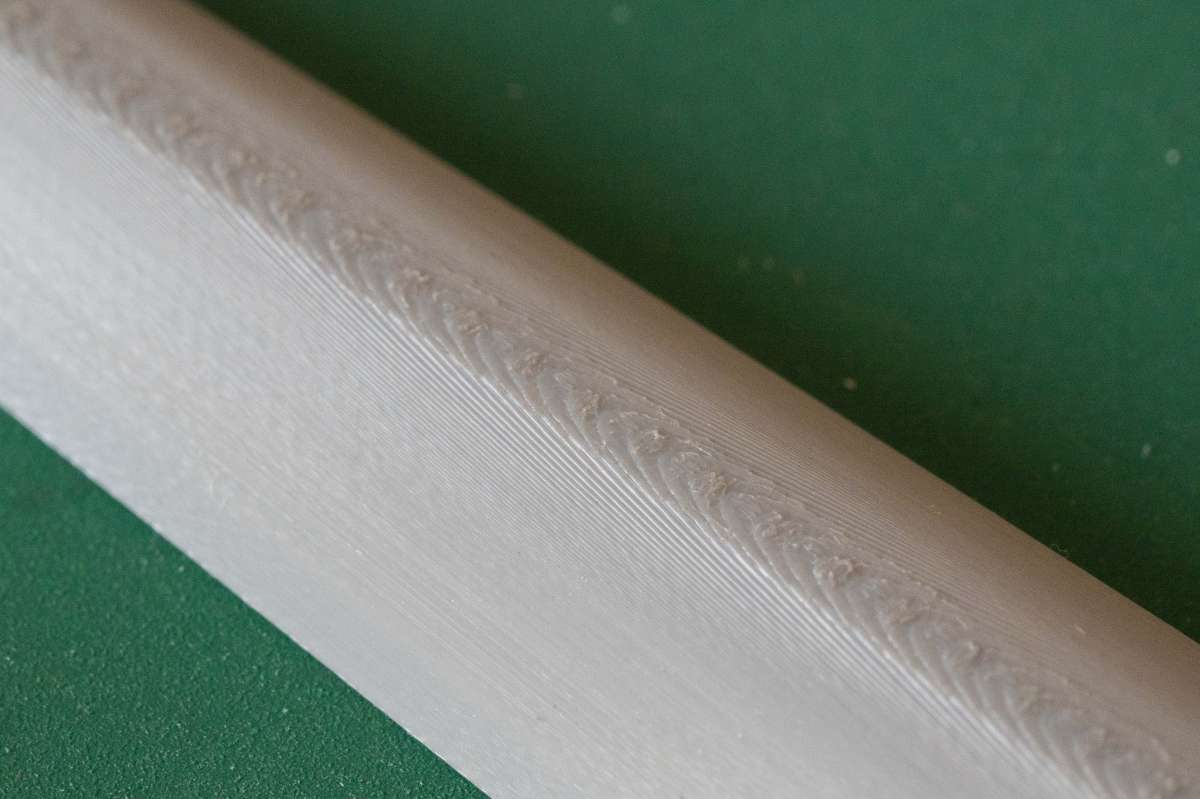
                    Jason has mentioned the problem of layer lines in 3D prints used as patterns for casting.  I’ve done some trials on an object that represents a flywheel spoke that tapers both in width and height.

                    This printed in PLA with a 0.2mm layer height

                    a Spoke PLA

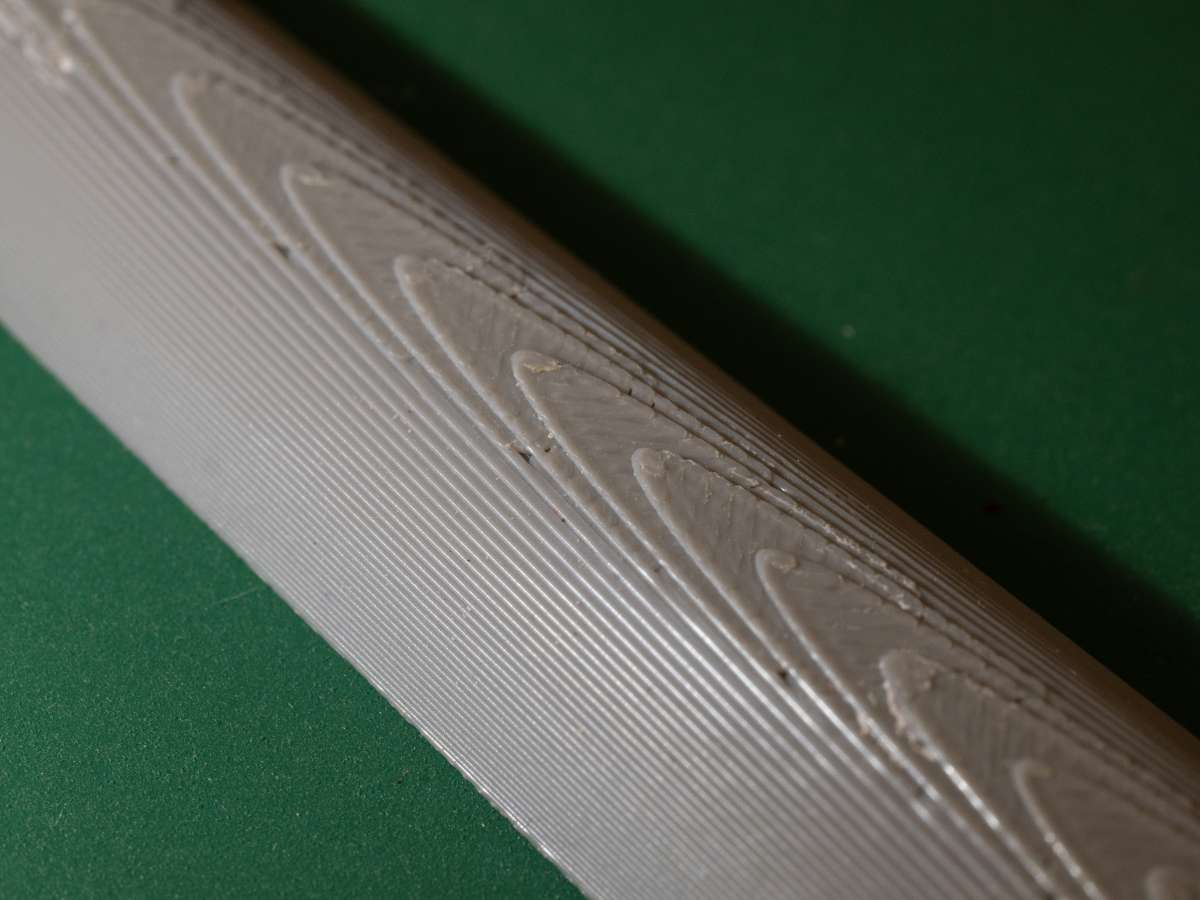
                    Here’s a close up of the layers:

                    a Spoke cu PLA

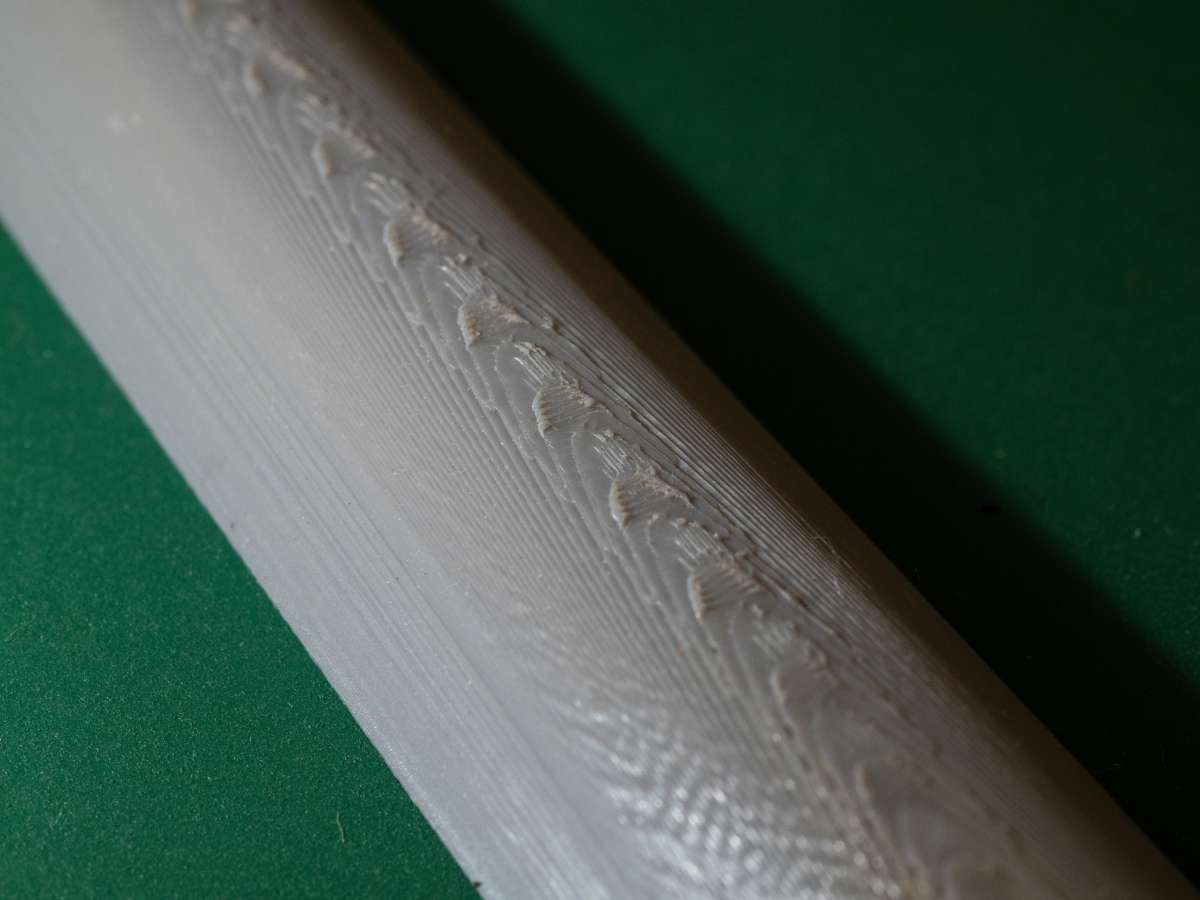
                    and here’s a close up of the print done with variable layer height:

                    a Spoke Variable layer PLA cu


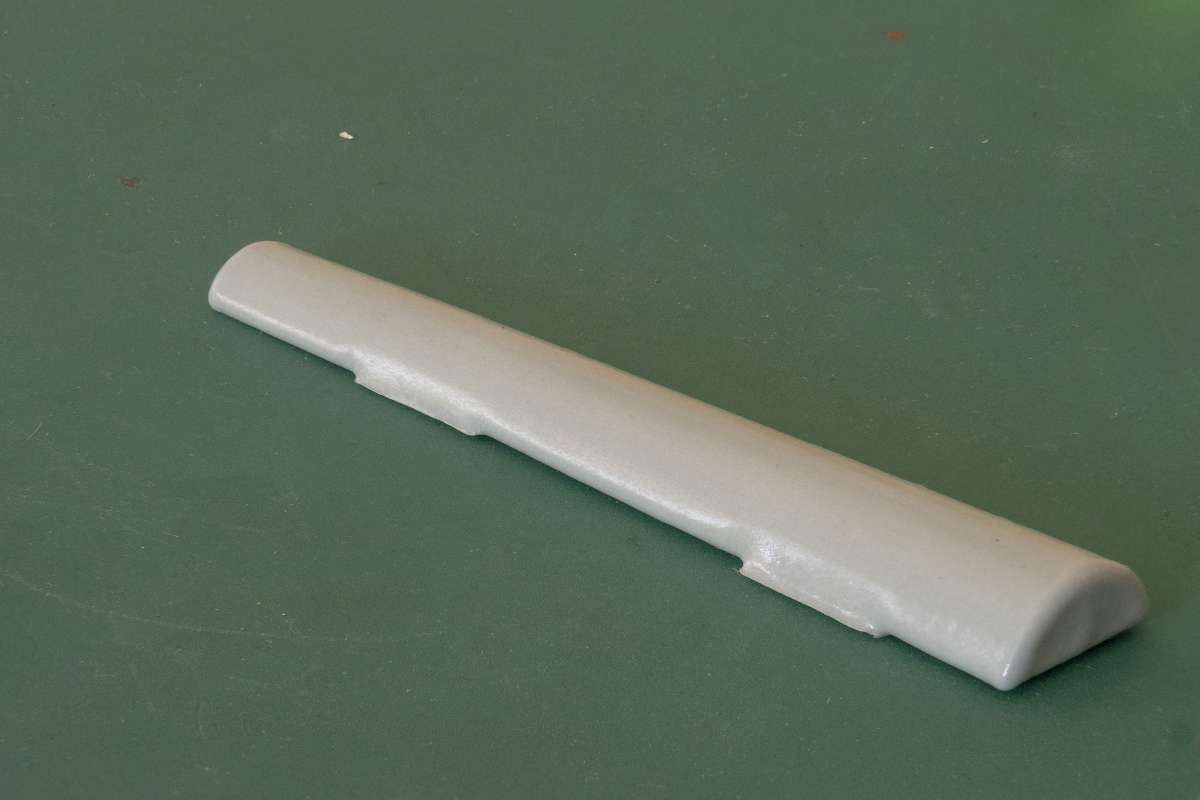
                    ABS is easier to sand than PLA but is also capable of being smoothed by immersing in Acetone vapour.  This spoke was printed in Glass Fibre ABS and then left in a vapour bath (for too long, the surface as oozed!)


                    a smoothed ABS GF

                    Food for thought

                    Rod


                    #856447
                    JasonB
                    Moderator
                      @jasonb

                      Thanks for the tests Rod. The variable height has helped but not wat I can get off the CNC

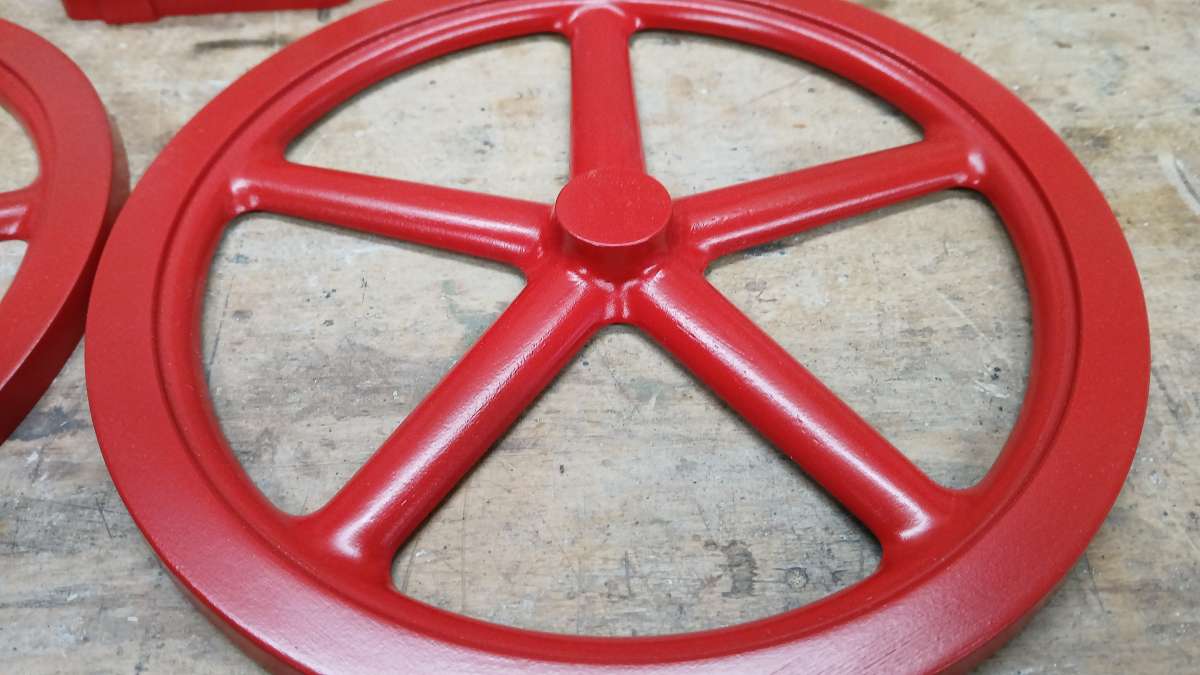
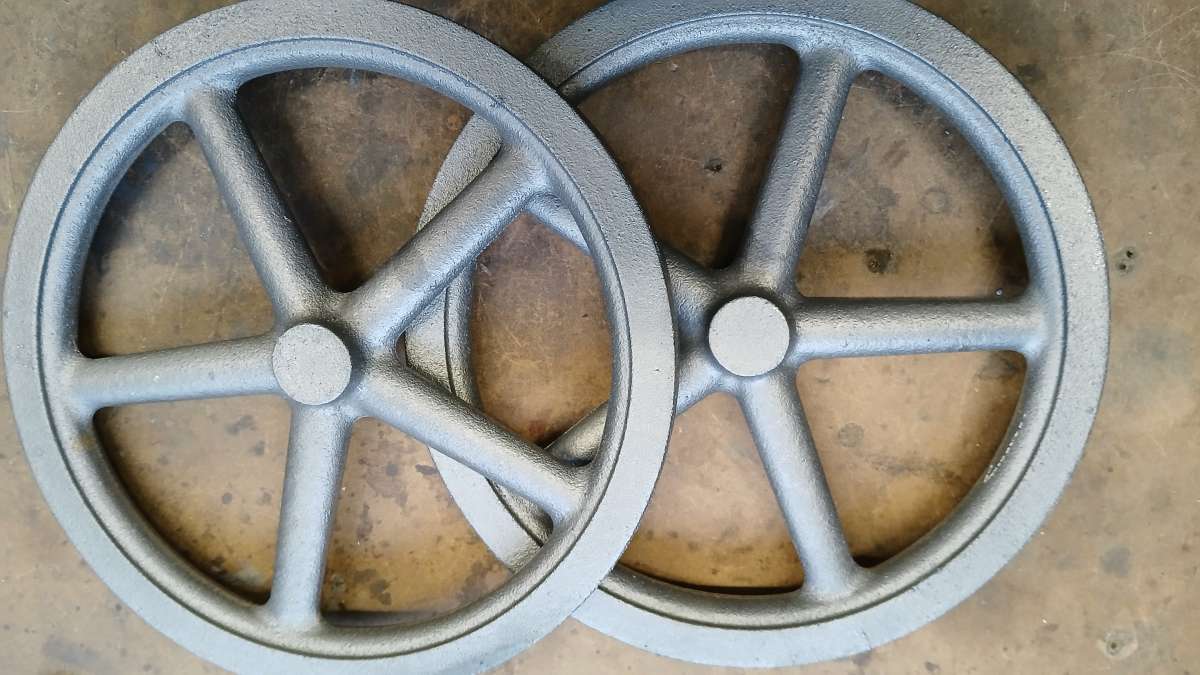
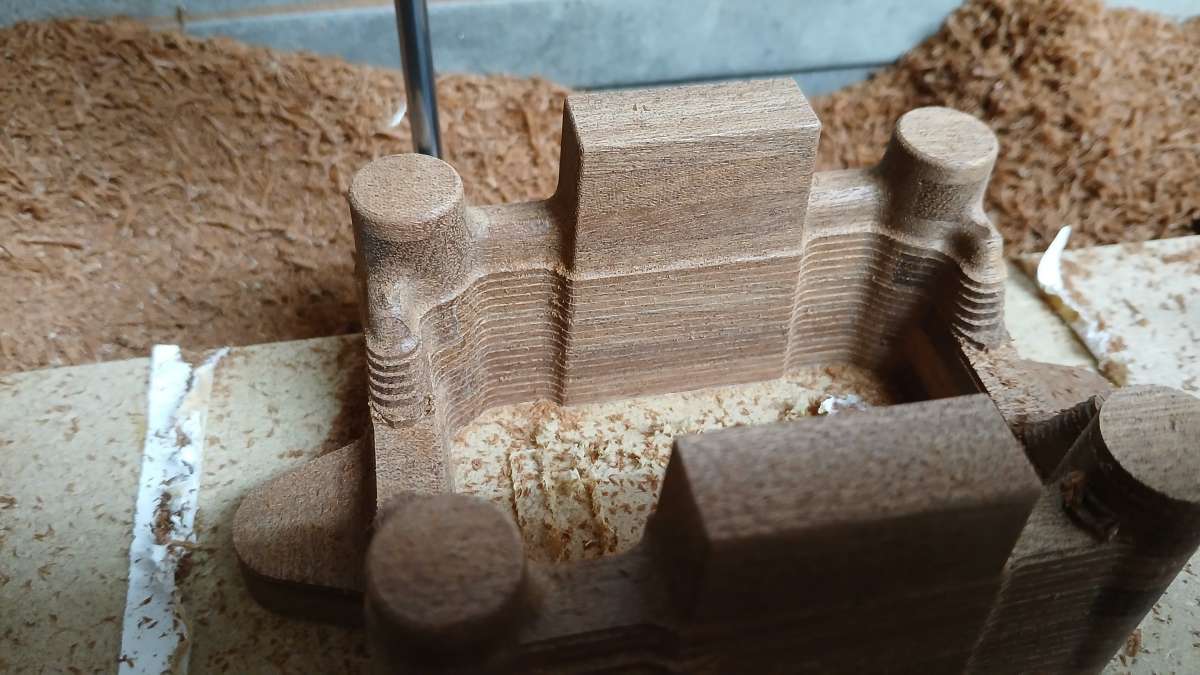
                      Interesting that you mention PLA ABS as I did have a pair of flywheel patterns done in that and had a go with the acetone. I think for my one off trial I did not have the ideal setup and it had little effect on the surface so I had to spend a couple or three hours sanding and then several coats of high build primer sanding between each. How did you use the Acetone, it may be worth me trying again?

                      I had previously made the patterns from glued up layes of Sapelle using the CNC which only needed a light sand and a coat of standard primer. Where I came a cropper was bringing the wood patterns into the house to help some epoxy filler to set which had been used to fill the location pin holes. The wood was not from my usual sources and likely had a slightly higher moisture content and promptly warped in the centrally heated room. It went back flat after a couple of days in the workshop but I did not want to risk it moving again when sent to a hot foundry so bought the PLA Prints.

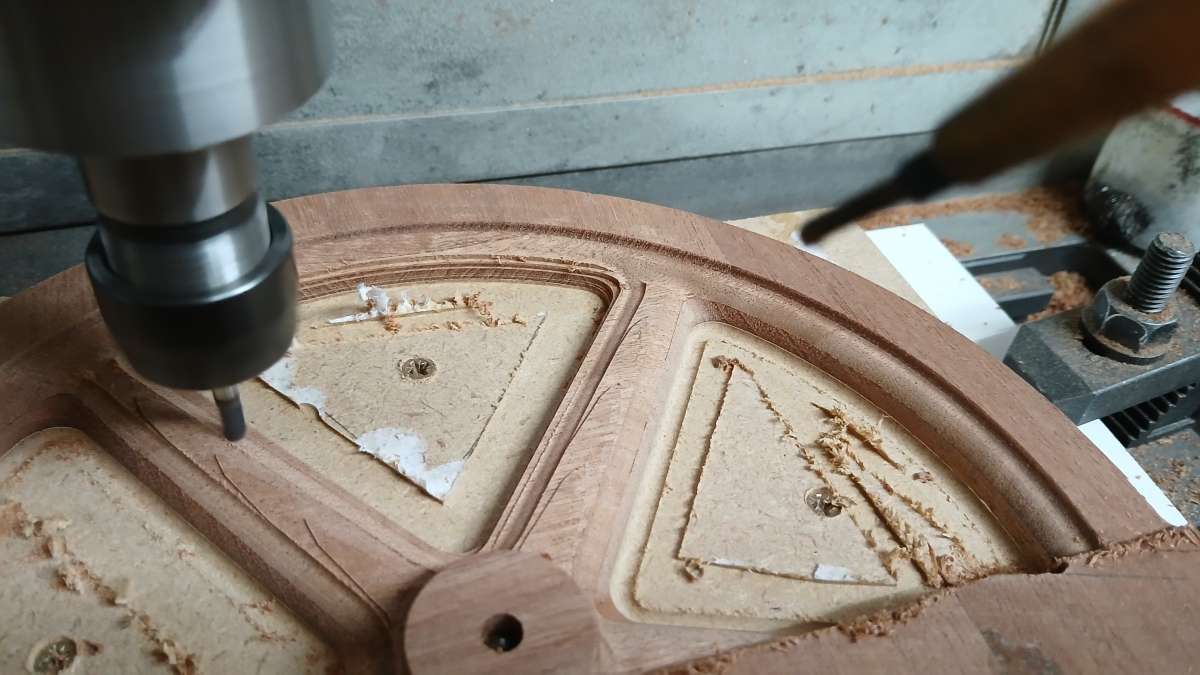
                      Half way through the finish cuts, you can see the similar layer hight lines that the previous roughing cut sleave, much like the prints but I think they were 0.5mm stepdown. Approx 9″ flywheel

                      20251024_155115

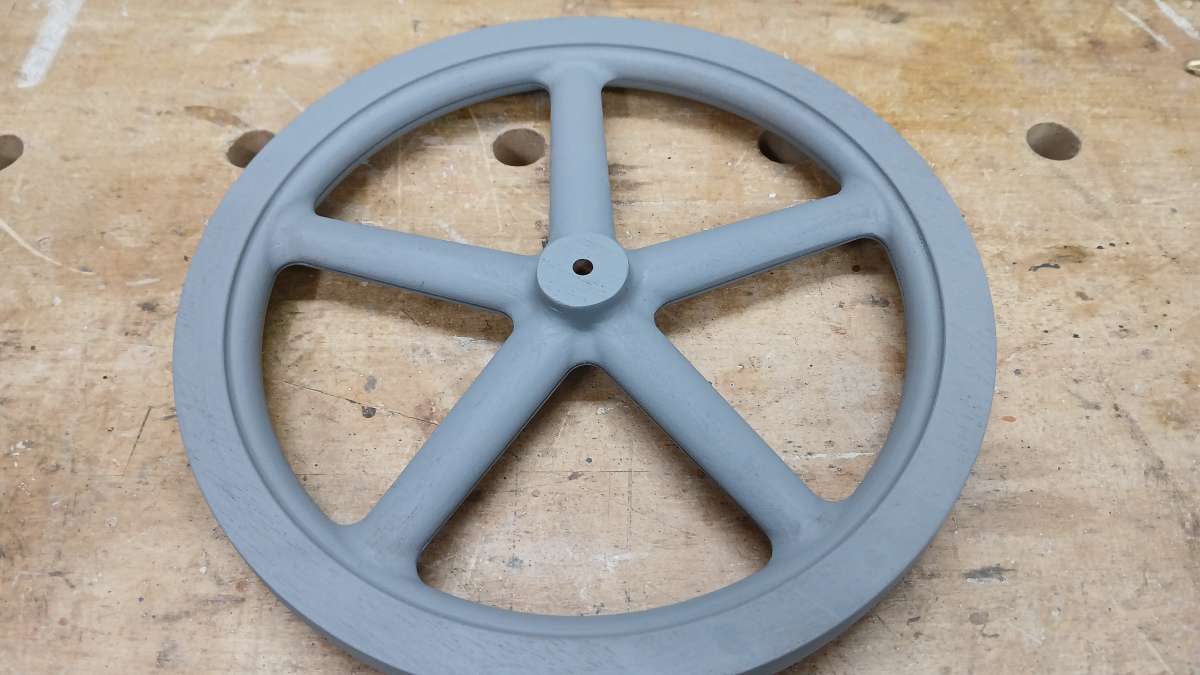
                      After a light rub with 180g and coat of rattle can primer

                      20251110_091523

                      The PLA Prints after 3hrs sanding and several layers of paint, wish I had taken an “as printed” photo

                      20251110_091453

                      The base casting to go with them, CNC from hardwood, light sand, primer and gloss

                      20251110_091458

                      20251127_133633

                      20251127_133700

                      #856448
                      JasonB
                      Moderator
                        @jasonb

                        Here is one more of the base, you can see the finish the 4-flute 4mm ball cutter is giving and that is with about 60mm sticking out the collet

                        20251021_110908

                        #856455
                        Roderick Jenkins
                        Participant
                          @roderickjenkins93242

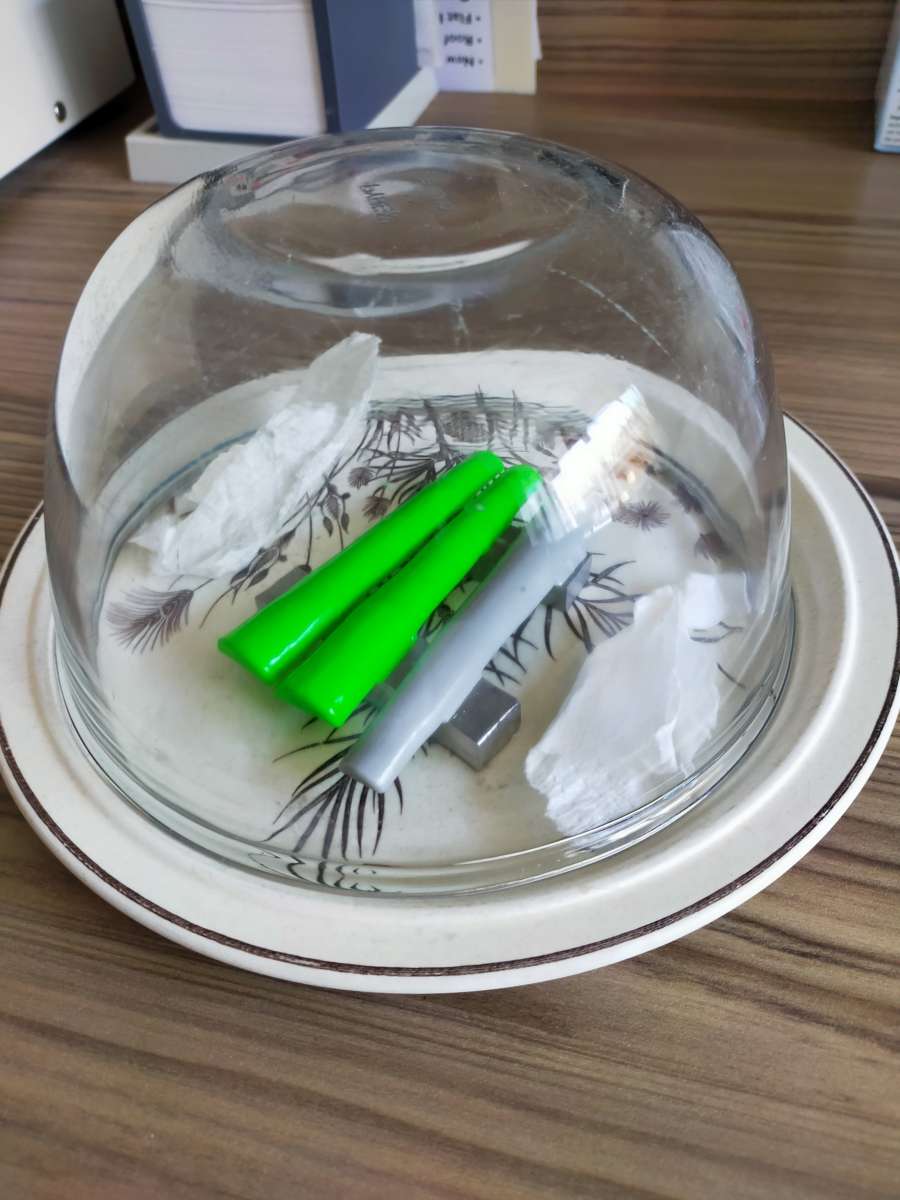
                          Bearing in mind that the Acetone smoothed sample was in ABS, my set up was to use a dining plate with a Pyrex bowl on top and a couple of scraps of kitchen paper to act as wicks.  I put a couple of mm depth of Acetone on the plate.  Here’s a reconstruction for you (I’m Hi Tech me)

                          vapour smoothing kit


                          As far as the smoothing went, nothing seemed to happen for 15 minutes so I went away for an hour or so and it was too much – needs constant monitoring.

                          The variable layer height is a bit of a red herring.  The whole thing could be printed at the smallest layer height but the variable option just saves time by only printing small thickness layers where it benefits the minimisation of layer lines, usually at the top of curved surfaces.

                          Rod

                          #856456
                          JasonB
                          Moderator
                            @jasonb

                            Sorry that was my typo, the flywheels were ABS which is also supposed to be easier to sand. Similar setup to you with a cake container over a pool of acetone. I did read that some heat helps with producing more fumes.


                            Hope your cheese tasted OK afterwards!

                            #856487
                            Mark Rand
                            Participant
                              @markrand96270

                              Resin printers happily run at .05mm layer height, but will run at .01mm. No sanding needed, except for any support attachments 🙁 . The significant downside is that most of them have been smaller than available FDM printers.


                              I’ve currently got some moulding box side patterns printed that I need to cast. Luckily surface finish on those isn’t an issue, maybe an advantage on the sand side????


                            Viewing 13 posts - 26 through 38 (of 38 total)
                            • Please log in to reply to this topic. Registering is free and easy using the links on the menu at the top of this page.

                            Latest Replies

                            Viewing 25 topics - 1 through 25 (of 25 total)
                            Viewing 25 topics - 1 through 25 (of 25 total)

                            View full reply list.