

Search Results for 'zan'
Search Results for 'zan'
-
Search Results
-
Topic: Suzanne
 Steve Huckins
@stevehuckins53362
Steve Huckins
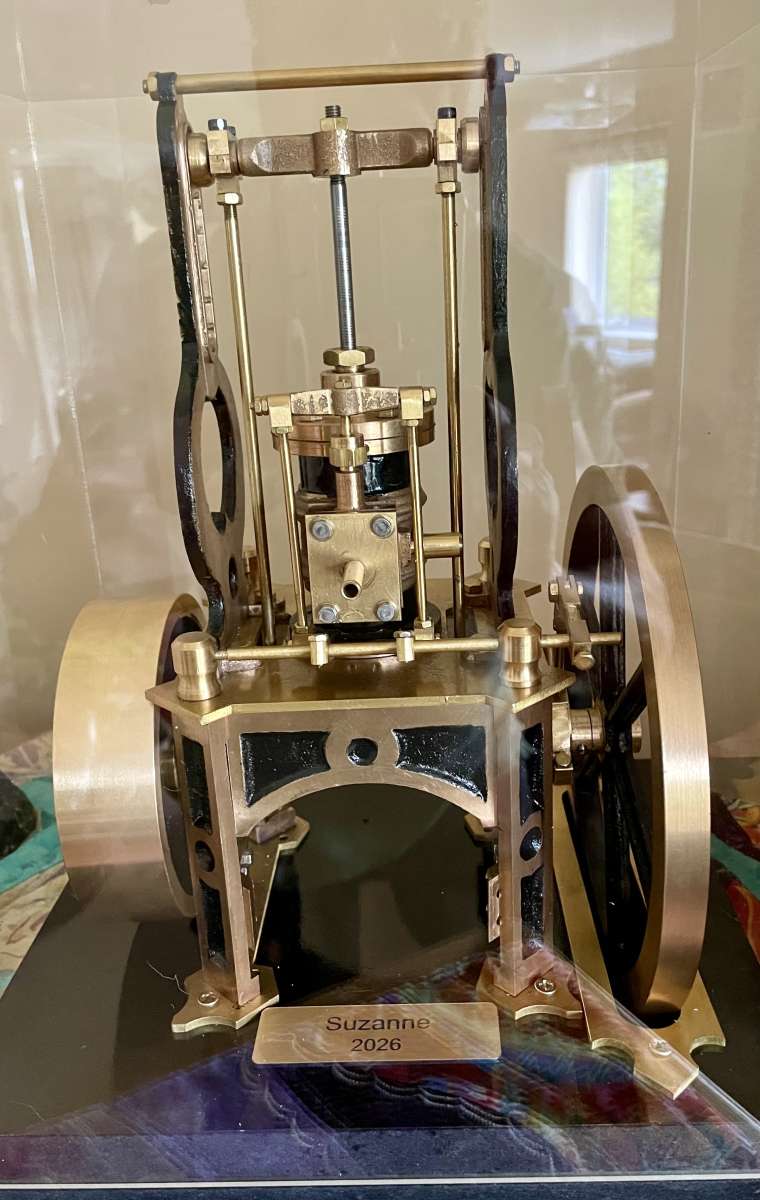
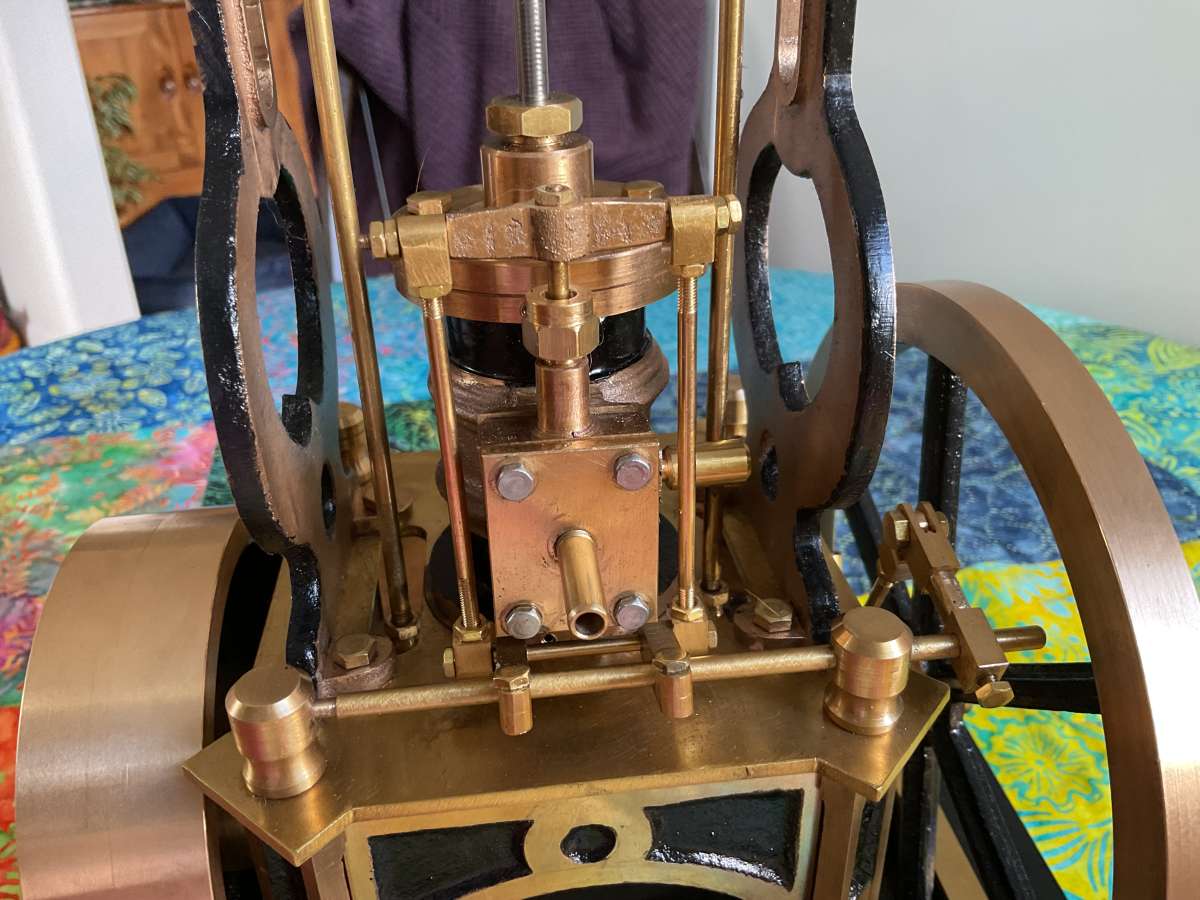
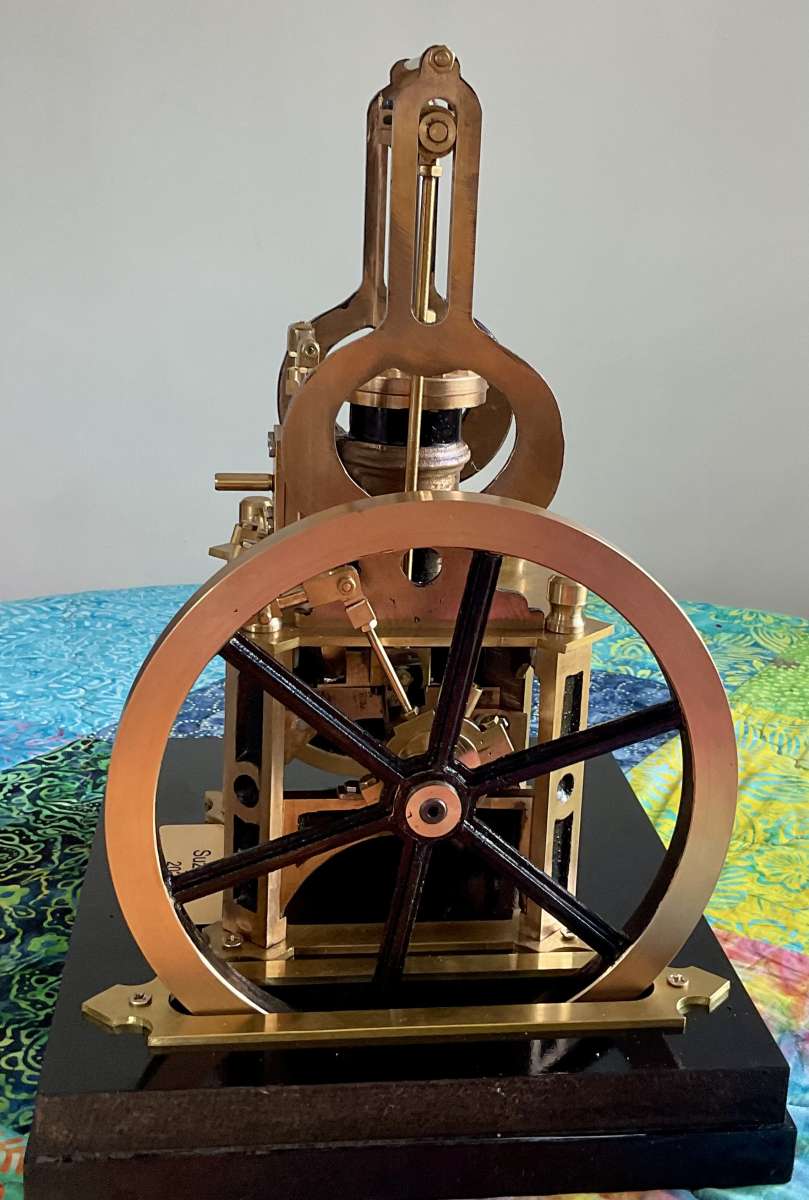
@stevehuckins53362This was my toughest challenge to date. Suzanne from EKP and formally Kennions. Only been model engineering for a few years and getting to grips with lots of new skills necessary. I have an SC4 lathe and VM 25 mill and have learned mostly from YouTubers like Blondie Hacks, Joe Pie, Ades Workshop and a host of other experts. Lots of wasted views watching misleading stuff as well though. I’ve enjoyed the journey so far and delighted with all the expert help volunteered on this forum. I’ll be going to the Midland show again this year for my annual shop up. Living on Exmoor there are no model engineering clubs to get together with others but I have a mate who is enthusiastic to learn machining. We have a really sociable time in the workshop and he’s almost completed a small PM Research engine. Although I am pretty new myself, I have been able to guide him successfully so far. Keeps me on my toes and making sure my advice is properly correct. Currently starting Kennions Rachel wall engine from EKP. Lots of challenges in this build to come. Hope you all keep the enthusiasm going. Be safe. Steve
Topic: Emco SL1000 lathe/drill/mill
old mart
@oldmartAndy who is a volunteer and a member of the associated model club at the museum bought a tiny lathe with lots of extras from an old friend and Mike and myself have been getting it ready for the model club to have in their new workshop on the mezzanine. The early Emco has the vertical column extra to convert it for milling and drilling together with lots of tooling. A three jaw chuck plus two drill type chucks and dead and live centres and faceplate and a fixed steady also an indexing attachment. The power comes in through the emergency stop, then to the no-volt switch, the speed control and finally to the 90W motor. I made a clip on belt guard last saturday.
paul_go
@paul_goHiya everyone
Very new member here and apologies for the novel I’m about to post here.
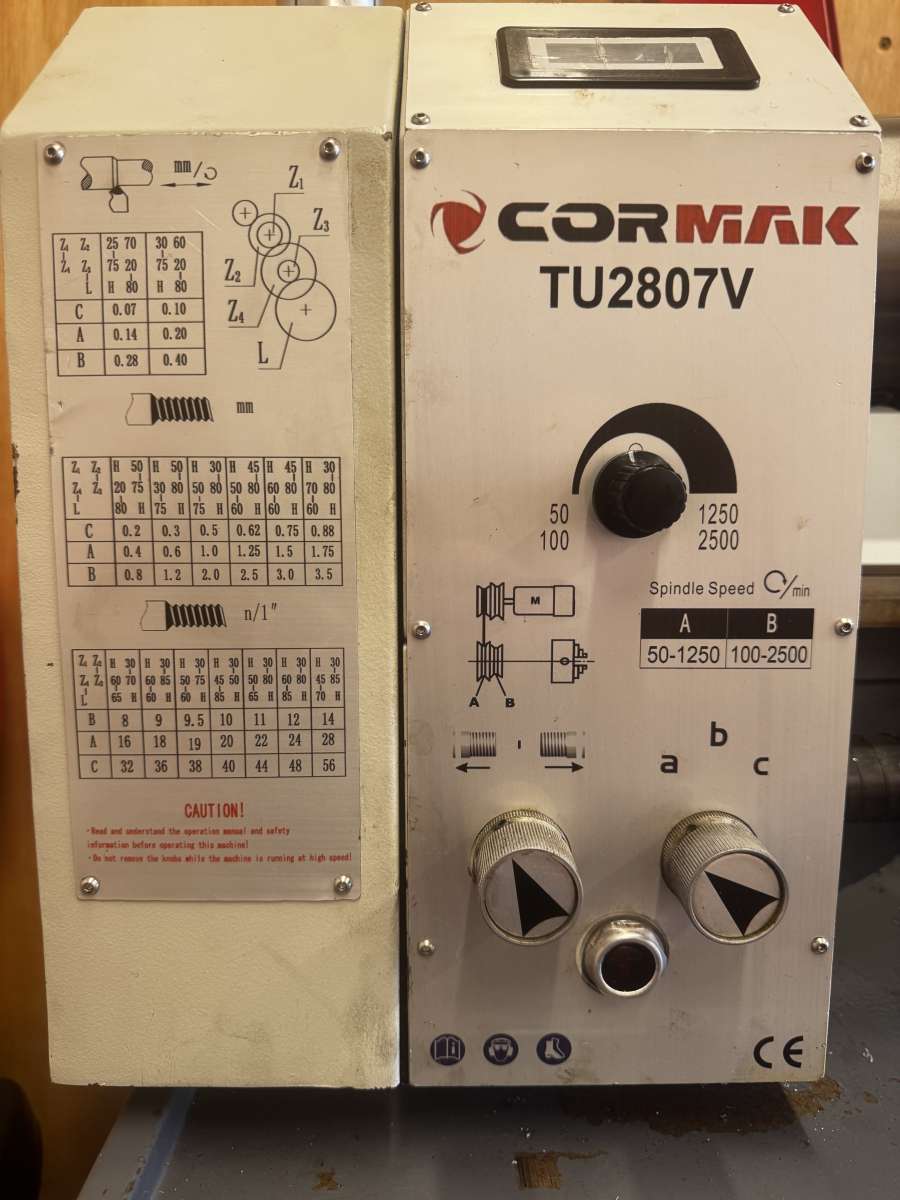
I have a Cormak TU2807v. Which I believe is identical to the Optiturn TU2897v lathe. It has a 40T spindle hear and has a 3mm lead screw.
I’m trying to set up the change gears to cut 16 TPI. According to the gear chart on the lathe, the arrangement should be:H – 30
60 – 70
65 – H
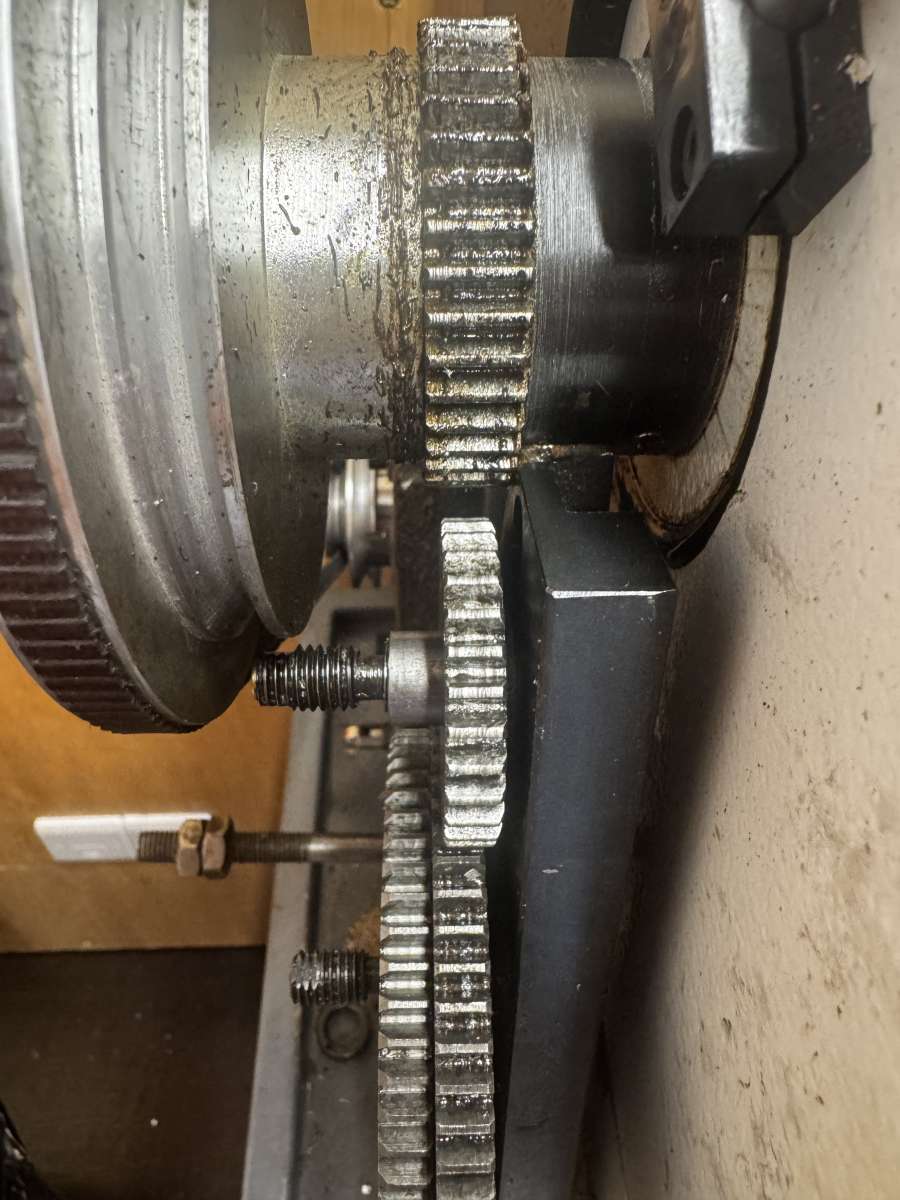
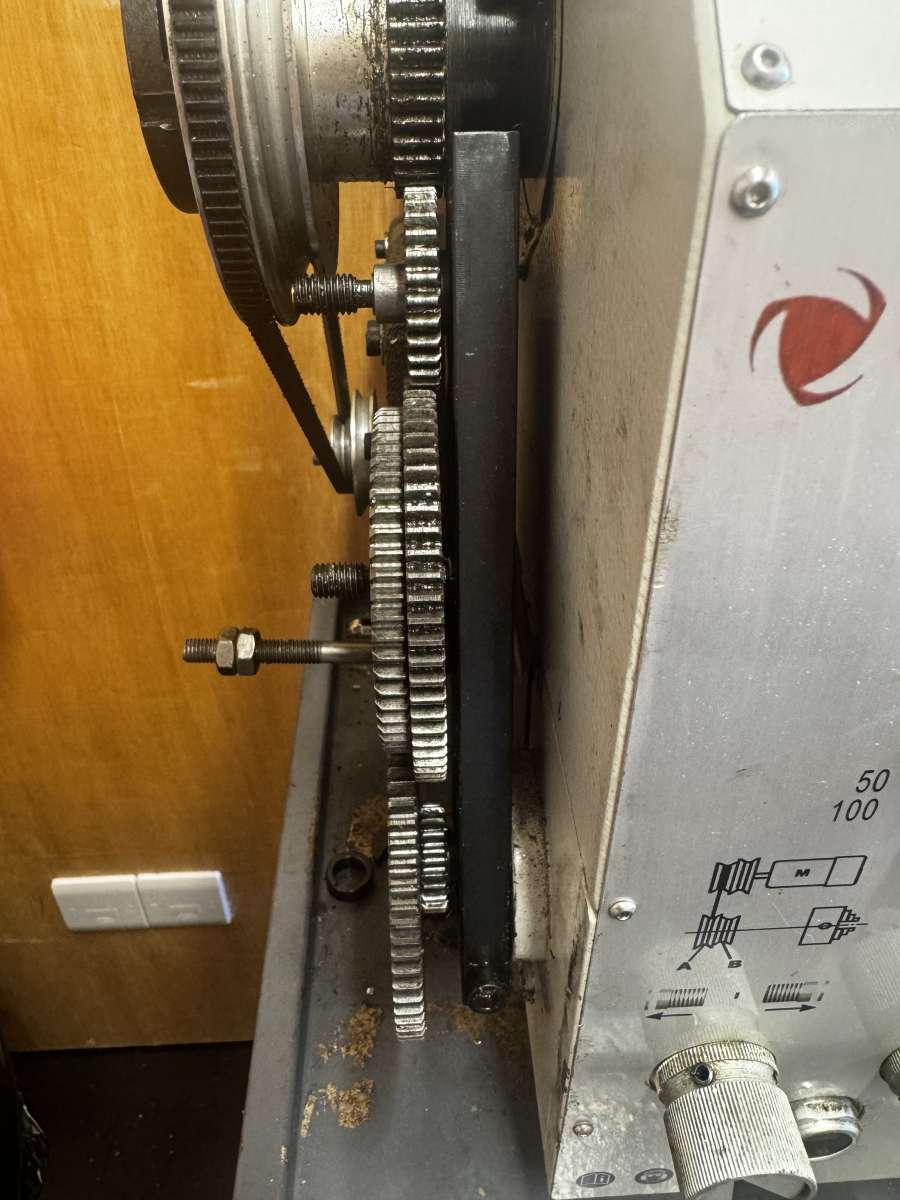
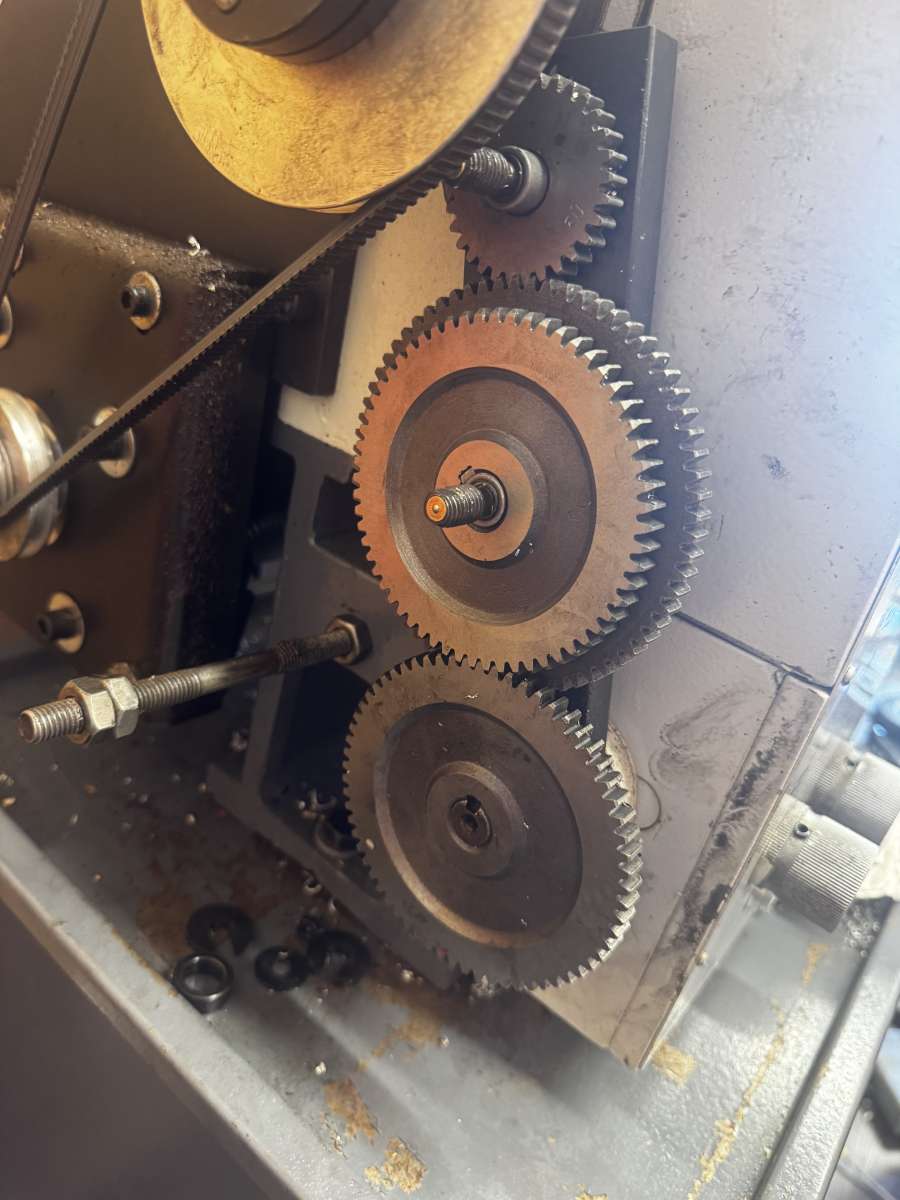
Unfortunately, this arrangement appears to be impossible to assemble on my machine.
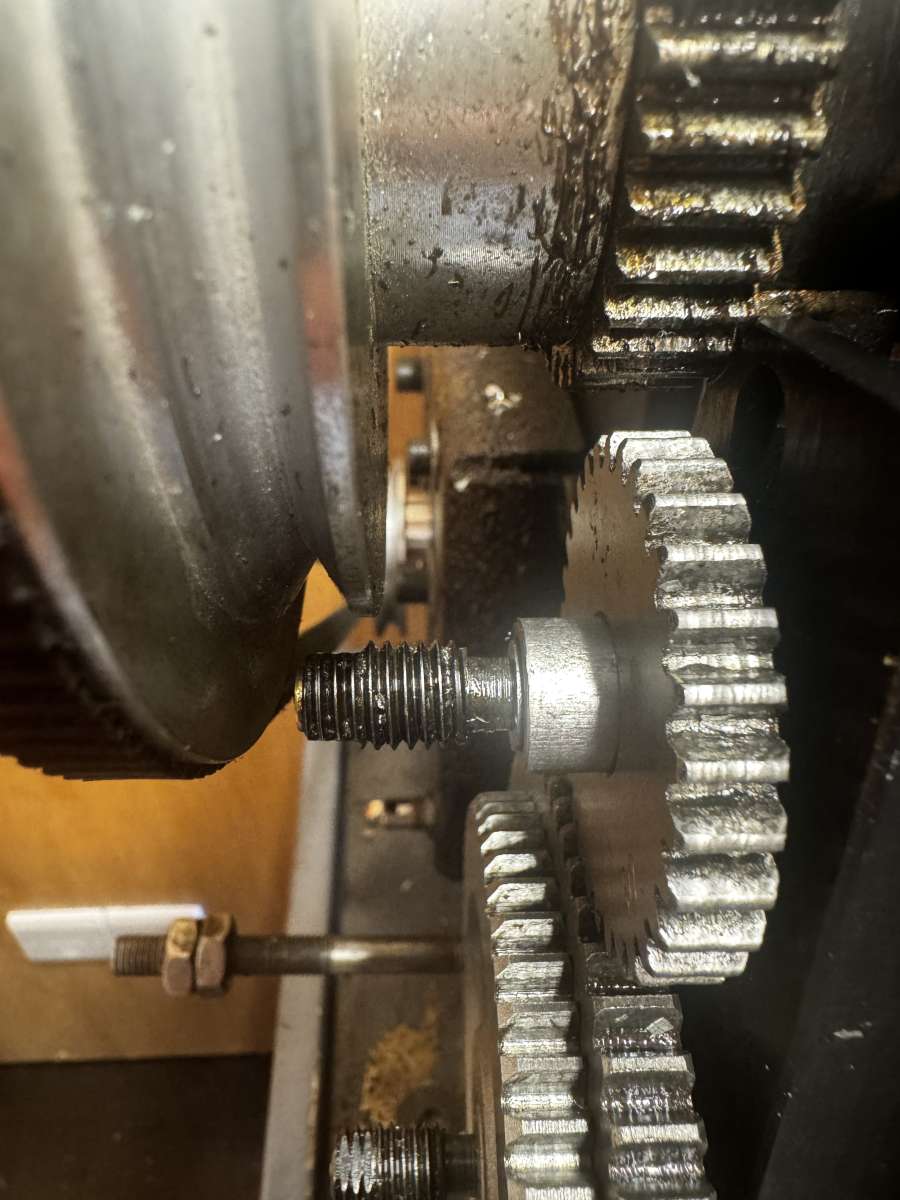
The issue is that the 30-tooth gear will not reach the fixed 40-tooth spindle gear. Even with the other gears correctly meshed, there is still approximately a 7 mm gap between the 30-tooth gear and the spindle gear. In addition, the mounting stud for the 30-tooth gear contacts the belt drive pulley housing before the gears can be moved any closer.
As a result, I cannot use any gear arrangement that requires the 30-tooth gear to mesh directly with the spindle gear.
From the gearing plate on the lathe that means every metric thread cannot be cut
Can anyone out there with experience on these machines help me move forward with this ?
I have attached photographs to illustrate the clearance issue and the interference with the pulley housing.I would greatly appreciate any advice or technical information anyone can provide.
Thanks
Paul
Topic: Suzanne engine
Steve Huckins
@stevehuckins53362I am studying the drawings for the Kennions Suzanne (now supplied by EKP) that I am hoping to start soon. Needless to say, there is a lot to take in and I can see a few discrepancies already that I will need to understand and address. But I can see the photo of a finished engine on EKPs web site and it helps to physically see how it looks when finished. But I have tried to find other pictures and there doesn’t seem to be anything else anywhere.
i was wondering if anyone on the forum has completed this engine and whether they may have some photos that they may be prepared to share. Or perhaps some other info about where to find some.
Finally, any help with advice, build notes or anything helpful would be much appreciated.
Thanks to all
Steve
Roger King 1
@rogerking1Sorry, I’m using the ME skill base to ask for advice on old car jobs again…
I’m rebuilding the head on a 1937 Riley, and need to remake the copper pipe feeds to the rocker shafts. These are made of ⅛” OD copper pipe, with a banjo fitting soldered on one end and a brass cone fitting on the other. I’m struggling to find new parts for the cone fitting – see photo below for what’s on the old pipes. Sizes are: copper pipe OD is 0.125″, and brass nut to retain the cone is 0.375″ across flats – I don’t know what the thread size is. The car suppliers all sell a 7/16 (0.4375)” nut and cone to fit ⅛” pipe, which doesn’t work as the nut is too big to thread onto the feed stud from the block. Any suggestions as to what size this nut and cone union are, and how best to do the soldering (ordinary solder, or silver, without melting the components?) would be very welcome.
Thanks,
Roger
 Steve Huckins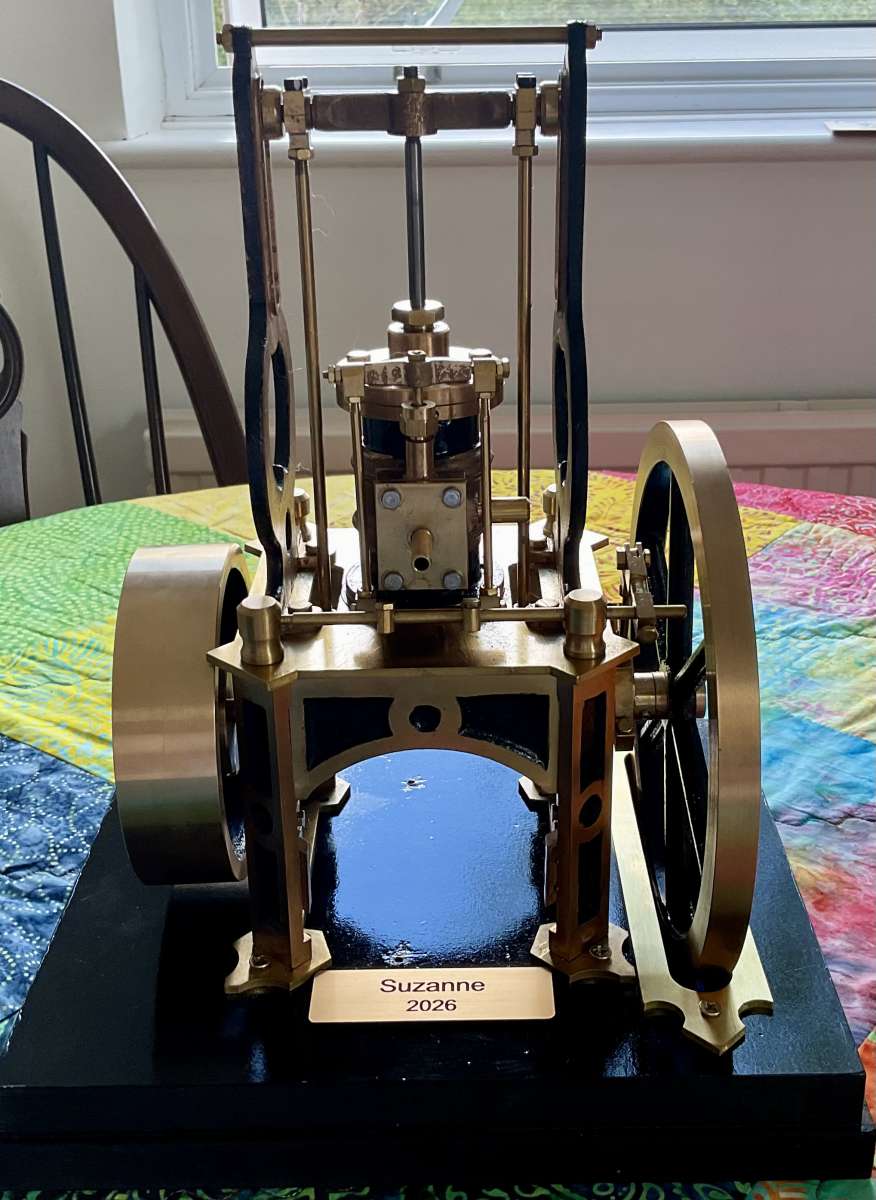
 old mart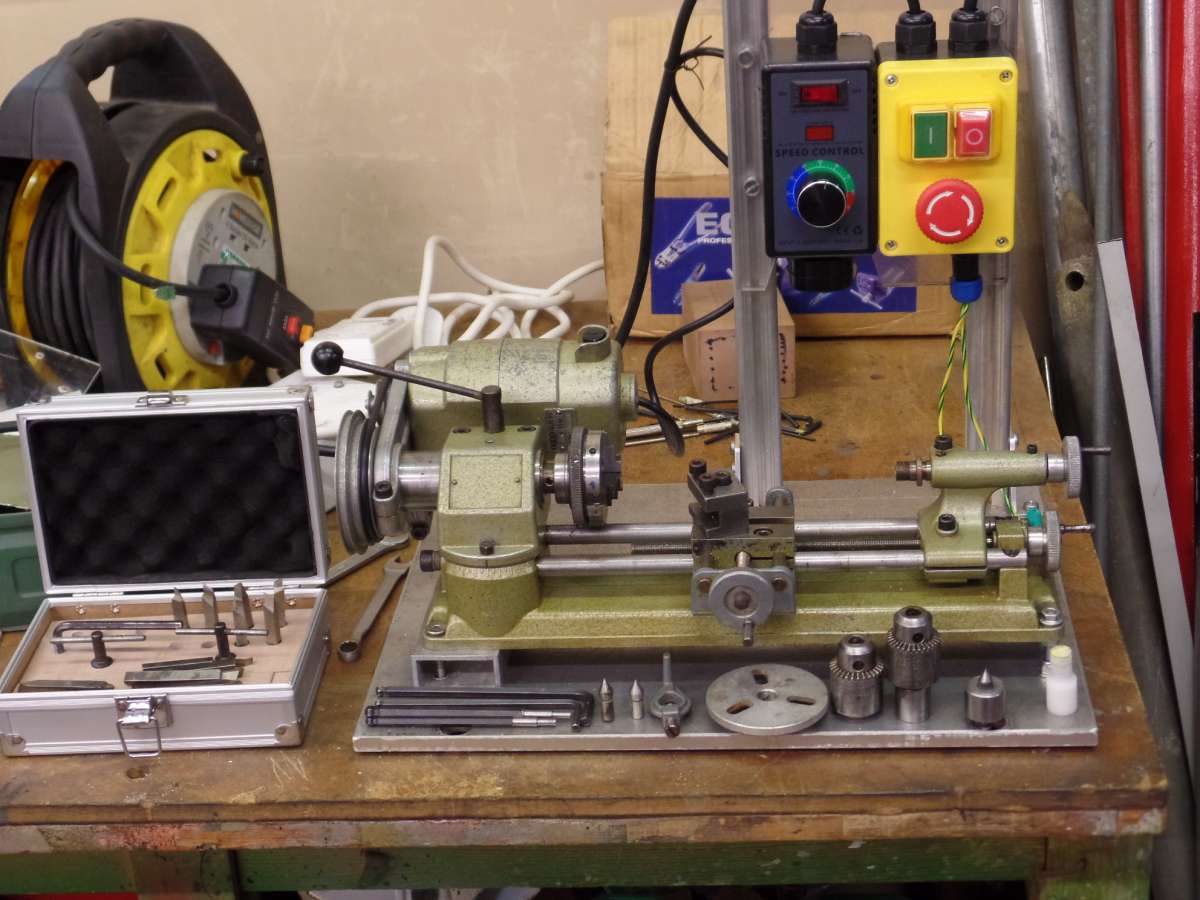
 Michael Gilligan
 Nigel Graham 2
 paul_go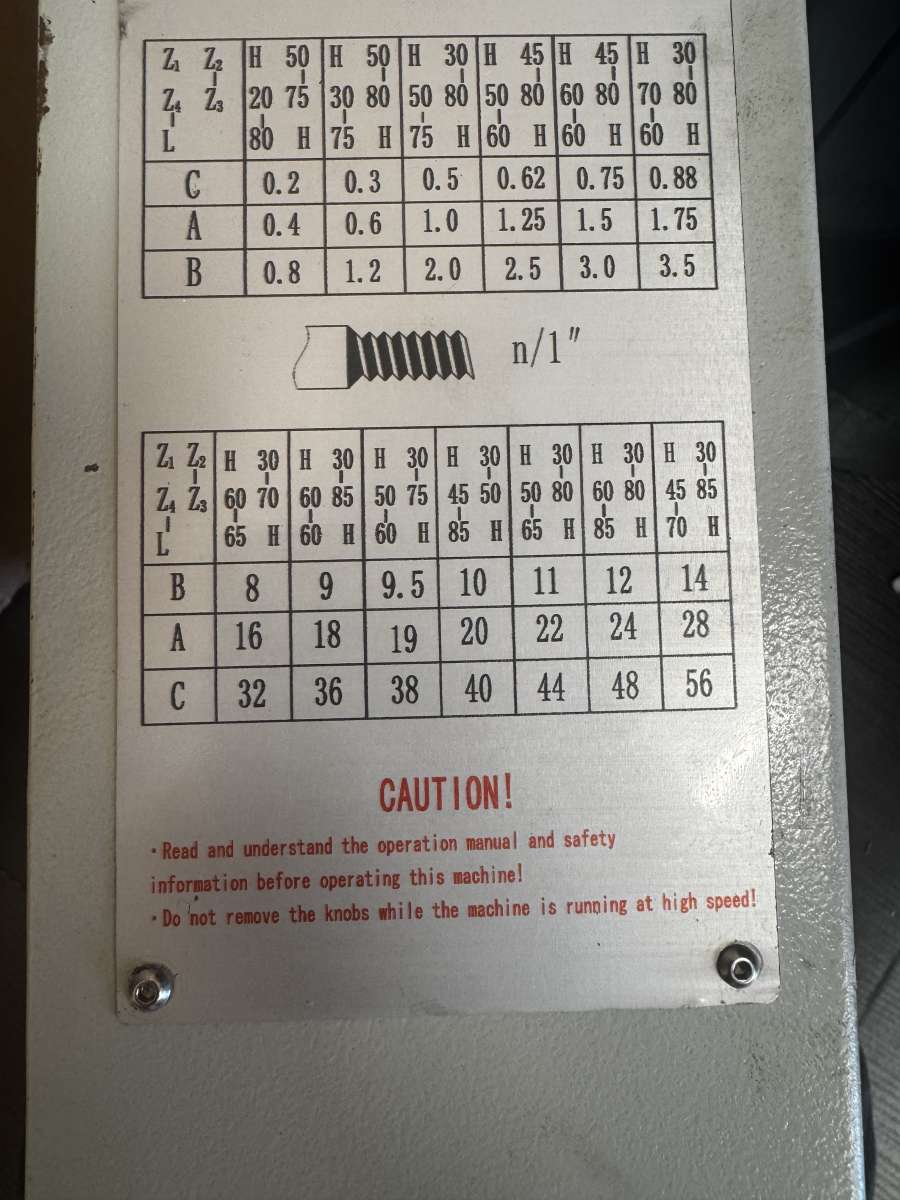
 JasonB
 ach
ach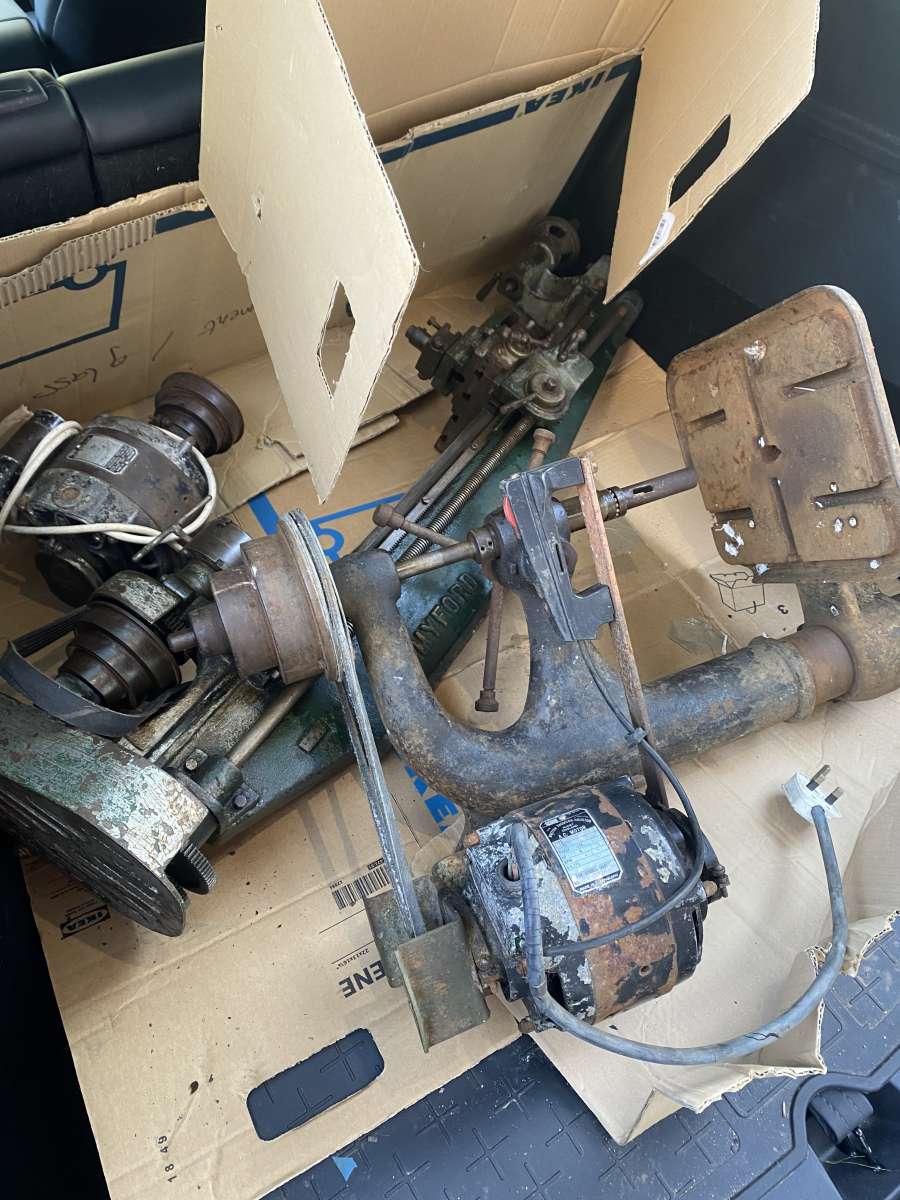
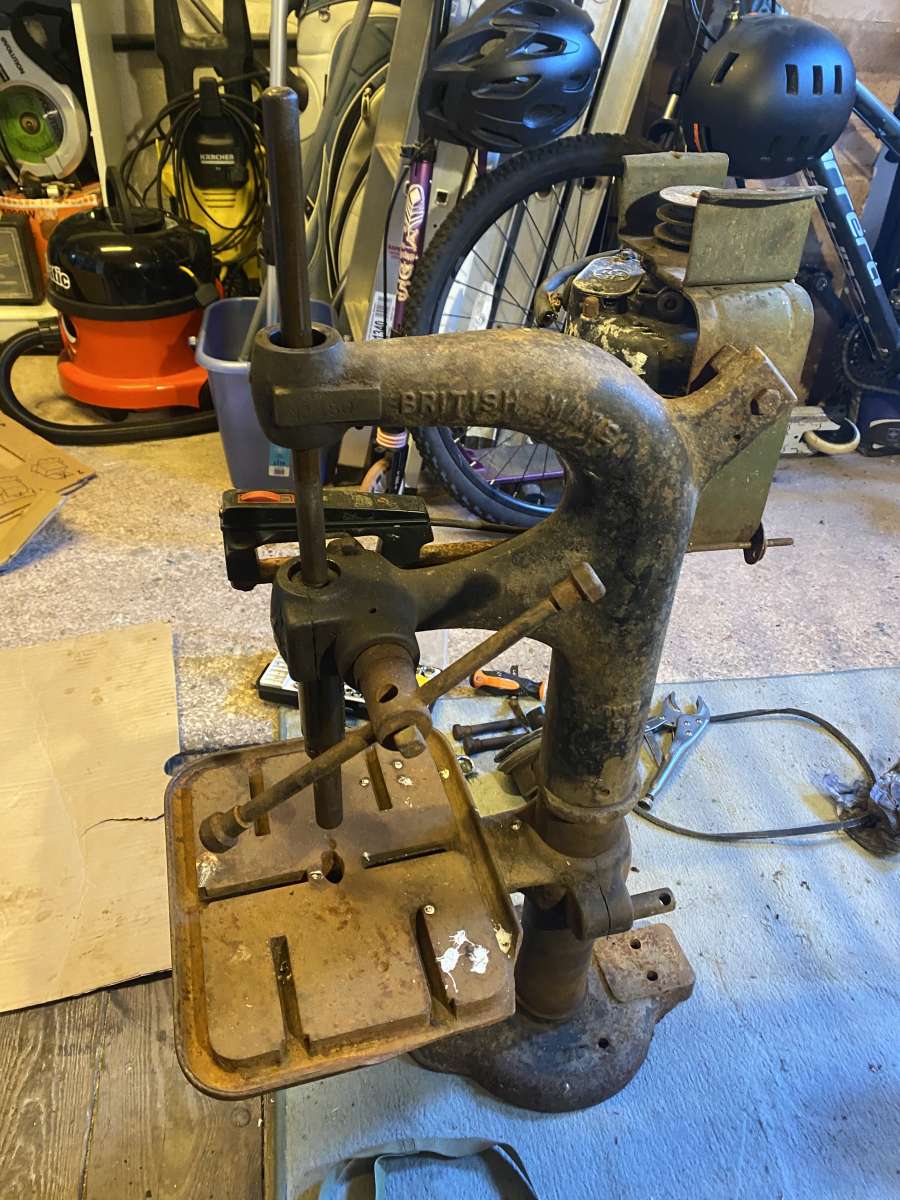
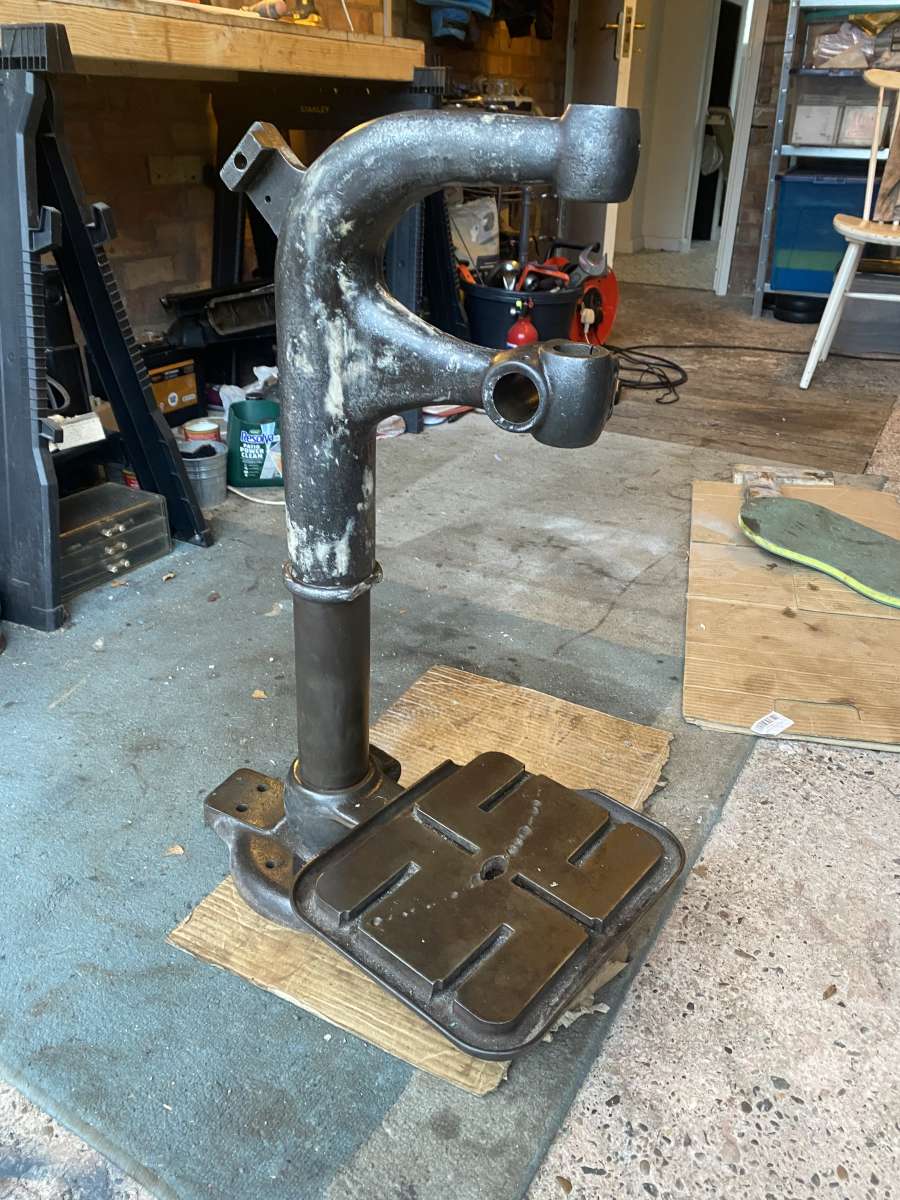
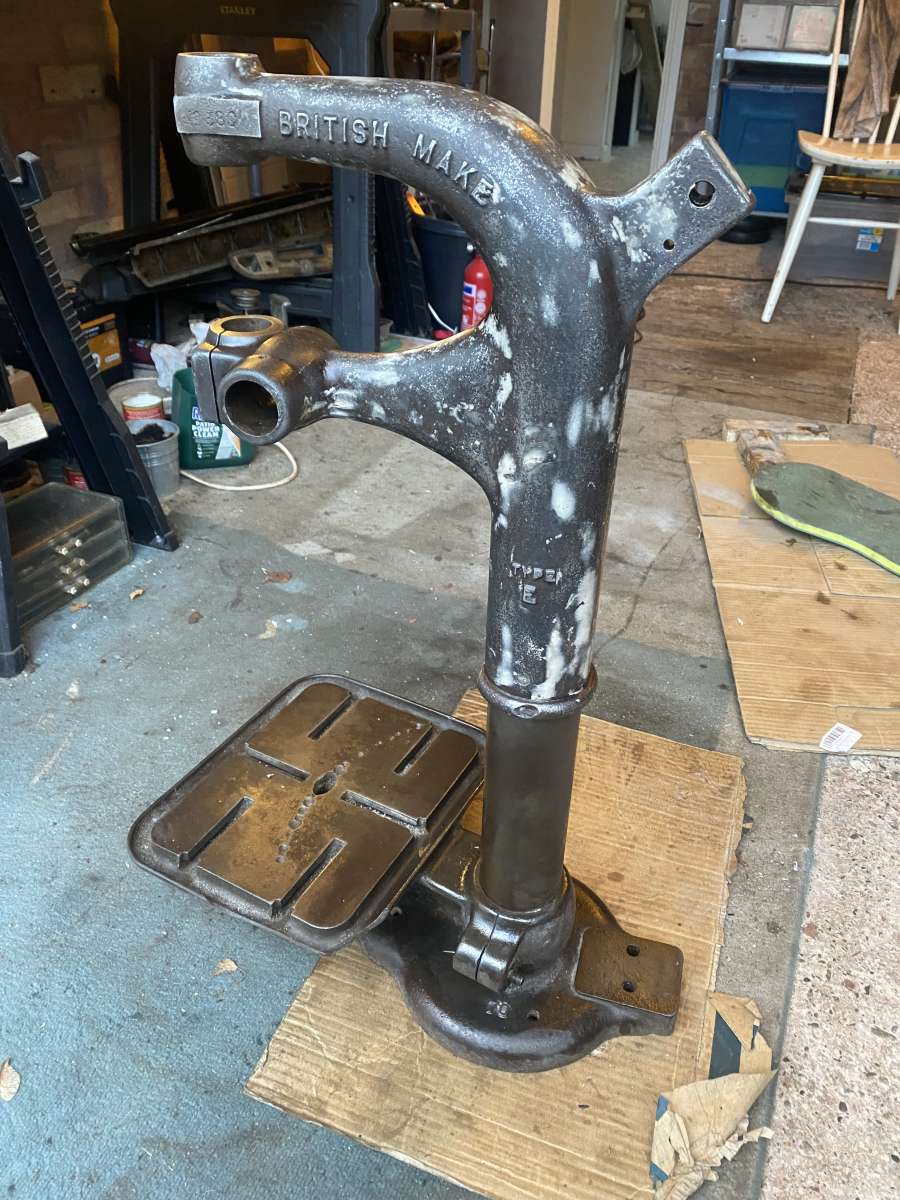
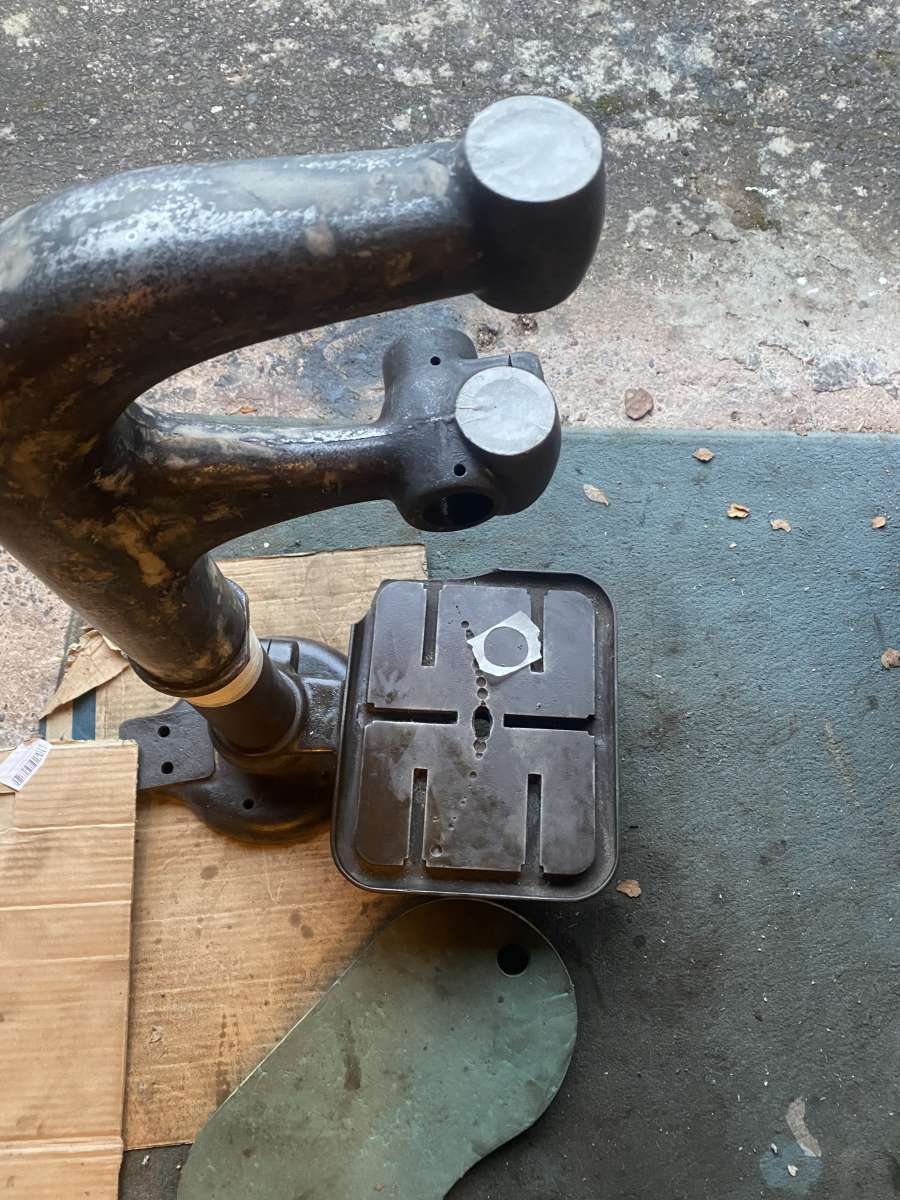
 </p>
</p> JohnF
JohnF Andrew Tinsley
 Mark Salzedo 1
 Dave Wootton
 Roger King 1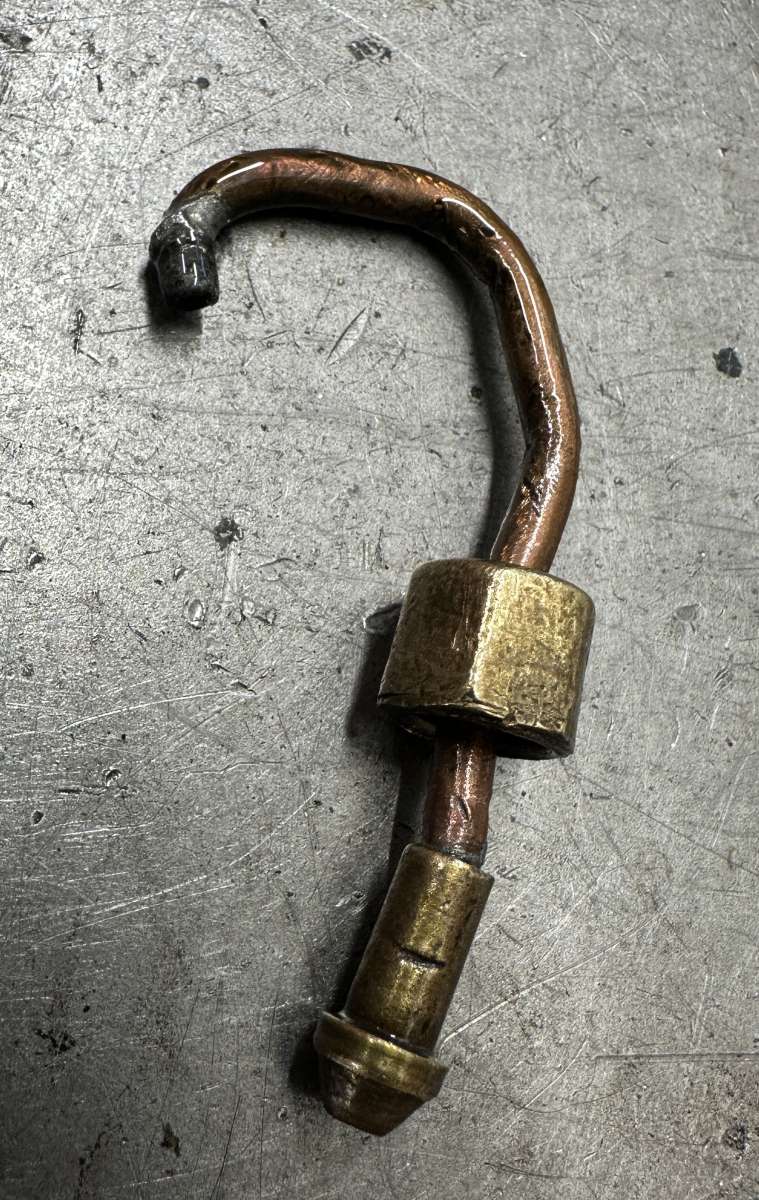
 glynboy12

 John Purdy
 Paul McDonough
 William Ayerst
 Colin Reed
 Ramon Wilson
 SillyOldDuffer
Latest Replies
-
- Topic
- Voices
- Last Post
-
-
Gears
Started by:
Franco Convertini
in: General Questions
- 6
-
8 October 2026 at 00:41
duncan webster 1
-
Minnie Traction Engine – Damper Hinge Plate
Started by:
Dominic Bramley
in: Traction engines
- 5
-
7 October 2026 at 23:51
Richard B
-
Moving Targets
Started by:
Michael Gilligan
in: The Tea Room
- 3
-
7 October 2026 at 23:28
duncan webster 1
-
Reverting An ML7 To Change-Wheels: Any Thoughts??
1
2
3
Started by:
Nigel Graham 2
in: Manual machine tools
- 20
-
7 October 2026 at 23:17
Nigel Graham 2
-
What Did You Do Today 2026
1
2
…
8
9
Started by:
JasonB
in: The Tea Room
- 52
-
7 October 2026 at 22:19
Mark Rand
-
Tom Senior small vertical head axial play
Started by:
chris1984
in: Manual machine tools
- 2
-
7 October 2026 at 22:15
Kiwi Bloke
-
Window weights as a source of cast iron.?
Started by:
File Handle
in: Materials
- 16
-
7 October 2026 at 22:06
Bazyle
-
Locomotion No 1 – plans
Started by:
Bob Wild
in: Help and Assistance! (Offered or Wanted)
- 3
-
7 October 2026 at 21:31
Nicholas Farr
-
Liney RV-2 Rescue
Started by:
JasonB
in: Stationary engines
- 1
-
7 October 2026 at 20:17
JasonB
-
Parkside Electronics
Started by:
Clive Steer
in: General Questions
- 8
-
7 October 2026 at 20:06
Robert Atkinson 2
-
Tom Senior small vertical head axial play
Started by:
chris1984
in: Manual machine tools
- 1
-
7 October 2026 at 20:05
chris1984
-
A nice Lidl improvement … ULGD 5.0 E4
Started by:
Michael Gilligan
in: Electronics in the Workshop
- 3
-
7 October 2026 at 19:07
peak4
-
Leeky diverter valve on a ‘telephone’ style bath/shower mixer tap
Started by:
jon hill 3
in: Related Hobbies including Vehicle Restoration
- 9
-
7 October 2026 at 17:16
jon hill 3
-
Current Thoughts on 3 Phase Smart Meters
Started by:
Colin Heseltine
in: The Tea Room
- 5
-
7 October 2026 at 16:28
howardb
-
Where is it all going? Claude – CAD – product
Started by:
Mike Hurley
in: CAD – Technical drawing & design
- 9
-
7 October 2026 at 13:57
David Senior
-
Myford ML7 gearbox and how it affects metric change wheels.
Started by:
philml7
in: Introduce Yourself – New members start here!
- 8
-
7 October 2026 at 13:00
Nigel Graham 2
-
Turbo 90 welding set
Started by:
Michael Callaghan
in: Workshop Tools and Tooling
- 5
-
7 October 2026 at 11:44
jon hill 3
-
Picomite Version 7 – better than Arduino?
Started by:
IanT
in: Electronics in the Workshop
- 6
-
7 October 2026 at 11:21
peter1972
-
New Member
Started by:
starjump
in: Introduce Yourself – New members start here!
- 1
-
7 October 2026 at 10:40
starjump
-
Hello everyone
Started by:
andrew998
in: Introduce Yourself – New members start here!
- 3
-
7 October 2026 at 10:22
noel shelley
-
Hemholtz coil positioning
Started by:
John Purdy
in: Clocks and Scientific Instruments
- 2
-
7 October 2026 at 06:07
John Haine
-
Portoss lathe – new to me.
Started by:
File Handle
in: Beginners questions
- 6
-
7 October 2026 at 00:15
Nigel Graham 2
-
Blank posts in forum
Started by:
Mark Rand
in: New Forum Software questions, comments and Test Threads
- 5
-
6 October 2026 at 18:32
JasonB
-
Stuart 10V conn rod
Started by:
Neil A
in: Materials
- 7
-
6 October 2026 at 17:41
Mick Bailey
-
5 inch gauge Stirling single injector position
Started by:
Michael Callaghan
in: Locomotives
- 2
-
6 October 2026 at 17:33
Baz
-
Gears
 Franco Convertini
  duncan webster 1
 Dominic Bramley
  Richard B
 Michael Gilligan
  Nigel Graham 2
  JasonB
  Mark Rand
 chris1984
  Kiwi Bloke
 File Handle
  Bazyle
 Bob Wild
  Nicholas Farr
 Clive Steer
  Robert Atkinson 2
 peak4
peak4 jon hill 3
  Colin Heseltine
  howardb
 Mike Hurley
  David Senior
 philml7
  Michael Callaghan
  IanT
IanT  peter1972
 starjump
  andrew998
  noel shelley
 John Purdy
  John Haine
 Neil A
  Mick Bailey
 Baz
BazLatest Issue
Newsletter Sign-up
Latest Replies

