fusible belt making

fusible belt making

Home Forums Manual machine tools fusible belt making

Viewing 25 posts - 1 through 25 (of 48 total)
  • Author
    Posts
  • #838714
    Henry Rancourt
    Participant
      @henryrancourt22682

      I’m about to make my first fusible lathe belt and have read two ways to cut the belt. One is cutting at a 90 deg. angle and the other is cutting at an angle, maybe 45 deg.s, which creates a larger joint surface. Is one cut considered better than the other?

      #838717
      bernard towers
      Participant
        @bernardtowers37738

        I personally cut mine straight as recommended by the guy who sells it at MMEX

        #838738
        Andrew Tinsley
        Participant
          @andrewtinsley63637

          Always cut mine at 90 degrees. Never had a failure yet. It is also much simpler to effect the join using simple V blocks.

          #838742
          Dave Wootton
          Participant
            @davewootton

            I have tried the 45 deg method which was recommended to me as having a greater contact area and got in a right mess trying to align it all resulting in dreadful joints with no strength at all. Have always used the 90 deg method since, much easier to align and the belts have been in regular use on an old Champion drill and Kennet grinder with no failures.

            #838746
            Michael Gilligan
            Participant
              @michaelgilligan61133

              +1 for the simple 90°

              MichaelG.

              #838751
              Macolm
              Participant
                @macolm

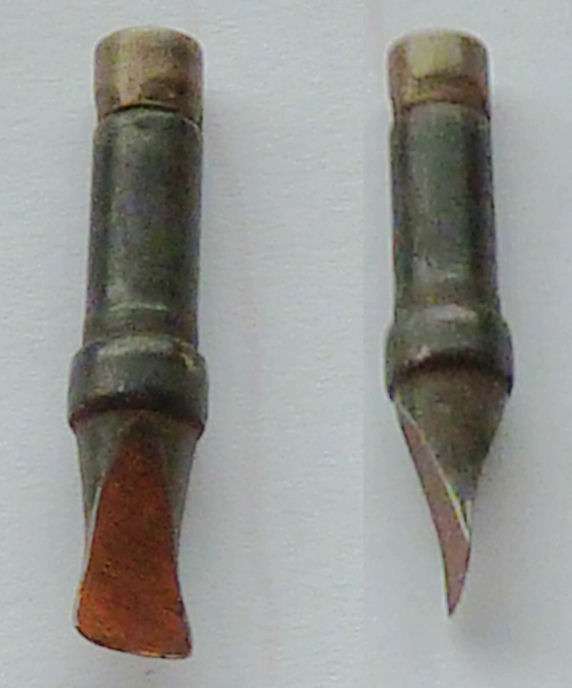
                I have had good success with the modified soldering iron tip shown below, of course heated in the soldering iron. Hold the soldering iron in a suitable clamp. Both ends of the belt material are straight cut, then briefly applied either side of the blade then slid down to meld together at the knife edge. This ensures the weld line is unoxidised plastic. Best make the belt a bit long to allow a couple of trial welds to practice aligning the edges. Trim flash with a sharp scalpel or with side cutters.


                SoldrTip

                #838755
                Dave Halford
                Participant
                  @davehalford22513

                  I choose some of this for an inboard 40 irvine glo after quickly loosing a rubber starting belt to fuel rot.

                  As above melted on a soldering iron only just the standard bit, works OK just stop heating before it goes black. I made a spare that I never used, resisted Castor oil methanol and significant tension.

                  #838799
                  Nicholas Farr
                  Participant
                    @nicholasfarr14254

                    Hi, in my last day job, when we were on a shutdown job in a local factory, I showed their routine maintenance crew, how to joint their 3/8″ diameter round roller conveyer drive belt, just like this demonstration piece, using my scraper made from an old power saw blade, shown in the photo below.

                    Belt weld

                    I just used one of those Butane/Propane torches to heat the blade, held the belt on each side long enough, and then slide the ends off the side together, and held them in line until they cooled.

                    Regards Nick.

                    #838818
                    Henry Rancourt
                    Participant
                      @henryrancourt22682

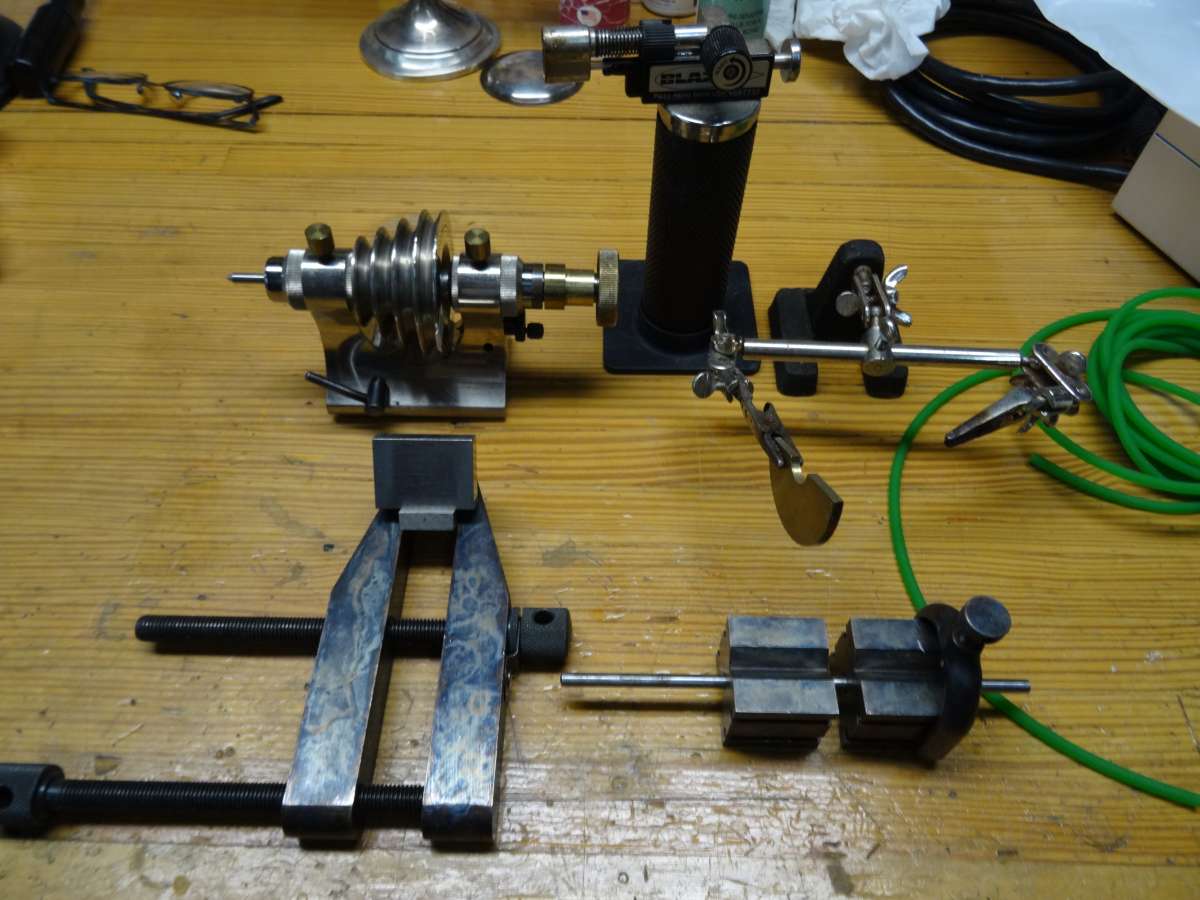
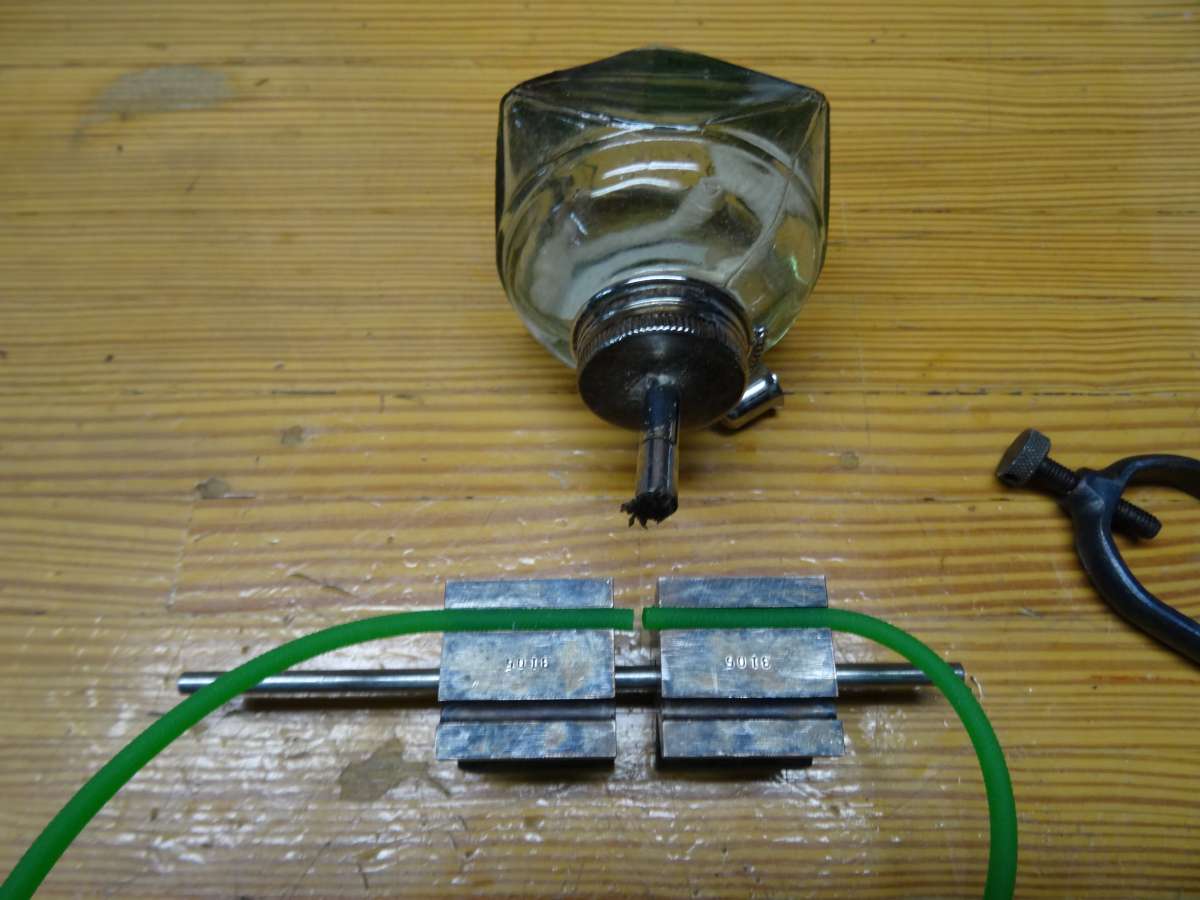
                      I’ve read that some are using CA super glue and they say it works well. So I have setup a couple of options, one for welding and one for gluing. And the glue and matched pair of vee blocks connected by a dowel would be a simple process and provide good alignment. Has anyone used the glue process and is joint strong enough for a watchmakers lathe?

                      DSC00850

                      #838820
                      Michael Gilligan
                      Participant
                        @michaelgilligan61133

                        Not tried it … The belting material was designed for ‘fusing’ and that’s always worked for me.

                        CA is, however, commonly used when making O-rings in custom sizes.

                        MichaelG.

                        .

                        Ref: __ https://docs.rs-online.com/b5a8/A700000007104938.pdf

                        #838825
                        bernard towers
                        Participant
                          @bernardtowers37738

                          The only problem with s/glue joints is they are hard so the constant bending round the pulleys cant be good for a long life. My fused belt on my UPT has been there for about 5 years and the one on the Taig about 3 years

                          #838830
                          Michael Gilligan
                          Participant
                            @michaelgilligan61133


                            ^^^ That’s why they are jointed at 90°

                            The joint is then radial to the pulley, and experiences very little bending

                            MichaelG.

                            #838853
                            Mark Rand
                            Participant
                              @markrand96270

                              I would comment from my own experience, that if you are manually holding the belt ends together then hold it for far longer than you think it needs! It seems to take a while for the PU belt to recrystallize all the way through with any thickness of belt. If you’ve got a clamped jig then it’s the same but less wear and tear on the fingers. 🙂

                              #838855
                              Henry Rancourt
                              Participant
                                @henryrancourt22682

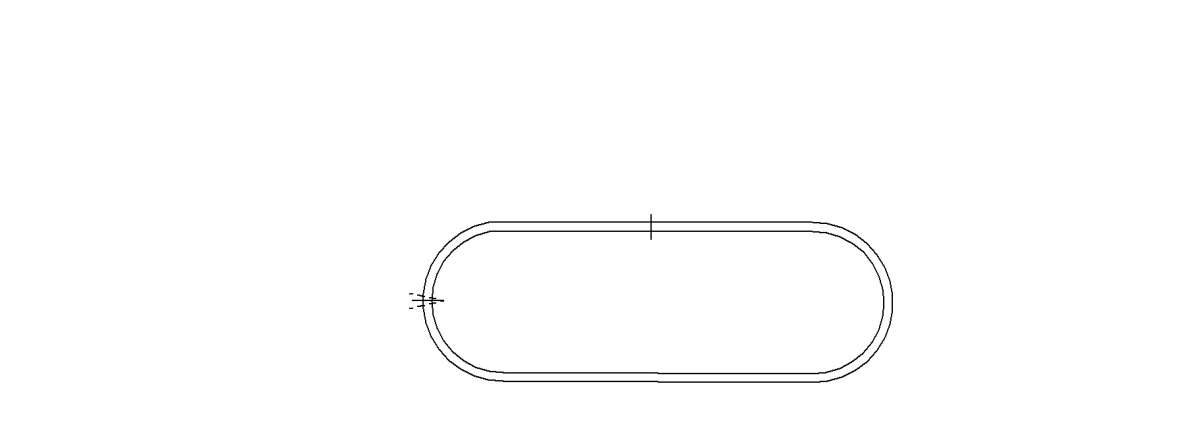
                                Not to be too picky but, from a purely mechanical perspective, I made the attached sketch to envision how a belt joint going around the pulley would be effected by a bending or unequal stretching force, and while the belt is straight, between the pulleys, there is obviously no bending force at the joint. And the smaller the pulley diameter the more the bending force. Now I have no idea what this does to belt life, but it would seem a fused belt would last longer than a glued belt.lathe belt joint

                                #838860
                                Henry Rancourt
                                Participant
                                  @henryrancourt22682

                                  Making a polyurethane belt by joining the melted the surfaces reminded me of how we made titanium hollow fan blades for jet engines. We developed a process, called diffusion bonding that joined two halves of the airfoil, that produced an incredibly strong one piece airfoil. Each half has a very flat bond surface called the bond plane. They are laid, bond plan to bond plan, in a bond die, which is put in an enclosed high pressure, high temperature press. Heat and pressure are applied over time, forcing the molecules to flow across the bond planes, making it one piece. There are more steps to making it a finished airfoil. But bottom line, it seems joining the belts via heating is likely doing the same, which should provide the strongest connection possible.

                                  #838870
                                  renardiere7
                                  Participant
                                    @renardiere7

                                    Vis a vis your diffusion bonding then Henry, perhaps, as Mark suggests above, that pressure and time are just as important for PU belting.

                                    I have to say that any failures I have had I would put down to impatience.

                                    #838962
                                    Henry Rancourt
                                    Participant
                                      @henryrancourt22682

                                      I decided to use the vee blocks…great alignment and guiding to easily push the ends together with fingers. As I was trying to tweak the setup I noticed the clamp channels on the sides of the vee blocks. They are a perfect sliding fit for a 4mm belt, so using that with an alcohol lamp, it was very easy to get a strong joint.DSC00861

                                      #839067
                                      old mart
                                      Participant
                                        @oldmart

                                        Back in the eighties when superglue first came on the market and everybody stuck their fingers together, I made a drive belt for the firms clock and watch makers lathe out of 5/16″ diameter pitotstatic rubber tube we had in stock for overhauling Smiths pitostatic test sets. The superglue joined the tube perfectly to replace the worn out leather belts for the lathe and was still ok after several years.

                                        Modern superglue may not work with o ring rubber, it may require a special type.

                                        #839087
                                        Henry Rancourt
                                        Participant
                                          @henryrancourt22682

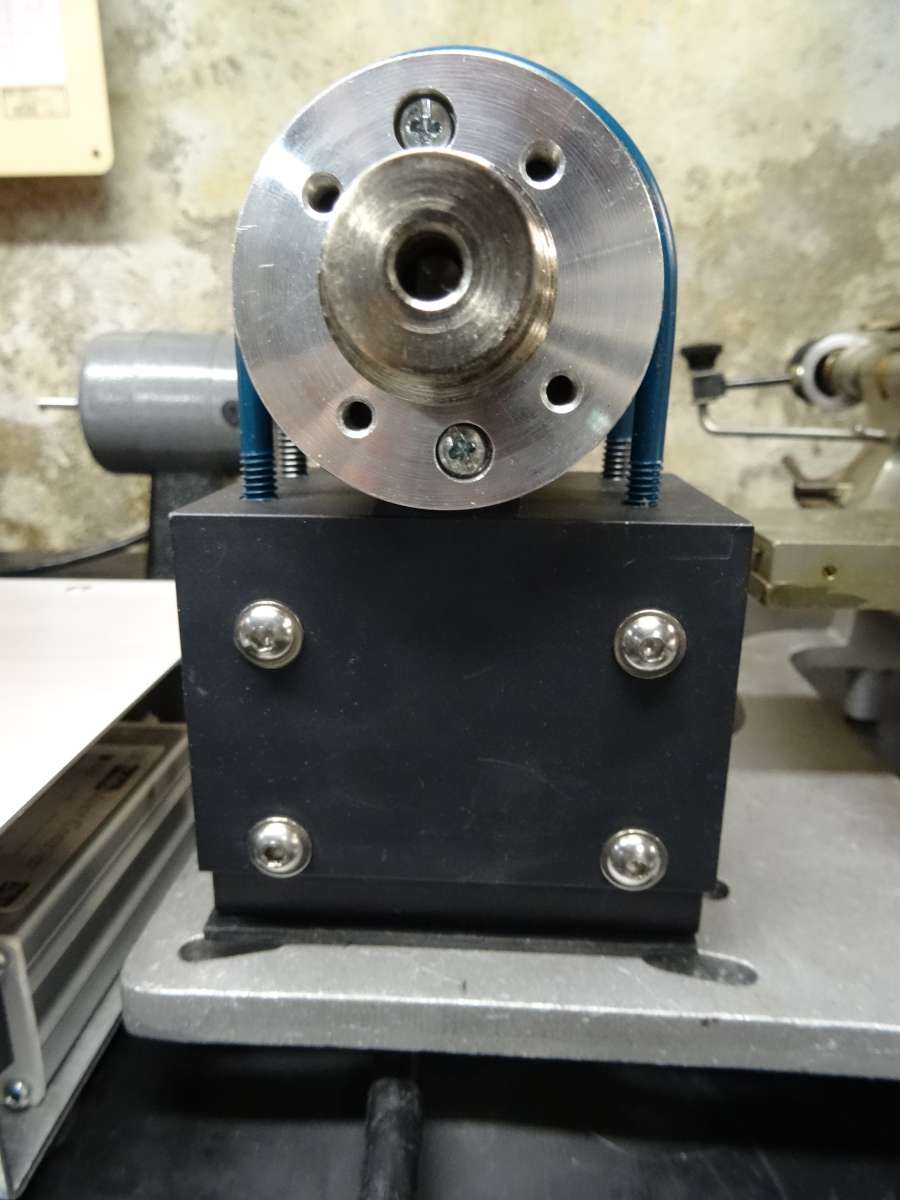
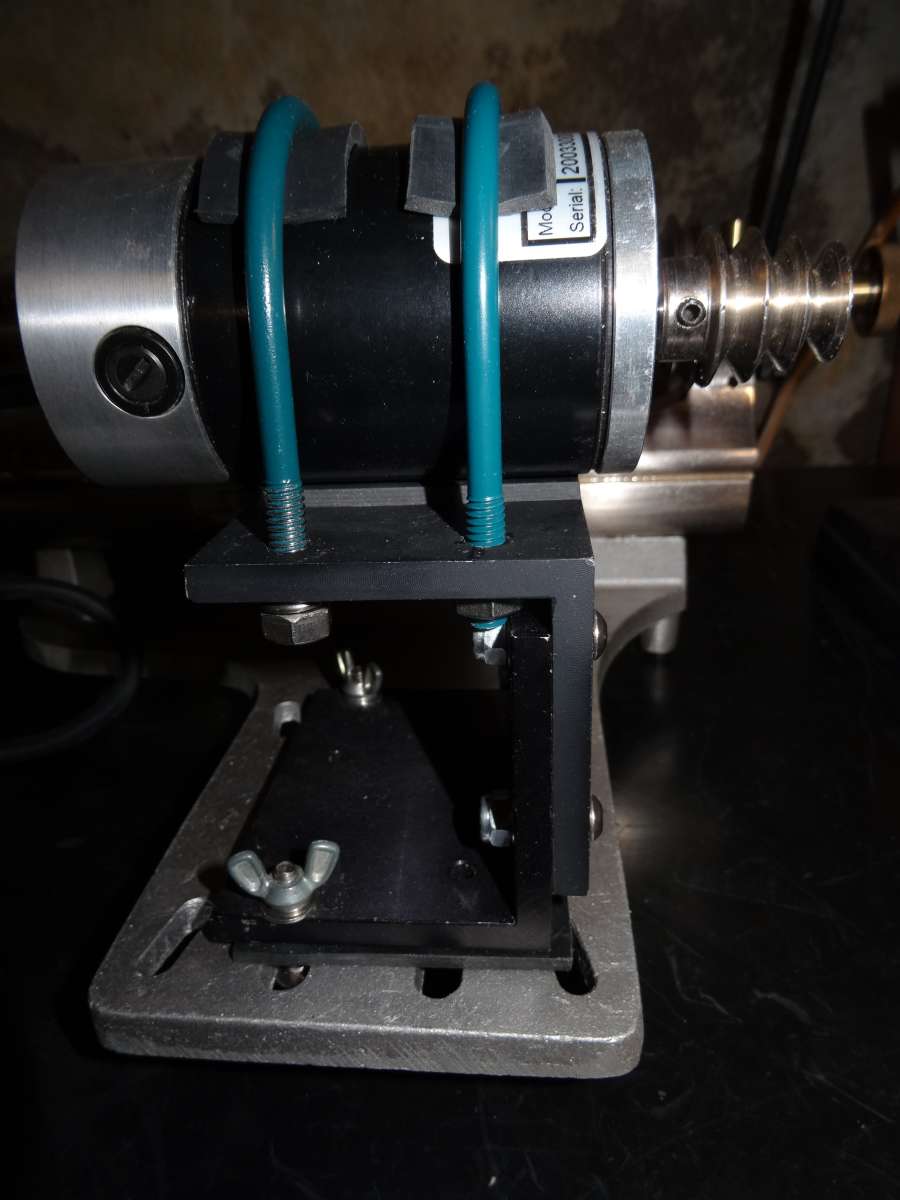
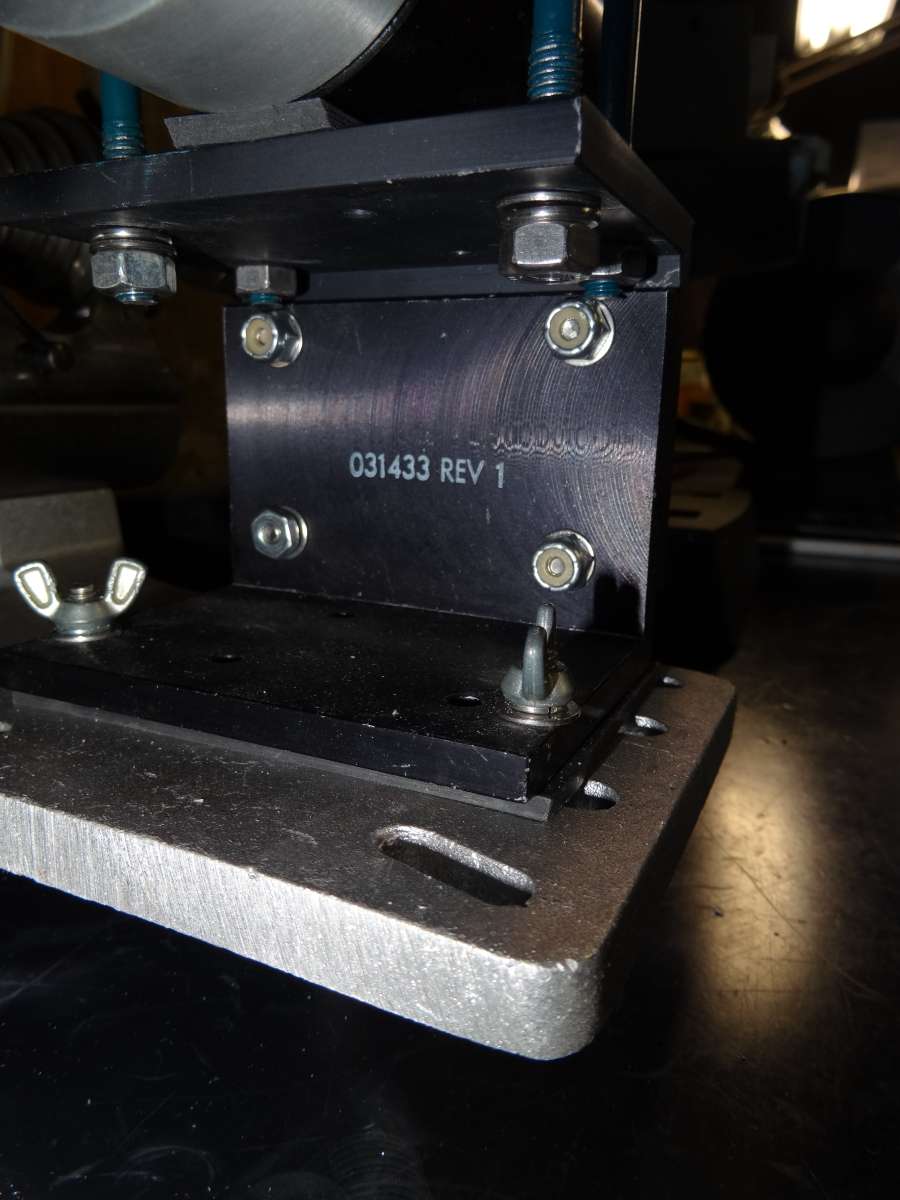
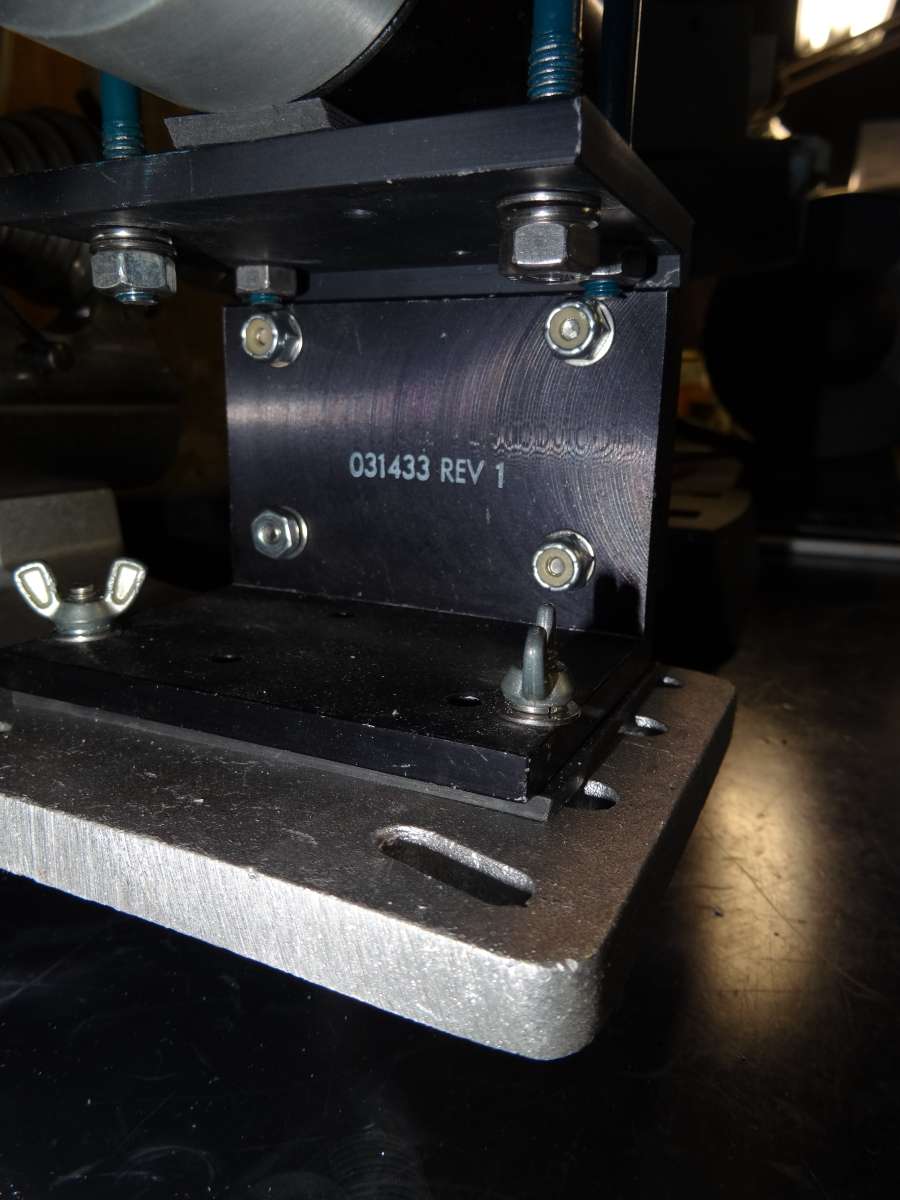
                                          I spent a few hours looking for a stand for my DC motor with no luck. So I built this stand using two standard L blocks, two U bolts, standard bolts, nuts and washers and some pieces of 1/8″ thick rubber. I drilled six holes in the L brackets, four in the top surface for the U blots, and two in the bottom surface for clamping the stand to the Borel base.

                                          To align the clamping holes for the L bracket with the long openings in the Borel base I placed the stand, with the motor mounted, on the base, put the belt on the motor and lathe pulleys, and moved the stand until the pulleys aligned and the belt was taught, and marked a spot so the holes, to be drilled, would be in the center of the long openings in the base, to allow movement so the belt can be kept taught when different pulleys are used.

                                          I also wanted the motor spindle to be close to the same height as the lathe spindle and using the four holes that came with the brackets got it within 1/4″ and the rubber pieces got it almost dead on. One piece of rubber was cut to match the foot print of the L bracket, and is between the Borel base and the bottom surface of the lower L bracket One piece is between the the upper L bracket and the motor, and two pieces are between the motor and the U bolts. I had to trim the threaded sections of the U bolts so just enough length would protrude through the bracket for the nuts. The result is a very quiet, vibration free setup.DSC00855


                                          DSC00859DSC00858

                                          #839088
                                          Henry Rancourt
                                          Participant
                                            @henryrancourt22682

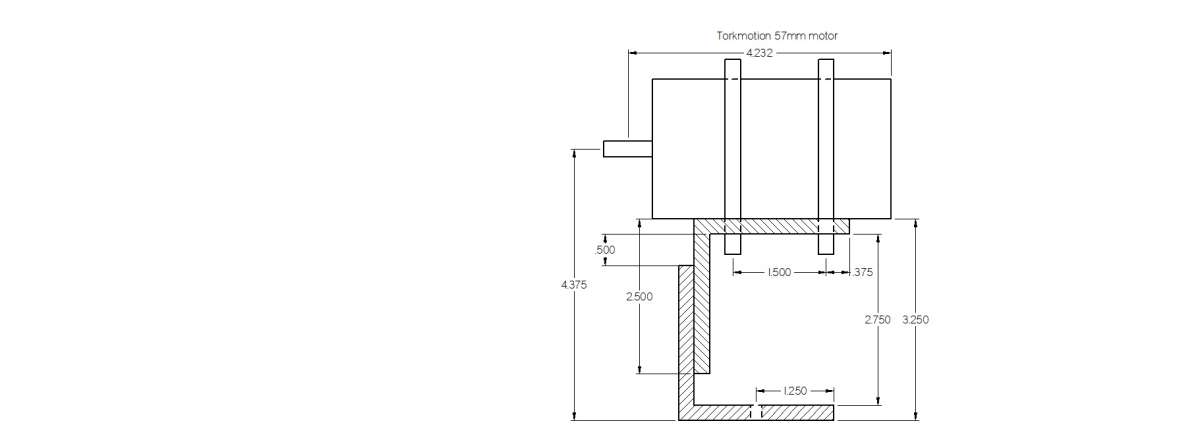
                                            The photo shoes how I assembled it, but the two brackets could also be positioned like the sketch, which will make putting the nuts and washers on the U bolts so much easier.DSC00858motor and stand

                                            #839113
                                            Henry Rancourt
                                            Participant
                                              @henryrancourt22682

                                              All the dimension are for my particular assembly plan and lathe. If someone wants build a similar stand the dimensions would have to be determined based on their assembly plan and lathe.

                                              #839115
                                              Paul Lousick
                                              Participant
                                                @paullousick59116

                                                I clamp a thin knife blade in a vice and heat the blade with a torch. Then take each end of the belt in your hands and touch the ends of the belt on the hot blade until they melt.

                                                Then slide them off the knife and join together until they bond. Trim any excess melted belt with a razor blade and sand smooth. Very easy to keep the ends aligned but you could also use a jig.

                                                #839117
                                                jimmy b
                                                Participant
                                                  @jimmyb
                                                  On Paul Lousick Said:

                                                  I clamp a thin knife blade in a vice and heat the blade with a torch. Then take each end of the belt in your hands and touch the ends of the belt on the hot blade until they melt.

                                                  Then slide them off the knife and join together until they bond. Very easy to keep both ends aligned. Trim any excess melted belt with a razor blade and sand smooth.

                                                  <p style=”text-align: left;”>I do exactly the same.</p>
                                                  Nail clippers are also good for trimming up.

                                                  Jimb

                                                  #839139
                                                  bernard towers
                                                  Participant
                                                    @bernardtowers37738

                                                    My trimming is done on the linisher rolling the belt as I go


                                                    #839240
                                                    Nigel Graham 2
                                                    Participant
                                                      @nigelgraham2

                                                      Henry –

                                                      U-bolts for holding the motor. Neat idea!

                                                    Viewing 25 posts - 1 through 25 (of 48 total)
                                                    • Please log in to reply to this topic. Registering is free and easy using the links on the menu at the top of this page.

                                                    Latest Replies

                                                    Home Forums Manual machine tools Topics

                                                    Viewing 25 topics - 1 through 25 (of 25 total)
                                                    Viewing 25 topics - 1 through 25 (of 25 total)

                                                    View full reply list.