

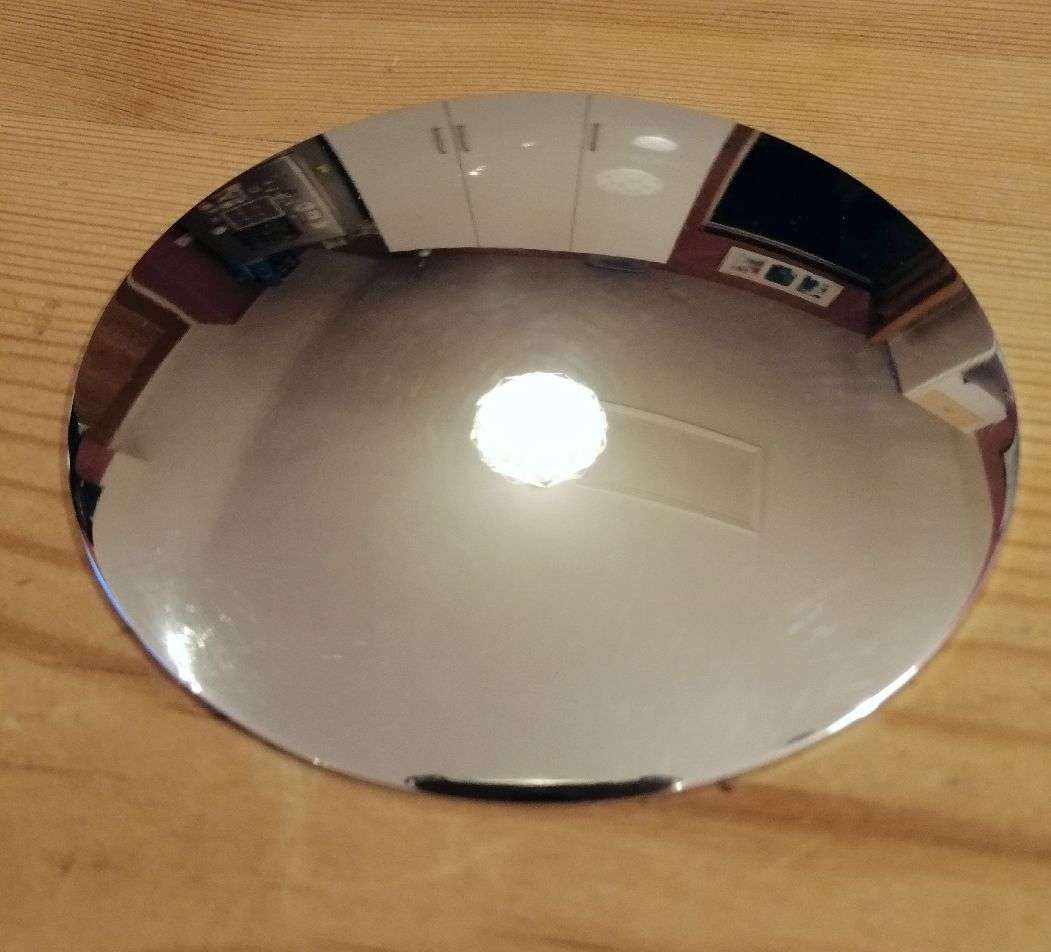
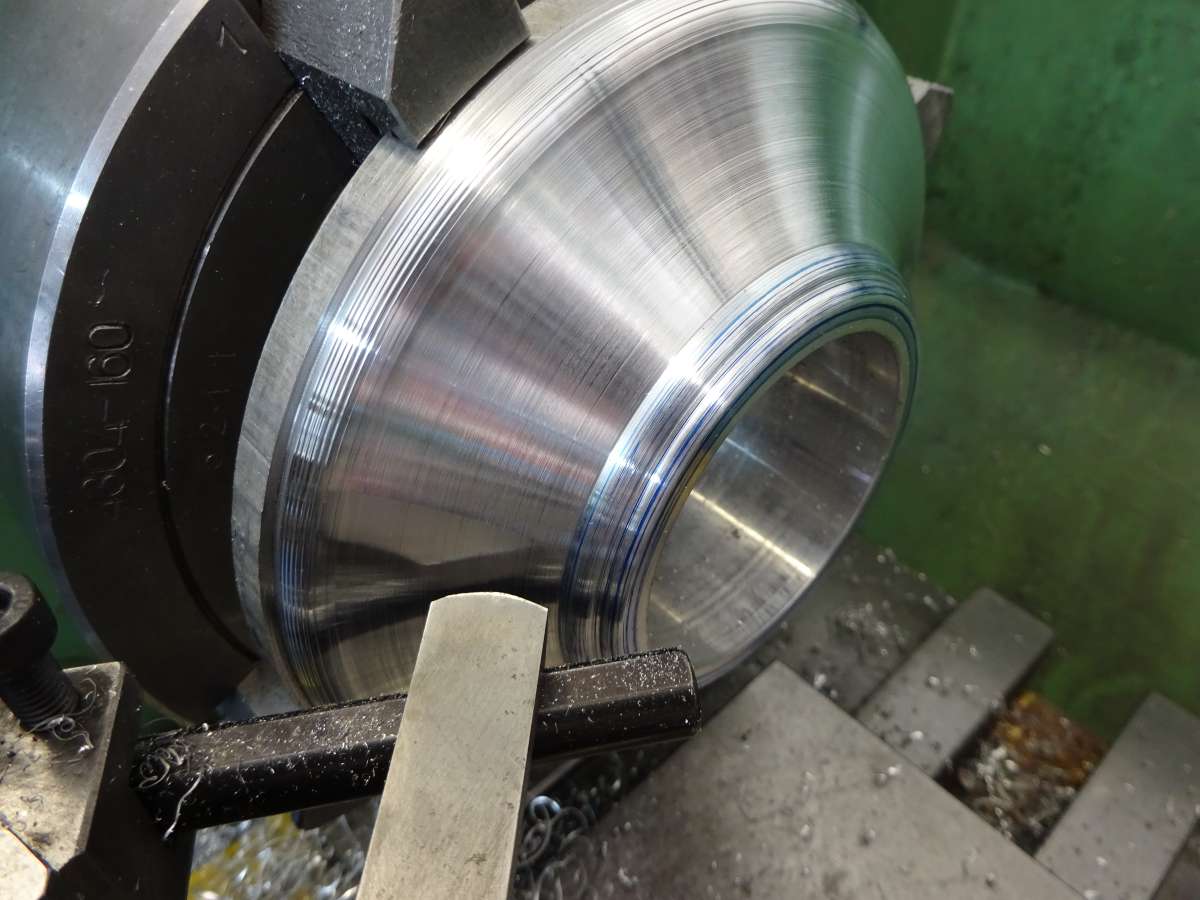
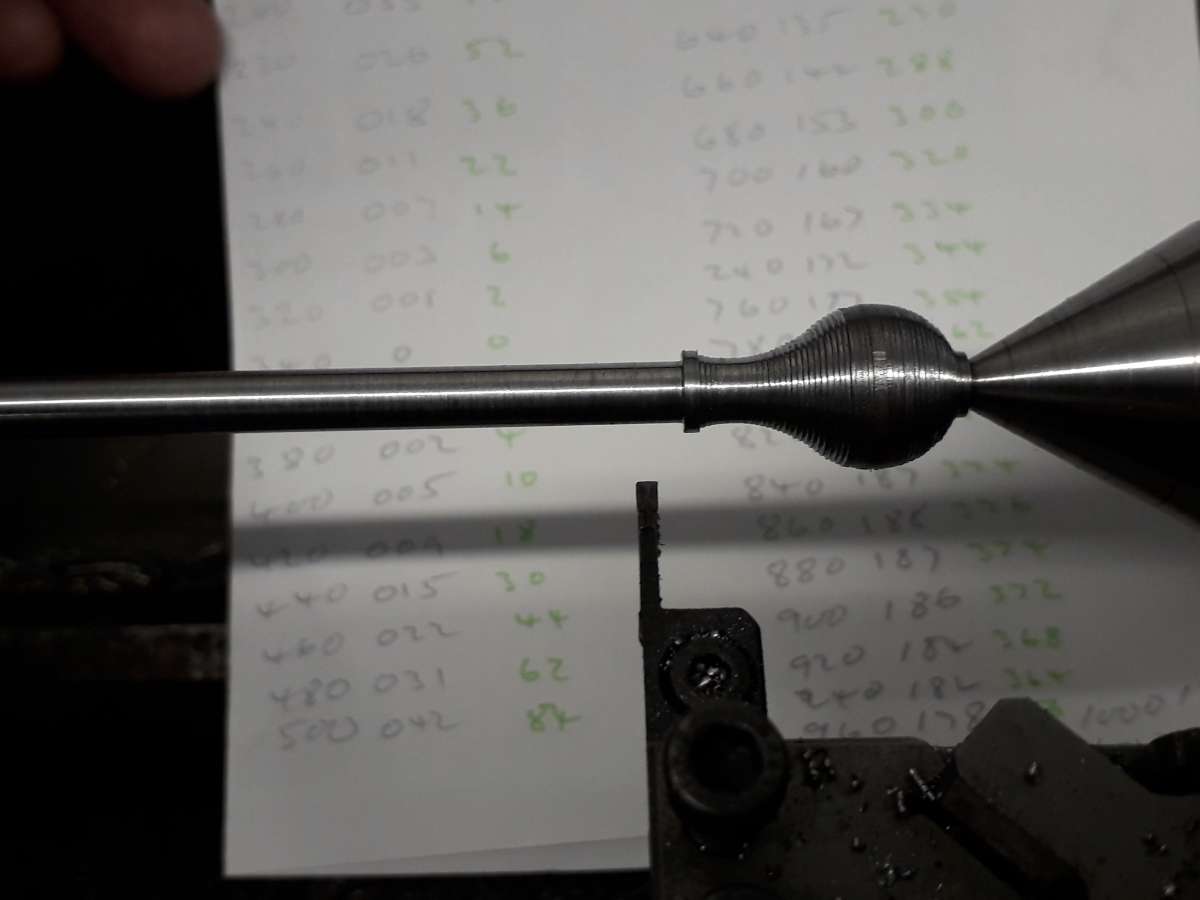
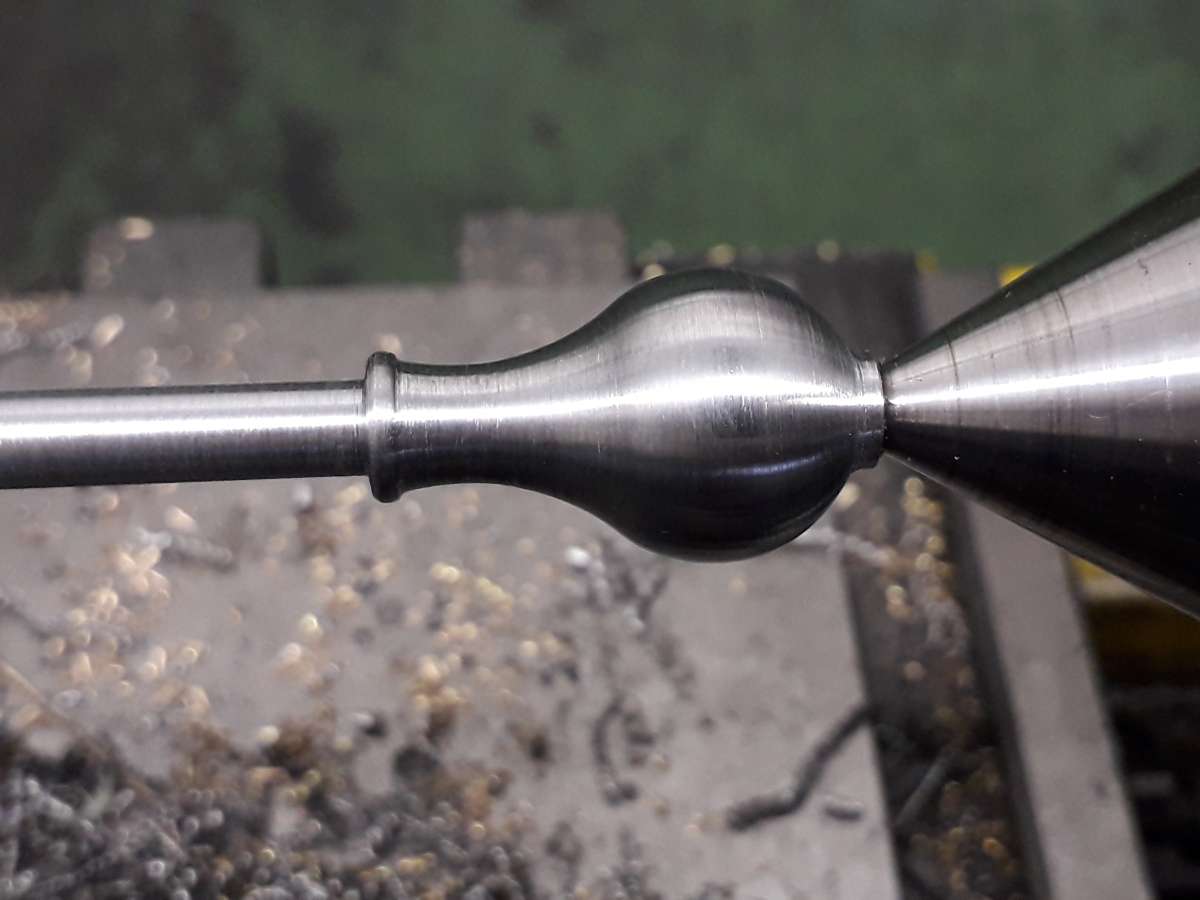
Lathe set up for machining large radii using cross slide profile follower
Lathe set up for machining large radii using cross slide profile follower
- This topic has 31 replies, 15 voices, and was last updated 7 March 2026 at 08:23 by
 Andrew Crow.
 Andrew Crow.
 Greensands
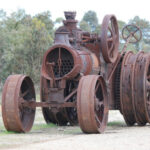 Dave Halford
 Diogenes
 Clive Foster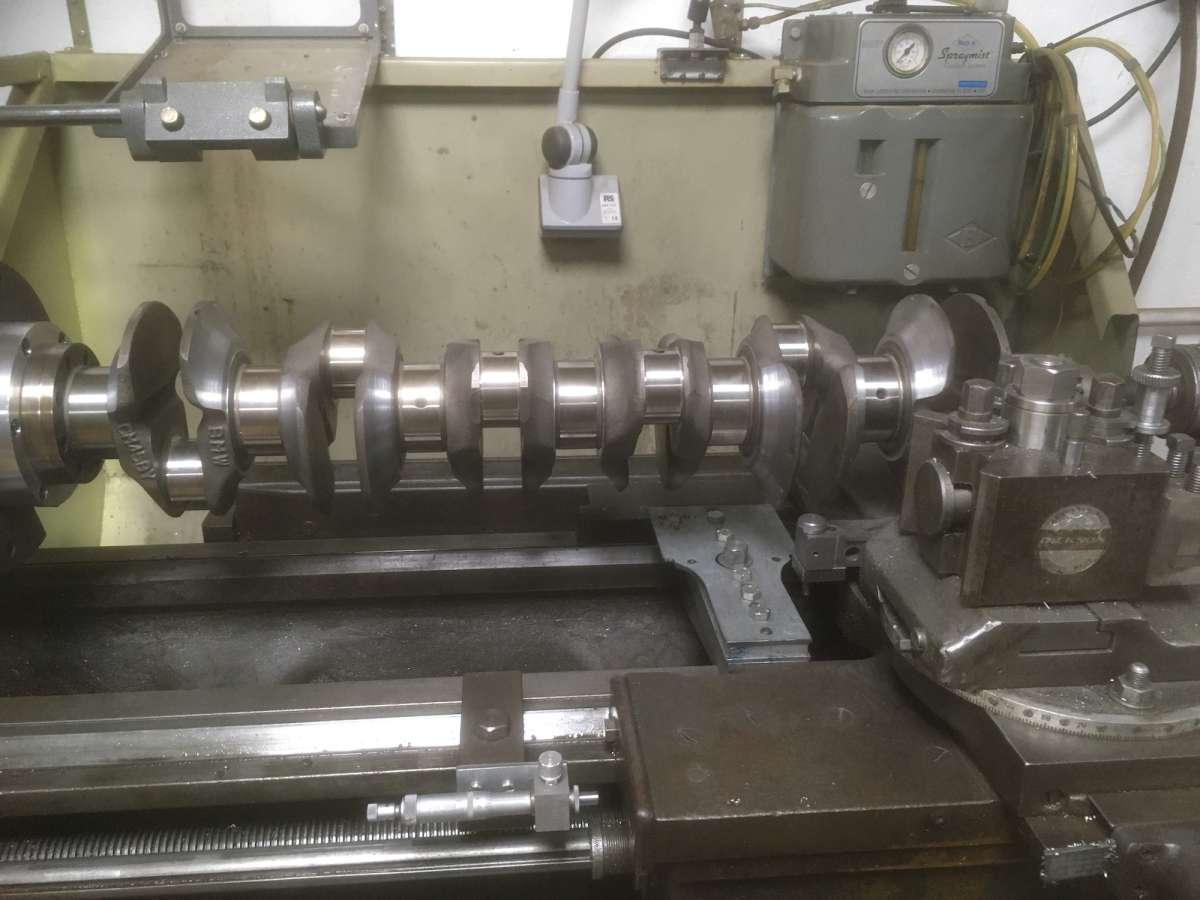
 Ian P
Ian P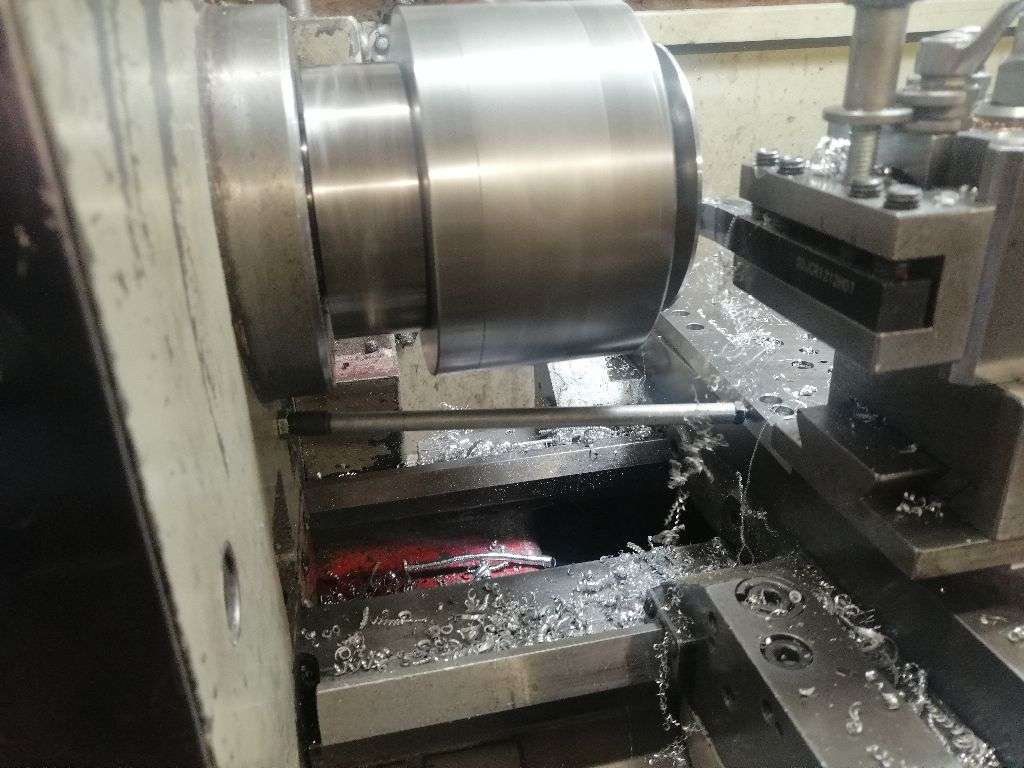 Radius bar (pointed at each end) visible below chuck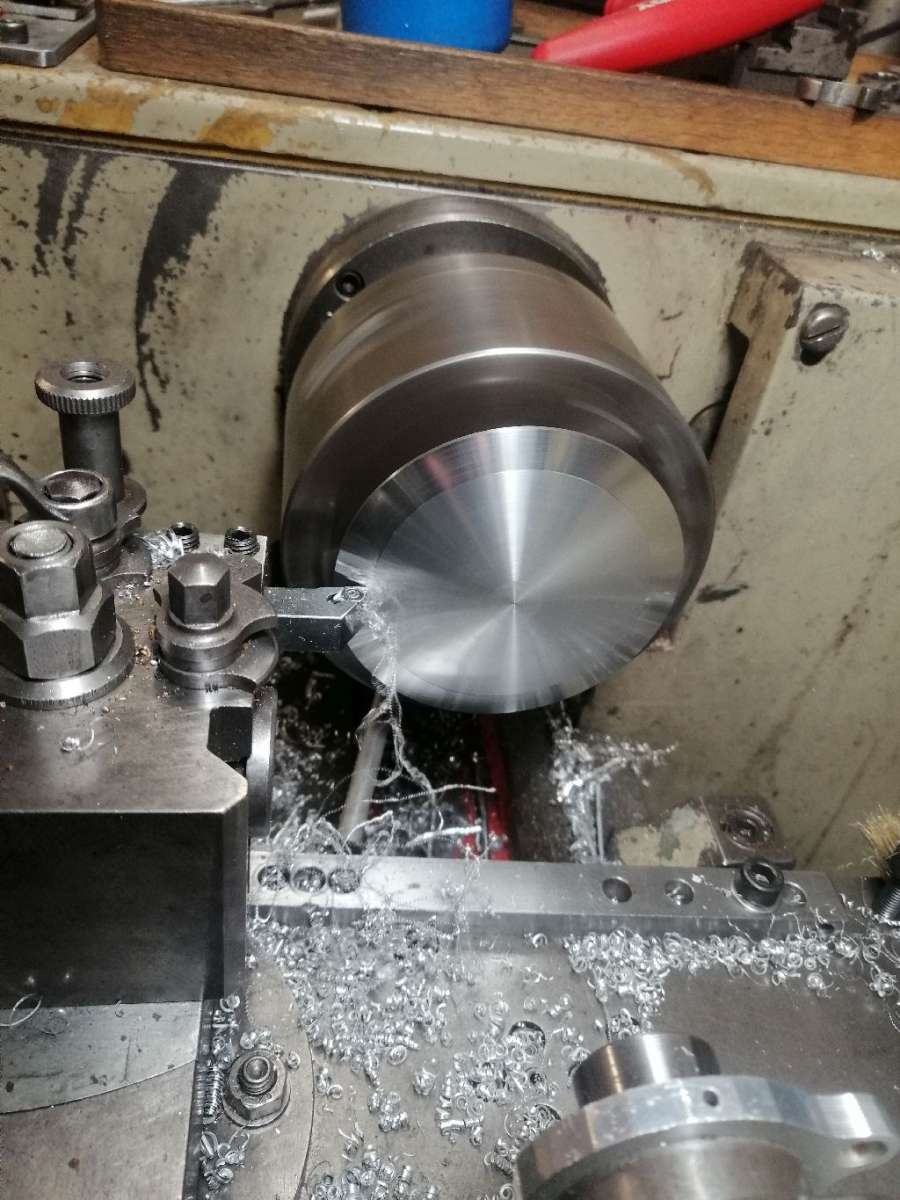
 Bazyle
 JasonB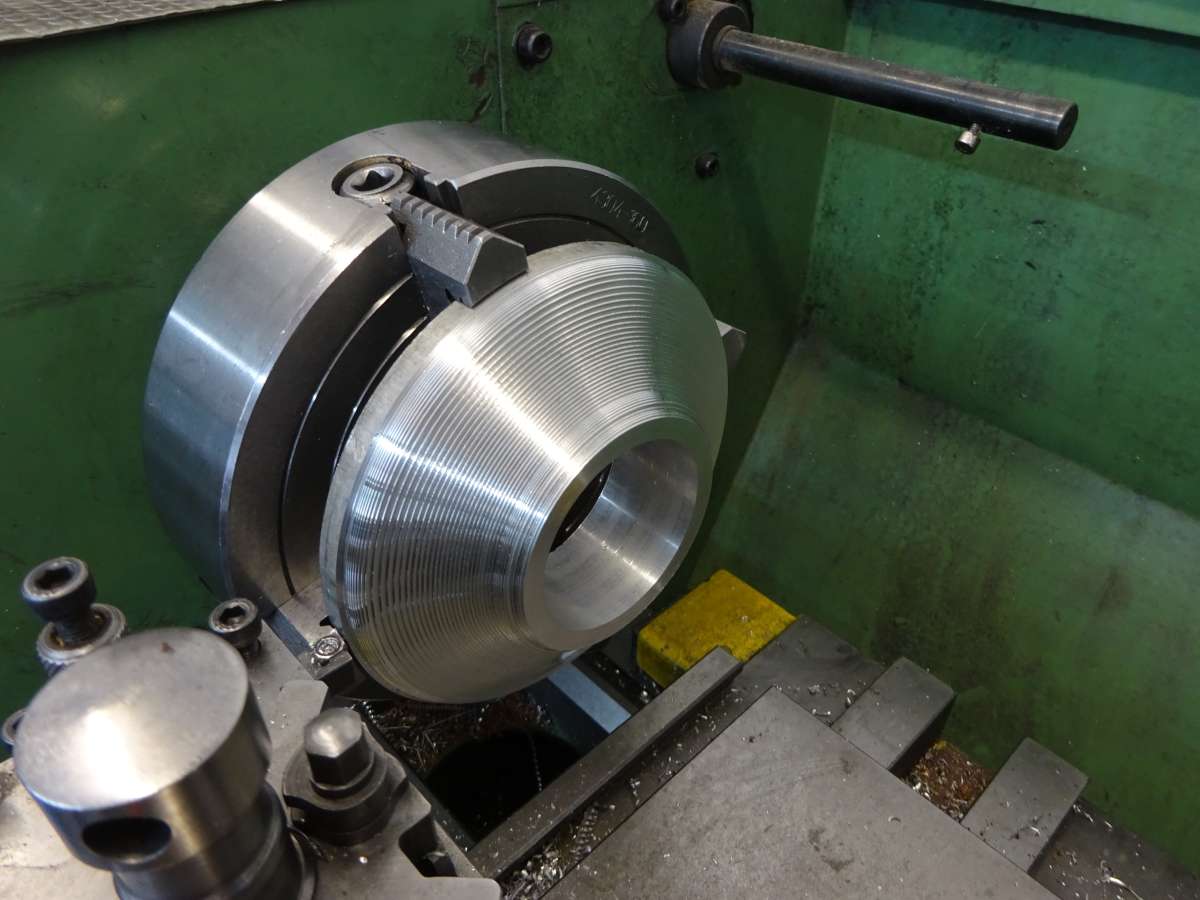
 Julie Ann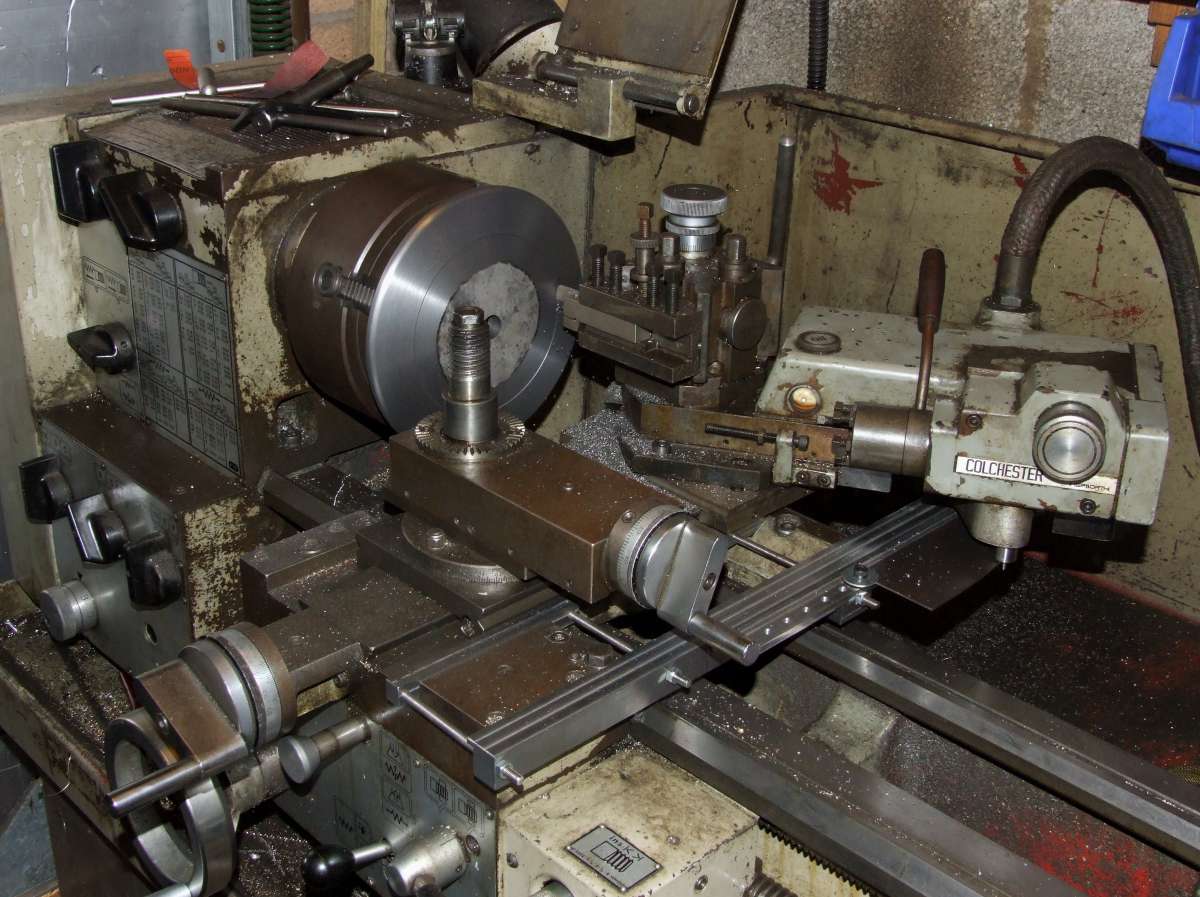
 Andrew Crow
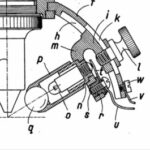 Michael Gilligan
 JohnF
JohnF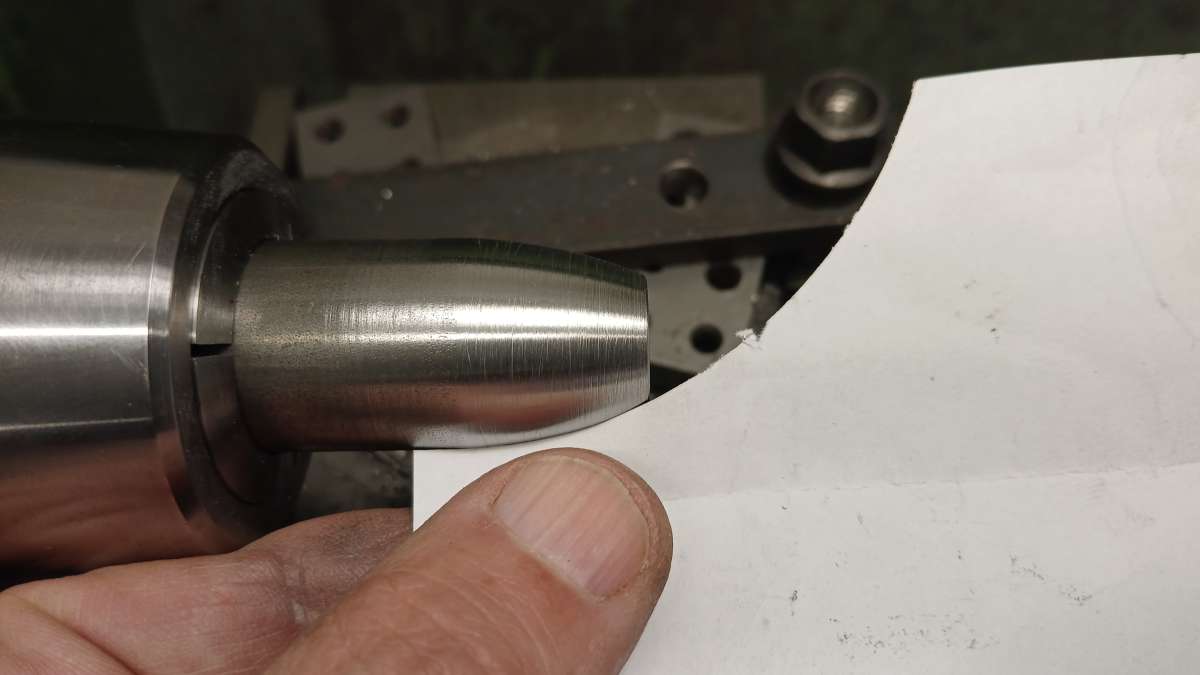
- Please log in to reply to this topic. Registering is free and easy using the links on the menu at the top of this page.
Latest Replies
-
- Topic
- Voices
- Last Post
-
-
Picomite Version 7 – better than Arduino?
Started by:
IanT
in: Electronics in the Workshop
- 5
-
6 October 2026 at 18:43
Dave S
-
Blank posts in forum
Started by:
Mark Rand
in: New Forum Software questions, comments and Test Threads
- 5
-
6 October 2026 at 18:32
JasonB
-
Window weights as a source of cast iron.?
Started by:
File Handle
in: Materials
- 2
-
6 October 2026 at 18:29
noel shelley
-
Portoss lathe – new to me.
Started by:
File Handle
in: Beginners questions
- 6
-
6 October 2026 at 17:55
File Handle
-
Stuart 10V conn rod
Started by:
Neil A
in: Materials
- 7
-
6 October 2026 at 17:41
Mick Bailey
-
Myford ML7 gearbox and how it affects metric change wheels.
Started by:
philml7
in: Introduce Yourself – New members start here!
- 3
-
6 October 2026 at 17:34
Nigel Graham 2
-
5 inch gauge Stirling single injector position
Started by:
Michael Callaghan
in: Locomotives
- 2
-
6 October 2026 at 17:33
Baz
-
Hemholtz coil positioning
Started by:
John Purdy
in: Clocks and Scientific Instruments
- 2
-
6 October 2026 at 17:19
John Purdy
-
Liney RV-2 Rescue
Started by:
JasonB
in: Stationary engines
- 1
-
6 October 2026 at 16:37
JasonB
-
Leeky diverter valve on a ‘telephone’ style bath/shower mixer tap
Started by:
jon hill 3
in: Related Hobbies including Vehicle Restoration
- 6
-
6 October 2026 at 16:32
Grindstone Cowboy
-
Hello everyone
Started by:
andrew998
in: Introduce Yourself – New members start here!
- 2
-
6 October 2026 at 16:24
Grindstone Cowboy
-
Current Thoughts on 3 Phase Smart Meters
Started by:
Colin Heseltine
in: The Tea Room
- 1
-
6 October 2026 at 15:49
Colin Heseltine
-
Problem firing up
Started by:
Michael Callaghan
in: General Questions
- 13
-
6 October 2026 at 15:45
Bazyle
-
Drilling accurate depth holes
1
2
Started by:
Bob Sillitoe
in: Beginners questions
- 15
-
6 October 2026 at 14:14
Bob Sillitoe
-
Where is it all going? Claude – CAD – product
Started by:
Mike Hurley
in: CAD – Technical drawing & design
- 9
-
6 October 2026 at 13:58
Andy Stopford
-
Indiana ME Show 26
Started by:
JasonB
in: Exhibitions, Shows and Club Events
- 3
-
6 October 2026 at 11:53
Weary
-
FORNCETT STEAM MUSEUM 4th Oct 2026
Started by:
noel shelley
in: Exhibitions, Shows and Club Events
- 4
-
6 October 2026 at 08:22
mike barrett 1
-
Cross Drilling Jigs
Started by:
peak4
in: Workshop Tools and Tooling
- 9
-
5 October 2026 at 18:50
old mart
-
Preview of whats coming in Freecad 26.3
Started by:
Russell Eberhardt
in: CAD – Technical drawing & design
- 4
-
5 October 2026 at 16:09
Russell Eberhardt
-
My adventures with a bench top CNC mill
1
2
3
4
Started by:
John Hinkley
in: CNC machines, Home builds, Conversions, ELS, automation, software, etc tools
- 9
-
5 October 2026 at 15:04
John Hinkley
-
Midlands Model Engineering Exhibition, Thursday 15th to Sunday 18th October 2026
Started by:
Meridienne Exhibitions 1
in: Exhibitions, Shows and Club Events
- 4
-
5 October 2026 at 10:12
Meridienne Exhibitions 1
-
Interactive article on How Machines Learned Precision
Started by:
glinscott
in: Suggested Online Resources
- 6
-
5 October 2026 at 01:27
Pete
-
Warco WM180 Autofeed Speed
1
2
Started by:
James A
in: Workshop Tools and Tooling
- 13
-
4 October 2026 at 22:51
southernchap
-
Metric threads on a Myford super 7 with quick change gearbox?
Started by:
Keith Charters
in: Beginners questions
- 6
-
4 October 2026 at 16:14
howardb
-
Harrison L5 mk2 or not
Started by:
sean logie
in: Workshop Tools and Tooling
- 5
-
4 October 2026 at 15:59
sean logie
-
Picomite Version 7 – better than Arduino?
 IanT
IanT  Dave S
 Mark Rand
  JasonB
 File Handle
  noel shelley
 Neil A
  Mick Bailey
 philml7
  Nigel Graham 2
 Michael Callaghan
  Baz
Baz John Purdy
  jon hill 3
  Grindstone Cowboy
 andrew998
  Colin Heseltine
  Bazyle
 Bob Sillitoe
  Mike Hurley
  Andy Stopford
 Weary
Weary mike barrett 1
 peak4
peak4  old mart
 Russell Eberhardt
  John Hinkley
  Meridienne Exhibitions 1
  glinscott
  Pete
Pete James A
  southernchap
 Keith Charters
  howardb
 sean logie
 Latest Issue

Newsletter Sign-up
Latest Replies
- Picomite Version 7 – better than Arduino?
- Blank posts in forum
- Window weights as a source of cast iron.?
- Portoss lathe – new to me.
- Stuart 10V conn rod
- Myford ML7 gearbox and how it affects metric change wheels.
- 5 inch gauge Stirling single injector position
- Hemholtz coil positioning
- Liney RV-2 Rescue
- Leeky diverter valve on a ‘telephone’ style bath/shower mixer tap

