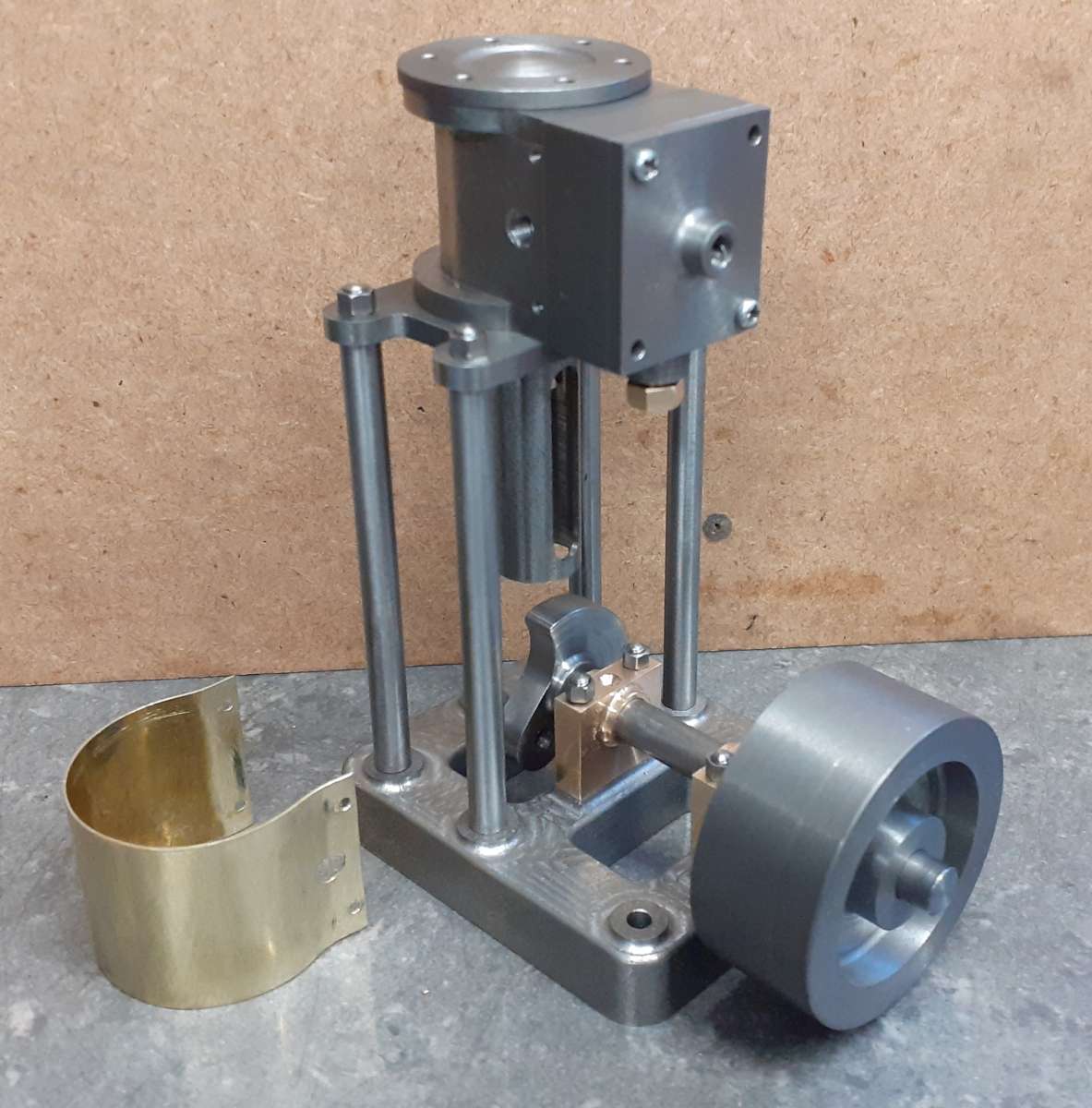
Constructing a model steam engine cylinder from smaller parts

Constructing a model steam engine cylinder from smaller parts

Home Forums Beginners questions Constructing a model steam engine cylinder from smaller parts

Viewing 9 posts - 1 through 9 (of 9 total)
  • Author
    Posts
  • #842628
    rustony
    Participant
      @rustony

      I’m not sure whether this question would be better suited to here, or one of the steam engine forums, but as I am a complete beginner I guess here is a good place to start.

      I am currently thinking about how to build a small stationary steam engine model (half inch piston diameter sort of size), and was thinking about ways to construct the cylinder that doesn’t require lots of machining from a single large piece of stock or from a casting. I have come up with a couple of possible ways of constructing it from a couple of pieces of smaller stock, and am wondering what the shortcoming/limitations of these methods might be as they don’t appear to be commonly (or at all) used.


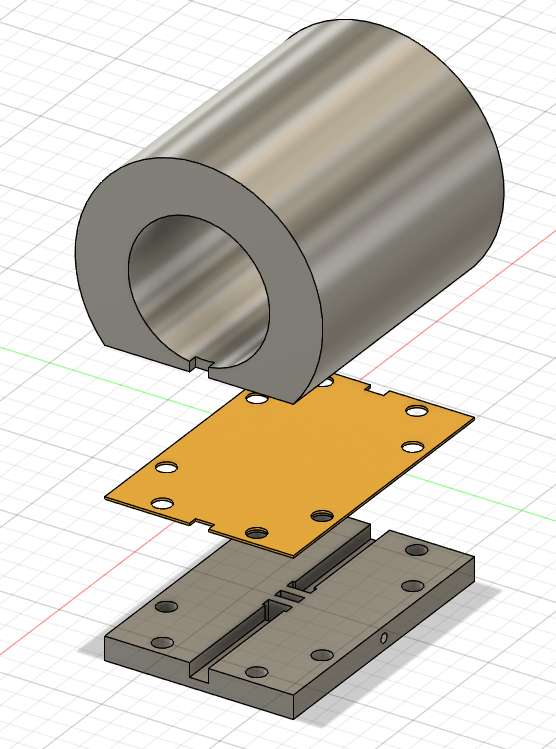
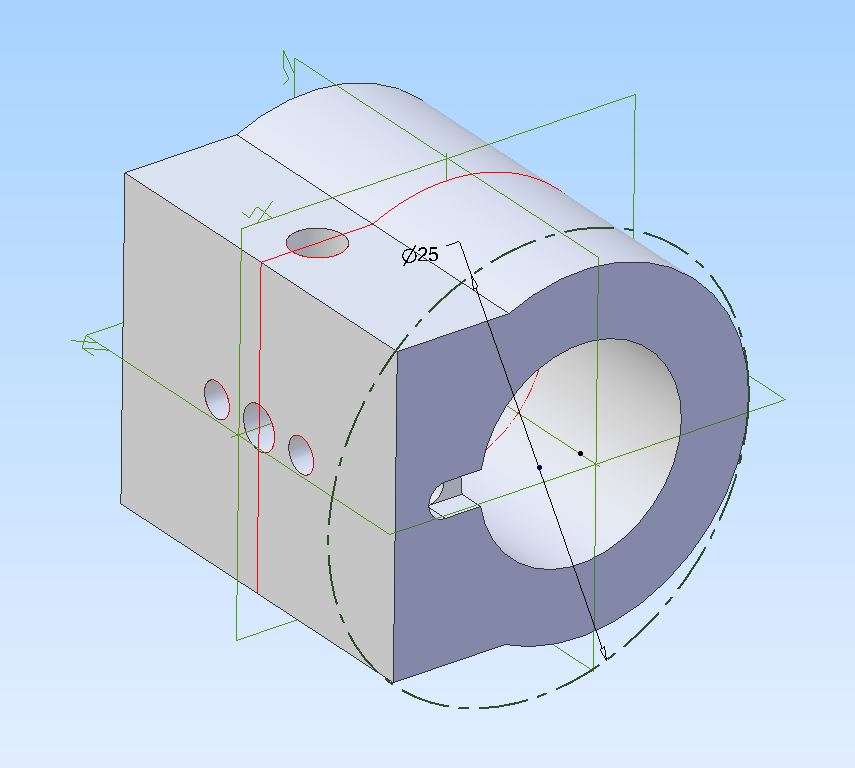
      My first thought was to bore the cylinder channel through the centre of a piece of round stock, mill one side flat and then attach a flat block (the cylinder base) to the milled face with the steam inlet and exhaust channels already milled in it, as shown below (with a gasket between them in yellow).

      Screenshot (10)

      Here I am assuming that there are bolts (studs?) that screw into round stock to which the cylinder base, steam chest and steam chest cover are attached. Also note here that I haven’t given any consideration to dimensions yet (inner/outer dimensions, bolt holes, steam channel sizes etc).

      Are there any immediate issues with this approach? One thing I feel might be an issue would be that the cylinder heads (and gasket) would be sealing across multiple parts (including another gasket).


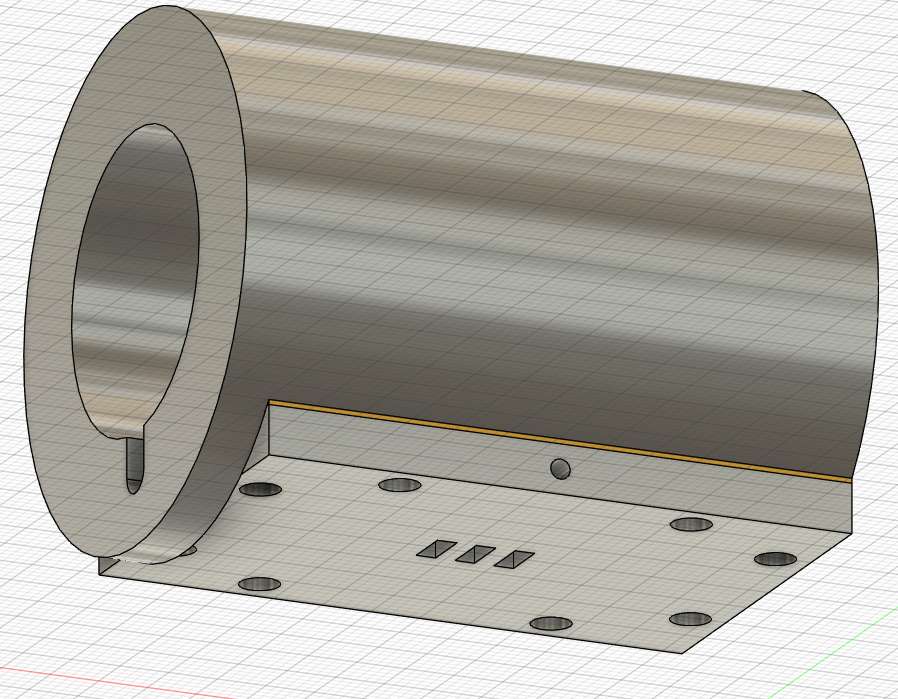
      To solve this, I thought of instead not milling the entire cylinder flat, but instead leaving say a few mm at the outer diameter to provide a solid face to which the cylinder heads can seal against, as shown below (only shown on one end). The cylinder base piece could be extended in height so the cylinder heads didn’t overhang. Screenshot (13)

      However another immediate issue I see here is that now the steam inlets to the cylinder would come out of the sides of the base, and as these can’t be bolted together I doubt there would be a good way to get a decent seal. I suppose I could bore the inlets in the cylinder such that they still meet top of the cylinder base (where the gasket is) but this seems a bit fiddly.


      So this leads me to my current idea – mill the cylinder as above, and instead bond the cylinder base to the milled face to effectively create a block similar in shape to a casting, which can then be bored, drilled, have the steam channels/exhaust put in in the same way. Are there any issues with this approach?

      In terms of how these pieces would be bonded I am not too sure yet. Assuming the whole cylinder assembly would be made of cast iron I have the following thoughts:

      • Welding:
        • might be quite a lot of heat into a relatively small component – risk of warping?
        • welding would only create a seal around the edge, so there would be no seal around where the steam channels cross the base/cylinder interface
      • Silver soldering:
        • possible similar concerns as welding – heat distortion, only sealing around the edges (or at least as far as the solder wicks in between the pieces
      • Adhesive:
        • JB weld seems a good option as it would cover the entirety of the mating faces and so should provide a seal around  the steam channels.

      So I guess this is a long way of saying my current idea is to JB weld to pieces of cast iron together into a ‘pseudo-casting’ and then progress from there as normal. Does this sound viable or should I just stick to the tried and tested methods?

      #842647
      JasonB
      Moderator
        @jasonb

        I have done several like that usually silver soldering the two parts together though JB Weld also works well.

        Regarding the steam passages you can either do the milling in the plate and then just notch the inner edge of the bore so it connects or nots and drill vertically. The other option is to not do the milling and simply drill in from each end to form th epassage, at that size 2mm hole swill do and a connecting notch.

        lastly at what is probably not going to be much more than 25mm cube or piece of bar to start with the whole thing is quite easily done on the mill forming the rounded outer and valve chest sides.

        I’ll post some photos in a while or just look through the Stationary engine section of the forum at some of my build threads.

        #842650
        JasonB
        Moderator
          @jasonb

          A few examples.


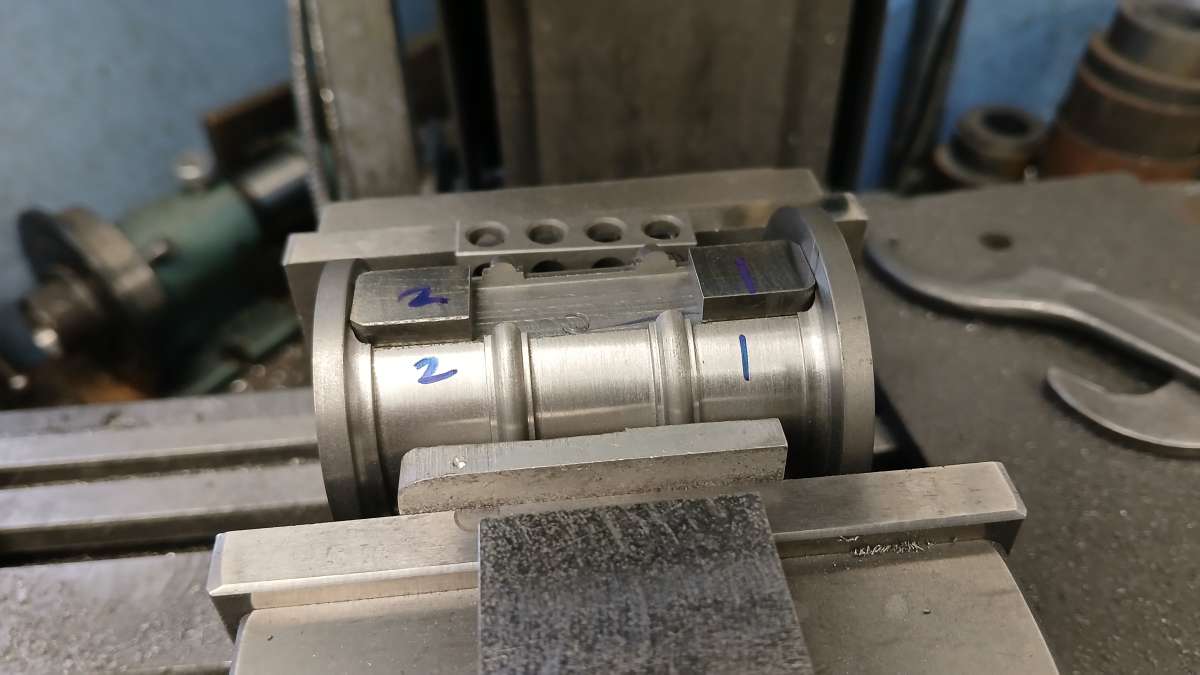
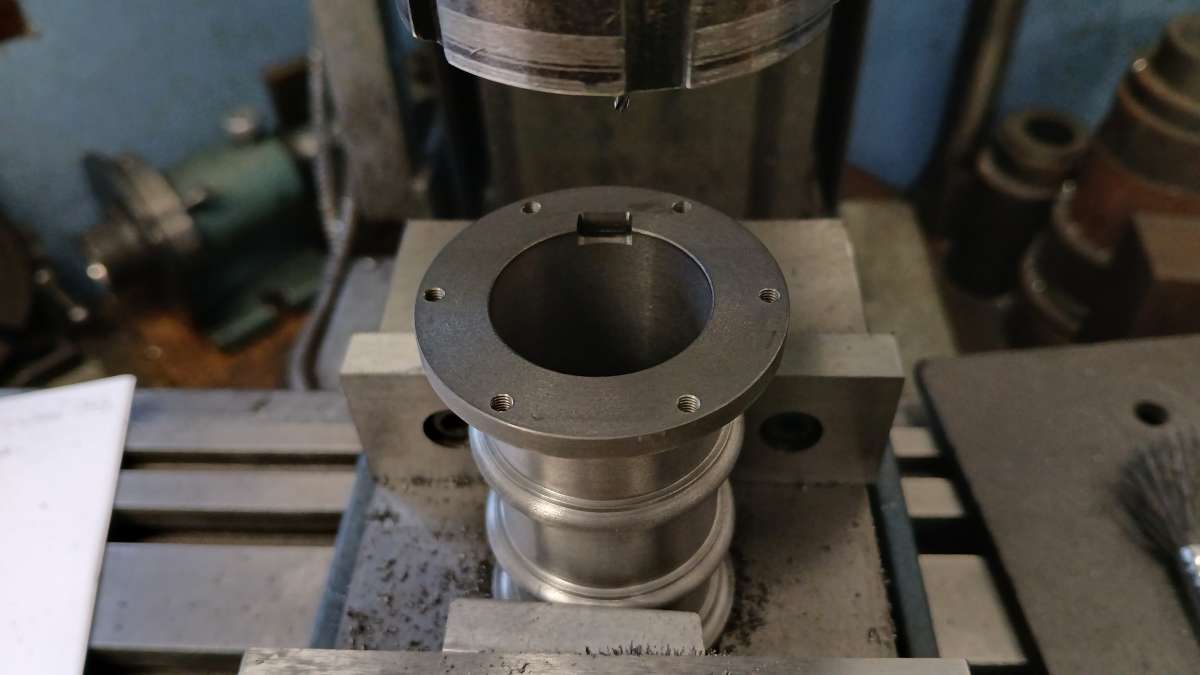
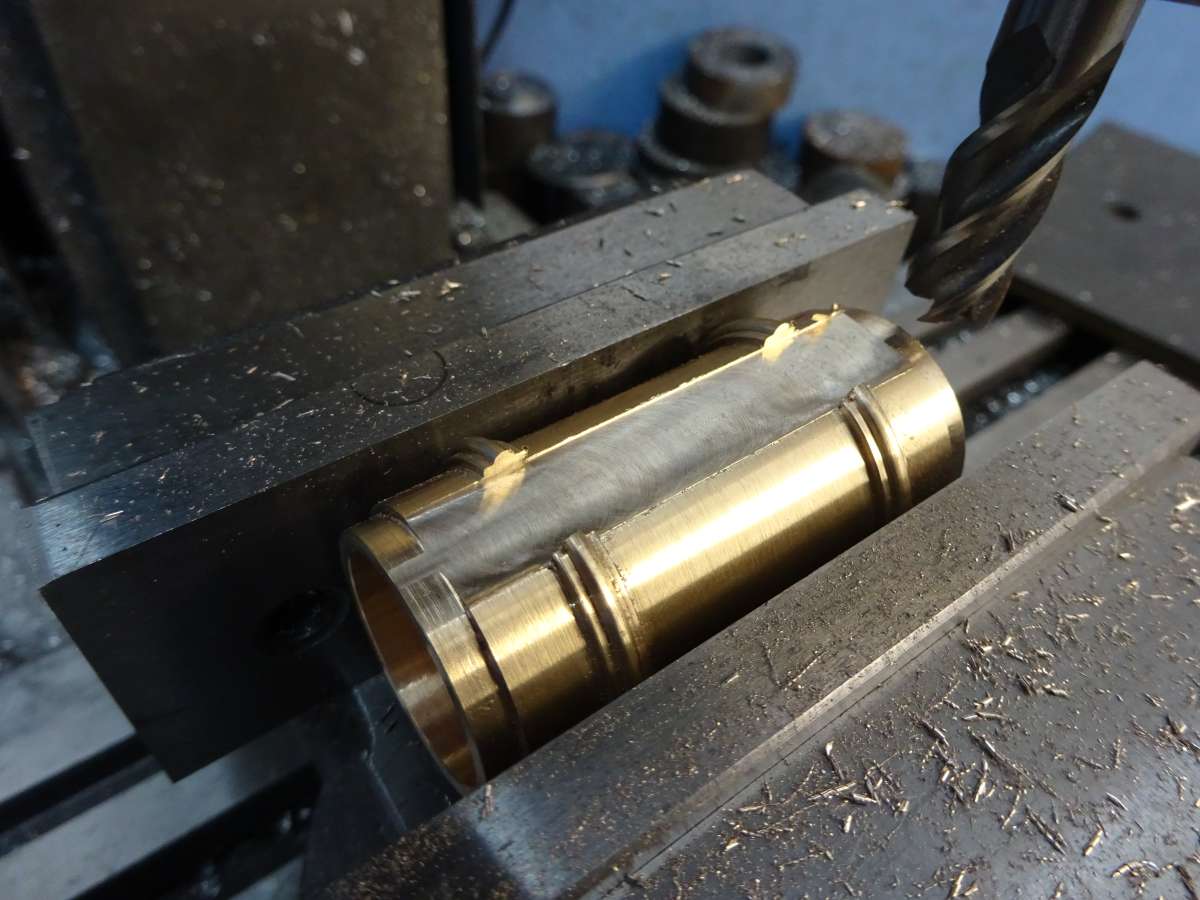
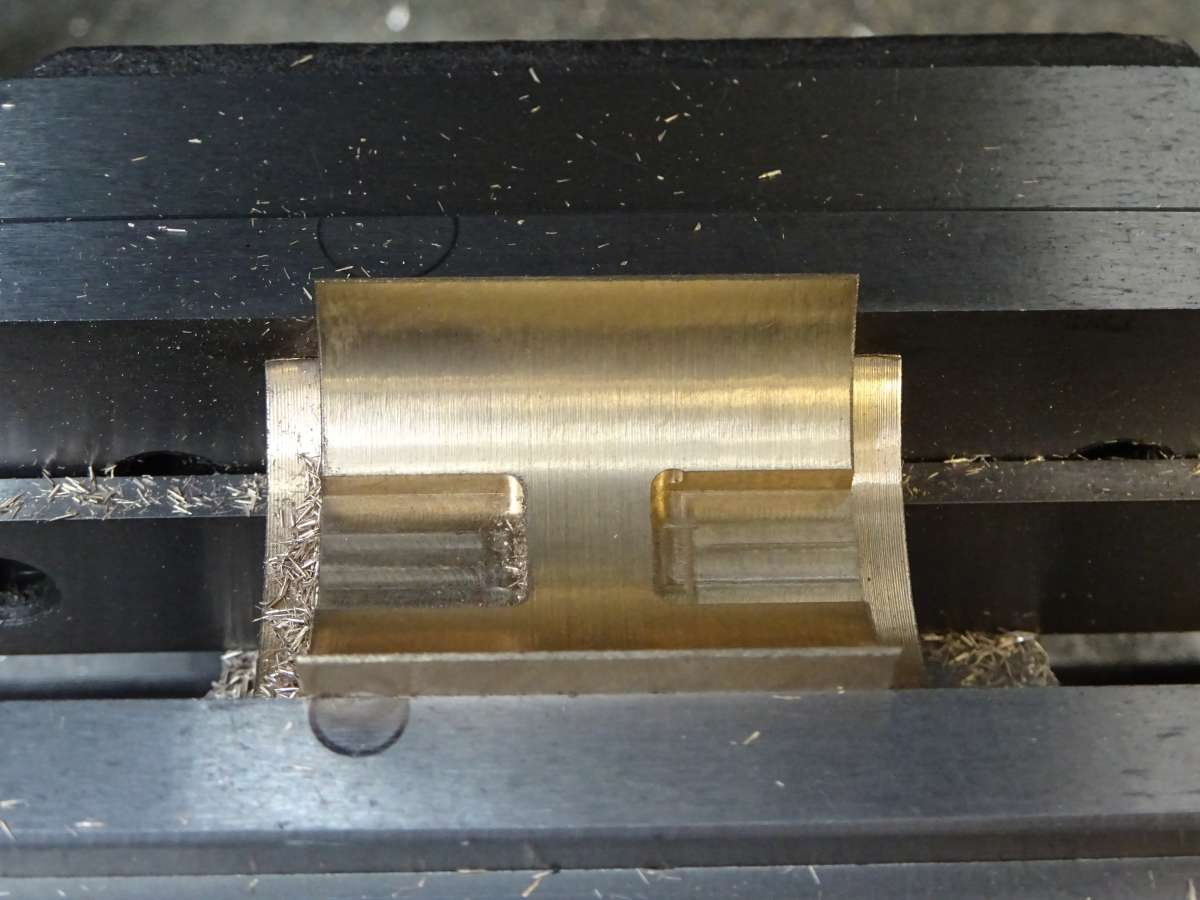
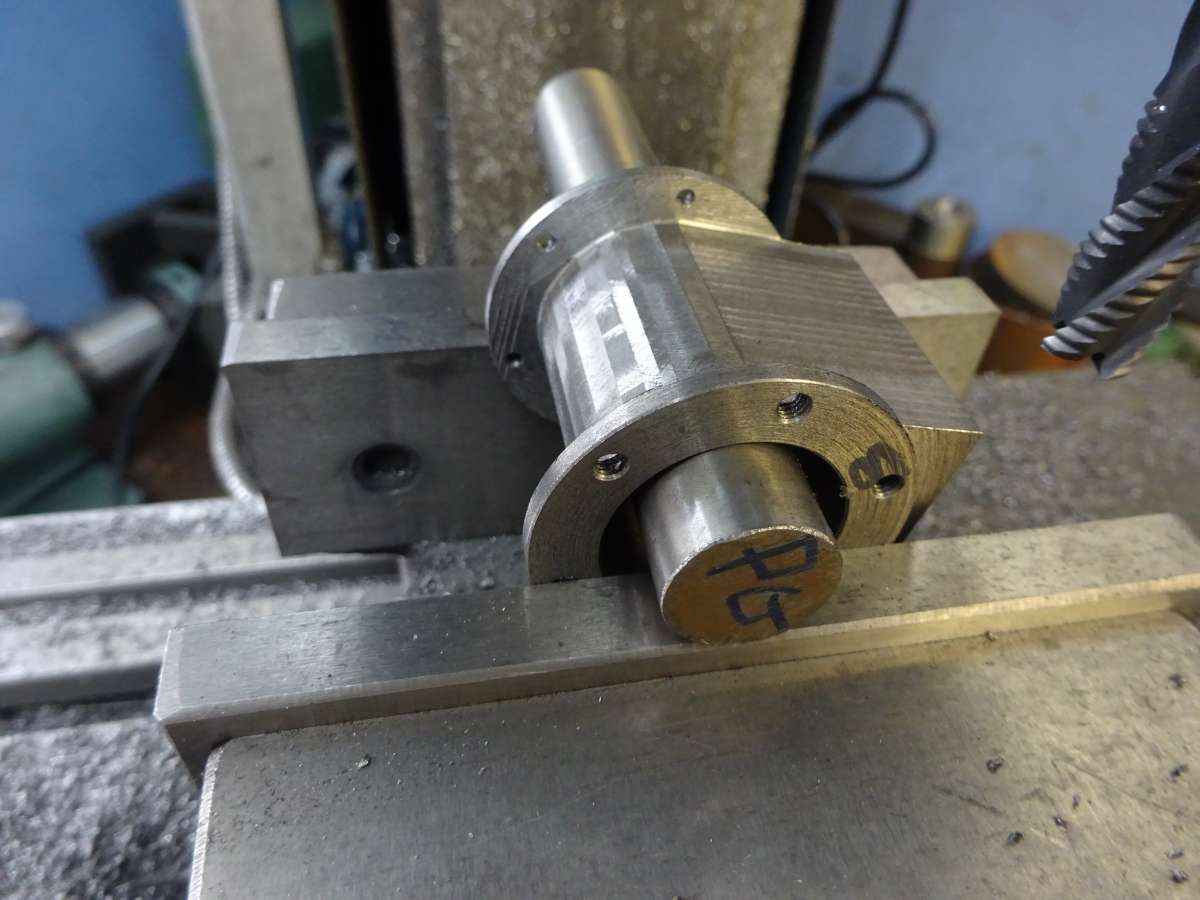
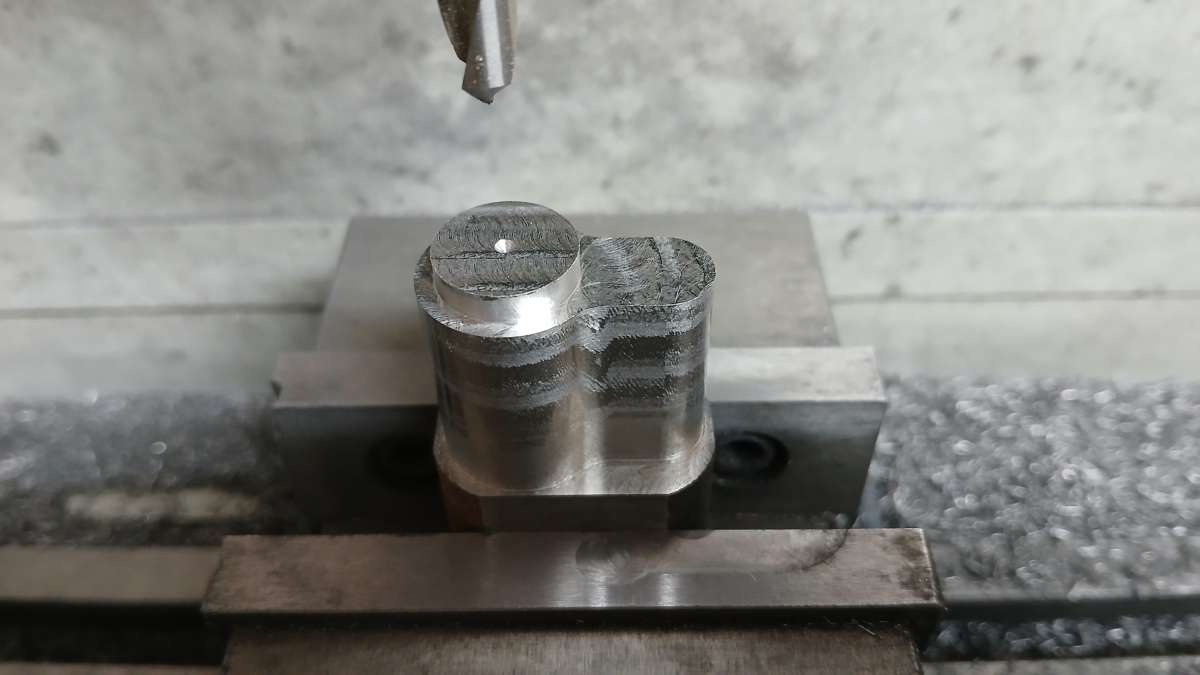
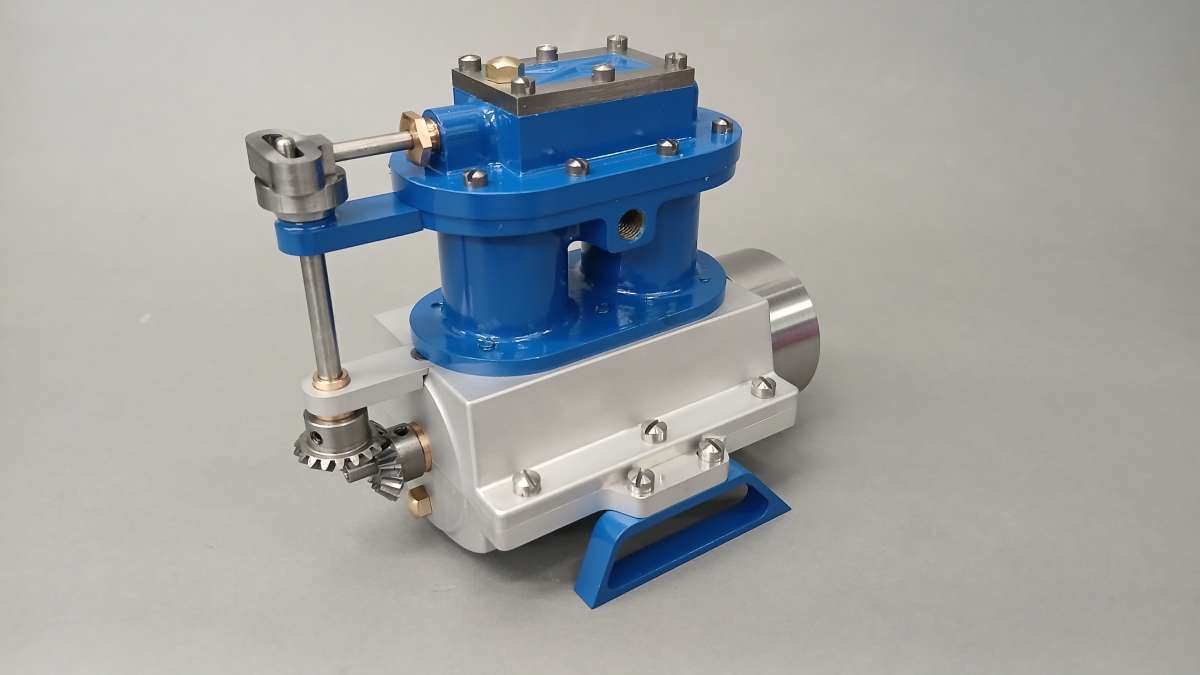
          This one is a bit larger at 28 or 30mm bore, the cylinder was turned to leave flanges at the end and then the flat milled

          20250123_134216

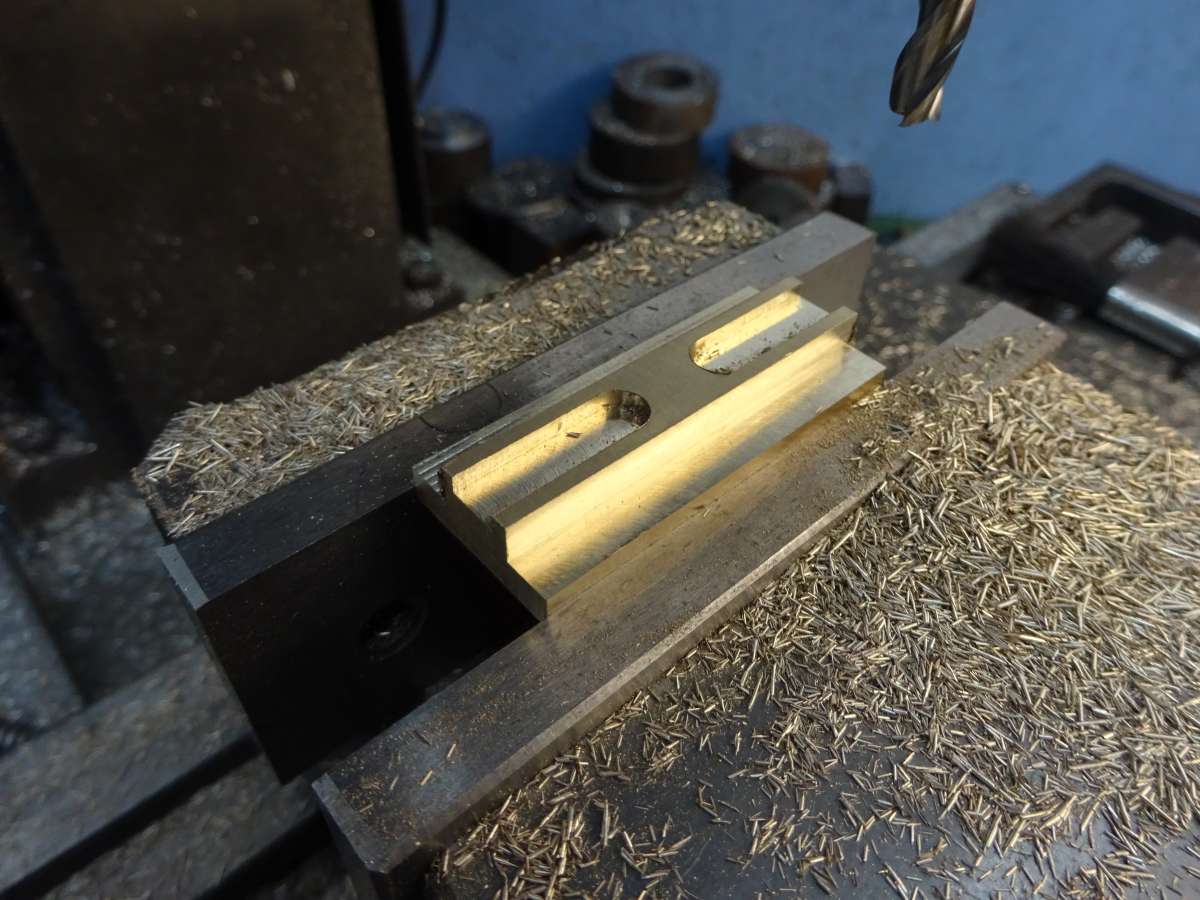
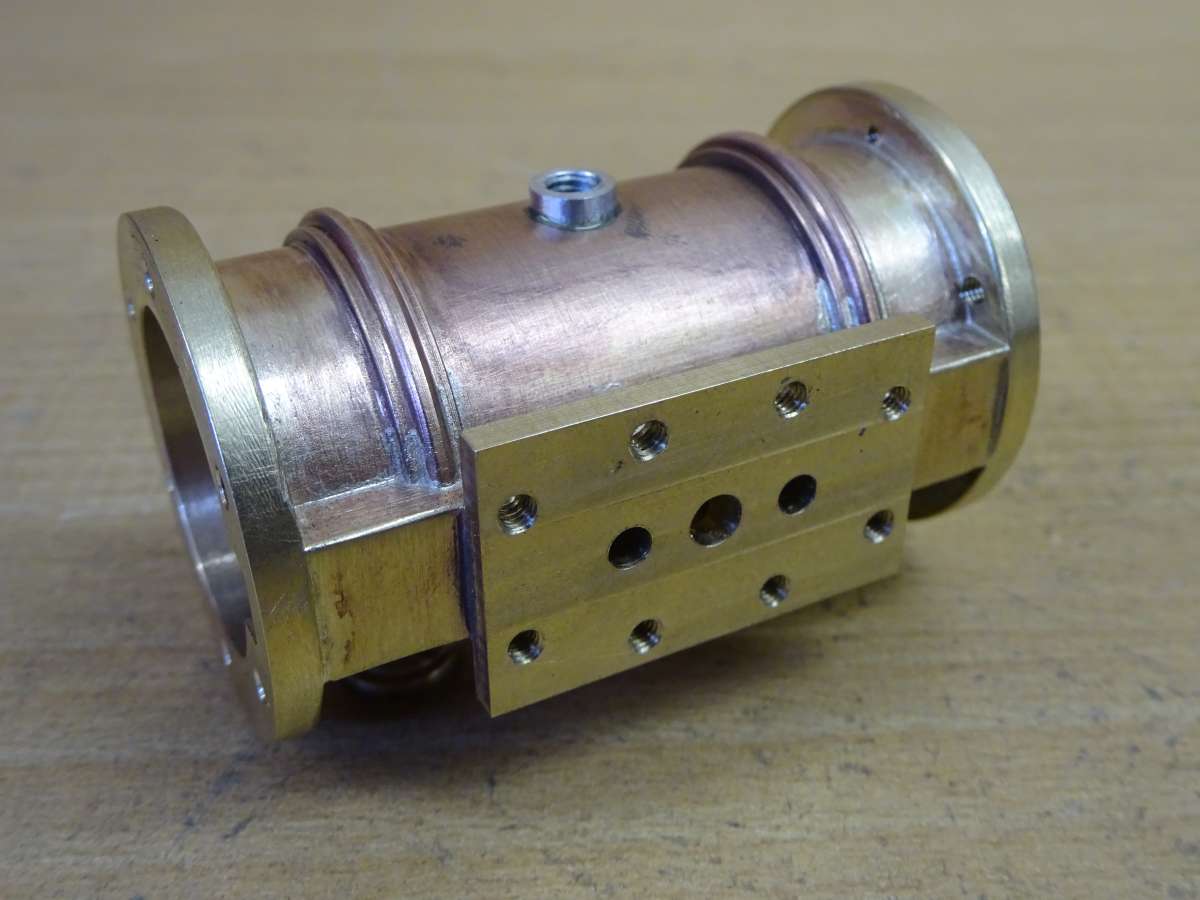
          As I did not want such a long port face I used two smaller bits at the end and a larger central one, milled much like your sketch

          20250124_134229

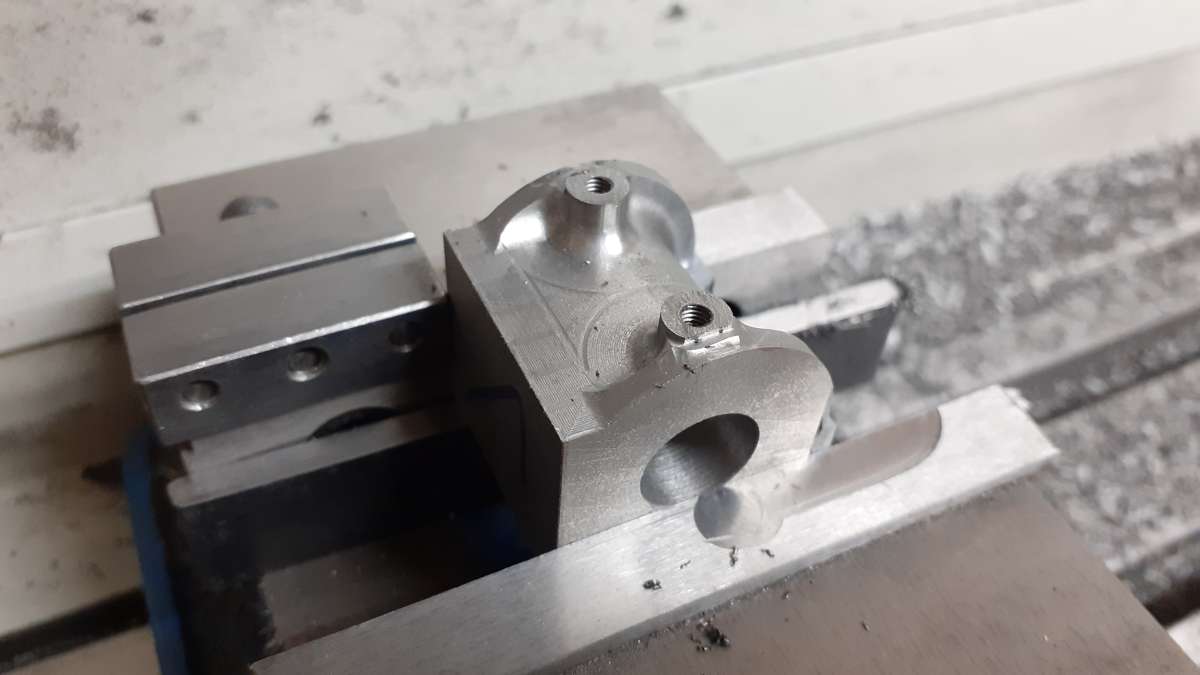
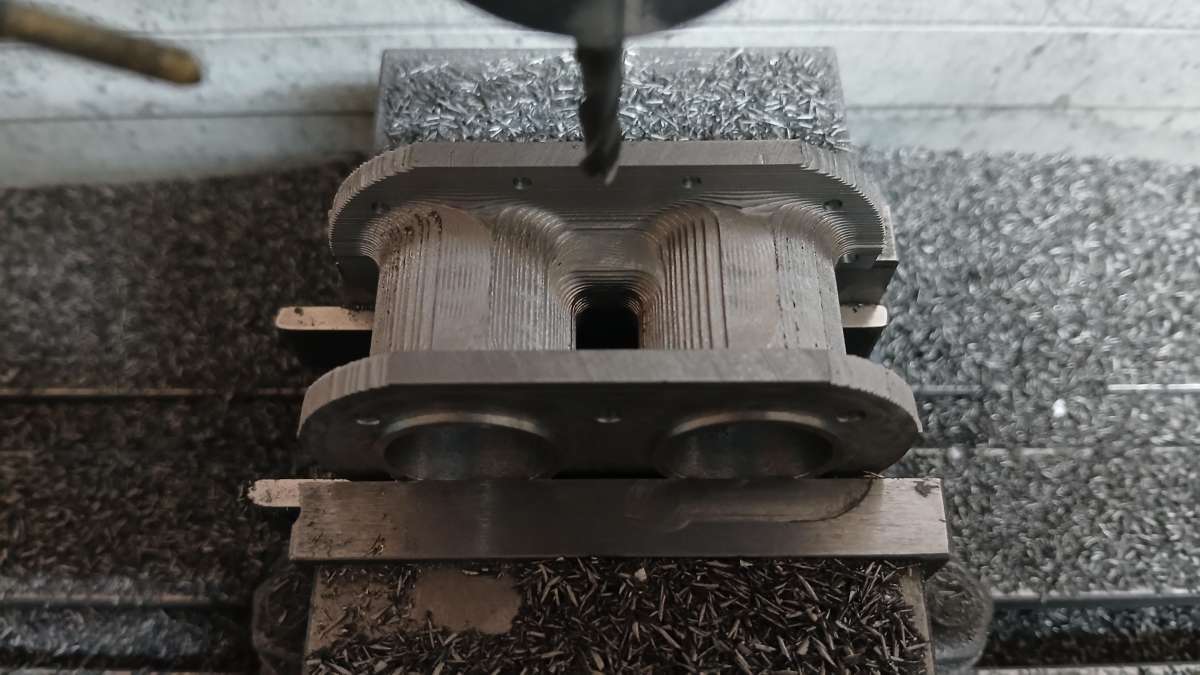
          After the JB Weld set the ports were milled and the final notches added to the ends

          20250126_134243

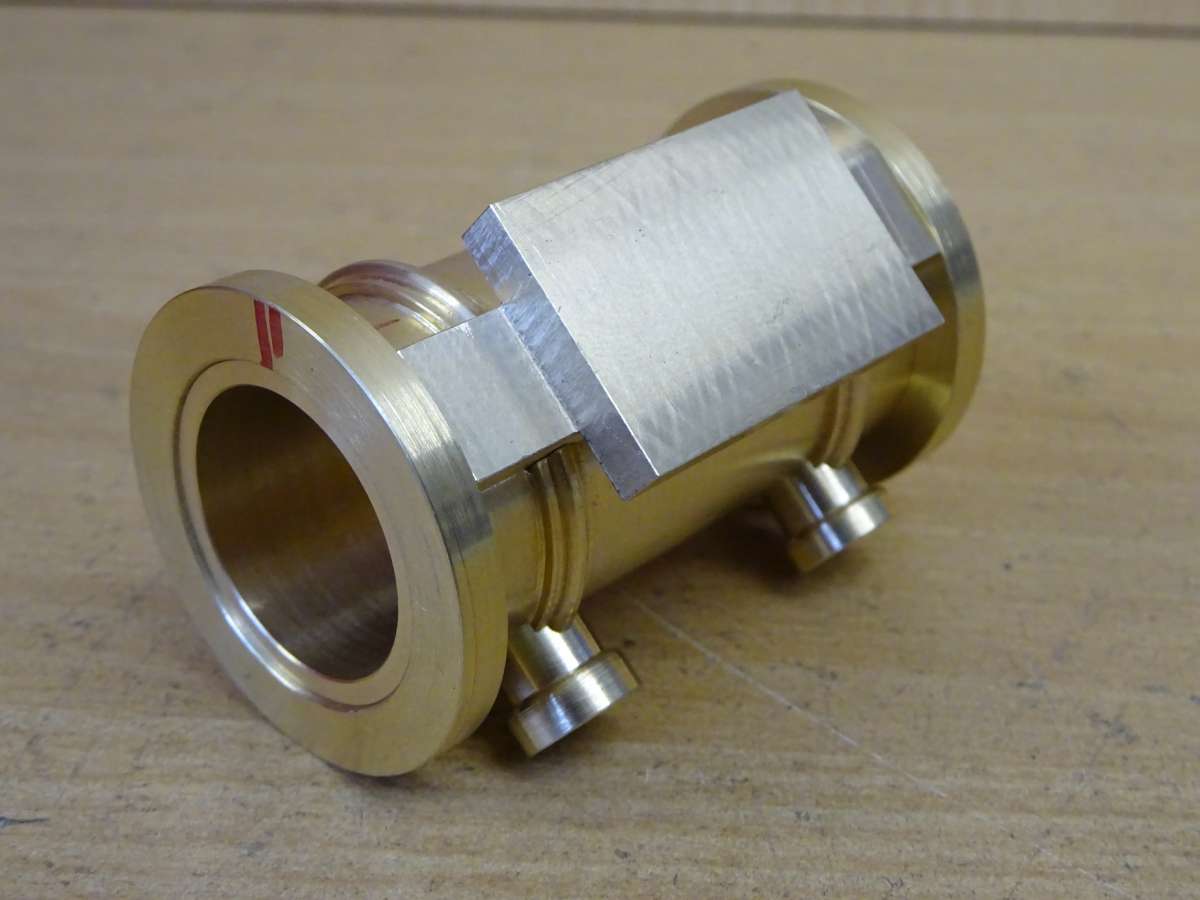
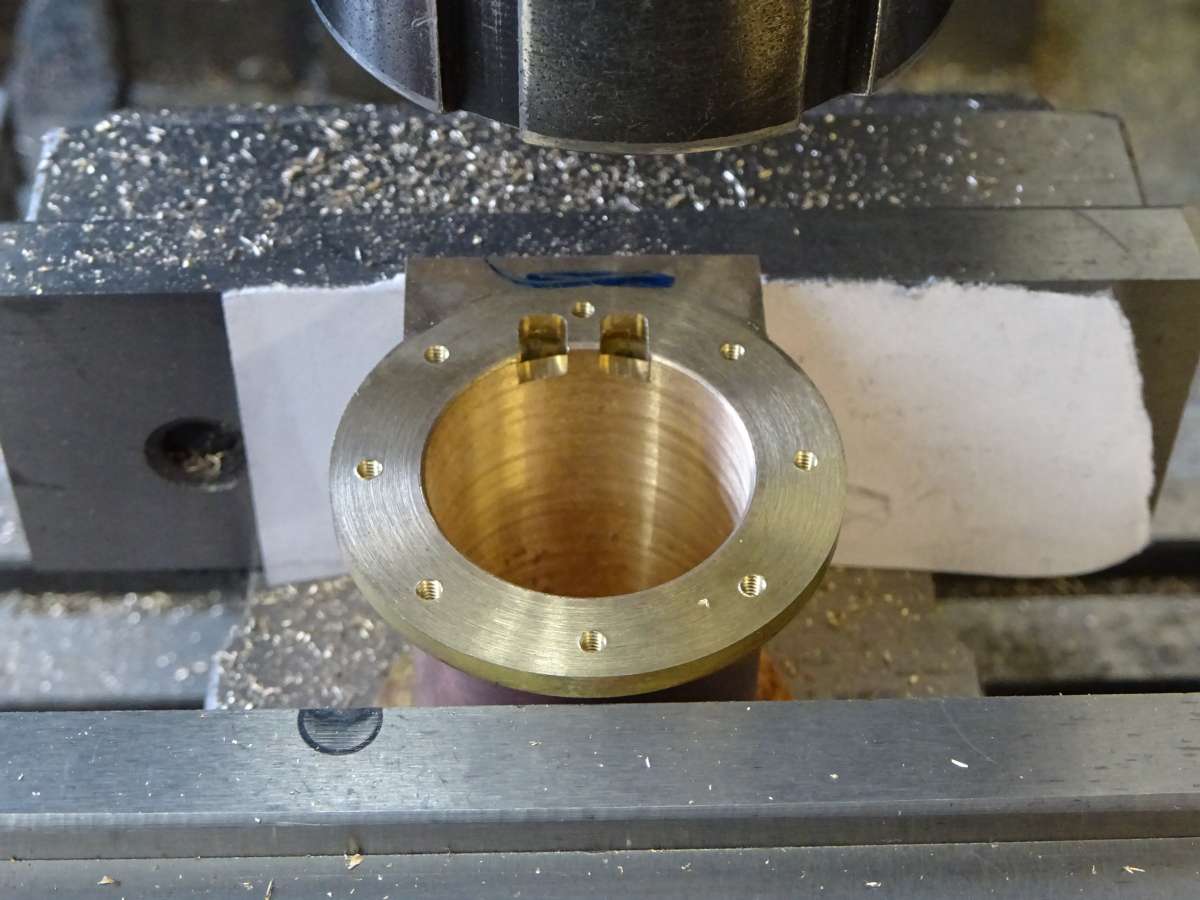
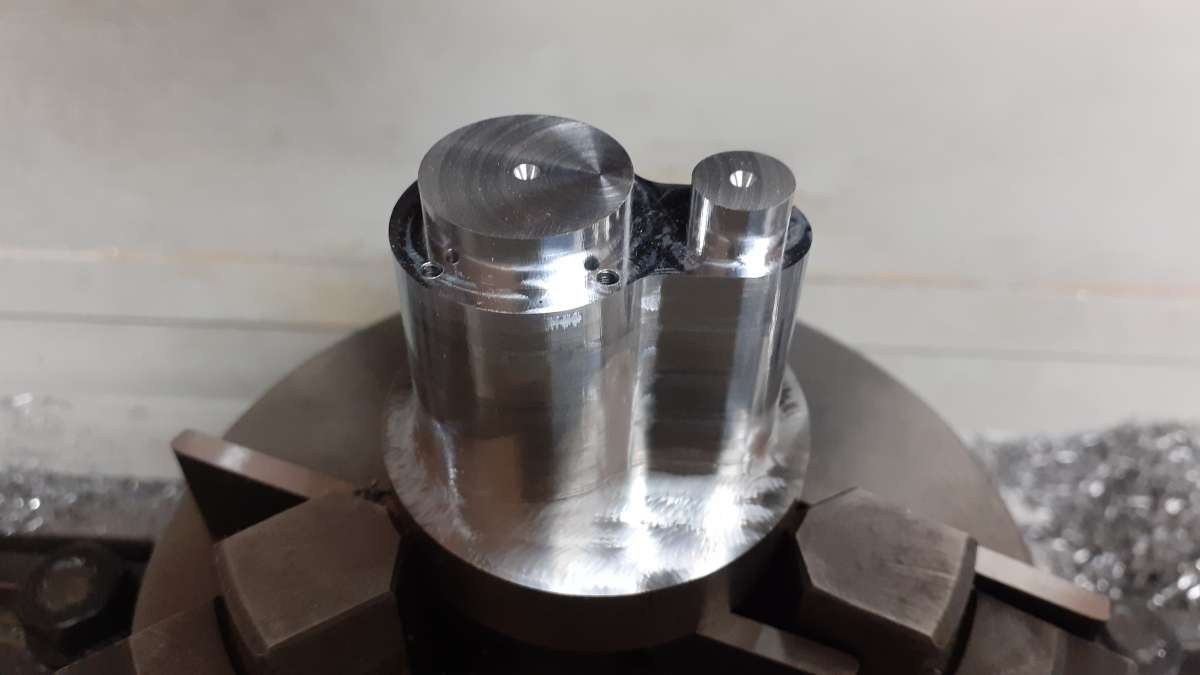
          Similar 24mm bore, this time the two end flanges were added to spigots and I silver soldered this one but JBW would do

          Photo 4

          Port block milled

          Photo 6

          Ends and feet added

          Photo 8

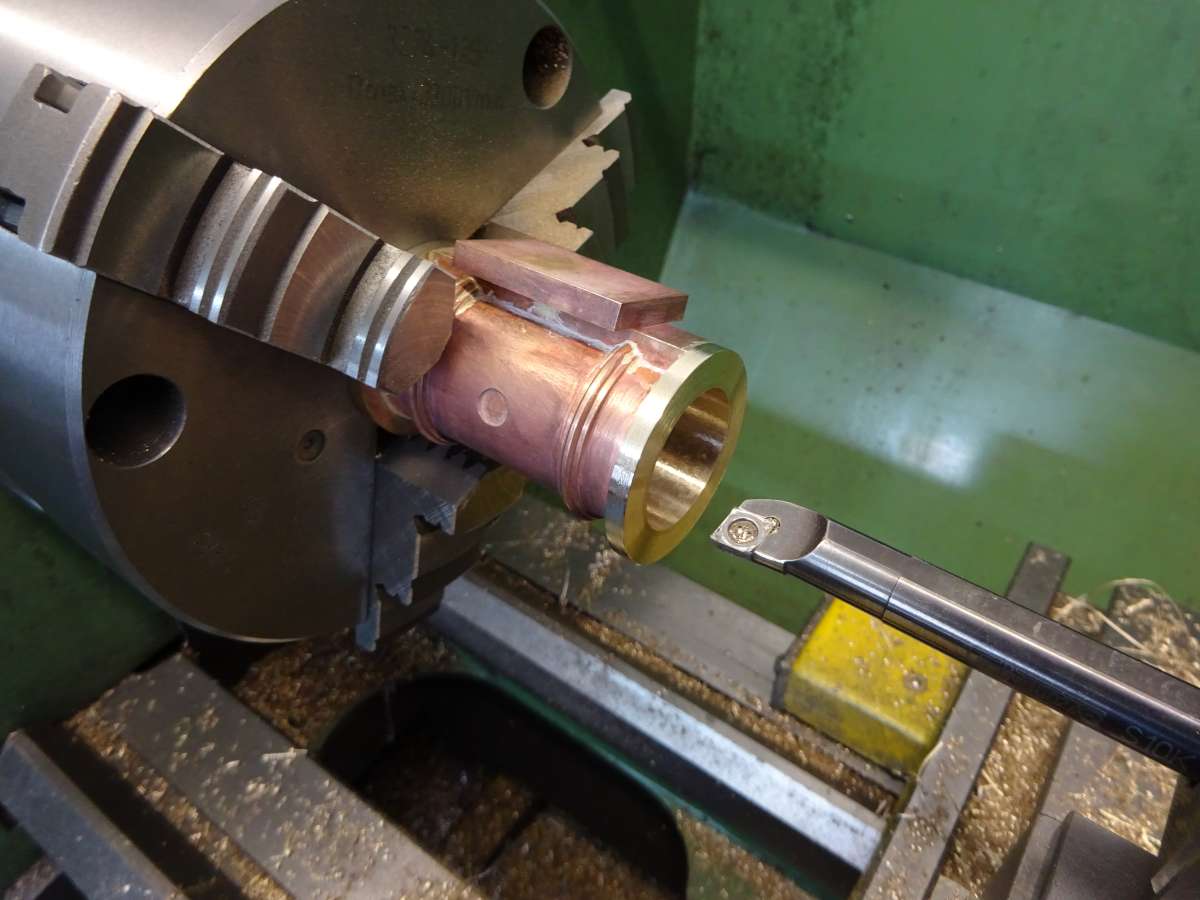
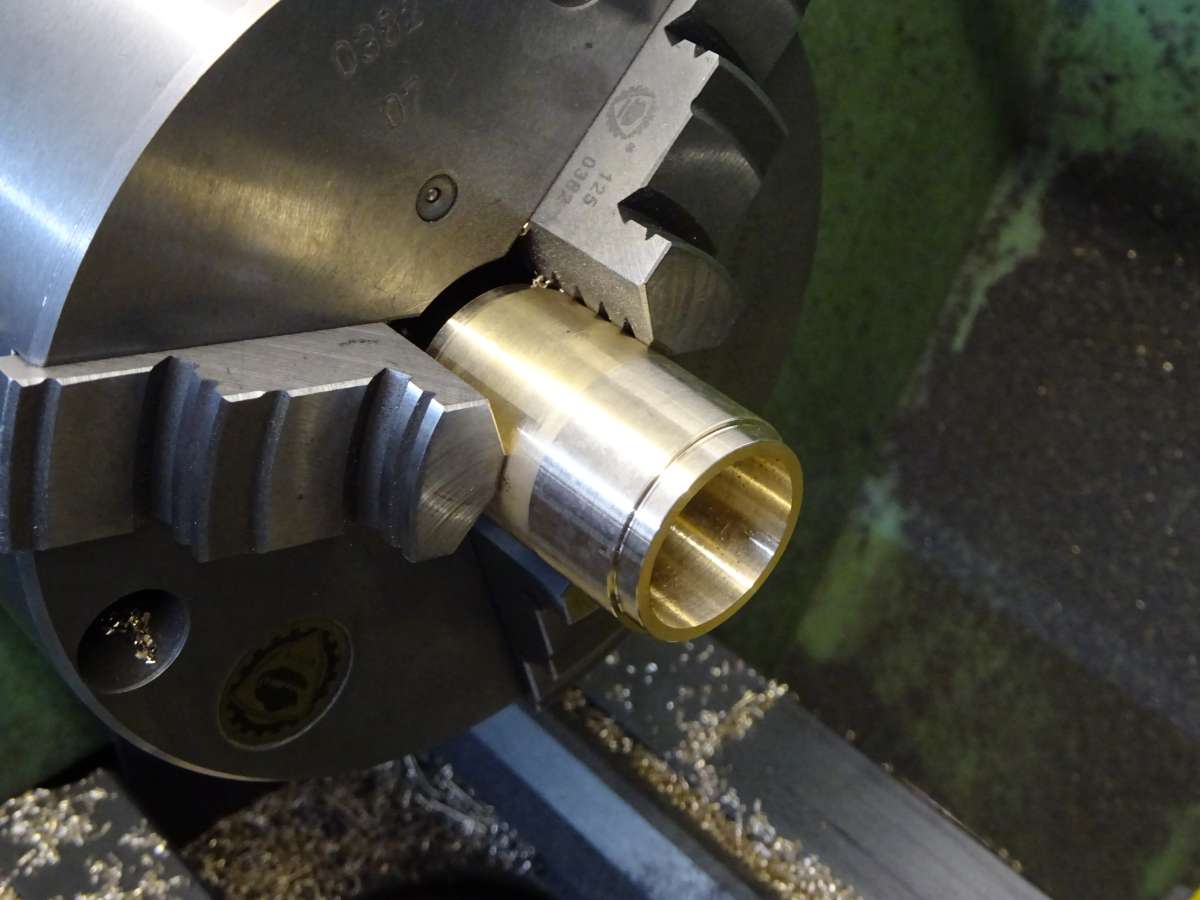
          If silver soldering leave the bore say 2mm undersize and allow some extra length to th ecylinder then once soldered treat much like a casting and finish the bore and face to length. Also a good thing to do with a JBW job as you may not get parts dead level with each other due to trapped JBW in the joints.

          Photo 10

          Finished cylinder

          Photo 14

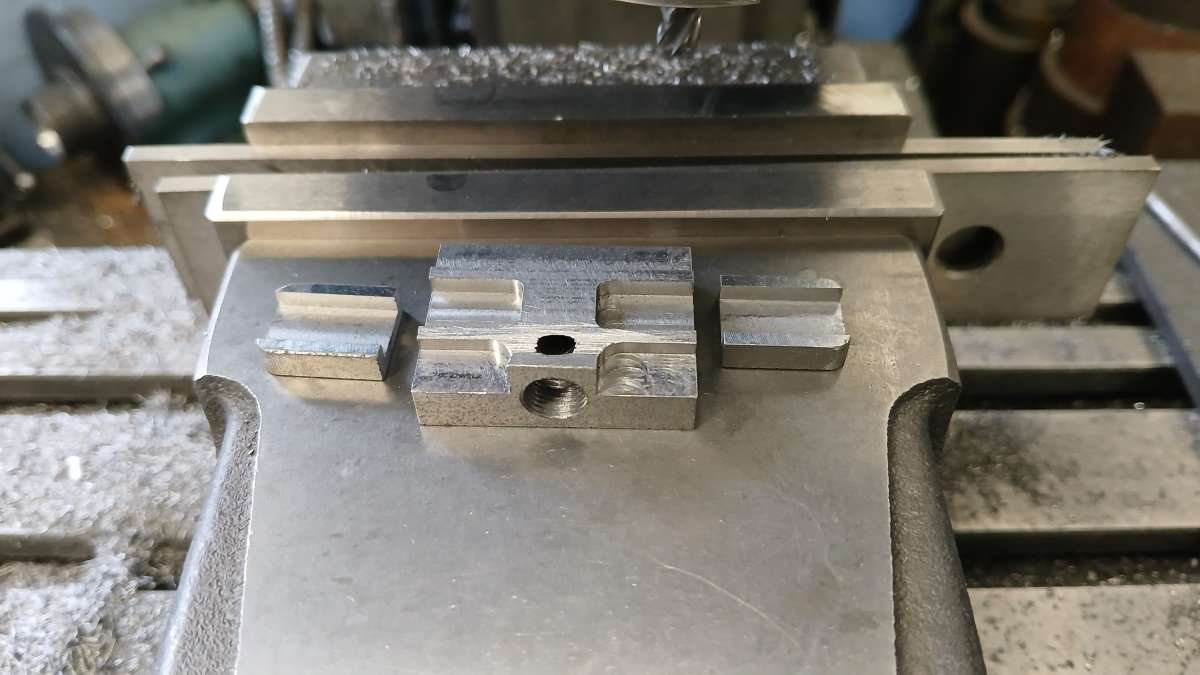
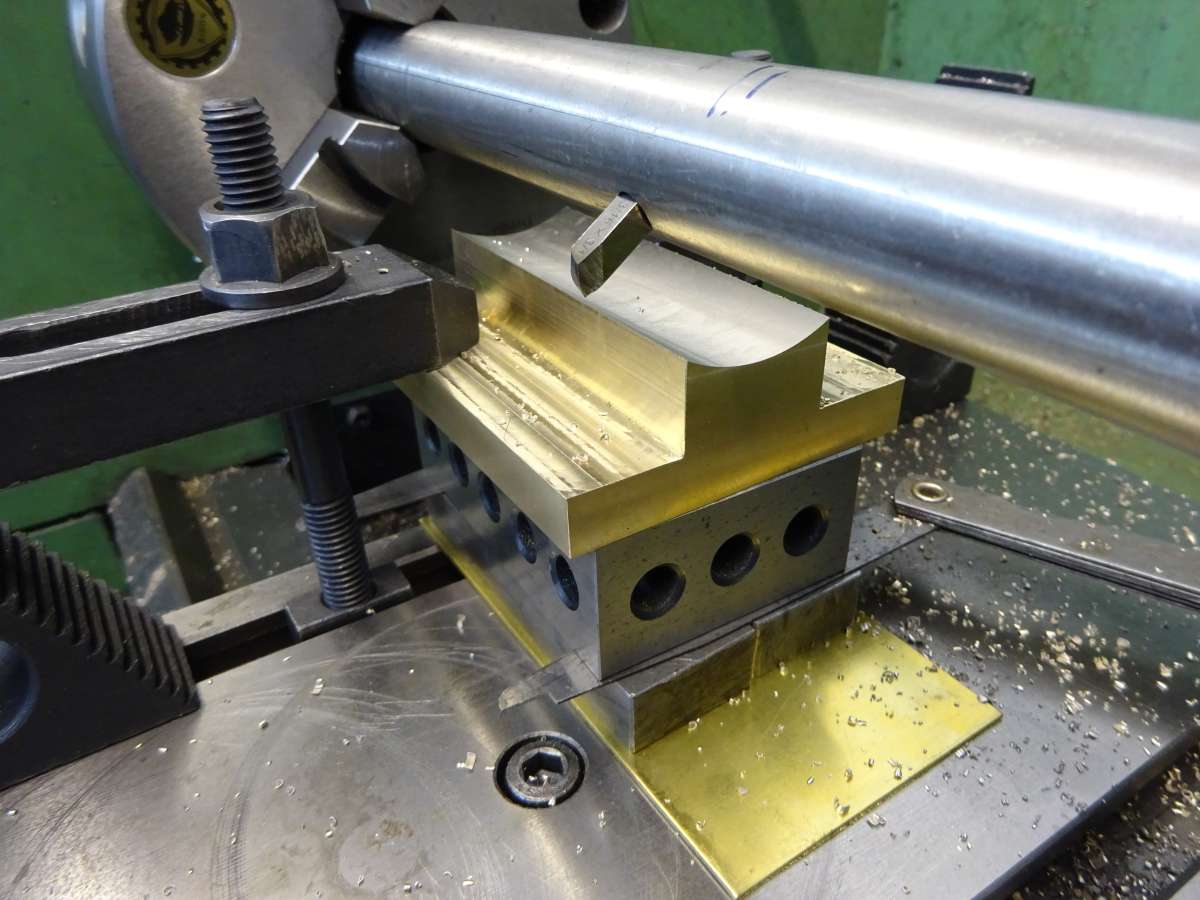
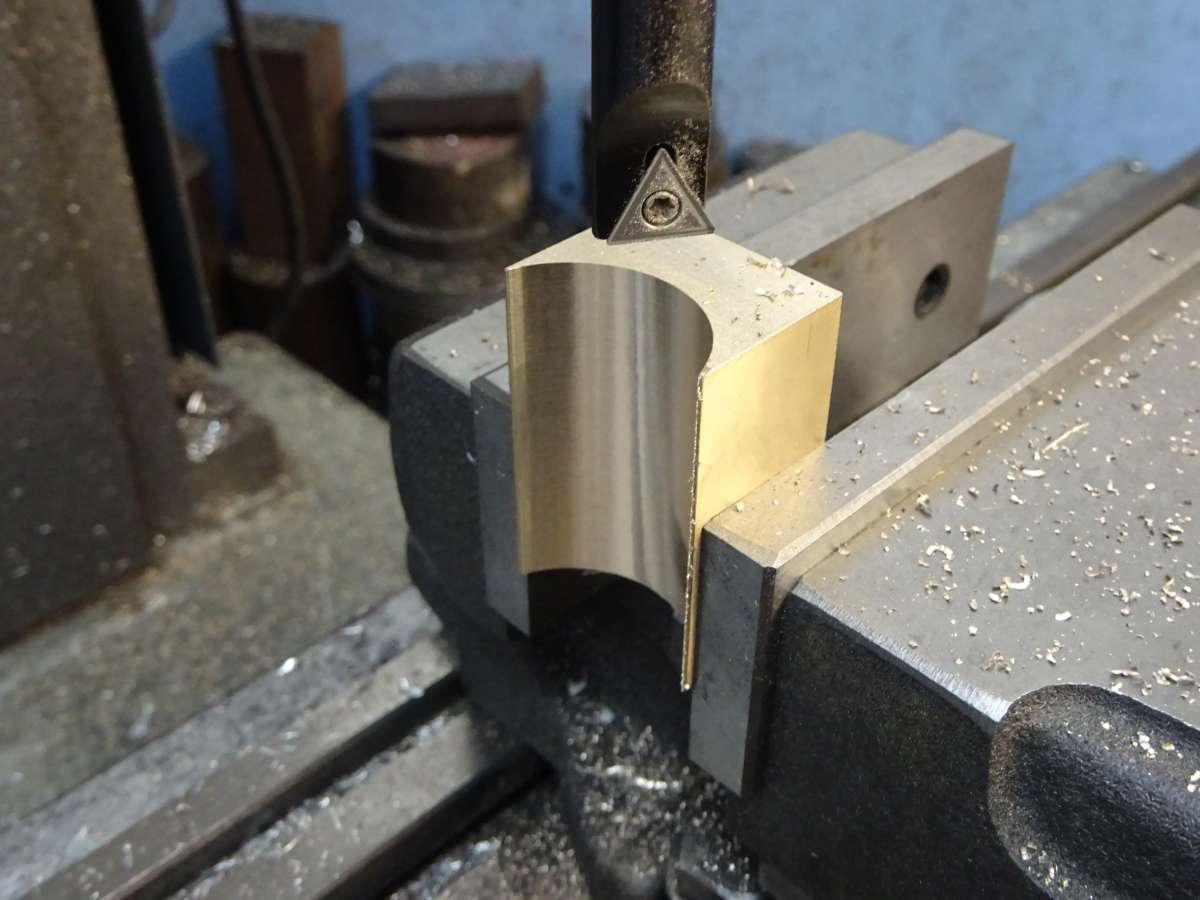
          Another option is to leave the cylinder round and cut a curve on the port block

          DSC02575

          DSC02578

          DSC02584

          More to follow

          #842653
          JasonB
          Moderator
            @jasonb

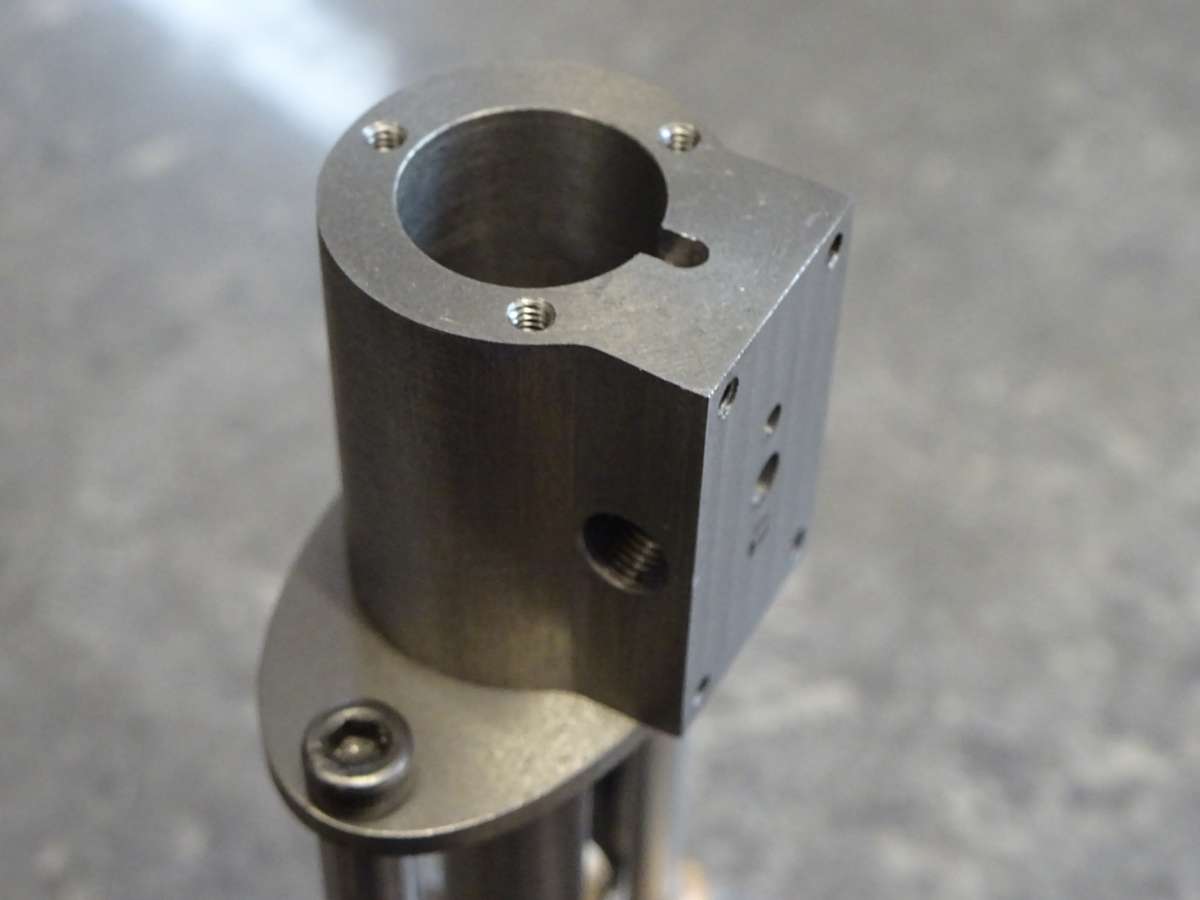
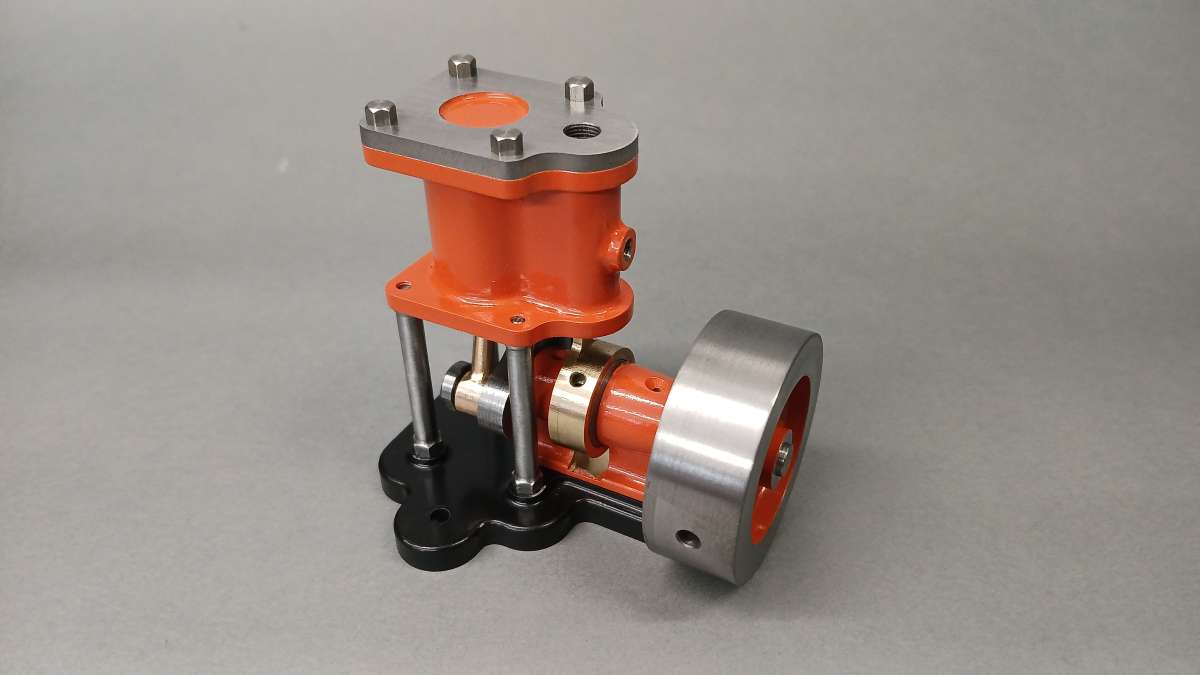
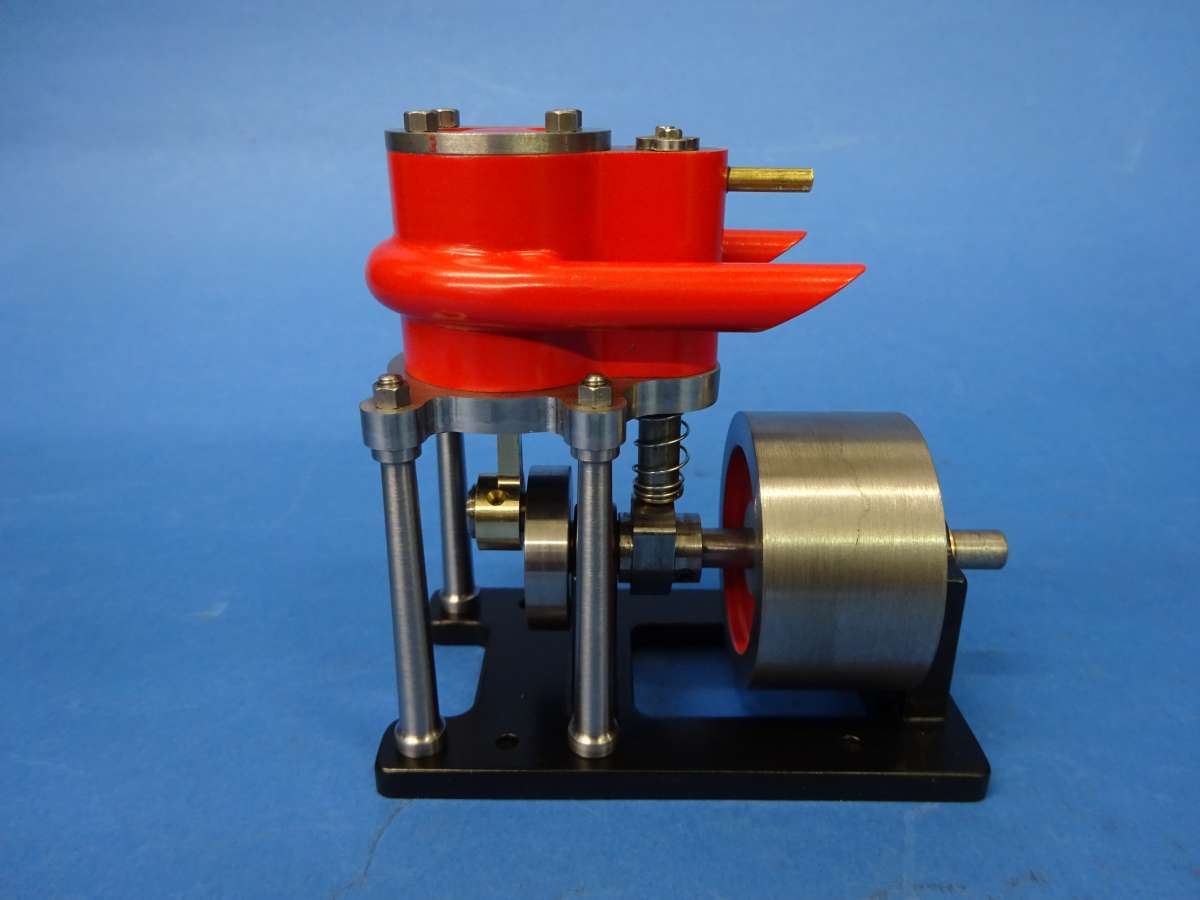
            On the smaller engine of 10 to 16mm bore I often cut from solid. You can just squeeze a 12mm bore one from 25mm or better still 1″ bar.

            25 bar

            The trick is to place the cylinder bore off centre of the bar which gives you enough to form the port face

            See a detailed description part way down this page

            Building the V-Twin “Kelsey”

            Other engines done in a similar way

            DSC04309

            20211227_141449

            Photo 28

            #842689
            rustony
            Participant
              @rustony

              Thanks for all the information – looks like the idea is workable, although your guide on machining it from a single block makes it look much easier than I had anticipated.

              I did wonder about cutting the curve into the base rather than milling the cylinder, but wasn’t sure how to achieve that. Maybe with some very precarious setup in the lathe using a boring bar, but this didn’t seem very feasible.

              What material(s) have you used for the cylinders – some look like cast iron, but are others brass?

              #842690
              JasonB
              Moderator
                @jasonb

                There are a couple of ways the concave surfaces can be done. A between ctrs boring bar certainly works but may be a bit spindly for such a small cylinder. Another way is to make plunging cuts with a boring head in the lathe or mill. This is best suite dto plain cylinders, the flat method works for them too but is better if you have any decorative beads around the cylinder.

                Tid112

                DSC02576

                If they ar egrey then yes I’m using cast iron which are also the ones I tend to join with JBWeld as it is not so easy to silver solder. The others I use a mix of bronze and/or brass so you may see the turned cylinder and port block done in bronze with the end flanges in brass.


                #842736
                Bazyle
                Participant
                  @bazyle

                  If you are limited by not having a milling machine or just reticent to do some of the profiling after the initial bore and flattening one side bear in mind that you can build it without that shaping initially, get the satisfaction of it running, then take it apart again for final finishing when you have more equipment/skills.

                  #842761
                  rustony
                  Participant
                    @rustony

                    Thanks – that’s a good point about just getting it working without shaping it.


                    It’s mainly that I ‘only’ have access to a CNC mill, which while great for some components, it may prove difficult/cumbersome to try and generate the required code for every cut/milling operation etc. I am also trying to ascertain how easy/sensible/allowable (it is not my mill) it is to operate it as a manual one. This will influence how much milling I am willing/able to do.

                    #842769
                    JasonB
                    Moderator
                      @jasonb

                      Oh you best not get me started on making cylinders on the CNC, all good fun.

                      Most CNC mills can be opperated manually simply you clicking on the screen or using a pendant to take the place of the handwheels, you just move one axis at a time. But all of those ones I showed earlier could be done on a lathe particularly if you have a vertical slide.

                      20241015_140940

                      20241027_094713

                      20230305_093321

                      20211120_121651

                      DSC04385

                      20250512_141616

                      20250609_105241

                    Viewing 9 posts - 1 through 9 (of 9 total)
                    • Please log in to reply to this topic. Registering is free and easy using the links on the menu at the top of this page.

                    Latest Replies

                    Home Forums Beginners questions Topics

                    Viewing 25 topics - 1 through 25 (of 25 total)
                    Viewing 25 topics - 1 through 25 (of 25 total)

                    View full reply list.