

Anvil?
Anvil?
- This topic has 17 replies, 12 voices, and was last updated 8 October 2025 at 12:10 by
 Vic.
Vic.
 Vic.
Vic. Chuck Taper
 Juddy
Juddy Nicholas Farr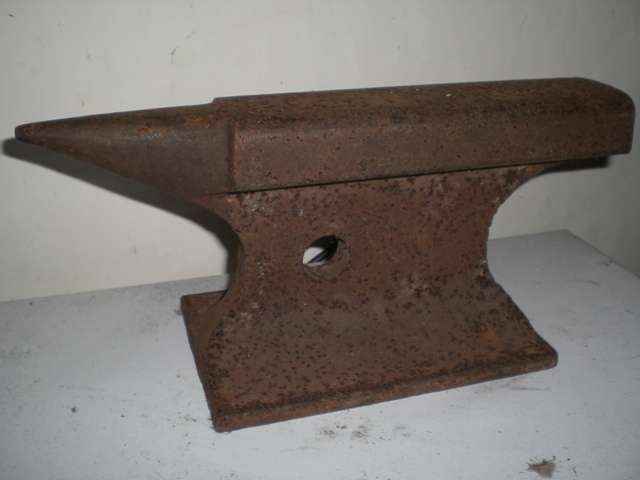
 noel shelley
 parovoz
 Grindstone Cowboy
 peak4
peak4 Bo’sun
 Martin Johnson 1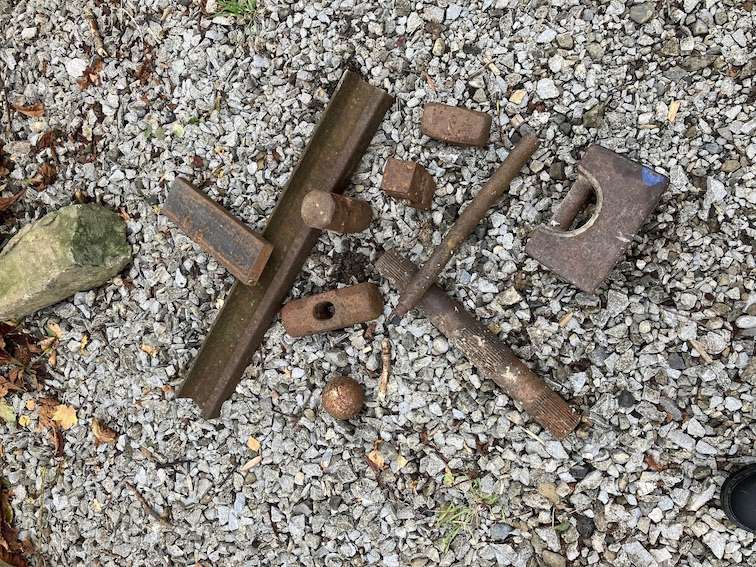
 Bazyle
 Vic
Vic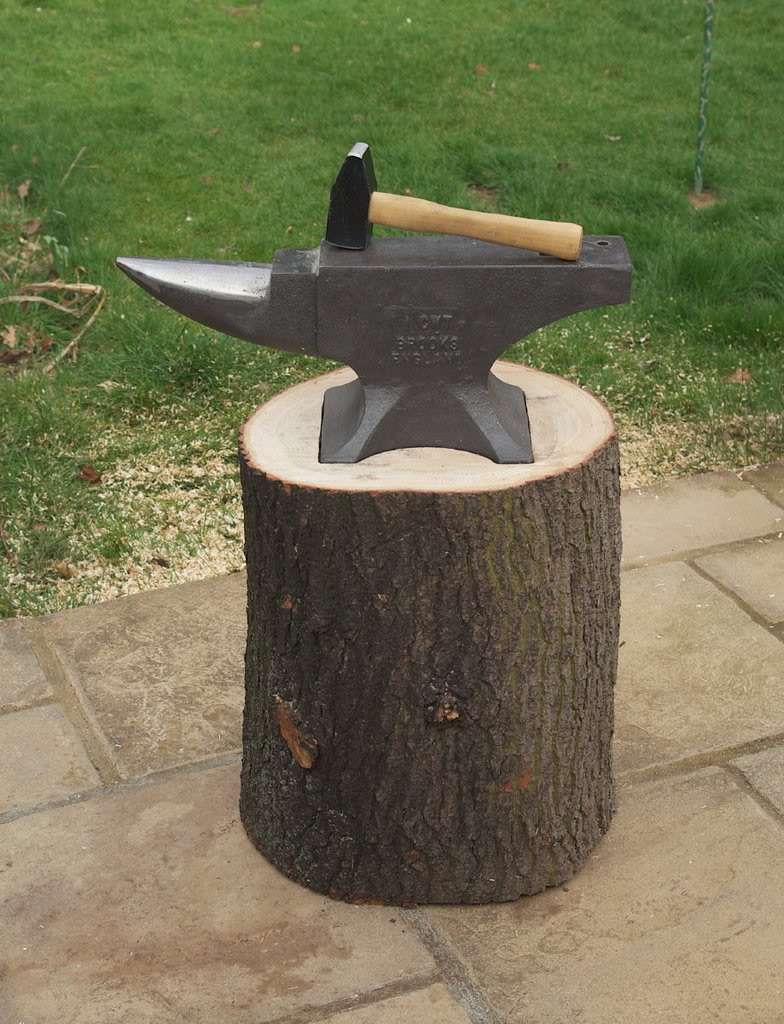
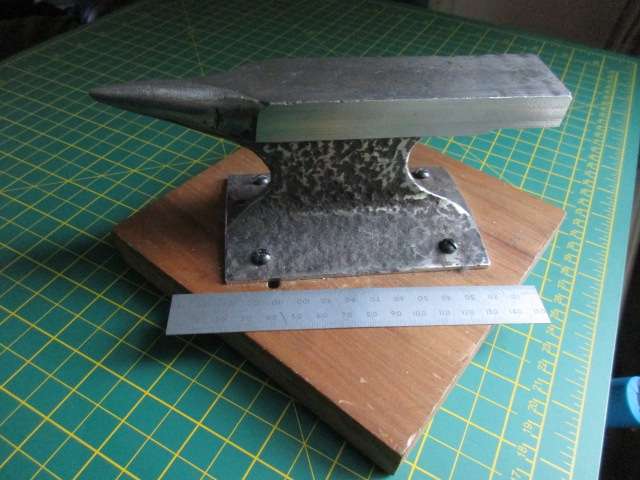
 SillyOldDuffer
- Please log in to reply to this topic. Registering is free and easy using the links on the menu at the top of this page.
Latest Replies
-
- Topic
- Voices
- Last Post
-
-
Thread info required for the TEMU hydraulic pressure tester
Started by:
Greensands
in: General Questions
- 5
-
16 September 2026 at 22:41
Nigel Graham 2
-
Ideas needed for problem wth Tom Senior E type Mill
Started by:
Mike Crossfield
in: Manual machine tools
- 7
-
16 September 2026 at 22:23
Huub
-
Pittler C3 lathe, dividing and gear cutting attachments
Started by:
vic newey
in: Workshop Tools and Tooling
- 5
-
16 September 2026 at 21:52
Bazyle
-
Sherline closing down
Started by:
Peter Cook 6
in: Manual machine tools
- 4
-
16 September 2026 at 21:40
Robert Atkinson 2
-
Drive coil ampere turns for seconds pendulum
Started by:
carlw
in: Clocks and Scientific Instruments
- 4
-
16 September 2026 at 20:17
John Purdy
-
Have I got 12-28 UNF wrong or has Völkel?
1
2
Started by:
Bill Phinn
in: Workshop Tools and Tooling
- 12
-
16 September 2026 at 20:12
bernard towers
-
Cylindrical Grinding Attachment
1
2
Started by:
Shaun Churchill
in: General Questions
- 8
-
16 September 2026 at 19:55
Peter Neill 1
-
Harry’s Steam
Started by:
harryssteam
in: Introduce Yourself – New members start here!
- 2
-
16 September 2026 at 19:42
Michael Gilligan
-
Sherline closing
Started by:
Dell
in: The Tea Room
- 1
-
16 September 2026 at 19:39
Dell
-
Parts Storage
Started by:
Dalboy
in: General Questions
- 1
-
16 September 2026 at 17:16
Dalboy
-
CLarke C430 lathe threading
Started by:
tatler
in: Help and Assistance! (Offered or Wanted)
- 5
-
16 September 2026 at 16:27
Dave Halford
-
What Did You Do Today 2026
1
2
…
7
8
Started by:
JasonB
in: The Tea Room
- 47
-
16 September 2026 at 15:48
Bazyle
-
pendulum support springs
Started by:
gerry madden
in: Clocks and Scientific Instruments
- 5
-
16 September 2026 at 13:44
Michael Gilligan
-
Making curved parts
Started by:
Steve Huckins
in: Beginners questions
- 8
-
16 September 2026 at 08:56
roy entwistle
-
REVERSE-ROTATION R/C Propellers…
Started by:
Andre ROUSSEAU
in: Help and Assistance! (Offered or Wanted)
- 2
-
16 September 2026 at 08:22
JasonB
-
Photography in the workshop (for the inept)
1
2
Started by:
Pippin
in: Workshop Techniques
- 20
-
16 September 2026 at 00:03
Nigel Graham 2
-
Microscope eyepieces
Started by:
gerry madden
in: Clocks and Scientific Instruments
- 3
-
15 September 2026 at 23:20
gerry madden
-
3 phase supply (again)
1
2
3
Started by:
colin hamilton
in: General Questions
- 22
-
15 September 2026 at 23:04
thetinkerer210
-
A new Milling Machine
Started by:
Martin Johnson 1
in: Workshop Tools and Tooling
- 8
-
15 September 2026 at 20:26
Wade Beatty
-
Robinson scale engine
Started by:
Frank Waugh
in: Stationary engines
- 2
-
15 September 2026 at 18:49
JasonB
-
New to castings
Started by:
BOB BLACKSHAW 1
in: Workshop Techniques
- 4
-
15 September 2026 at 18:06
JasonB
-
Do you chase a galvanized thread, or leave it alone?
Started by:
elowen01
in: Workshop Tools and Tooling
- 6
-
15 September 2026 at 16:49
noel shelley
-
… I had hoped we were growing-out of this nonsense !
Started by:
Michael Gilligan
in: The Tea Room
- 13
-
15 September 2026 at 16:42
Graham Meek
-
Myford ML7 Motor
Started by:
ian Holdsworth
in: Manual machine tools
- 4
-
15 September 2026 at 09:57
Michael Gilligan
-
Octopus Heat Pump
1
2
3
Started by:
Michael Gilligan
in: The Tea Room
- 20
-
15 September 2026 at 09:46
Michael Gilligan
-
Thread info required for the TEMU hydraulic pressure tester
 Greensands
  Nigel Graham 2
 Mike Crossfield
  Huub
Huub vic newey
  Bazyle
 Peter Cook 6
  Robert Atkinson 2
 carlw
carlw  John Purdy
 Bill Phinn
  bernard towers
 Shaun Churchill
  Peter Neill 1
 harryssteam
  Michael Gilligan
 Dell
Dell  Dalboy
  tatler
  Dave Halford
 JasonB
  gerry madden
  Steve Huckins
  roy entwistle
 Andre ROUSSEAU
  Pippin
  colin hamilton
  thetinkerer210
 Martin Johnson 1
  Wade Beatty
 Frank Waugh
  BOB BLACKSHAW 1
  elowen01
  noel shelley
 Graham Meek
 ian Holdsworth
 Latest Issue

Newsletter Sign-up
Latest Replies
- Thread info required for the TEMU hydraulic pressure tester
- Ideas needed for problem wth Tom Senior E type Mill
- Pittler C3 lathe, dividing and gear cutting attachments
- Sherline closing down
- Drive coil ampere turns for seconds pendulum
- Have I got 12-28 UNF wrong or has Völkel?
- Cylindrical Grinding Attachment
- Harry’s Steam
- Sherline closing
- Parts Storage

