

Things to Come
Things to Come
- This topic has 27 replies, 16 voices, and was last updated 5 August 2019 at 10:28 by
 Anthony Knights.
 Anthony Knights.
 Enough!
 Bazyle
 Mike Poole
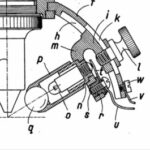 Michael Gilligan
 Bill Phinn
 Jeff Dayman
 Barnaby Wilde
 Nick Clarke 3
 Nigel Graham 2
 Ed Duffner
 I.M. OUTAHERE
 Mick B1
 Neil Wyatt
 duncan webster 1
- Please log in to reply to this topic. Registering is free and easy using the links on the menu at the top of this page.
Latest Replies
-
- Topic
- Voices
- Last Post
-
-
Emco Compact 5 milling table restoration
Started by:
rikt
in: Manual machine tools
- 6
-
4 September 2026 at 03:38
Pete
-
Annular burner design
Started by:
Mark Smith 3
in: Beginners questions
- 1
-
4 September 2026 at 02:39
Mark Smith 3
-
New motor for a Myford super 7
1
2
Started by:
Hollowpoint
in: Electronics in the Workshop
- 19
-
3 September 2026 at 23:54
Brian Lee
-
Over Engineered Pencil Sharpener
Started by:
Clive Foster
in: The Tea Room
- 5
-
3 September 2026 at 23:50
duncan webster 1
-
Inserting An Angled Feature (Alibre Atom)
Started by:
Nigel Graham 2
in: CAD – Technical drawing & design
- 3
-
3 September 2026 at 22:17
Nigel Graham 2
-
Long screwdriver, I know that it usually works but why?
1
2
Started by:
File Handle
in: The Tea Room
- 21
-
3 September 2026 at 22:04
mark costello 1
-
How long?
Started by:
Adrian 2
in: The Tea Room
- 12
-
3 September 2026 at 21:35
mark costello 1
-
Fixed steady for WM210 lathe
Started by:
Chris Kaminski
in: Workshop Tools and Tooling
- 5
-
3 September 2026 at 21:21
Chris Kaminski
-
Reverting A Section To Full View? (Alibre Atom)
Started by:
Nigel Graham 2
in: CAD – Technical drawing & design
- 4
-
3 September 2026 at 21:14
David Jupp
-
Workshop explosion
Started by:
Robert Atkinson 2
in: The Tea Room
- 1
-
3 September 2026 at 20:23
Robert Atkinson 2
-
Chuck backplates
Started by:
Kiwi Bloke
in: Materials
- 10
-
3 September 2026 at 18:32
old mart
-
electrical socket screw problem
Started by:
Buffer
in: General Questions
- 9
-
3 September 2026 at 17:01
Journeyman
-
Watchmaker’s Gear-Hobbing Machine
Started by:
Michael Gilligan
in: Clocks and Scientific Instruments
- 6
-
3 September 2026 at 15:49
Michael Gilligan
-
Alibre Atom3D – extended trial stops working
Started by:
David Jupp
in: CAD – Technical drawing & design
- 1
-
3 September 2026 at 13:56
David Jupp
-
Printed circuit boards
Started by:
duncan webster 1
in: Electronics in the Workshop
- 5
-
3 September 2026 at 10:14
John Haine
-
Chronos closing down.
1
2
3
4
Started by:
Andrew Tinsley
in: General Questions
- 36
-
3 September 2026 at 08:17
Hollowpoint
-
Exeter & District Model Engineers Viaduct Open
Started by:
Bazyle
in: Model engineering club news
- 6
-
2 September 2026 at 23:59
Bazyle
-
Emco SL1000 lathe/drill/mill
Started by:
old mart
in: Manual machine tools
- 3
-
2 September 2026 at 21:07
old mart
-
IMLEC 2026 video?
Started by:
Derek Drover
in: General Questions
- 1
-
2 September 2026 at 09:36
Derek Drover
-
Working at a different scale
Started by:
Adrian R2
in: The Tea Room
- 2
-
2 September 2026 at 07:37
Adrian R2
-
Reconstruction of dimensions fom a photo…
Started by:
Robin Graham
in: Beginners questions
- 8
-
1 September 2026 at 22:36
Robin Graham
-
Viceroy Lathes
Started by:
Martin Cargill
in: Help and Assistance! (Offered or Wanted)
- 1
-
1 September 2026 at 21:11
Martin Cargill
-
What Did You Do Today 2026
1
2
…
6
7
Started by:
JasonB
in: The Tea Room
- 46
-
1 September 2026 at 18:43
File Handle
-
Jaxon Steam Car ride to the next beergarden
Started by:
Werner Schleidt
in: Traction engines
- 4
-
1 September 2026 at 16:26
Werner Schleidt
-
Parting off
1
2
Started by:
Peter Simpson 3
in: Beginners questions
- 19
-
1 September 2026 at 16:08
old mart
-
Emco Compact 5 milling table restoration
 rikt
rikt Pete
Pete Mark Smith 3
 Hollowpoint
 Brian Lee
 Clive Foster
 duncan webster 1
 Nigel Graham 2
 File Handle
 mark costello 1
 Adrian 2
 Chris Kaminski
 David Jupp
 Robert Atkinson 2
 Kiwi Bloke
 old mart
 Buffer
 Journeyman
 Michael Gilligan
 John Haine
 Andrew Tinsley
 Bazyle
 Derek Drover
 Adrian R2
 Robin Graham
 Martin Cargill
 JasonB
 Werner Schleidt
 Peter Simpson 3
Latest Issue
Newsletter Sign-up
Latest Replies
- Emco Compact 5 milling table restoration
- Annular burner design
- New motor for a Myford super 7
- Over Engineered Pencil Sharpener
- Inserting An Angled Feature (Alibre Atom)
- Long screwdriver, I know that it usually works but why?
- How long?
- Fixed steady for WM210 lathe
- Reverting A Section To Full View? (Alibre Atom)
- Workshop explosion

