Myford 7 Capacity Check

Myford 7 Capacity Check

Home Forums Help and Assistance! (Offered or Wanted) Myford 7 Capacity Check

Viewing 22 posts - 1 through 22 (of 22 total)
  • Author
    Posts
  • #422214
    Andy Reynolds
    Participant
      @andyreynolds

      I have been scratching my head for a while now so I thought I would come and ask the experts…

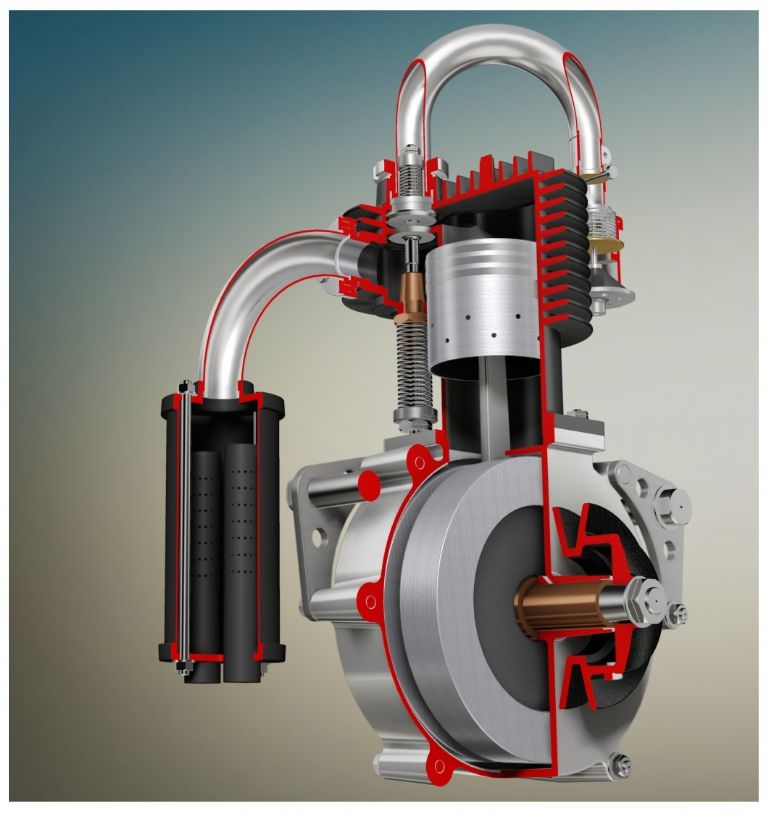
      I am planning on building an engine, the original plans of which can be found here:

      https://archive.org/details/motorbicyclebuil00hasliala/page/66

      I am concerned that if I purchase a Myford 7 lathe then I will be exceeding the Myford's maximum capacity.

      The engine crankcase measures roughly 9" in diameter by 2" in depth.

      Does anybody have any practical knowledge as to what I can safely squeeze in without resorting to a homemade spindle raiser?

      Cheers,

      Andy

      #33433
      Andy Reynolds
      Participant
        @andyreynolds
        #422244
        JasonB
        Moderator
          @jasonb

          I'm not really a Myford man but think the part will be too deep for teh gap particularly the half with the timing gear case which will push it away from a faceplate. You may just get away with diameter but would need to work out what the radius is to the corner of teh cylinder flange.

          Is it going in a bike? if not you could scale it down to a more manageable size or I have seen similar early bike engine crankcases done as welded fabrications.

          #422246
          JasonB
          Moderator
            @jasonb

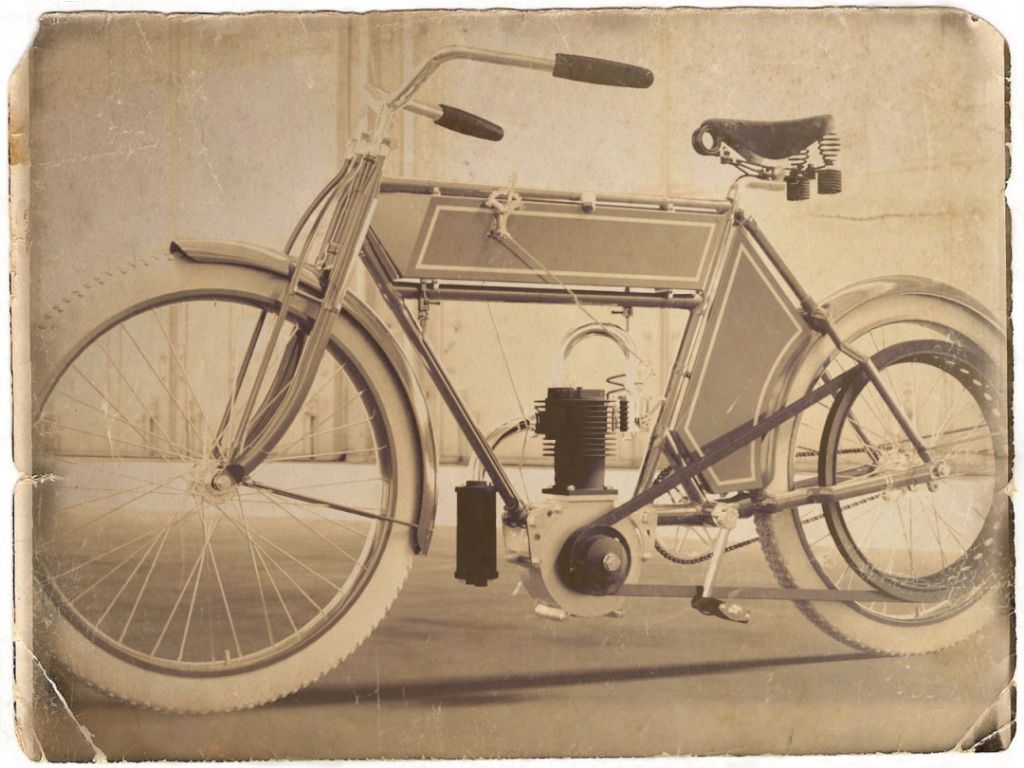
            Fabricated version of the same engine on Madmodder here plus a bike to put it in.

            #422255
            Martin of Wick
            Participant
              @martinofwick

              7 in. swing over bed 9 in.  in the gap

              Barely 1 1/4 in. (31mm) horizontal  in gap between faceplate and bed on a 7

              Just over 1 1/2 in. on S7

              Edited By Martin of Wick on 02/08/2019 17:04:28

              Edited By Martin of Wick on 02/08/2019 17:06:35

              #422262
              Andy Reynolds
              Participant
                @andyreynolds

                Thanks to both of you for the quick response.

                Well it looks like I have the following options:

                (a) change the engine design which is not something I wish to do

                (b) look for a larger capacity lathe which is not something I wish to do

                (c) go research and then build my own copy of the myford spindle raiser as I am assuming no commercial offerings are available.

                I was aware of the madmodder link posted. I found that link a while back and saw that he went away from the original plans that Hasluck gave. My version of the bike is an attempt to be as authentic as possible to see what it would have been like to build and ride back in 1906.

                Cheers – Andy

                001.jpg002.jpg

                #422273
                JasonB
                Moderator
                  @jasonb

                  Andy, do you have a milling machine as the crankcase halves could be machined on that as well as cutting the lip and recess around the joint with the aid of a rotary table. A boring head would take care of the bearing holes

                  Are you proposing to use castings or cut the crankcase halves from solid?

                  #422281
                  Andy Reynolds
                  Participant
                    @andyreynolds

                    I am in the process of sorting out the CAD I have developed to create patterns that will be 3D printed for sand casting. .

                    I am afraid that I don't have a milling machine hence my attempt at trying to get the parts to fit on a face plate somehow…

                    #422283
                    jann west
                    Participant
                      @jannwest71382

                      J A Radford has an elevating head for the Myford in "improvements and accessories for your lathe" TEE Publishing 1998 (from p 57)

                      It's not a small job, though!

                      #422286
                      Andy Reynolds
                      Participant
                        @andyreynolds

                        Thank you very much Jann that book is now on order. Aside from the additional work in fabricating the spindle raiser I would be worried about the additional load placed on the lathe and the resultant final accuracy one could achieve.

                        It looks like the sensible option is to cough up for a larger lathe or find a milling machine to complement the myford.

                        Many thanks – Andy

                        #422289
                        DC31k
                        Participant
                          @dc31k
                          Posted by Martin of Wick on 02/08/2019 17:03:45:

                          7 in. swing over bed 9 in. in the gap

                          Barely 1 1/4 in. (31mm) horizontal in gap between faceplate and bed on a 7

                          Just over 1 1/2 in. on S7

                          Would it be more relevant to measure between spindle nose and bed? Perhaps also between spindle nose and headstock casting.

                          You could make an offset (towards headstock) faceplate that accommodates the 2" width required.

                          In a push, buy a bed off one of the spares breakers and cut some off the ways.

                          #422290
                          Michael Gilligan
                          Participant
                            @michaelgilligan61133
                            Posted by DC31k on 02/08/2019 20:05:45:
                            .
                            In a push, buy a bed off one of the spares breakers and cut some off the ways.

                            .

                            Good suggestion yes

                            A bed that's damaged with hacksaw marks from "parting-off" by some timid former owner should be dirt cheap.

                            MichaelG.

                            #422294
                            Nick Clarke 3
                            Participant
                              @nickclarke3

                              If you have the room a larger lathe may quite possibly be no more expensive that an ML7 and probably cheaper than a Super 7 which seem to go for a lot more money.

                              Unfortunately accessories and tooling follows the original price of an industrial machine, ie can be expensive.

                              Any used machine is an unknown quantity and need thoroughly checking over I suggest you take (another) knowledgeable person with you – no matter the level of a purchasers experience it is possible to get carried away in front of a machine you want – a calming voice is useful – I know from (bad) experience!!

                              The sales pages of Lathes.co.uk might be a good place to look for information as well as the lathe itself. **LINK**

                              #422295
                              Martin of Wick
                              Participant
                                @martinofwick

                                For possible raiser, see **LINK** for myfordboys interpretation. Although his is designed for a ML10, you could try asking if he would be prepared to flog you a casting that you could adapt for a 7.

                                I would have imagined that T10 timing pulleys and belt would be preferable to gears for a smoother drive – and no need to run in reverse. Just as easy to gear down to suit your intended use.

                                #422302
                                JasonB
                                Moderator
                                  @jasonb
                                  Posted by DC31k on 02/08/2019 20:05:45:

                                  Would it be more relevant to measure between spindle nose and bed? Perhaps also between spindle nose and headstock casting.

                                  You could make an offset (towards headstock) faceplate that accommodates the 2" width required.


                                  Won't help as the bearing housings will touch the end of the spindle so that is the limiting factor in how close to the headstock the parts will go. It would need at least 3" infront of the spindle to be able to swing it in the gap.

                                  Swinging that cylinder casting won't be easy either as it looks like you will need a good 4" between cross slide and lathe axis. With the riser and an extended height tool post you may have a job getting that 6"plus depth of bore parallel. It's also going to be a lot harder to work out how to hold the cylinder than the crannkcase halves which are quite easy to hold without increasing the diameter due to clamps etc.

                                  Edited By JasonB on 02/08/2019 20:46:04

                                  Edited By JasonB on 02/08/2019 20:50:06

                                  #422308
                                  old mart
                                  Participant
                                    @oldmart

                                    The biggest faceplate I have seen for a Myford is 9" diameter. A larger faceplate using a backplate with that small 1 1/8" spindle is rather ambitious.

                                    #422319
                                    John Olsen
                                    Participant
                                      @johnolsen79199

                                      Bear in mind that you can't usually get right to the maximum size since you have to be able to hold the job somehow. So it is generally better to have something with a bit to spare.

                                      However…if it is only going to be one or two parts of a job that won't fit the machine, sometimes it is better to just find someone cooperative to help with those bits. Usually best to make a start on the bits you can do, then when people ask how you are going to do the big bits , say you are hoping that something will turn up. People are more likely to offer to help if they can see you are making a good start. This worked for me with my compound launch engine, where some of the bits were too big for my ML7. Speaking of which, by the time you have a face plate on there is not much gap left on the Myford anyway.

                                      John

                                      #422334
                                      JasonB
                                      Moderator
                                        @jasonb

                                        As I hinted to earlier the crankcase halves are not too difficult to hold and you don't need any large faceplates or chuck to be able to hole them.

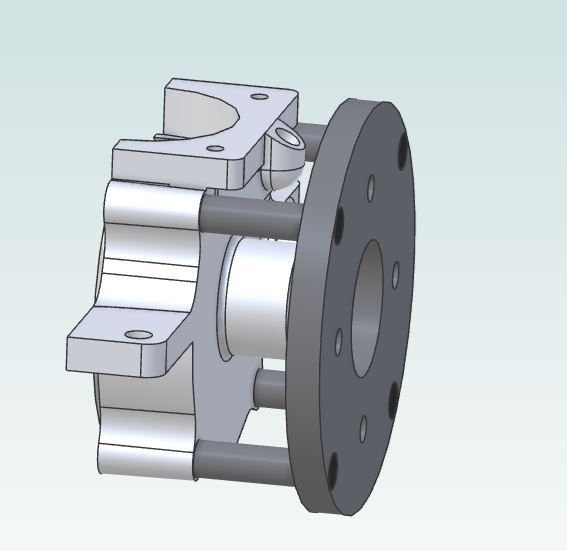
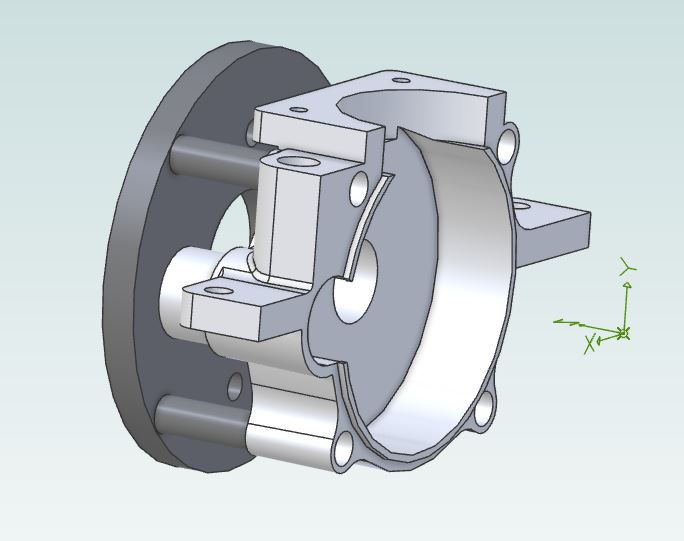
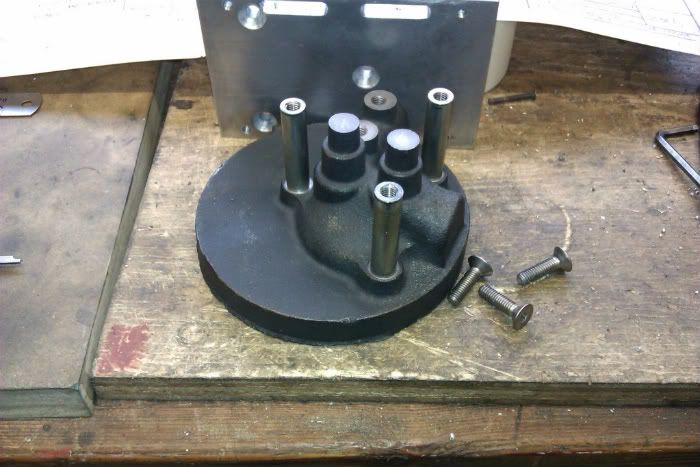
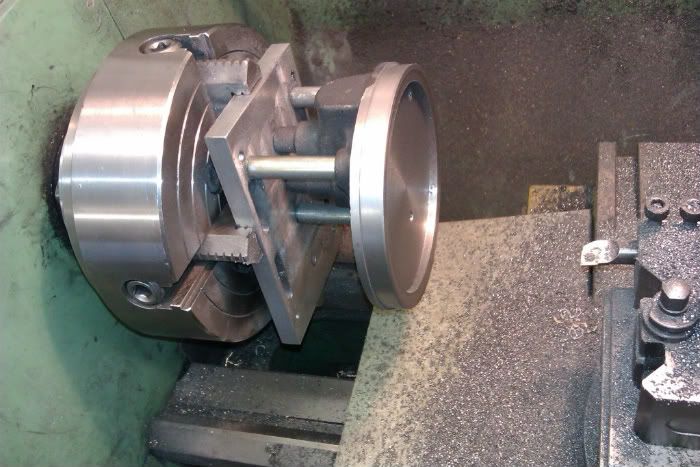
                                        The trick is to first tap the bolt holes and then with the use of stand-offs the casting can be screwed to a machining plate or disc that is in turn tapped to suit the spacing of your faceplate slots. Something like this would fit a 7" faceplate and 8"+ part, the central hole in the plate could even be made large enough to accommodate the bearing housing to keep projection as small as possible.

                                        bike engine 1.jpg

                                        bike engine 2.jpg

                                        Similar setup on this cylinder head to allow for the rocker arm post

                                        Edited By JasonB on 03/08/2019 07:41:21

                                        #422355
                                        Nigel McBurney 1
                                        Participant
                                          @nigelmcburney1

                                          why not go for a 5 inch centre height Boxford ,theres no gap but has the advantage of 5 inch capacity all the way down the bed,takes about the same space as a myford,and has a larger spindle bore.Note ,take care a lot of Boxfords are only 4 1/2 centre height

                                          also consider a Colchester Bantam ,the earlier ones were 5 inch centre height ,later one shave increased centre height,although a bit larger and heavier they are a lot better for engine and motor cycle work as the spindle bore is larger.

                                          #422387
                                          Neil Wyatt
                                          Moderator
                                            @neilwyatt
                                            Posted by Andy Reynolds on 02/08/2019 19:39:20:

                                            Thank you very much Jann that book is now on order. Aside from the additional work in fabricating the spindle raiser I would be worried about the additional load placed on the lathe and the resultant final accuracy one could achieve.

                                            It looks like the sensible option is to cough up for a larger lathe or find a milling machine to complement the myford.

                                            Many thanks – Andy

                                            Radford's solution is complex and cumbersome, a bigger project than building that engine.It's pretty much pointless unless you have an overwhelming desire to use the lathe as an underpowered horizontal mill or have some obsessive need to have a variable centre height lathe (to what end?).

                                            Plain riser blocks will do the job just as well.

                                            #422403
                                            Howard Lewis
                                            Participant
                                              @howardlewis46836

                                              There are far eastern machines which will swing larger diameters than a Myford 7 series. They may be cheaper than a used British machine. The later ones, less than 20 years old, can have quite a good spec.and be available fairly cheaply, relative to a Myford.

                                              Think Warco BH600, Chester Craftsman, and their successors, as possible contenders. They will swing 12" over the bed, 18" in the gap, and are heavier and more rigid machines, than the 7 Series Myfords.

                                              Obviously, buying any used machine, you need to check for wear and damage.

                                              Machines, ex industry are likely be 3 phase, so the cost of a motor for single phase use, may need to be factored in to the budget. Plus how much space is available for the machine?

                                              HTH

                                              Howard

                                              #425447
                                              Andy Reynolds
                                              Participant
                                                @andyreynolds

                                                Thanks to everybody who has responded. My apologies for the long gap – it was a result of leaving the office and switching the computer off for a fortnight in order to go away on holiday.

                                                @DC31k @Michael Gilligan

                                                Buying another bed to modify is a good idea. It seems somewhat profligate to chop one up in order to make what I need but I appreciate the lateral thinking.

                                                @Nick Clarke 3 @ Martin of Wick @ JasonB @ old mart @ John Olsen @ Neil Wyatt

                                                A larger lathe does seem to be the answer and I think I was being foolishly naive to think that a Myford could do this job. Whilst on holiday I went back through the original text and started laying out the process steps for each component.

                                                I realised that the cylinder head needs to be mounted to the face plate on an offset in order to bore out the exhaust valve chamber and the flywheel also needs to be mounted on an offset to bore out the taper joints. Both of these jobs need a lot of room…

                                                So that means using a raiser extension or raiser blocks and pushing things right to the very limit with all of the associated problems or simply admitting that I need more capacity…

                                                @ Nigel McBurney 1

                                                Which means that thanks to all of your input on this forum I have arrived at the answer of purchasing a larger capacity Boxford lathe – or similar – as the best answer.

                                                @ JasonB

                                                Thank you very much for taking the time to post the screen grab of the crankcase machining process. The book calls for a 4 jaw chuck but I think I prefer your approach. I also see somebody else has Solidworks

                                                Thanks again to everybody who has taken the time to respond to my initial question. This is the first time I have used this forum and I really appreciate how people are willing to freely offer up their hard won knowledge.

                                                Enjoy your day – Andy

                                              Viewing 22 posts - 1 through 22 (of 22 total)
                                              • Please log in to reply to this topic. Registering is free and easy using the links on the menu at the top of this page.

                                              Latest Replies

                                              Viewing 25 topics - 1 through 25 (of 25 total)
                                              Viewing 25 topics - 1 through 25 (of 25 total)

                                              View full reply list.