D-bits
D-bits
- This topic has 12 replies, 9 voices, and was last updated 3 April 2020 at 22:10 by
 Peter Lamb 4.
 Peter Lamb 4.
 PaulR
PaulR Anonymous
 Russell Eberhardt
 Bazyle
 mark smith 20
 Neil Wyatt
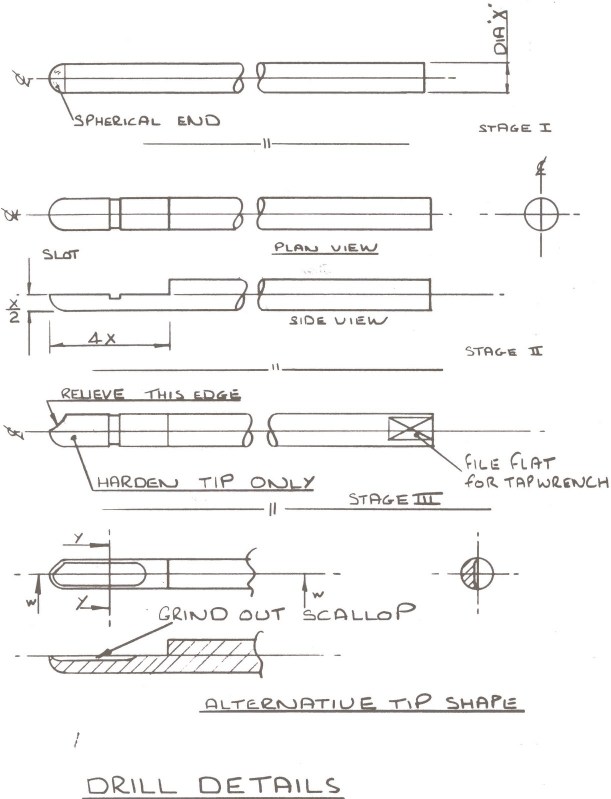
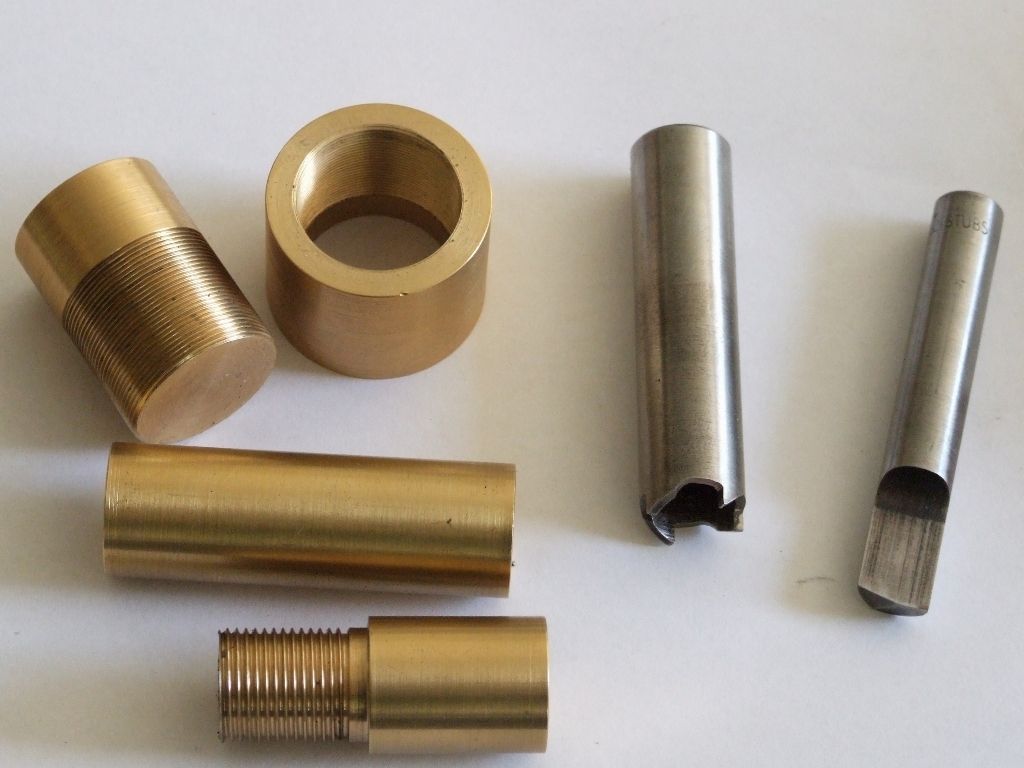
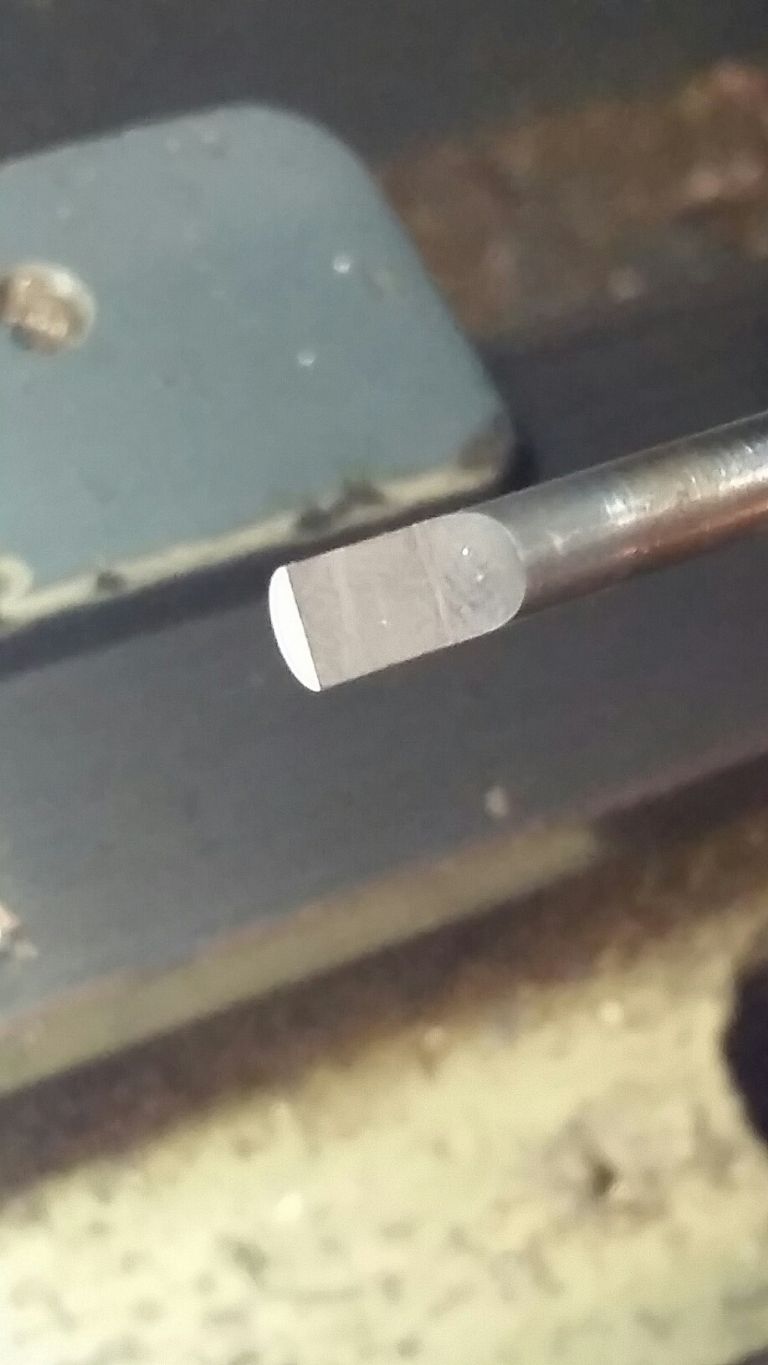
 . I made a 3mm version, the smallest I'm likely to need – I had to use a magnifier to see what I was doing on the business end though! Using 48 rpm in the lathe and a #32 drill for the initial holes, I made a through hole and a blind hole in two pieces of steel and the fit of a separate piece of 3mm tool steel is excellent; one piece will sit on the rod while it's being held vertically without sliding down, and pulling the rod out of the blind hole gives a satisfying 'pop'. Whether or not the hole is flat bottomed it's hard to say – the bottom of a 3mm hole half inch deep is difficult to see!
 Ajohnw
 There is no way I can file that flat now so I just mill them flat. I'd add too much rock naturally.
 I can't remove metal that quickly with a file now either. It only took a couple of mins. Takes longer to mill one.
 Neil Lickfold
 Peter Lamb 4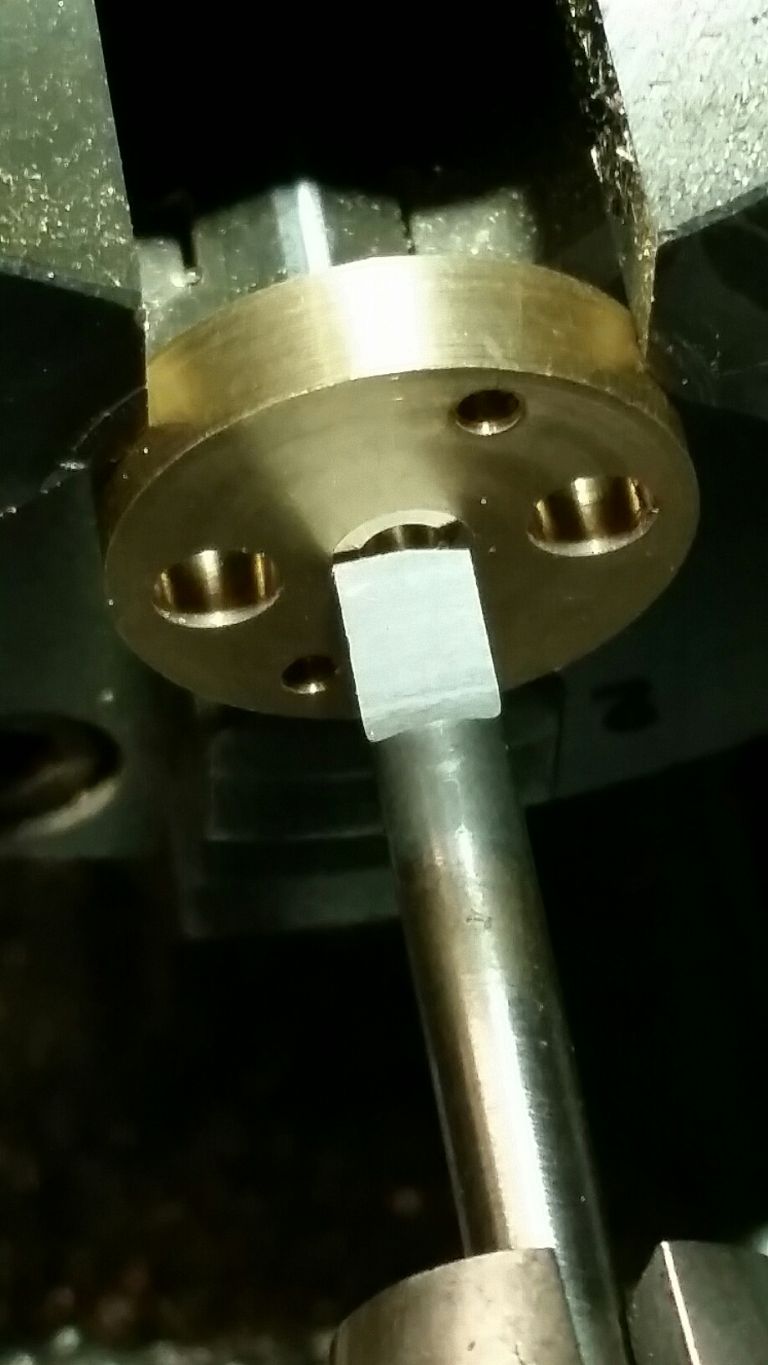
- Please log in to reply to this topic. Registering is free and easy using the links on the menu at the top of this page.
Latest Replies
-
- Topic
- Voices
- Last Post
-
-
A first for ME&W
1
2
Started by:
Andrew Tinsley
in: Model Engineer.
- 22
-
27 October 2026 at 17:26
John Haine
-
Lathe improvements?
1
2
…
5
6
Started by:
Niels Abildgaard
in: Manual machine tools
- 24
-
27 October 2026 at 17:05
JasonB
-
Single Phase Motor Soft Start
Started by:
Bob Sillitoe
in: General Questions
- 2
-
27 October 2026 at 16:49
Bob Sillitoe
-
5″ loco support jig
Started by:
Peter Venn
in: General Questions
- 7
-
27 October 2026 at 15:36
noel shelley
-
Making a Solid Rubber Tyre
Started by:
William Harvey 1
in: Help and Assistance! (Offered or Wanted)
- 8
-
27 October 2026 at 15:23
William Harvey 1
-
Hydrostatic Transmission by Mike Tilby
Started by:
Ronald Wagner
in: Model Engineer & Workshop
- 6
-
27 October 2026 at 15:21
Mike Tilby
-
SolidCraft Features.
Started by:
blowlamp
in: CAD – Technical drawing & design
- 4
-
27 October 2026 at 15:00
Bazyle
-
Emco FB2 Quirks and Additions
1
2
…
4
5
Started by:
Graham Meek
in: Manual machine tools
- 21
-
27 October 2026 at 12:28
Graham Meek
-
New member
Started by:
cedricvale
in: Introduce Yourself – New members start here!
- 1
-
27 October 2026 at 10:39
cedricvale
-
Myford VMB mill
Started by:
lctikka61
in: Manual machine tools
- 2
-
27 October 2026 at 09:47
John Haine
-
Mystery milling machine quick change tool
Started by:
Rainbows
in: Workshop Tools and Tooling
- 1
-
26 October 2026 at 22:42
Rainbows
-
Change old AC motor to BLDC motor in Sieg C6
1
2
Started by:
Jens Eirik Skogstad 1
in: Electronics in the Workshop
- 15
-
26 October 2026 at 21:50
Huub
-
ML7 history
Started by:
Speedy Builder5
in: Workshop Tools and Tooling
- 7
-
26 October 2026 at 17:00
Dave Wootton
-
Microswitch accuracy
Started by:
Speedy Builder5
in: Electronics in the Workshop
- 9
-
26 October 2026 at 15:43
Chris Gunn
-
My EMCO FB-2
Started by:
Ger
in: Manual machine tools
- 3
-
26 October 2026 at 13:45
Ger
-
Posting 1 hour in the future
Started by:
Dalboy
in: The Tea Room
- 4
-
26 October 2026 at 13:32
not done it yet
-
What Did You Do Today 2026
1
2
…
9
10
Started by:
JasonB
in: The Tea Room
- 55
-
26 October 2026 at 12:50
Dave S
-
John Haining 2″ Ruston
Started by:
Pixel_Porpoise
in: Help and Assistance! (Offered or Wanted)
- 5
-
26 October 2026 at 09:25
Paul Lousick
-
Broken Elliot chuck screw
Started by:
davelong22
in: Beginners questions
- 4
-
25 October 2026 at 19:38
old mart
-
New to castings
Started by:
BOB BLACKSHAW 1
in: Workshop Techniques
- 5
-
25 October 2026 at 15:49
BOB BLACKSHAW 1
-
Dry PTFE Spray
Started by:
Michael Gilligan
in: The Tea Room
- 10
-
25 October 2026 at 15:36
alan ord 2
-
More help with Rachel Wall engine
Started by:
Steve Huckins
in: Beginners questions
- 3
-
25 October 2026 at 15:27
Steve Huckins
-
Free Metal
Started by:
Dalboy
in: Materials
- 6
-
25 October 2026 at 13:30
Dalboy
-
Les Warnett 9f Tender Axle Box Location
Started by:
markcs
in: Locomotives
- 3
-
25 October 2026 at 12:28
markcs
-
Stuart twin compound
Started by:
teamricky
in: Stationary engines
- 5
-
25 October 2026 at 09:05
teamricky
-
A first for ME&W
1
2
 Andrew Tinsley
  John Haine
 Niels Abildgaard
  JasonB
 Bob Sillitoe
  Peter Venn
  noel shelley
 William Harvey 1
  Ronald Wagner
  Mike Tilby
 blowlamp
  Bazyle
 Graham Meek
  cedricvale
  lctikka61
  Rainbows
  Jens Eirik Skogstad 1
  Huub
Huub Speedy Builder5
  Dave Wootton
 Chris Gunn
 Ger
Ger  Dalboy
  not done it yet
 Dave S
 Pixel_Porpoise
  Paul Lousick
 davelong22
  old mart
 BOB BLACKSHAW 1
  Michael Gilligan
  alan ord 2
 Steve Huckins
  markcs
  teamricky