

Any geologists out there?
Any geologists out there?
- This topic has 12 replies, 11 voices, and was last updated 6 October 2019 at 23:06 by
 Robin Graham.
 Robin Graham.
 Robin Graham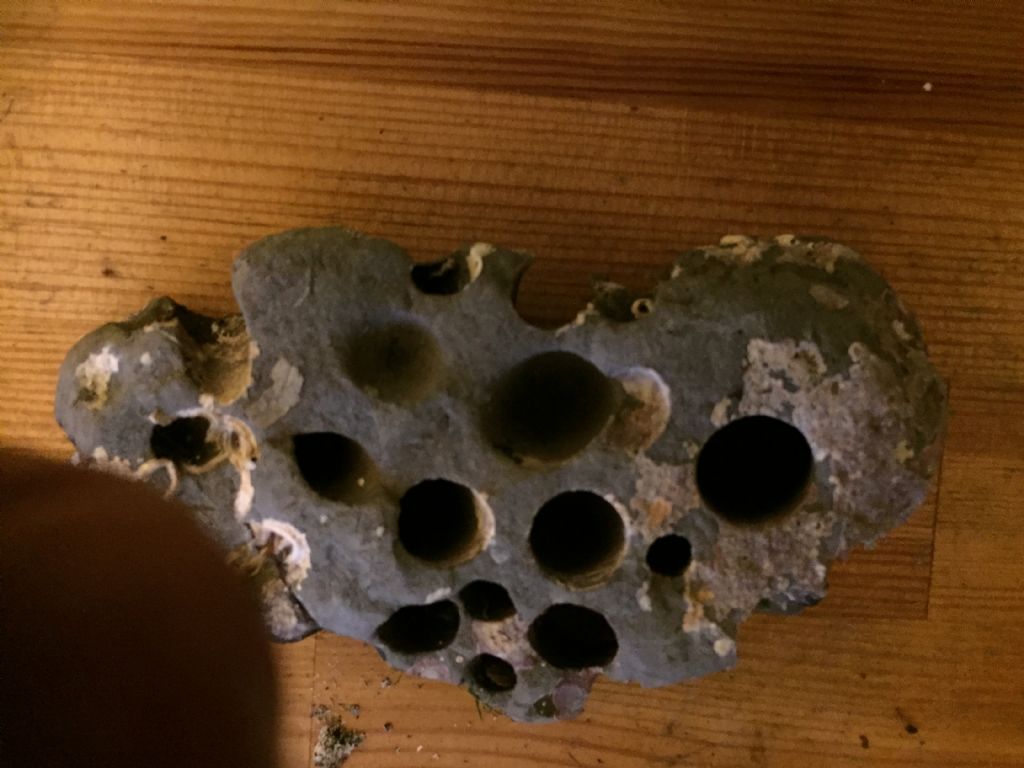
 David George 1
 Diogenes
 Martin King 2
 Weary
Weary Dave Halford
 Pete Rimmer
 ega
ega Mike E.
 Brian B
 Ian Johnson 1
 ) would shed light.
- Please log in to reply to this topic. Registering is free and easy using the links on the menu at the top of this page.
Latest Replies
-
- Topic
- Voices
- Last Post
-
-
What is this Tool?
Started by:
James A
in: Workshop Tools and Tooling
- 1
-
6 September 2026 at 22:24
James A
-
1904 Whitehead Vertical Gas Engine
Started by:
JasonB
in: I/C Engines
- 4
-
6 September 2026 at 20:58
Andrew Crow
-
“Wanted” Big Boy 4884 3.5 True to Scale Services
Started by:
corbin371
in: Help and Assistance! (Offered or Wanted)
- 6
-
6 September 2026 at 20:45
Bazyle
-
spark eroder
Started by:
martin haysom
in: General Questions
- 6
-
6 September 2026 at 20:06
Robert Atkinson 2
-
Stuart 10V conn rod
Started by:
Neil A
in: Materials
- 4
-
6 September 2026 at 18:12
John Purdy
-
Long screwdriver, I know that it usually works but why?
1
2
Started by:
File Handle
in: The Tea Room
- 24
-
6 September 2026 at 15:40
Nicholas Farr
-
3 1/2” gauge loco, coupling height?
Started by:
Paul McDonough
in: Locomotives
- 2
-
6 September 2026 at 15:33
noel shelley
-
New Milling Machine with a DRO problem
Started by:
Keith Fitch
in: General Questions
- 4
-
6 September 2026 at 13:08
JasonB
-
Reaming drill sizs
1
2
Started by:
Steve Huckins
in: Beginners questions
- 22
-
6 September 2026 at 12:50
Howard Lewis
-
New member
Started by:
corbin371
in: Introduce Yourself – New members start here!
- 3
-
6 September 2026 at 12:36
Howard Lewis
-
How much !?!
Started by:
Michael Gilligan
in: Workshop Tools and Tooling
- 15
-
6 September 2026 at 12:25
gerry madden
-
Chuck backplates
Started by:
Kiwi Bloke
in: Materials
- 11
-
6 September 2026 at 09:54
Kiwi Bloke
-
Inserting An Angled Feature (Alibre Atom)
Started by:
Nigel Graham 2
in: CAD – Technical drawing & design
- 3
-
6 September 2026 at 08:38
David Jupp
-
Over Engineered Pencil Sharpener
Started by:
Clive Foster
in: The Tea Room
- 14
-
6 September 2026 at 08:35
David Ambrose
-
Annular burner design
Started by:
Mark Smith 3
in: Beginners questions
- 6
-
5 September 2026 at 21:49
Mark Smith 3
-
Chuck disassembly
Started by:
AJW
in: Workshop Tools and Tooling
- 4
-
5 September 2026 at 18:26
old mart
-
Albrecht Chucks
Started by:
Michael Gilligan
in: Workshop Tools and Tooling
- 2
-
5 September 2026 at 17:51
old mart
-
My week this week! My workshop videos
1
2
…
13
14
Started by:
Phil Whitley
in: The Tea Room
- 16
-
5 September 2026 at 11:55
Phil Whitley
-
Reverting A Section To Full View? (Alibre Atom)
Started by:
Nigel Graham 2
in: CAD – Technical drawing & design
- 4
-
4 September 2026 at 21:46
Nigel Graham 2
-
MS-272-100 Digital Linear Scale direction of reading
Started by:
Peter Cook 6
in: Workshop Tools and Tooling
- 7
-
4 September 2026 at 18:32
Peter Cook 6
-
Emma Victoria boiler end of the road
1
2
Started by:
Bill Dawes
in: Locomotives
- 10
-
4 September 2026 at 13:39
Bill Dawes
-
What Did You Do Today 2026
1
2
…
6
7
Started by:
JasonB
in: The Tea Room
- 46
-
4 September 2026 at 11:40
Dalboy
-
How long?
Started by:
Adrian 2
in: The Tea Room
- 14
-
4 September 2026 at 11:29
Baz
-
Rob Roy Build
Started by:
Dalboy
in: Locomotives
- 5
-
4 September 2026 at 11:28
Dalboy
-
Working at a different scale
Started by:
Adrian R2
in: The Tea Room
- 3
-
4 September 2026 at 08:26
Howard Lewis
-
What is this Tool?
 James A
 JasonB
 Andrew Crow
 corbin371
 Bazyle
 martin haysom
 Robert Atkinson 2
 Neil A
 John Purdy
 File Handle
 Nicholas Farr
 Paul McDonough
 noel shelley
 Keith Fitch
 Steve Huckins
 Howard Lewis
 Michael Gilligan
 gerry madden
 Kiwi Bloke
 Nigel Graham 2
 David Jupp
 Clive Foster
 David Ambrose
 Mark Smith 3
 AJW
AJW old mart
 Phil Whitley
 Peter Cook 6
 Bill Dawes
 Dalboy
 Adrian 2
 Baz
Baz Adrian R2
Latest Issue

Newsletter Sign-up
Latest Replies

