Emco Compact 5 Modifications

Emco Compact 5 Modifications

Home Forums Manual machine tools Emco Compact 5 Modifications

Viewing 15 posts - 126 through 140 (of 140 total)
  • Author
    Posts
  • #838427
    Graham Meek
    Participant
      @grahammeek88282

      Hi Jamie,

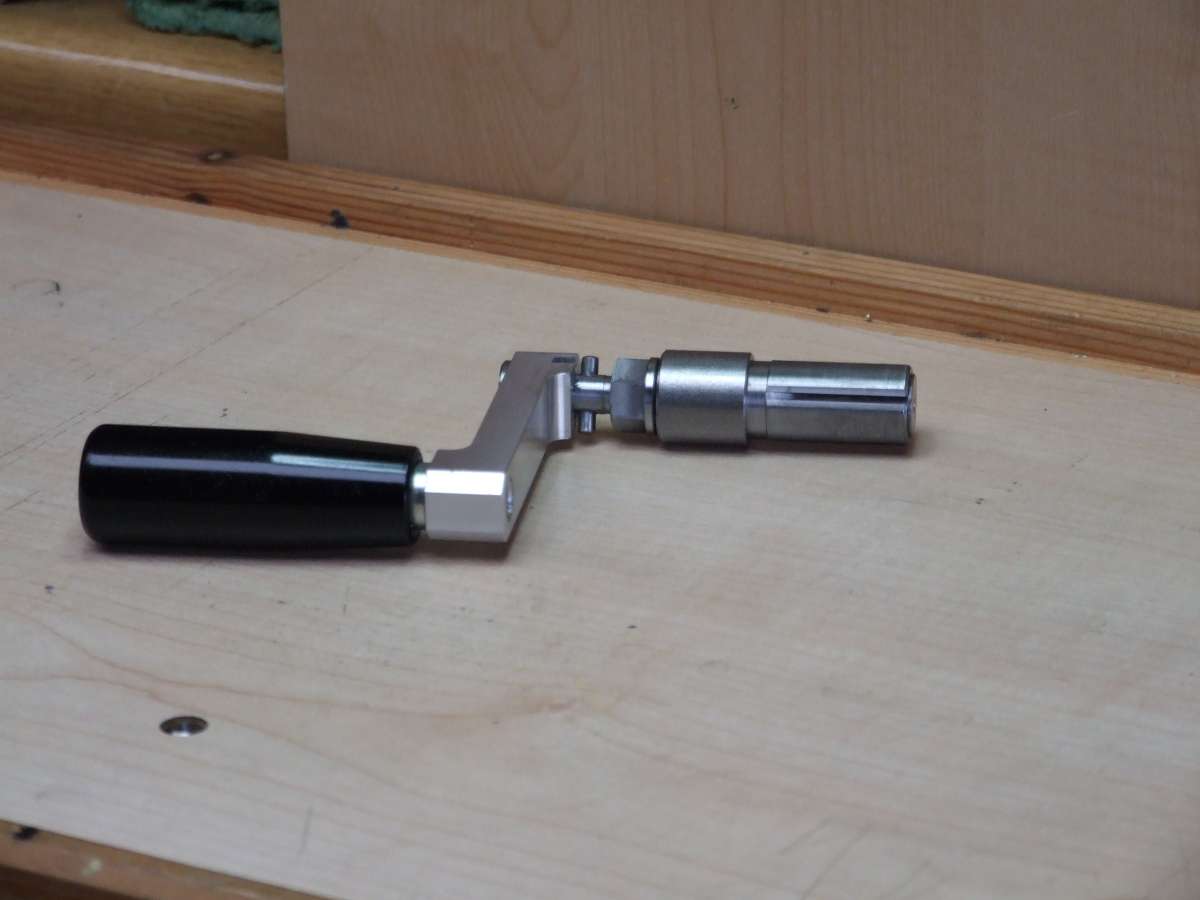
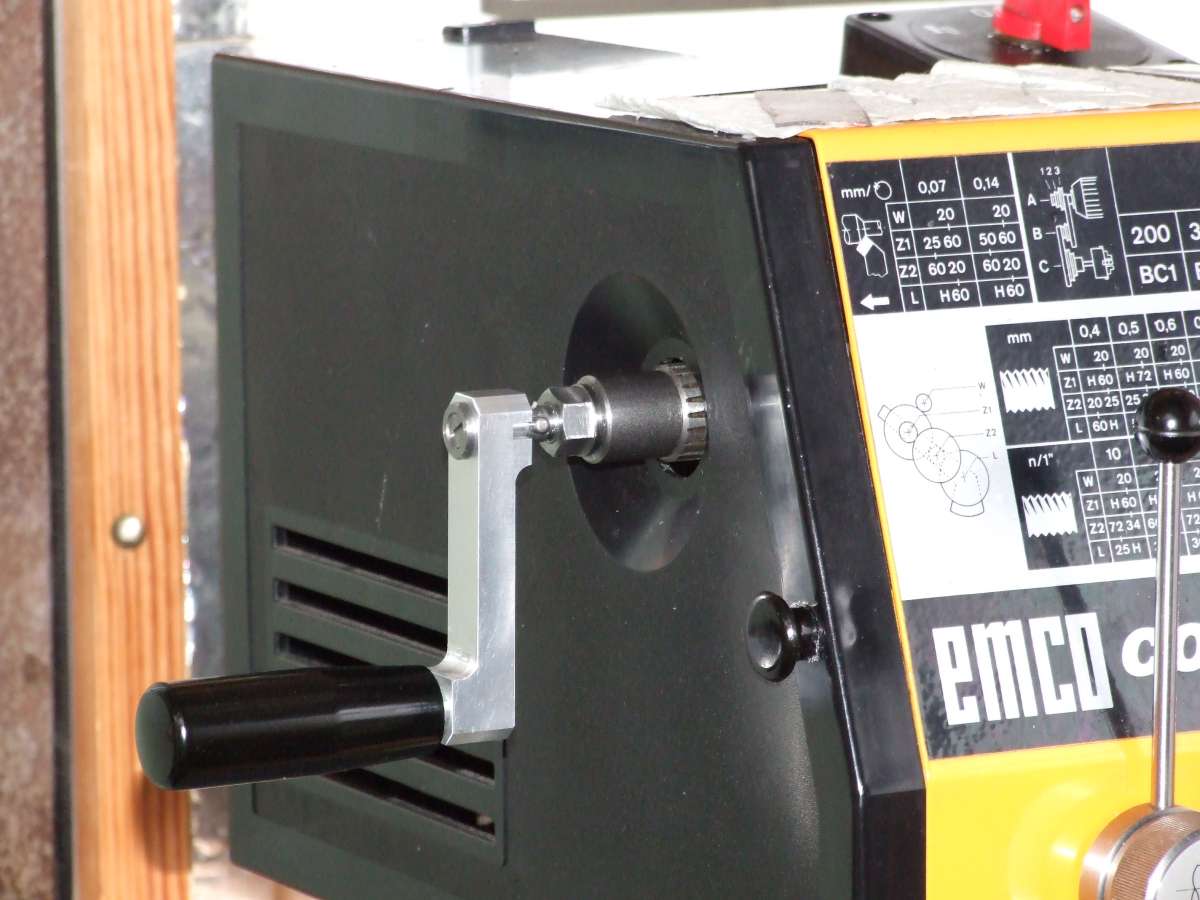
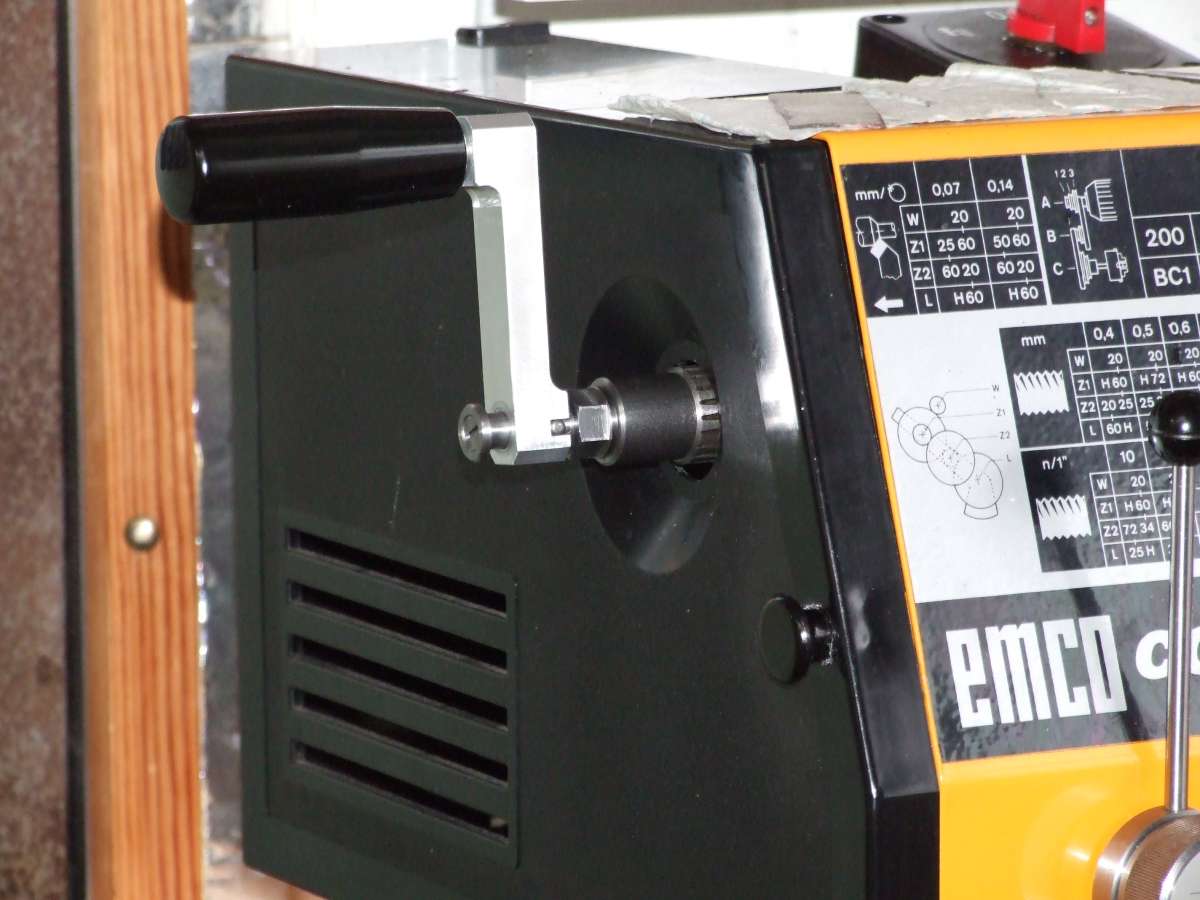
      I am going to ask Jason to upload some PDF’s for a Mandrel Handle that I made towards the end of last year. It might make the screwcutting easier. I use it mainly for tapping holes.

      Regards

      Gray,

      #838440
      JasonB
      Moderator
        @jasonb
        #838455
        Jamie Wood
        Participant
          @jamiewood67138

          Many thanks both,

          I do already have a mandrel handle in anticipation of learning to cut threads, but these will no doubt be very helpful for others who come across this topic in the future.

          Thanks,

          Jamie

          #838474
          Graham Meek
          Participant
            @grahammeek88282

            Thank you Jason,

            Regards

            Gray,

            #838484
            Graham Meek
            Participant
              @grahammeek88282

              Hi Pete,

              You seem to have done quite a bit of work on your C5.

              My lathe is mounted on a piece of Kitchen Counter material. Which forms the top of an integral bench. This is about 38 mm thick and being Man made it is very stable for the weight of the lathe. Some M8 Screwcert Inserts in the counter top provide for levelling the lathe. The levelling screws bear on the two riser blocks I added. This stops me hitting my knuckles on the counter top. Studs from the riser blocks which pass through the counter top anchor the lathe to the bench.

              Levelling Pads

              The leadscrew nut on my lathe has a backlash adjustment as standard. This I have yet to adjust and I have had the lathe over 20 years. In the 4 years since I let my larger Emco machines go, it has done a lot of work. The improved screw cutting facility that the screw cutting clutch gives leads to more frequent usage than on most C5’s I would expect.

              C5 New Carriage

              While I replaced the Carriage on my C5 it was not that badly worn and is in fact enjoying a new life in NZ. I have no qualms with the use of Aluminium for the sliding elements of the machine. Provided good housekeeping and lubrication is carried out this will last for many years. The use of these unorthodox materials is what helped to make these machines more affordable.

              Regards

              Gray,


              #838558
              Pete
              Participant
                @pete41194

                Hi Gray,

                I haven’t done anything even close to the amount of work you’ve done on yours.

                Both of the lead screw nuts I have in my C5 are also split for back lash adjustments. That approximately 95 lb steel plate I have mine bolted down to made a difference far larger than I ever expected it would. At the time it was more of a lucky guess than making a knowledgeable decision to add it.

                If I could afford the extra weight, I’d now do the exact same under my larger lathes as well. But I still used the same design with the screw adjustable bed leveling adjusters Emco used on my C5. The plates and screw adjusters are just increased about 4 times the size with the plate lengths and widths increased for the larger bed feet size. It’s not that hard to make a few 10ths of adjustment for any taper amount the lathe might be cutting with a bit of practice. The amount of adjustment being done can even be directly measured with an indicator in a lathe tool holder on the cross or top slide and its tip centered on the shaft being turned as those adjusters are moved in or out.

                It’s hard to be sure so I have to ask. Is that your own reduced size version of George Thomas’s lever operated top slide for screw cutting? If that’s what it is, then I’m very impressed.

                #838630
                Graham Meek
                Participant
                  @grahammeek88282

                  Hi Pete,

                  While I have built quite a few of George Thomas’s Retracting Topside’s for various people. The one for the C5 is based more on the Hardinge HLV lathe. I think GHT also got his inspiration from this lathe. GHT’s also includes an offset handle and gearing to clear the Tailstock on the Myford.

                  The RT is shown in action and disassembled on page 1 of this post. It was also written up and described in MEW if my memory serves me correctly. Used in conjunction with the Screw cutting clutch it makes very light work of screwcutting threads.

                  The combination of these two mods makes for a very efficient and cheap screw cutting machine.

                  The only thing that this lathe lacks is a decent taper turning attachment for shallow tapers like Morse Tapers. The Emco Taper Turning attachment, or Topslide does not travel far enough for these types of taper. The Topslide handwheel is compromised when working between centres on shallow tapers by the Tailstock. Unless of course the Operator uses excessive overhang on the turning tool. Which is never a good thing on a light lathe.

                  Using an offset centre in the tailstock seems a good move but it also introduces problems with the angularity of the centres. To do this effectively really needs ball centres, or radius style centre drills.

                  The Taper Turning attachment is what I am working on at the moment. This has meant I have had to turn the whole thing on its head as there is no room at the back of the lathe, for a conventional style of Taper Turning attachment. Due to the proximity of the Motor and the Milling and Drilling attachment.

                  I hope to post some details of this later in the year.

                  Regards

                  Gray,

                  #838720
                  Pete
                  Participant
                    @pete41194

                    Hi Gray,

                    I’ve had both of GHT’s Workshop Techniques, and in my opinion the best machining related book I own, his Model Engineers Workshop Manual for many years. But your Projects book is still a close second due to very similar well thought out designs and craftsmanship. However your book seems to be rarely mentioned and maybe under appreciated.

                    My interpretation of what GHT mentioned in that chapter about his lever retraction top slide is that he at the time didn’t know any real details about the Hardinge HLV-H lathes until he saw a catalog picture about them shortly after he’d produced his version. He mentions that in the lower right hand paragraph on page 184 of my copy of his book. I think his mechanical engineering education, training, professional career, experience and design abilities are to me well above average and a rare combination. Even going through all the extra effort of planning, picture taking and then describing how just about every machining operation could be performed on a Myford 7 series lathe with a milling attachment for some tasks, and done when he already had his Tom Senior mill just to help those without a mill was a great deal of extra work. But I do remember seeing at least one retracting top slide, but with a very questionable memory of it. I think it was on a older, rare European tool room lathe as I remember it many many years ago that used that same type of lever operated retraction idea. There were no details about the internal components though. Who knows, GHT may have seen something similar or just came up with the whole idea himself?

                    When Arrand were still in business, I bought there MT 1 tail stock attachment for my C5 that allows off setting the center. But and as you’ve said, the adjustment slide does need to be accurately set to be horizontal. It’s a bit time consuming and fiddly to set that up though. And I’d rather Arrand had offered it with a live center, but if careful about lubrication and tail stock pressure, mine has worked fine.

                    Royal in the U.S. did at one time sell a quite expensive ball tipped live center attachment to do the same, but I seem to recall seeing something mentioned that there’s was actually rebranded and made I think by a UK company? No longer made as far as I know, rare to even find a used one now, and they always seem to sell for very high prices. A picture here. https://www.hobby-machinist.com/threads/royal-offset-live-center.42229/

                    In North America those radius center drills afaik are called and listed in the tool dealer catalogs as a bell center drills. I suspect GHT probably underestimated the effect his thoughts and writings might have on people like myself. Due to him, I bought a set of those center drills and a MT 2 changeable point live center set that Bison makes for use on my larger lathe. I use a couple of fairly small and separate ball bearings, one in the tail stocks smallest female center tip, and just turn my own female center each time its required in the 3 jaw with the second loose ball bearing between it and the work. I think it all works as well as GHT suggested it would. Unfortunately it still doesn’t apply to our C5 lathes with it’s one piece fixed tail stock.

                    #838805
                    Bazyle
                    Participant
                      @bazyle

                      Any views with regards retracting toplside (Hardinge) versus retracting cross-slide (Holbrook)?

                      #840453
                      Graham Meek
                      Participant
                        @grahammeek88282

                        Hi Baz,

                        Sorry I have only just seen your post. I cannot comment as I have only ever used the Hardinge and GHT method.

                        Given Holbrook’s Pedigree I suspect there was a very good reason for going down this route. As they made several lovely attachments for their machines, one to allow the manufacture of Gear Cutting Hobs.

                        Regards

                        Gray,

                        Jason very kindly loaded some PDF’s with the drawings for the Mandrel Handle that I made. Here are a few photographs of the item.

                        DSCF2804

                        DSCF2808DSCF2807


                        Regards

                        Gray,

                        #841730
                        Graham Meek
                        Participant
                          @grahammeek88282

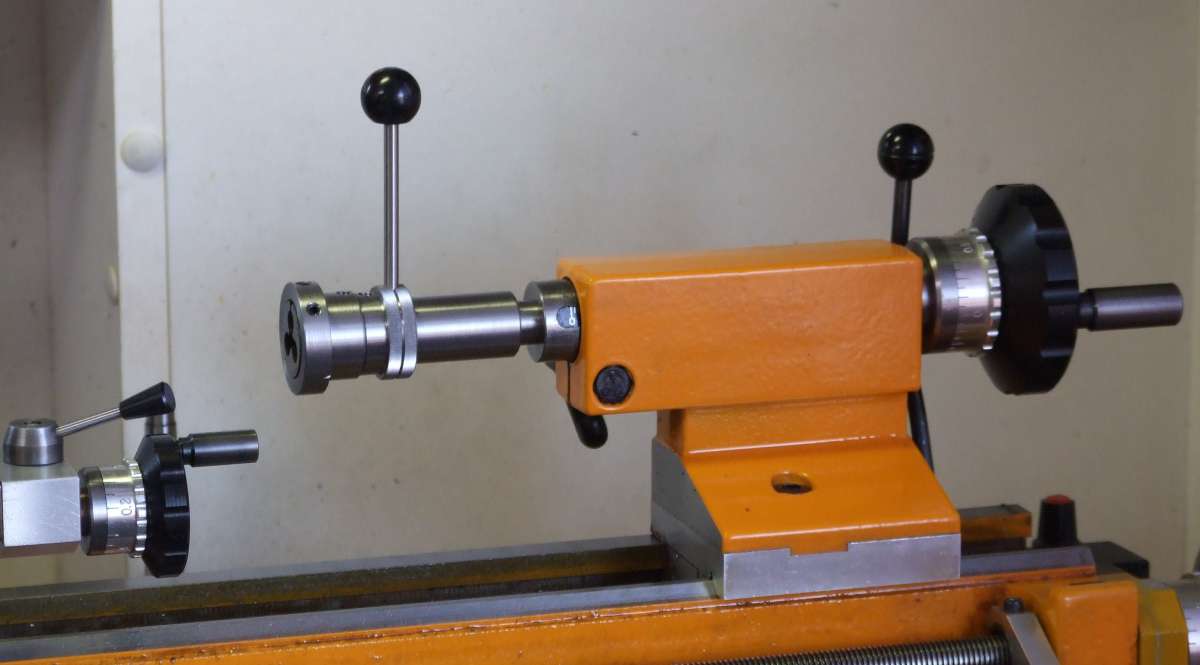
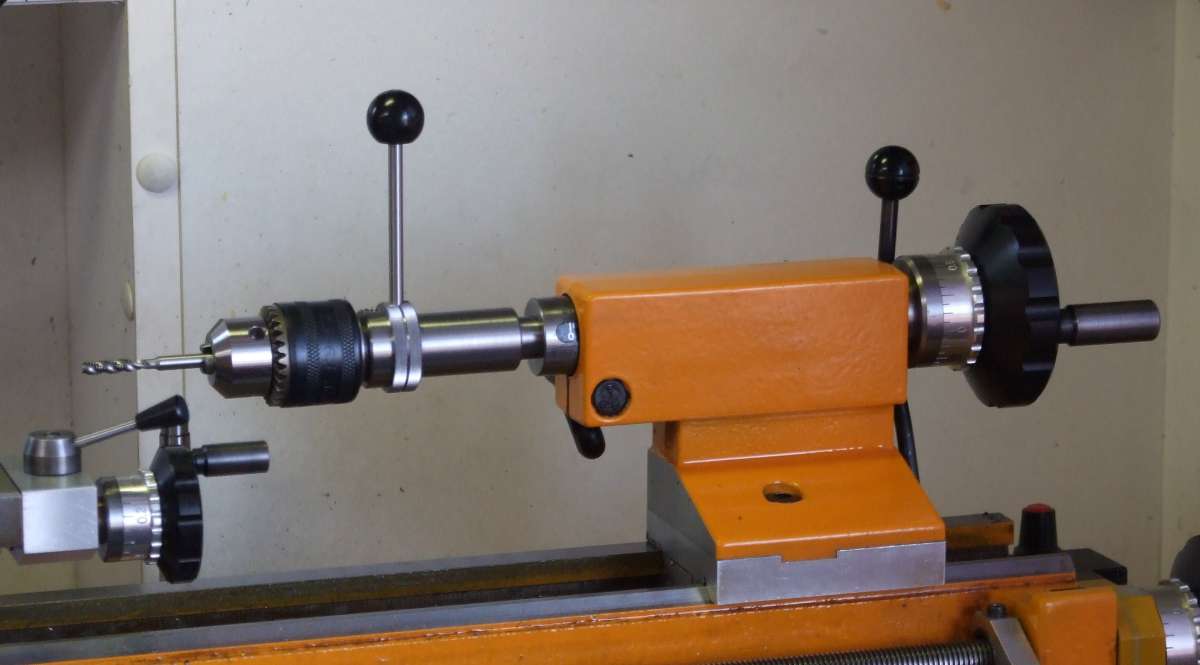
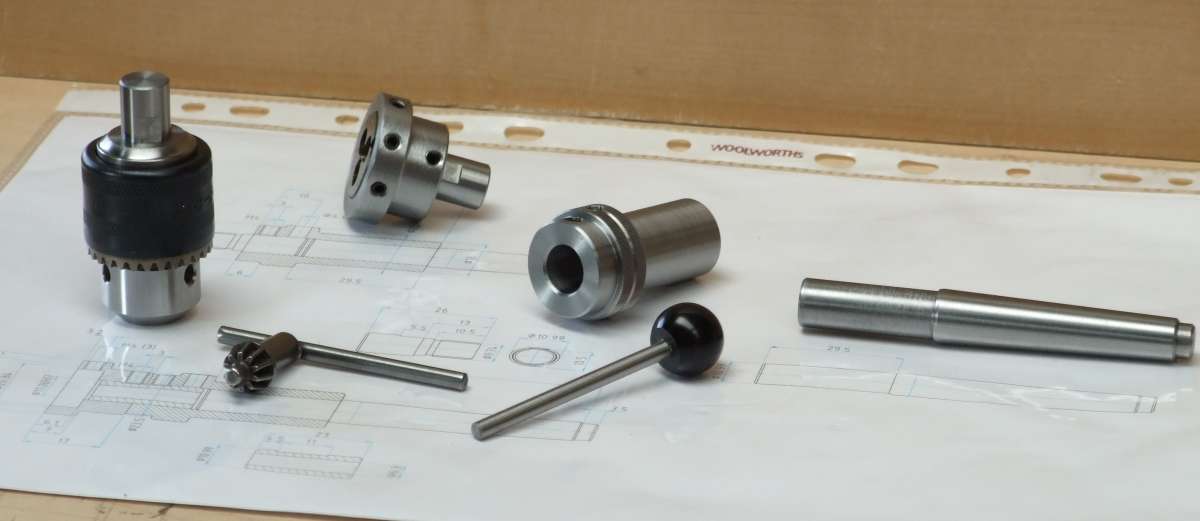
                          For some weeks I have been making a Tailstock Die and Tap holder. I claim no originality for the design as this is scale copy of George H Thomas’s design due to the C5 being No 1 Morse taper in the tailstock. This is something that has been on the to-do list for about 4 years now.

                          DSCF2811

                          DSCF2812

                          Rather than make individual tap holders as GHT did and due to the vast amount of taps I have with varying shank sizes. I have opted to use a 0-6 mm capacity chuck. This has a 3/8″ x 24 UNF thread with a short location diameter, similar to the Myford spindle nose design. A short arbor was screwcut to accept this chuck, a small flat behind the chuck gives a positive locking face for the M4 Allen grub screw. A similar flat is provided on the die holder.

                          DSCF2828

                          This last photograph shows the component parts. The arbor is a modified commercial stub arbor which has had the diameter turned down to suit The Tang was cut off and replaced with an ejection button. This reduces the amount of overhang due to the tailstock barrel being wound out to accommodate the length of the Tang.

                          As I have come to expect with GHT’s designs it worked straight out of the box. The thread for the Plastic Ball handle was threaded using the die holder and the Mandrel Handle. The detachable handle is a boon when doing smaller taps and dies. It greatly assists with the quick removal of the tap and die when the threading operation is complete.

                          Regards

                          Gray,

                          #843710
                          Graham Meek
                          Participant
                            @grahammeek88282

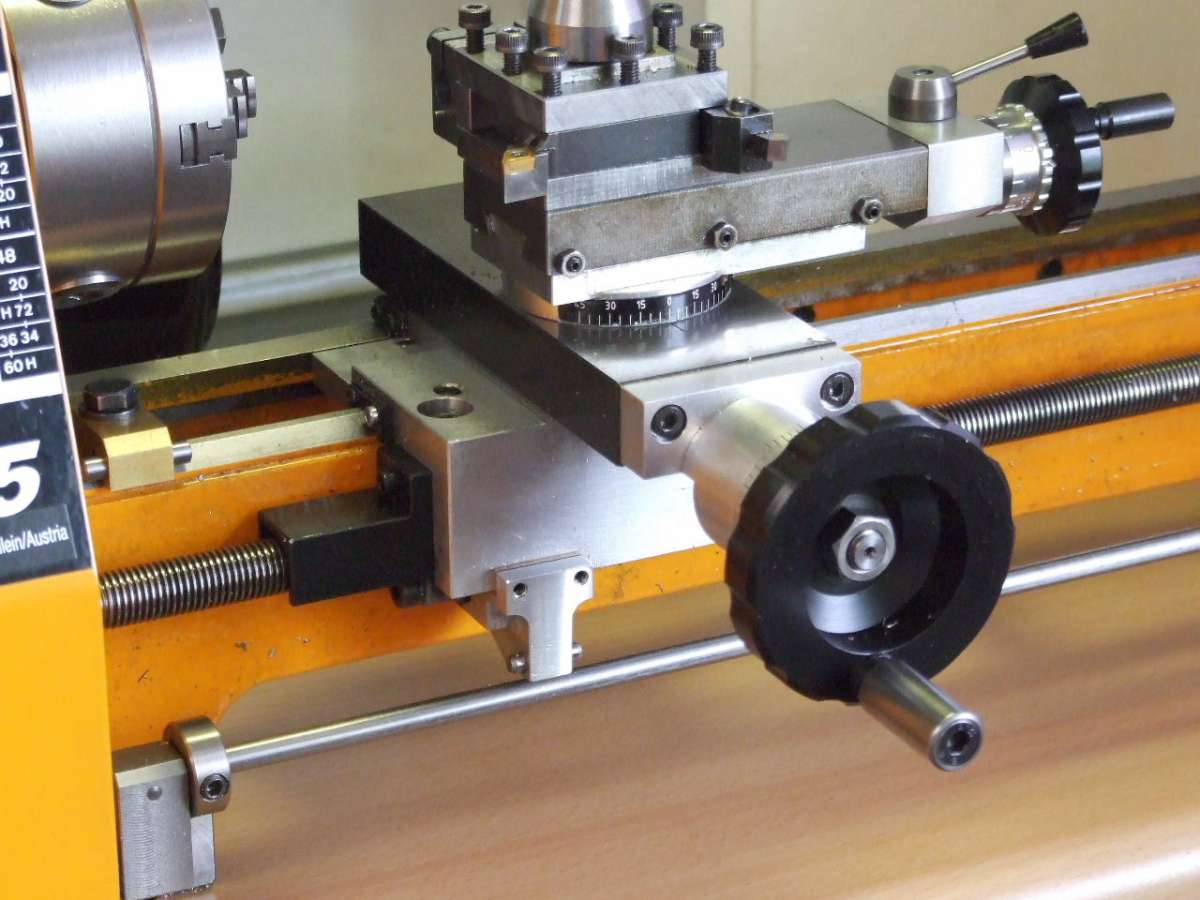
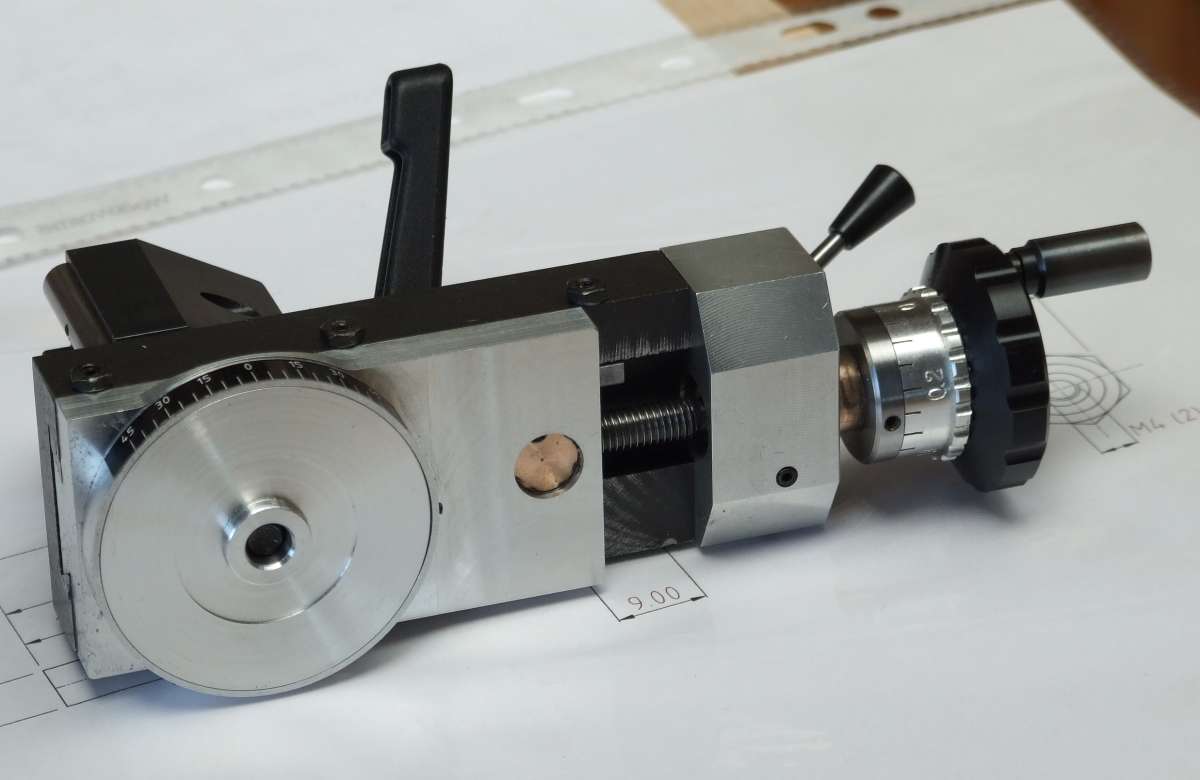
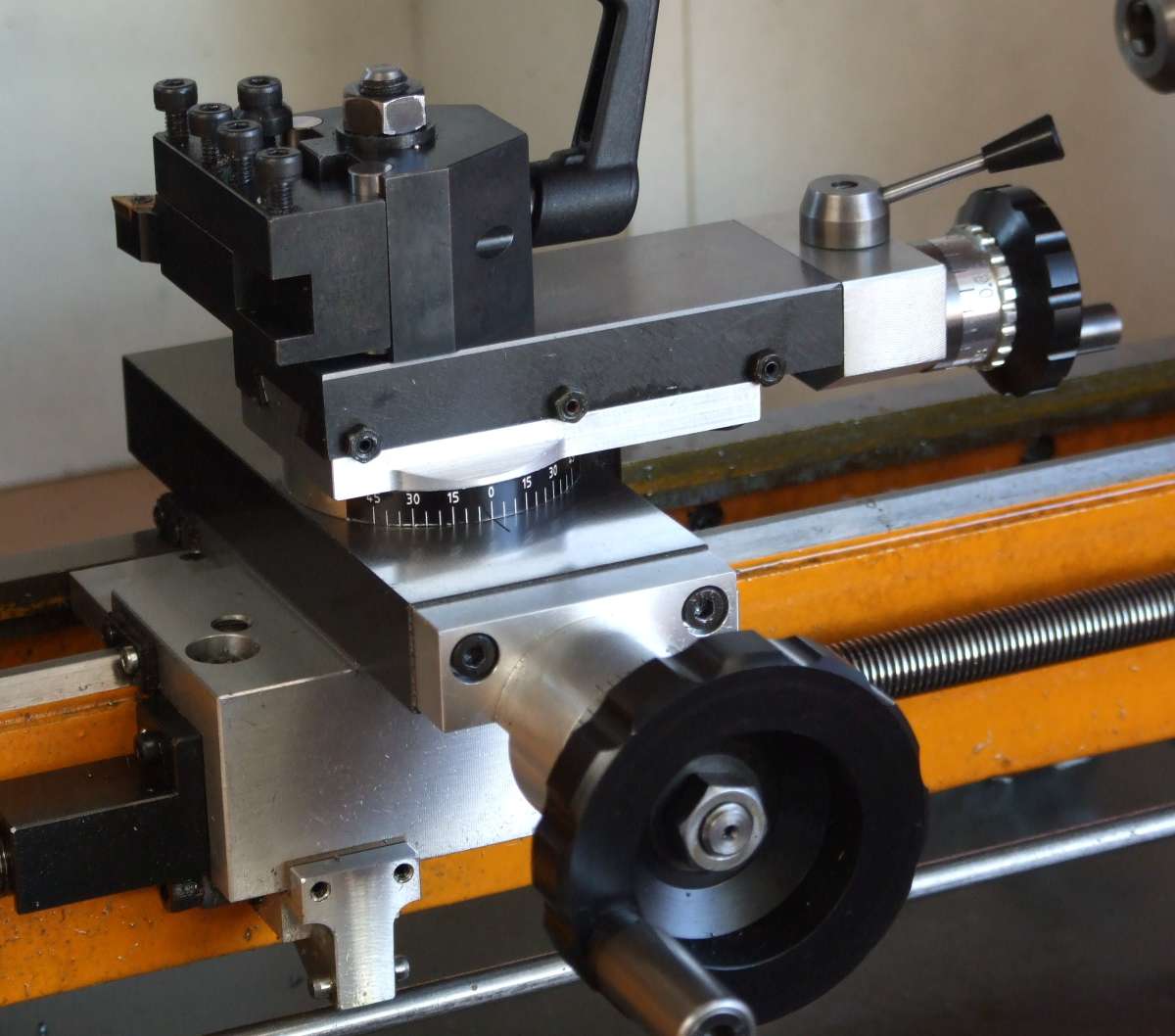
                            For sometime I have been threatening to put a replaceable Phos Bronze feedscrew nut in the C5 Topslide. The chance to purchase a new Topslide part, (the cast iron part) gave me the impetus to get on with the modification.

                            While I was designing the new aluminium base it was decided to make a separate ring to carry the degree scale and lock this with an Allen grubscrew when the scale was in the right place. Trying to stick the new scale in the right place is a pastime I can well do without.

                            C5 Topslide Base

                            This photograph shows the Phos Bronze nut fitted and the separate scale ring. The locking Allen grubscrew for this can just be seen at the three o’clock position.

                            New C5 Topslide Base

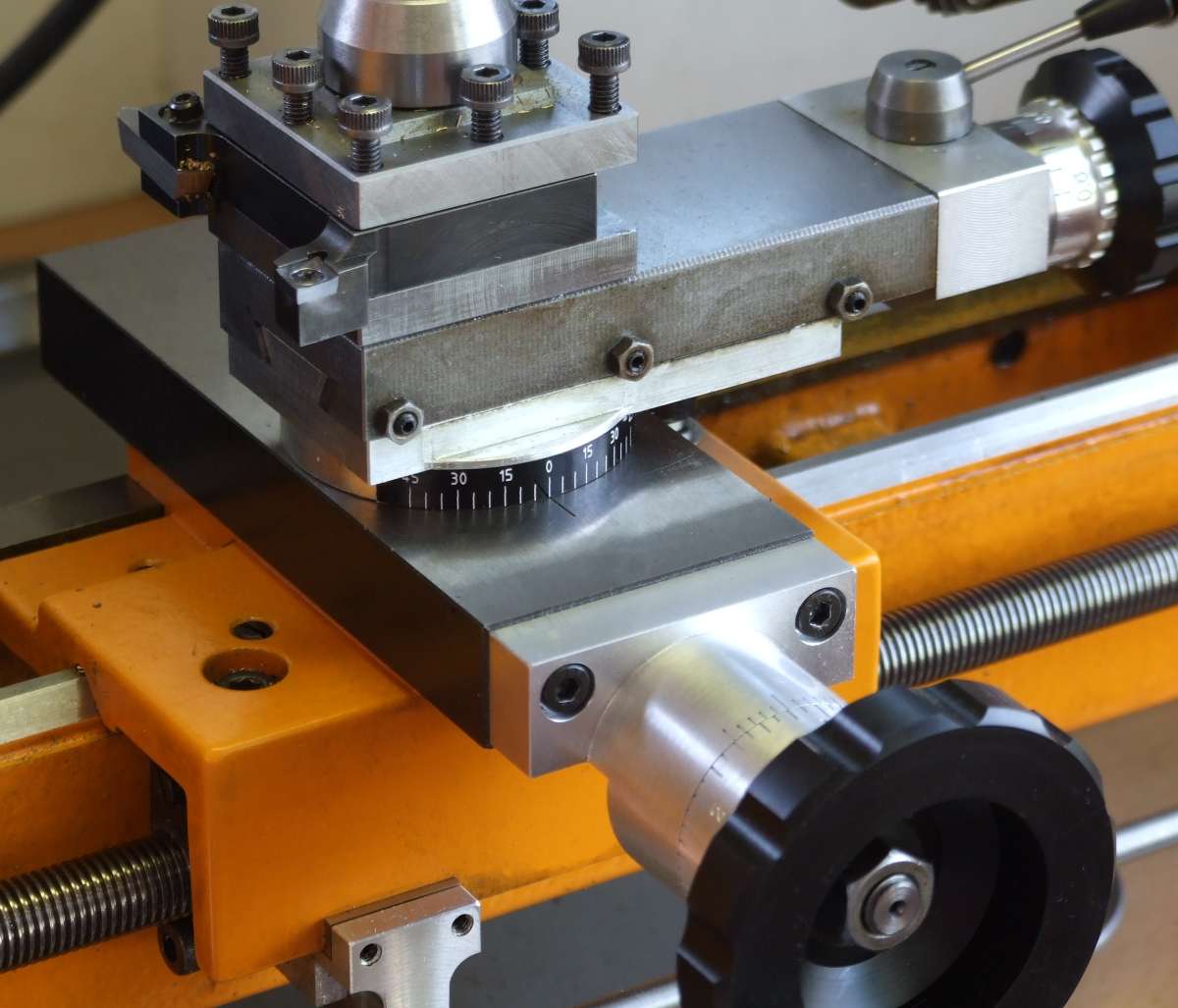
                            This view shows the completed slide fitted to the lathe. I have also added a buttress above the Zero mark on the scale. In the original Die cast versions of the slide this was moulded as part of a sphere. On the latest Emco “machined from the solid” parts this has been reduced to a step leaving a little over 1 mm above the scale. The down side of this is it traps debris. This can be seen in the photograph below.

                            Latest Emco C5 Topslide base.

                            Regards

                            Gray,

                            #843751
                            Pete
                            Participant
                              @pete41194

                              As always Gray, lovely work and design. 👍👍👍

                              #845610
                              Graham Meek
                              Participant
                                @grahammeek88282

                                Almost 12 months ago I purchased a C5 Milling and Drilling Attachment second-hand. The photos accompanying the item for sale showed an item which was cosmetically in need of some TLC. The asking price was not much more than the cost of a new motor for the attachment.

                                Although I unpacked the item to see if there was any damage caused in transit. It was not until a couple of months ago that I decided to dis-assemble the unit with a view to improving the cosmetics.

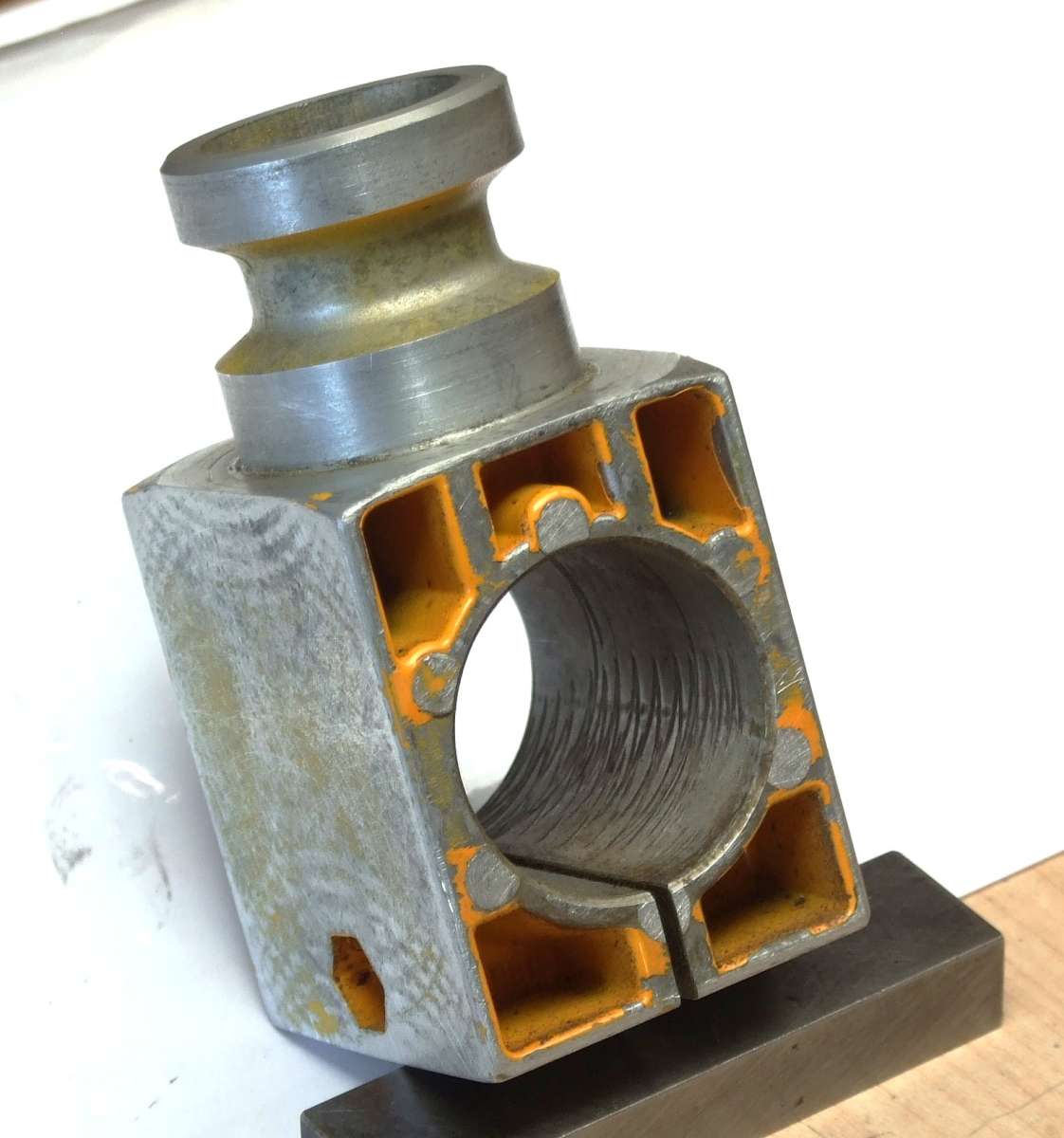
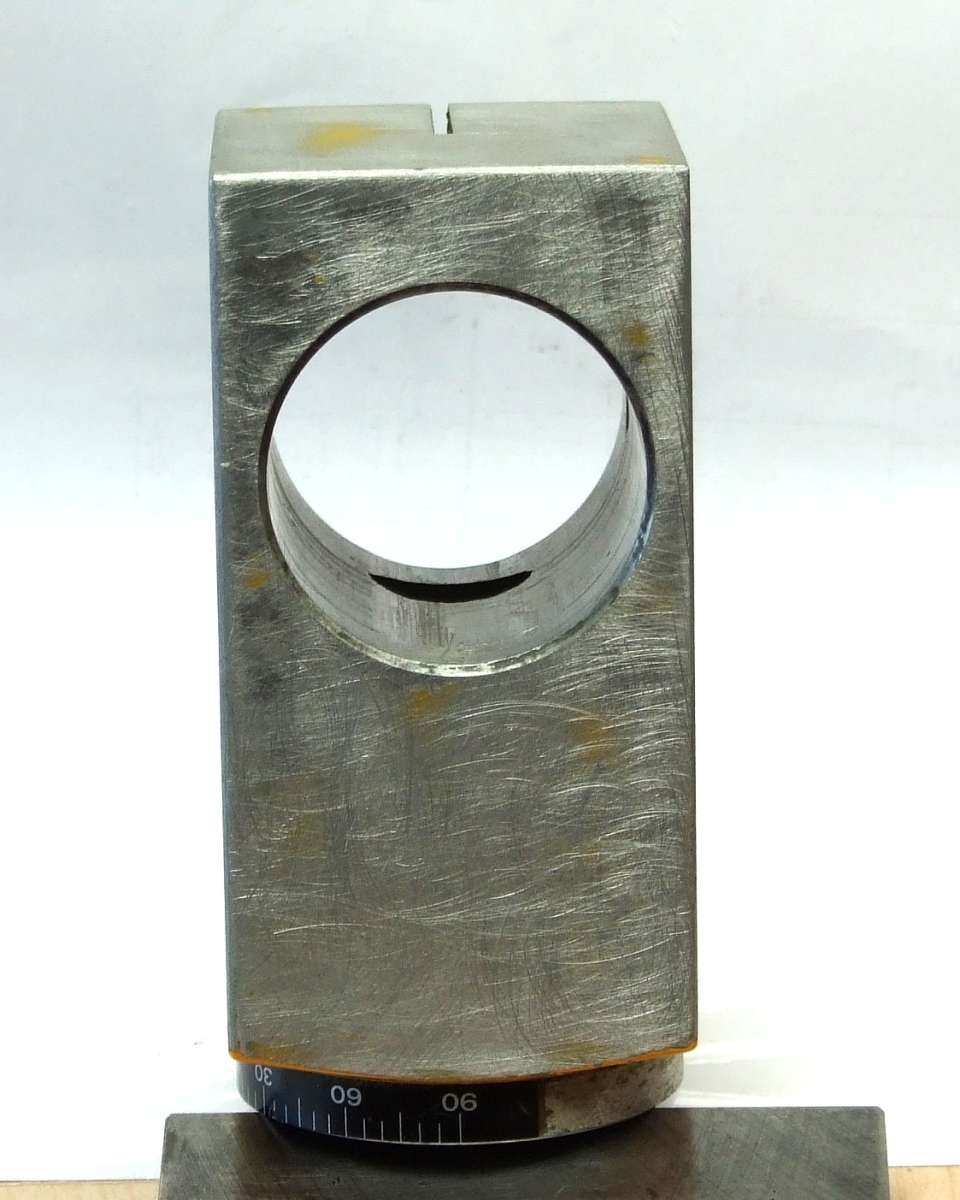
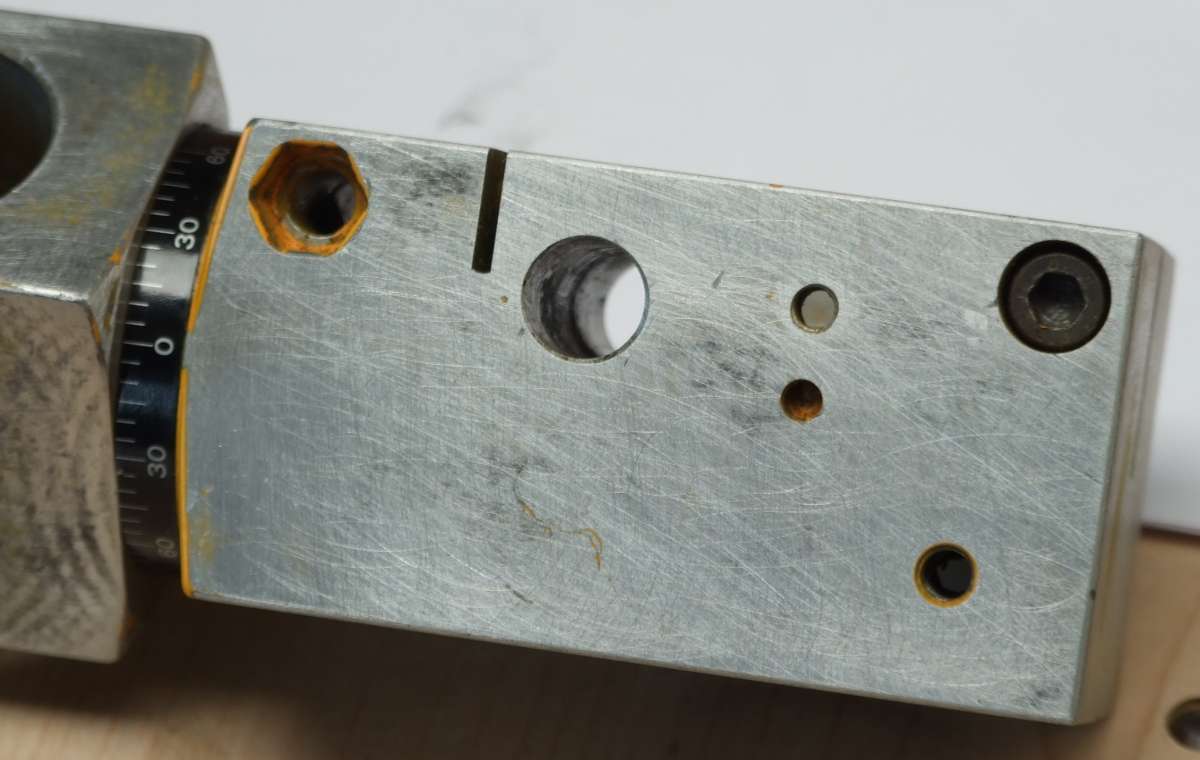
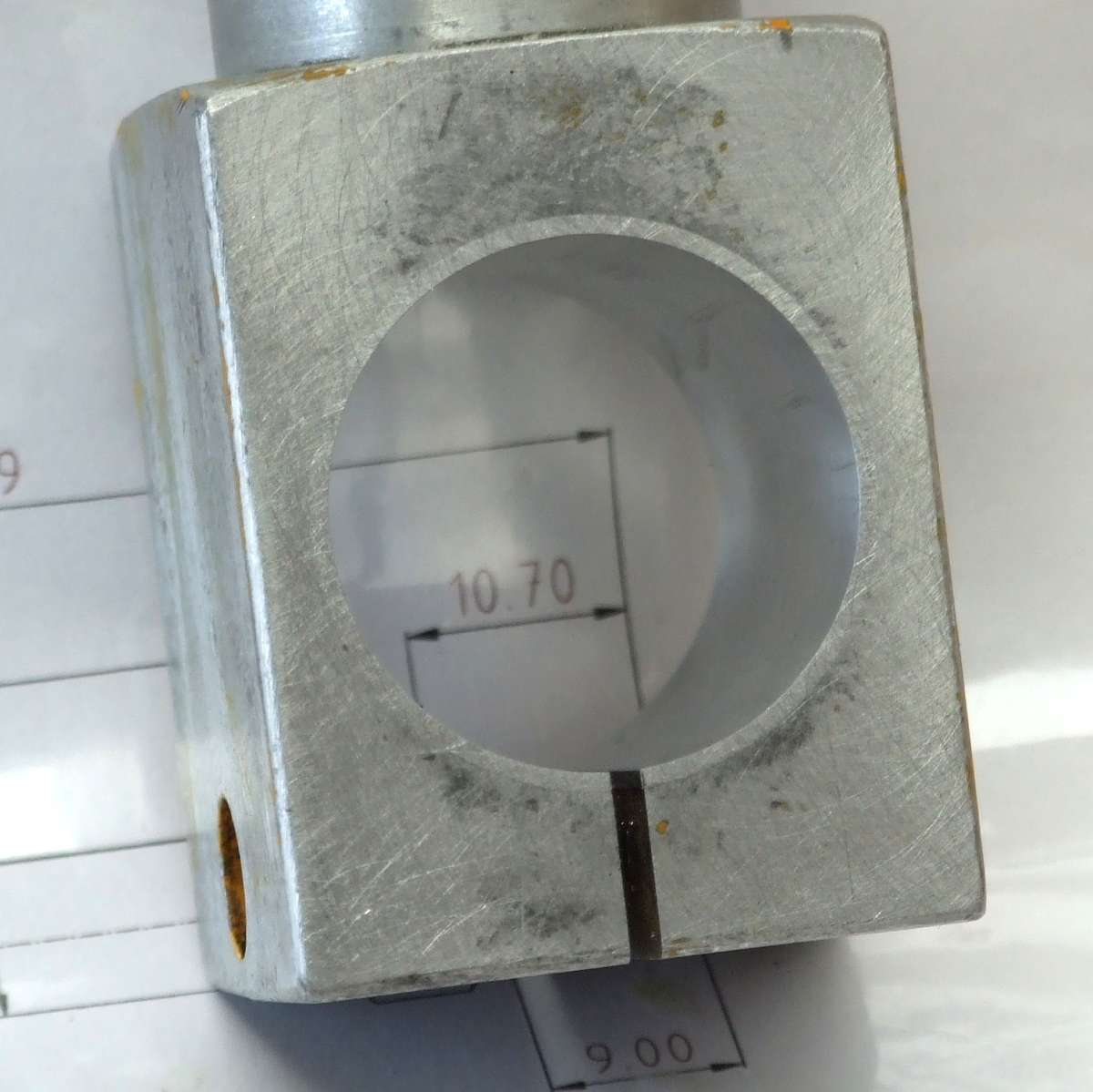
                                The dis-assembly proved to be a bit of a conundrum. The slider which goes up and down the column showed some horrific damage to the bore.

                                Damage to Column Bore

                                Yet the Column had no mark on it anywhere.

                                It was a similar story with regards to the Quill bore.

                                Scoring in Quill Bore

                                Yet the Quill assembly showed no signs of damage what so ever. Although the photo shows what is scratches it needed 0.6 mm to be removed from the bore before the damage was gone.

                                The Pinion Lever bore was a similar story.

                                Quill Pinion Lever Bore damage

                                The step in this bore needed 0.5 mm to be removed before the bore cleaned up. Incidentally the Pinion Lever was from a Unimat SL. The original was probably too far gone.

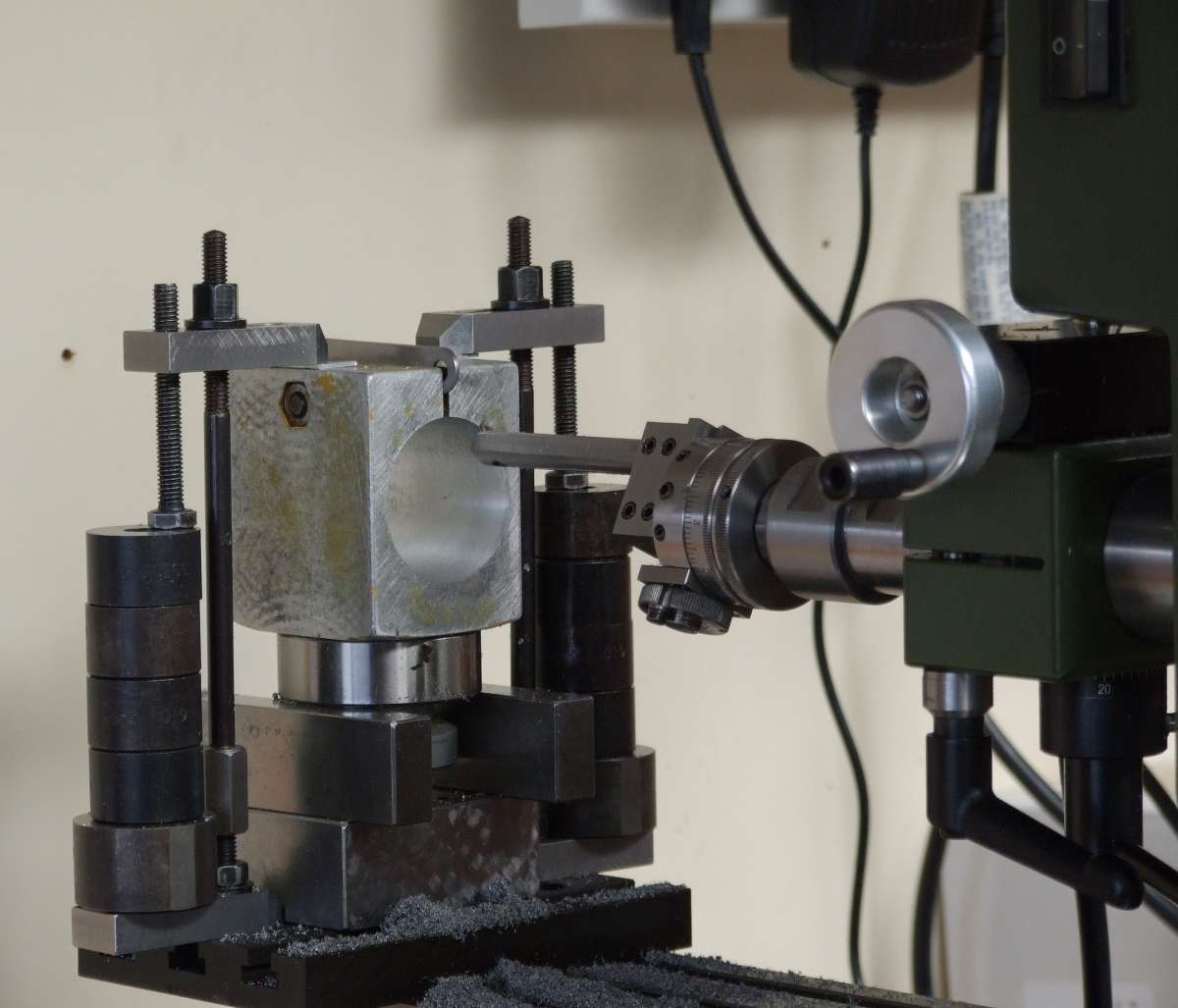
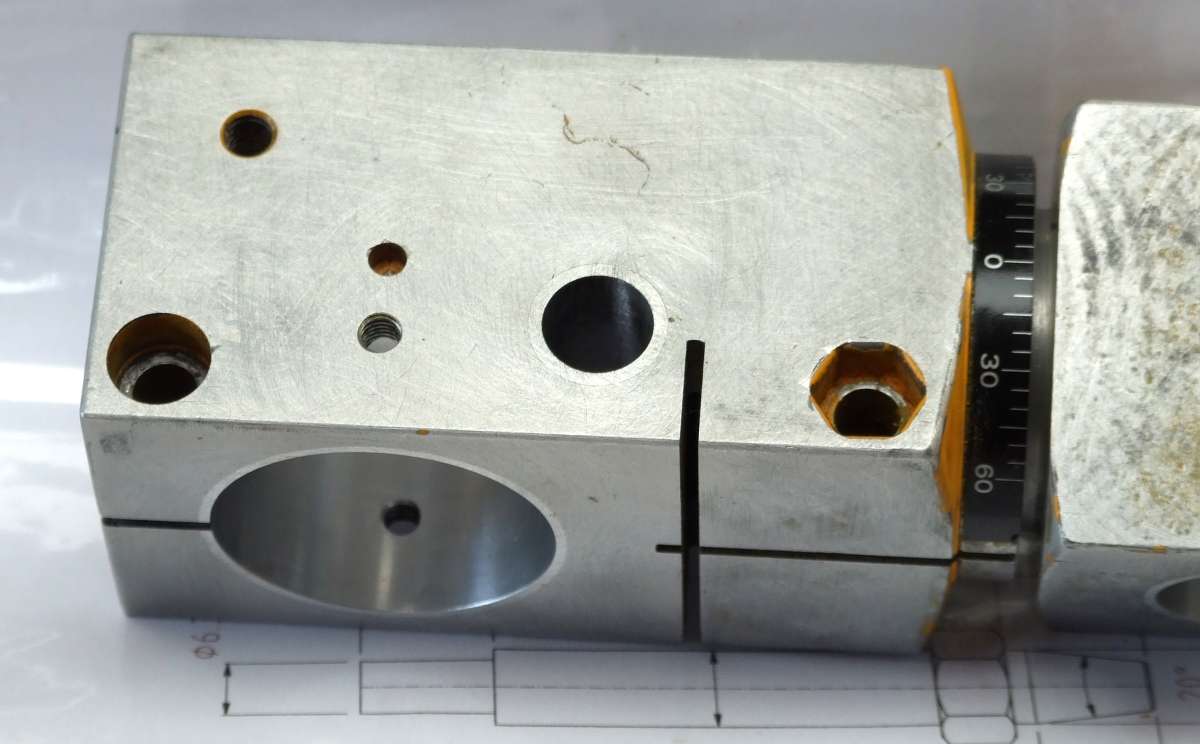
                                While spares are still available for this machine I decided to see if I could do a salvage scheme. Finding a piece of Duralamin Tube which would take care of the bores seemed that fate was giving me a nudge to get on with it.

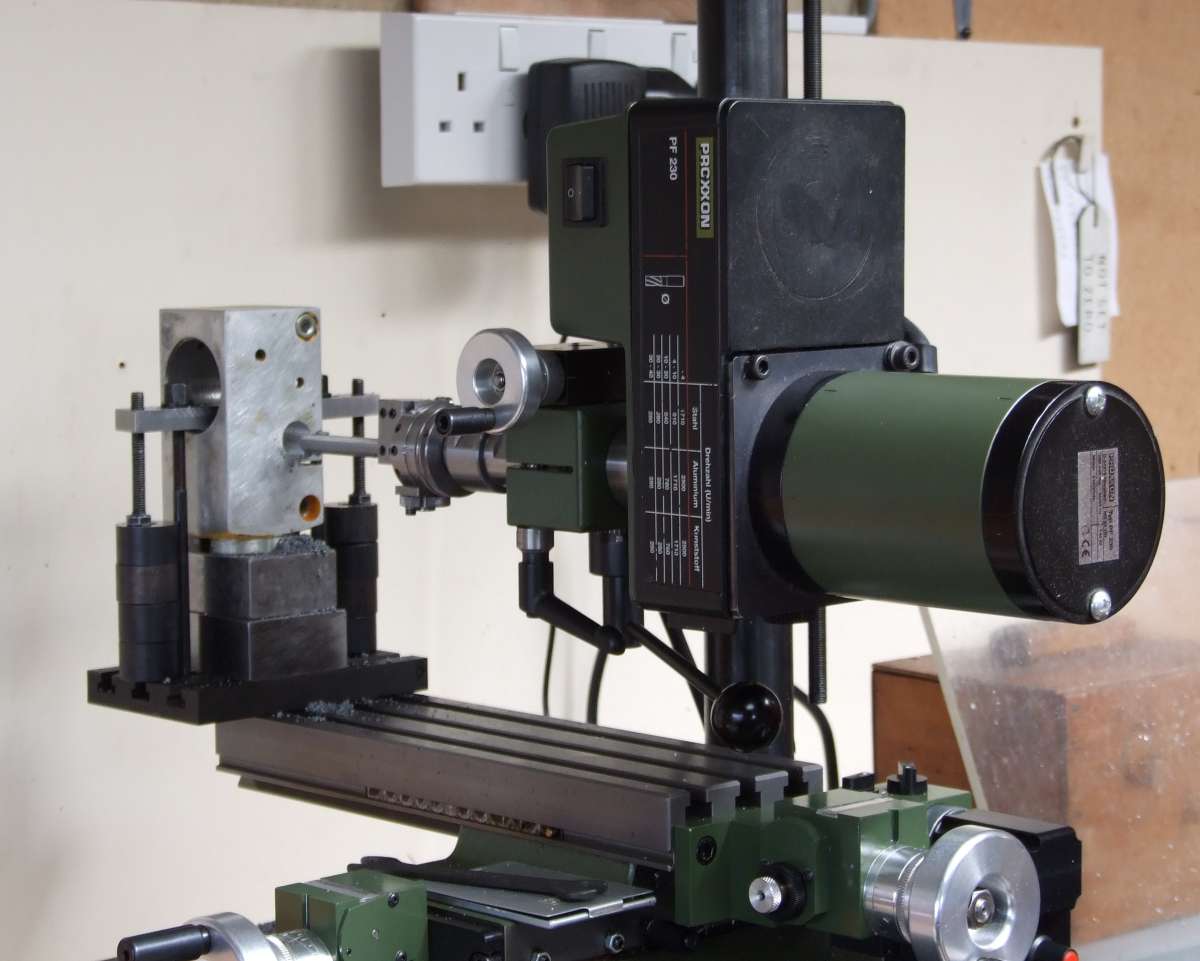
                                Thus the Proxxon was converted to a Horizontal Borer and a start made on reclaiming the Pinion bore.

                                Reboring the Pinion location to 15 mm

                                The sleeve for this bore was made and fitted before work started on the Quill Bore. As the Liner for the Quill bore bore would lock the Pinion sleeve permanently. Note the Unimat 3 Milling table adding much needed length to the Proxxon table.

                                Reboring the Column Location

                                Above shows the Slider being machined, I did not take a photograph of the Quill bore being machined for some reason.

                                The work went surprisingly well and I was amazed that chatter from such a long boring bar was not a problem. Cutter wear from the nature of the material used in the Die-casting was more of a problem. I could only manage about 3 passes before the HSS bit needed sharpening.

                                As I cannot insert anymore images at this post I will post the results later.

                                Regards

                                Gray,


                                #845624
                                Graham Meek
                                Participant
                                  @grahammeek88282

                                  For those needing details on how to configure a mill in the Horizontal mode I have written a few notes up here, with photographs.

                                  Adaptation of the Proxxon Milling machine

                                  Below are the results of my labours.

                                  With Liner fitted.

                                  The above shows the Slider with its new bore, the liner material can easily be seen in this pre-paint view.

                                  Quill and Pinion Lever liner fitted.

                                  This shows two for the price of one with the new Quill and Pinoin bores.

                                  Over the next few days I hope to complete the parts with a new coat of Daffodil Yellow paint. We shall have to see if I have achieved some “invisible mending”.

                                  Regards

                                  Gray,

                                Viewing 15 posts - 126 through 140 (of 140 total)
                                • Please log in to reply to this topic. Registering is free and easy using the links on the menu at the top of this page.

                                Latest Replies

                                Home Forums Manual machine tools Topics

                                Viewing 25 topics - 1 through 25 (of 25 total)
                                Viewing 25 topics - 1 through 25 (of 25 total)

                                View full reply list.