reform vs WW 8mm lathe

reform vs WW 8mm lathe

Home Forums Manual machine tools reform vs WW 8mm lathe

Viewing 16 posts - 1 through 16 (of 16 total)
  • Author
    Posts
  • #833739
    Henry Rancourt
    Participant
      @henryrancourt22682

      I’ve been searching trying to learn the difference between the two lathe types. So far I’ve only found that the reform bed width might be smaller than a WW 8mm lathe. Is that true and are there other differences?

      #833805
      Oldiron
      Participant
        @oldiron

        Try looking under Boley on http://www.lathes.co.uk

        #833855
        Henry Rancourt
        Participant
          @henryrancourt22682

          I’ve spent a few hours on the site and never found an info regarding dimensional differences or any other types of differences.

          #833856
          Henry Rancourt
          Participant
            @henryrancourt22682

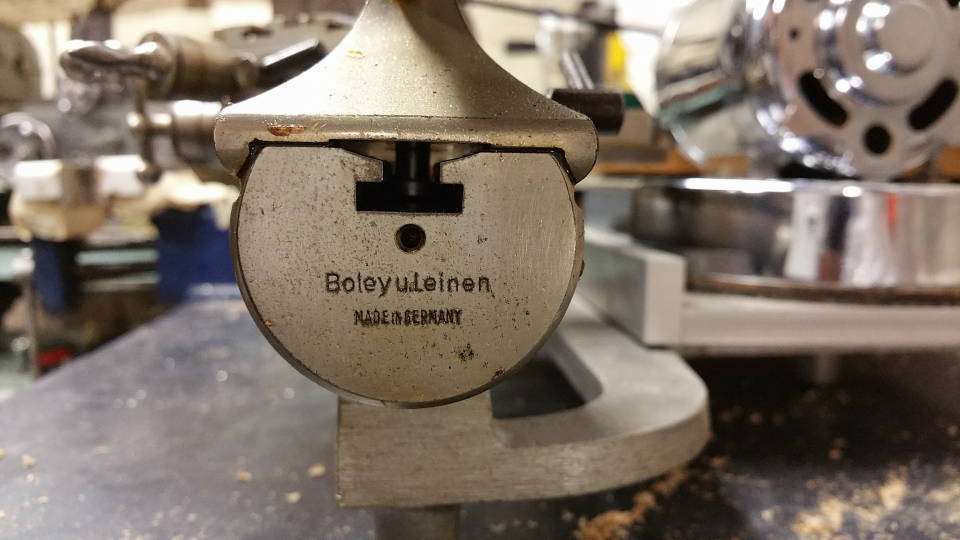
            I just found a Boley Leinen reform lathe for sale on a used tool site and it lists the bed diameter as 26mm. I have a Boley Leinen WW 8mm lathe and the bed diameter is 45mm. So that is one significant difference. Maybe there are more to find.

            #833857
            Michael Gilligan
            Participant
              @michaelgilligan61133

              Quick answer:

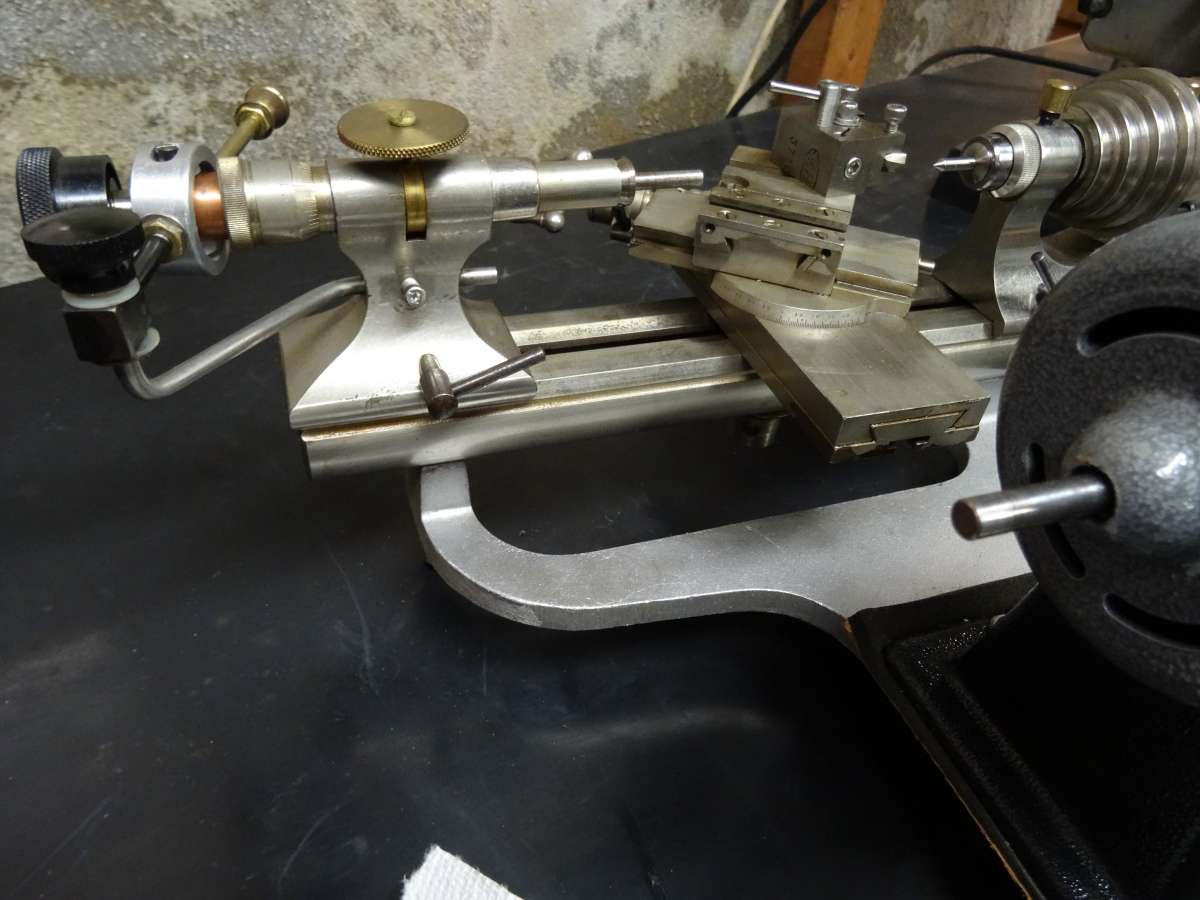
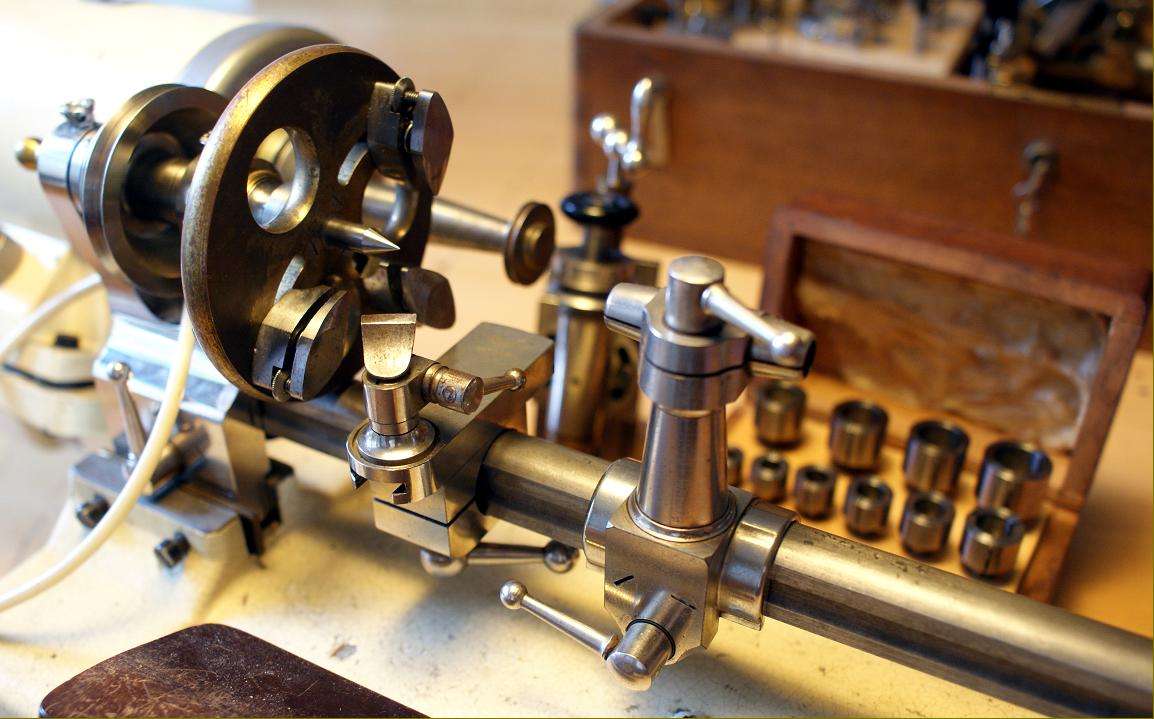
              The lathe shown here does not have a Webster Whitcomb bed.

              Reform series lathes were available in either Geneva pattern, or like this ^^^

              MichaelG.

              #833858
              Michael Gilligan
              Participant
                @michaelgilligan61133
                On Henry Rancourt Said:

                […] I have a Boley Leinen WW 8mm lathe and the bed diameter is 45mm […]

                Sorry to contradict you, but the WW bed is trapezoidal

                MichaelG.

                #833902
                Henry Rancourt
                Participant
                  @henryrancourt22682

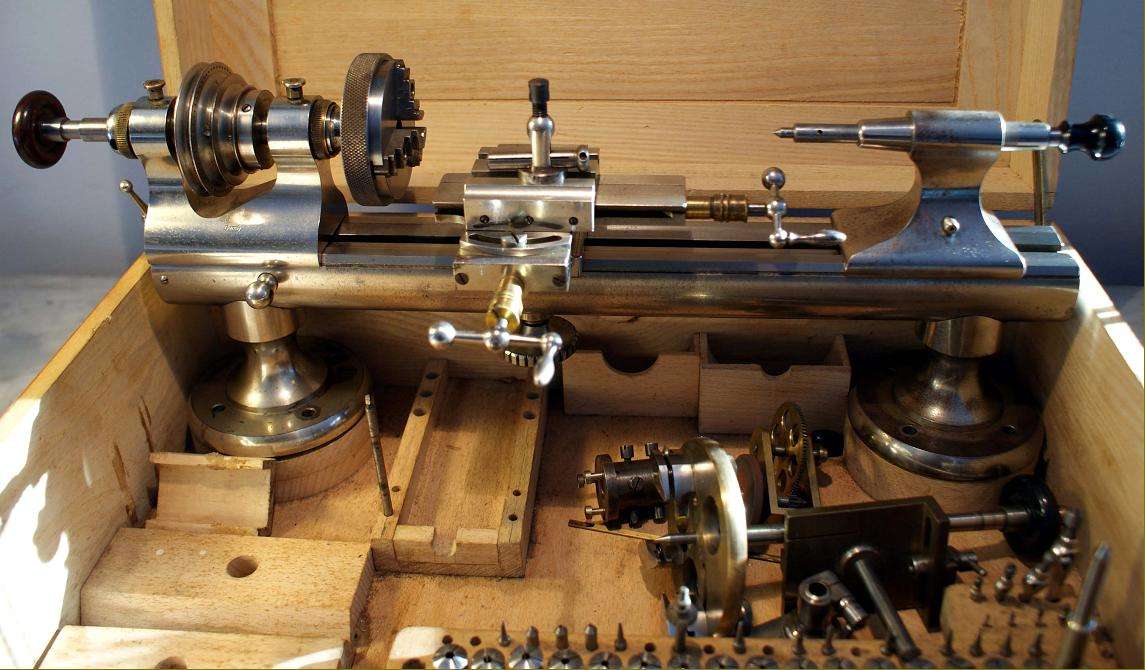
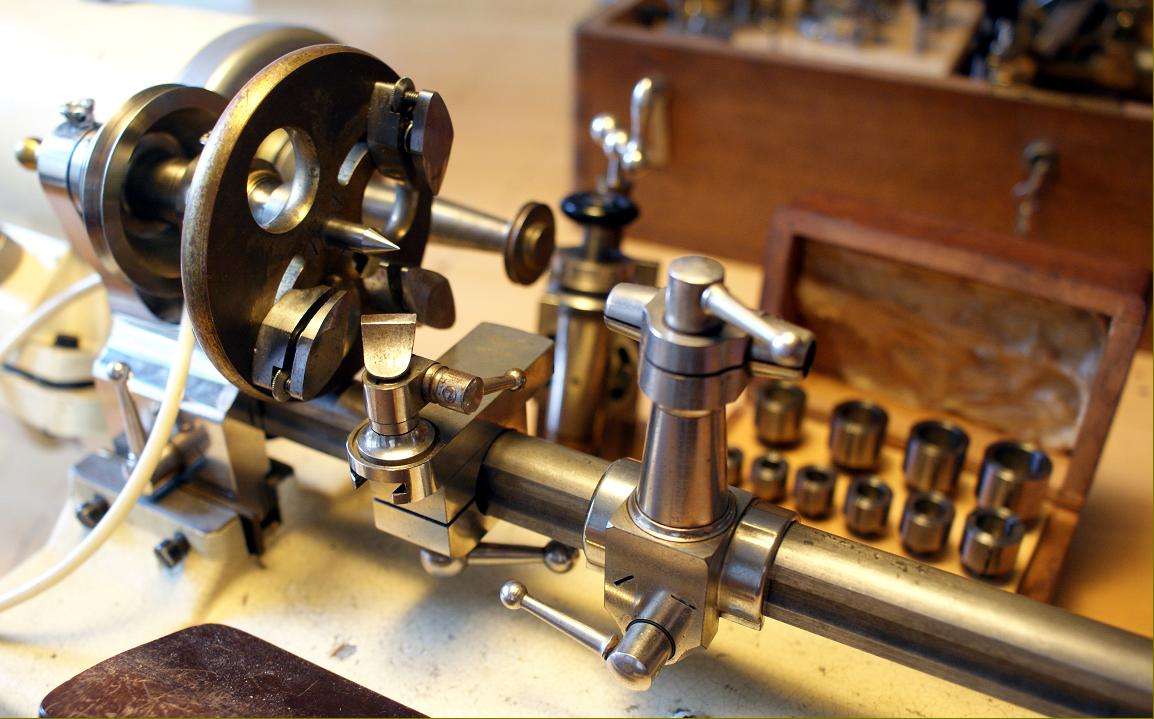
                  You should got to http://www.lathes.co.uk/ and do a search for watchmakers lathe bed styles. Scroll down to the 5th or 6th image and it shows what a WW lathe bed looks like. It is just like the one the video in the post above and just like my Boley Leinen WW 8mm lathe in the photo.DSC00730Boley Leinen10(20230627_120953)

                  #833912
                  Henry Rancourt
                  Participant
                    @henryrancourt22682

                    this is image from http://www.lathes.co.uk WW lathe bed

                    #833929
                    Michael Gilligan
                    Participant
                      @michaelgilligan61133

                      Apologies … I evidently mis-understood your opening post.

                      MichaelG.

                      #833930
                      Henry Rancourt
                      Participant
                        @henryrancourt22682

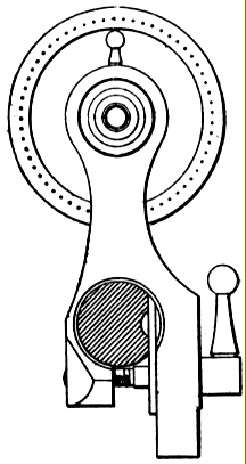
                        Just for clarification attached are photos of Geneva and WW pattern lathes.geneva patternWW pattern

                        #833944
                        SillyOldDuffer
                        Moderator
                          @sillyoldduffer

                          One of my books has a chapter on lathe bed design, and, of course, I can’t find it!

                          From memory, there is no “right answer”, because each design balances pros and cons.  Typically: cost, strength (degree to which sag and twist are resisted), accuracy, precision, resetability, smoothness, and how well the saddle and tailstock are secured.   Multiple compromises possible, for many different reasons!   And some designs are proprietary, with a strong suspicion it was done for commercial reasons;  customers finding a few years after purchase that “only our accessories will fit”.

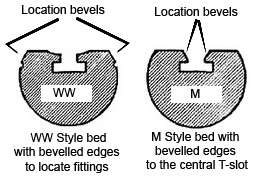
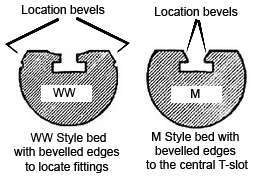
                          WW vs M – some thoughts

                          wwvsmbed


                          The book doesn’t get into Watchmaking lathes but looking at the WW and M bed profiles, I suggest:

                          • Both have similar strength and precision
                          • The WW style requires more machining than the M, hence more expensive.   Benefit is the bevels are further apart to resist rocking, and an accessory rail.
                          • The M-style bed is a valid simplification rather than a cheapening.   I guess the bevel position simplifies the design of the tailstock too, and anything else that clamps on to the bed.  Savings that can be passed on to the customer or added to the profits!
                          • Just a guess.  When these lathes were sold new:
                            • traditionalists with plenty of cash would prefer the WW.
                            • Cost conscious modernisers might prefer the M.

                          Other Examples

                          The book goes into flat-bed vs trapezoidal forms, and concludes flat-beds are inferior.  Originally flat beds were easier to make, but I think advances in grinding technology mean trapezoidal beds aren’t particularly difficult or costly today.

                          Also discusses gap vs girder beds.  Gaps add utility but weaken the structure, which needs to be strengthened underneath and this isn’t always done well.  Girder beds are stronger and easier to make, but they restrict the size of what can be turned.   Book concludes in favour of girders because they are more rigid.   Advice is buy a bigger lathe, don’t compromise with a gap.   But the book was written for manufacturing purchasers, not hobbyists, who might well vote “gap”.   What’s good and bad in lathes depends hugely on what they are used for.

                          If more is found about M vs WW I’d be interested to know.  Might be necessary to search the company archives for the paperwork.  Patents are often informative too. I struggle to find them, Michael is far better!

                          Dave

                          #833959
                          rjenkinsgb
                          Participant
                            @rjenkinsgb

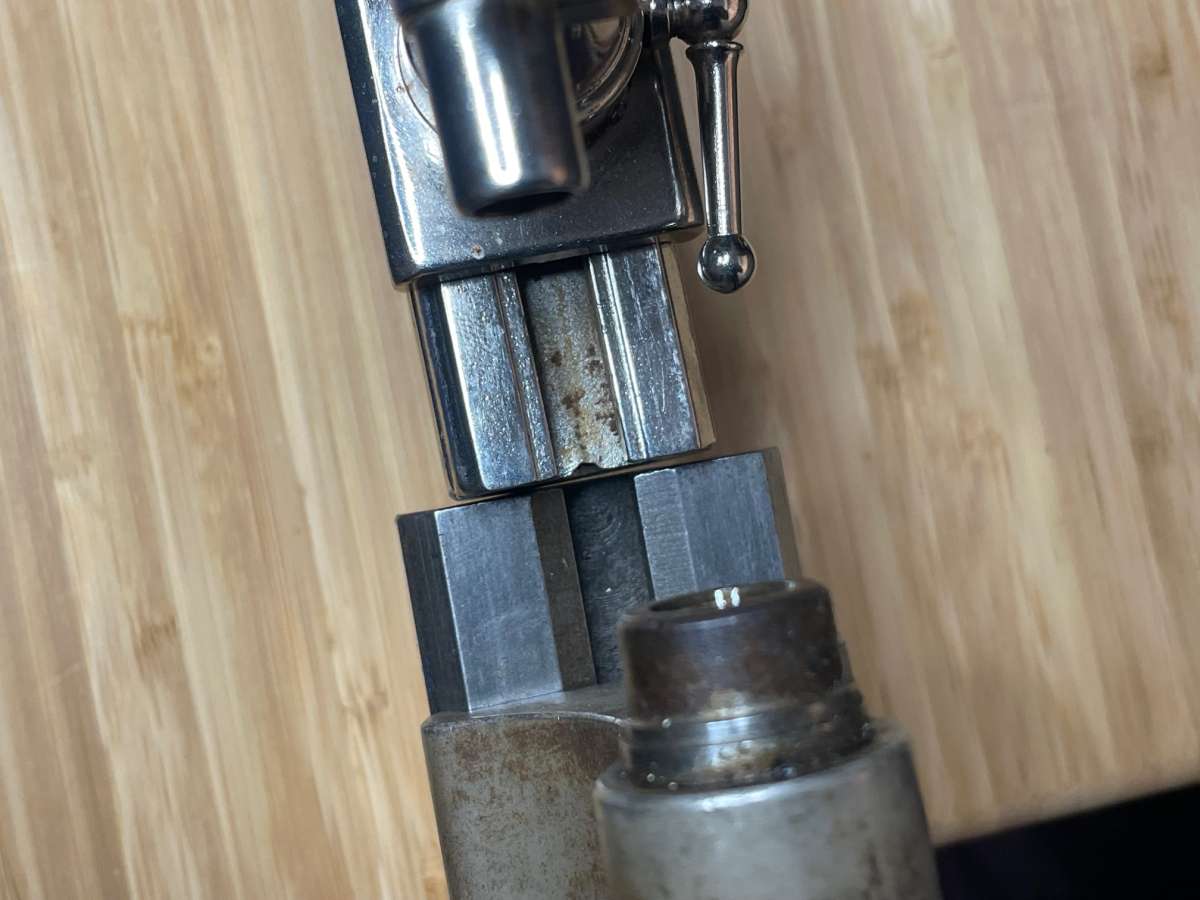
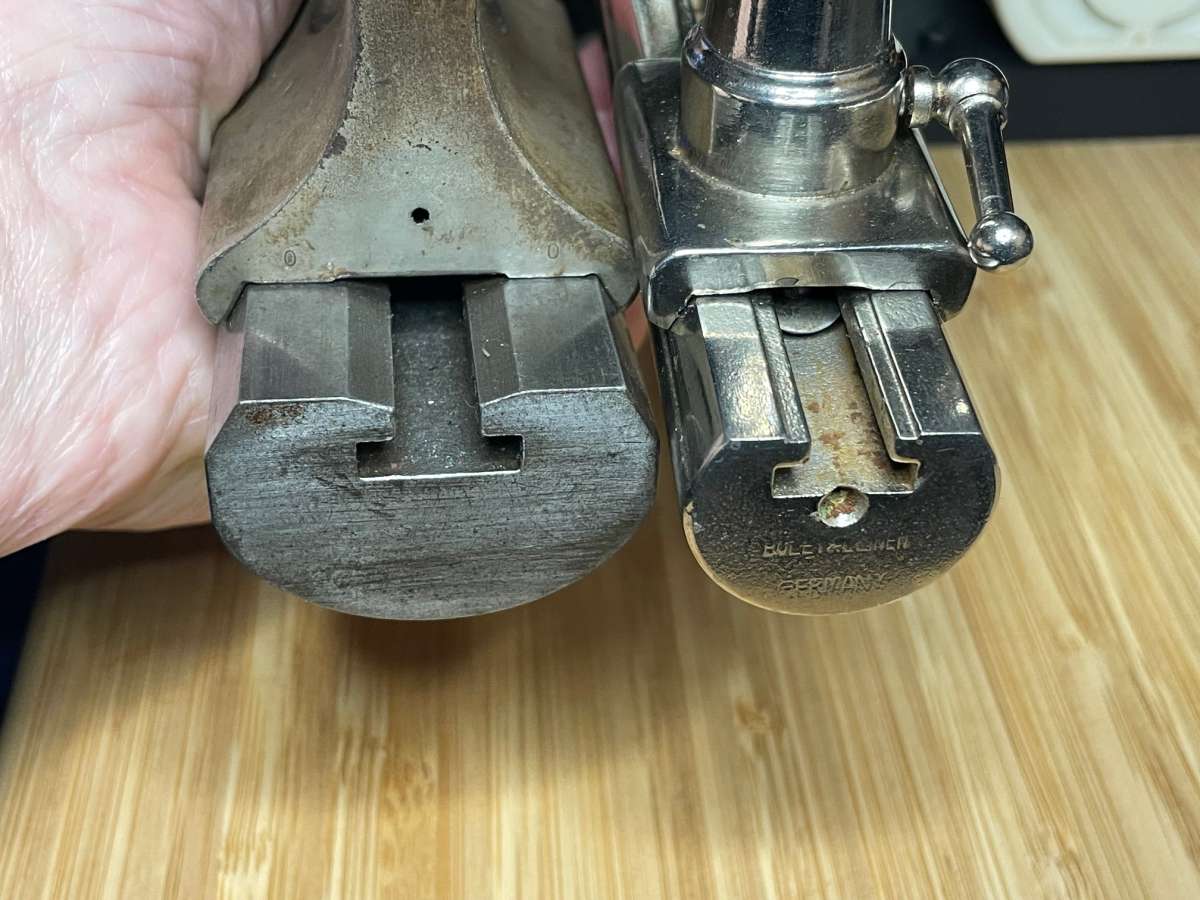
                            The Reform uses a visually similar profile bed to the WW, but scaled to around 2/3 the size at 30mm wide.

                            Both use the outer bevels for alignment, with clamping via the middle slot.

                            The two side by side:

                            IMG_6403IMG_6404

                            #833972
                            Michael Gilligan
                            Participant
                              @michaelgilligan61133

                              Thank You, rjenkinsgb

                              MichaelG.

                              #834058
                              Henry Rancourt
                              Participant
                                @henryrancourt22682

                                The Geneva bed was sometimes called a D bed because it was round with just a flat surface, usually as the side surface, but  I’ve seen some images showing the flat as the top surface.

                                Geneva bedgeneva pattern

                                #834098
                                Henry Rancourt
                                Participant
                                  @henryrancourt22682

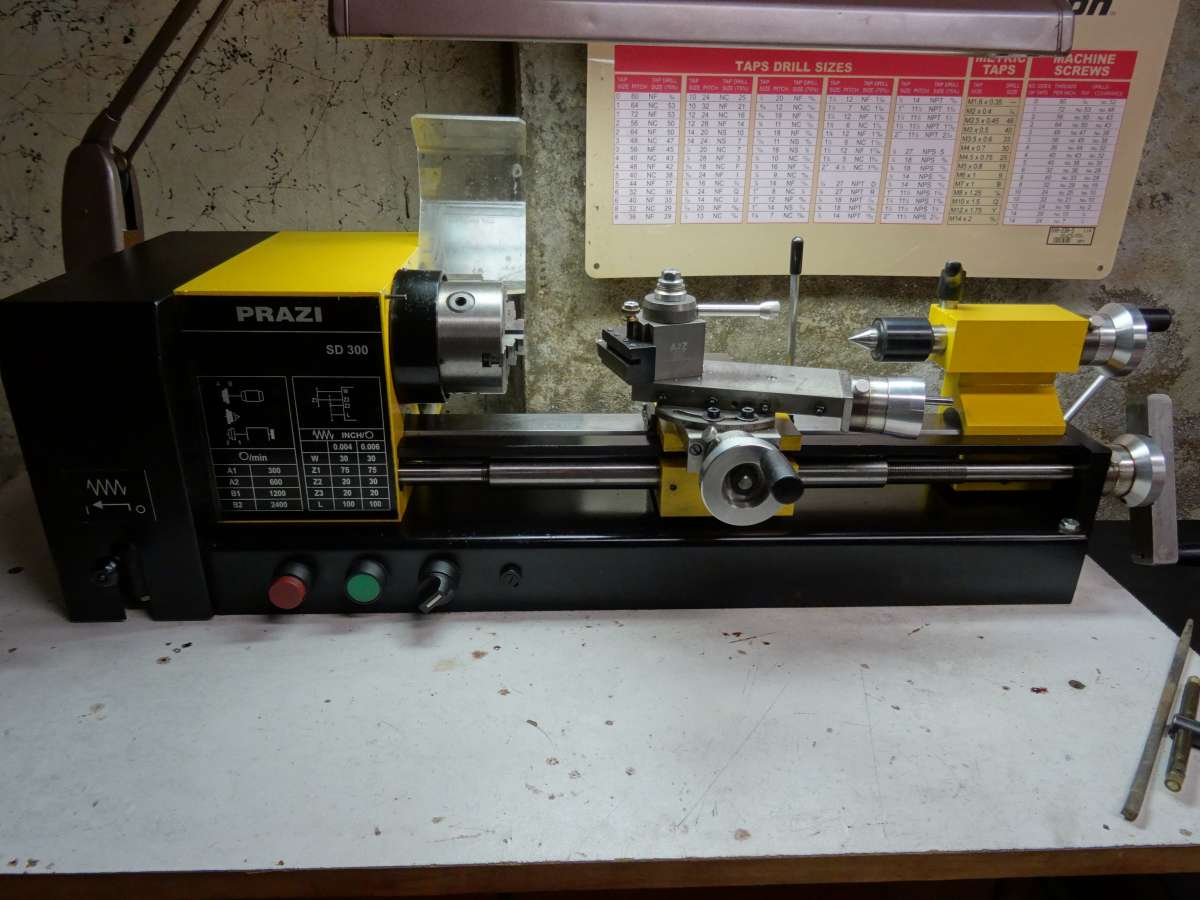
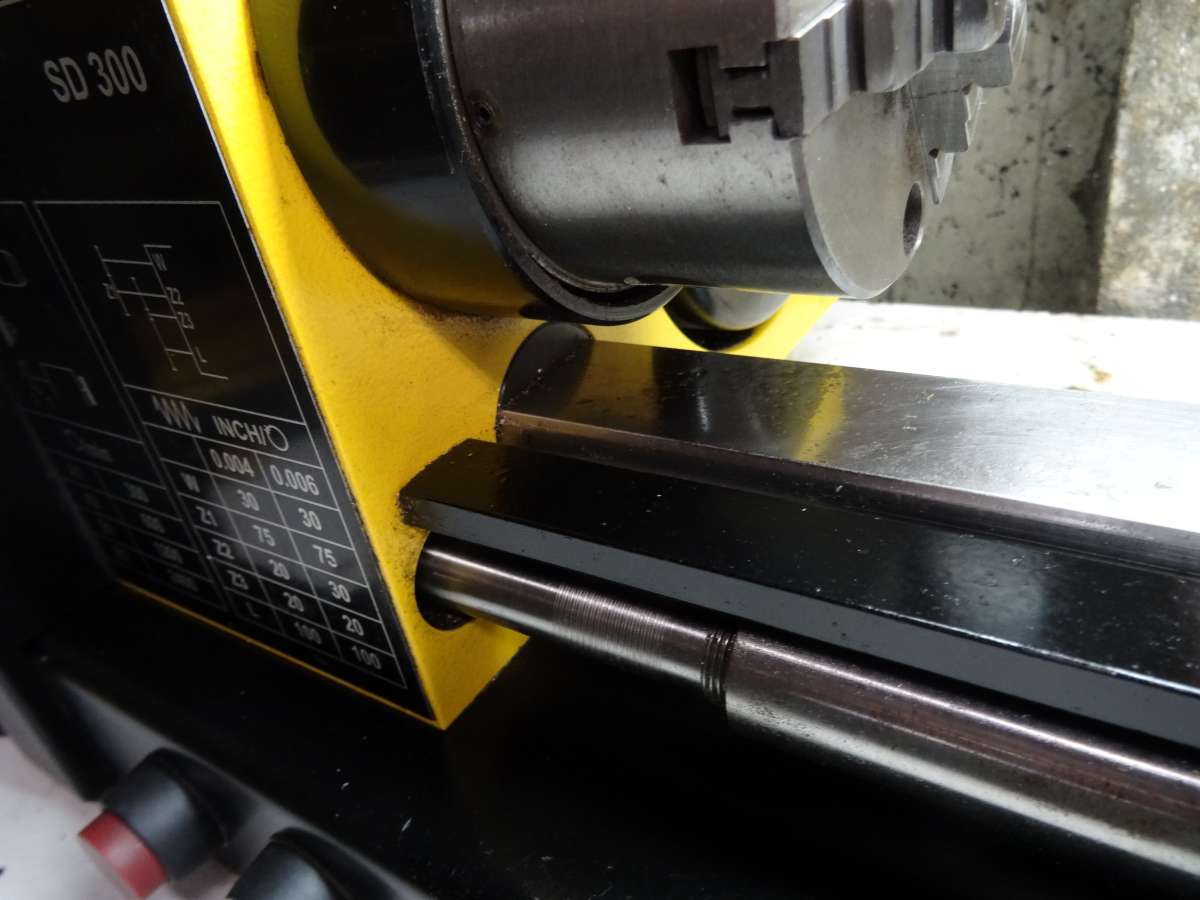
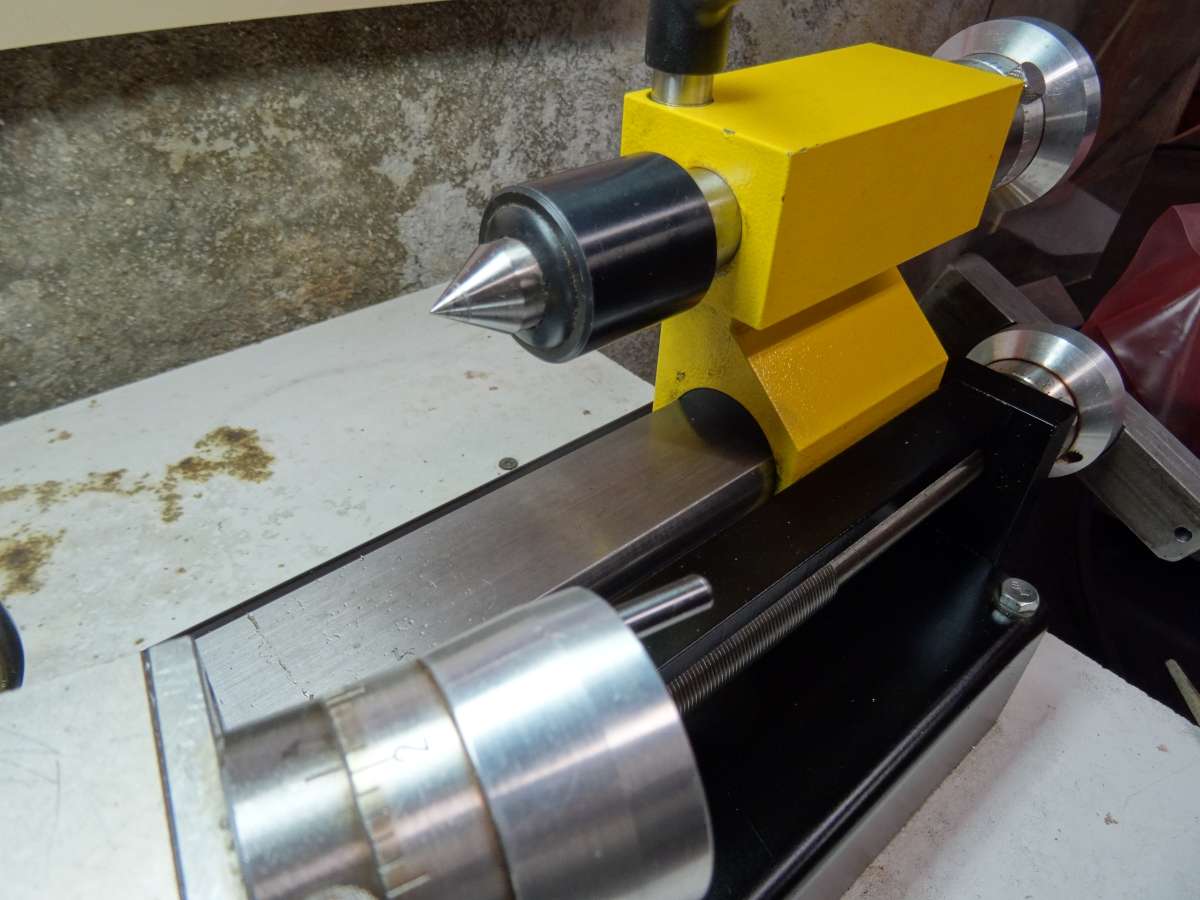
                                  So, thinking that Geneva style beds are a thing from the past, I just realized that my Prazi SD300 has a Geneva style bed.

                                  DSC00761DSC00762DSC00763DSC00765


                                  #834099
                                  Michael Gilligan
                                  Participant
                                    @michaelgilligan61133
                                    On SillyOldDuffer Said:


                                    […] If more is found about M vs WW I’d be interested to know.  Might be necessary to search the company archives for the paperwork.  Patents are often informative too. I struggle to find them, Michael is far better!

                                    Dave

                                    Dave …

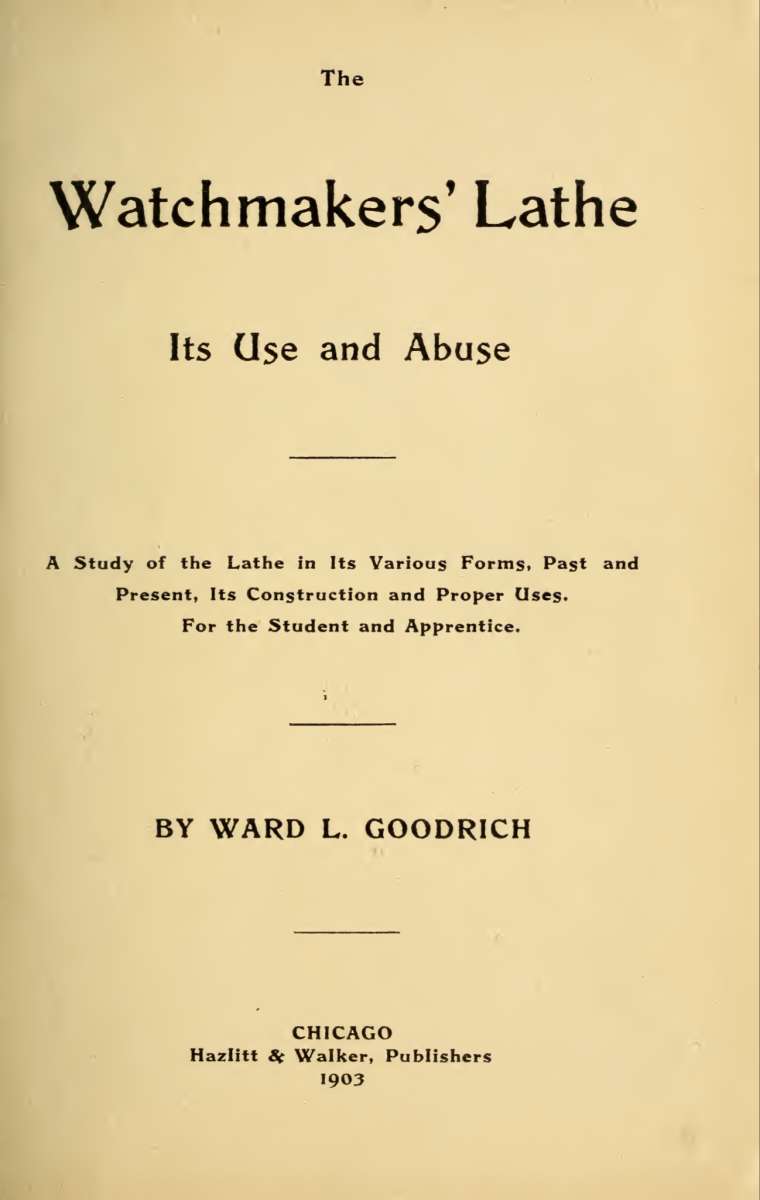
                                    The origins of the WW lathe are well-documented by Goodrich:

                                    IMG_4764

                                    and the flame was borne thereafter by Fred. Derbyshire.

                                    https://worldwide.espacenet.com/patent/search?q=pn%3DUS936422A

                                    https://worldwide.espacenet.com/patent/search?q=pn%3DUS1168063A

                                    MichaelG.

                                    .

                                    http://www.fwderbyshire.com

                                    http://www.fwderbyshireinc.com

                                  Viewing 16 posts - 1 through 16 (of 16 total)
                                  • Please log in to reply to this topic. Registering is free and easy using the links on the menu at the top of this page.

                                  Latest Replies

                                  Home Forums Manual machine tools Topics

                                  Viewing 25 topics - 1 through 25 (of 25 total)
                                  Viewing 25 topics - 1 through 25 (of 25 total)

                                  View full reply list.