

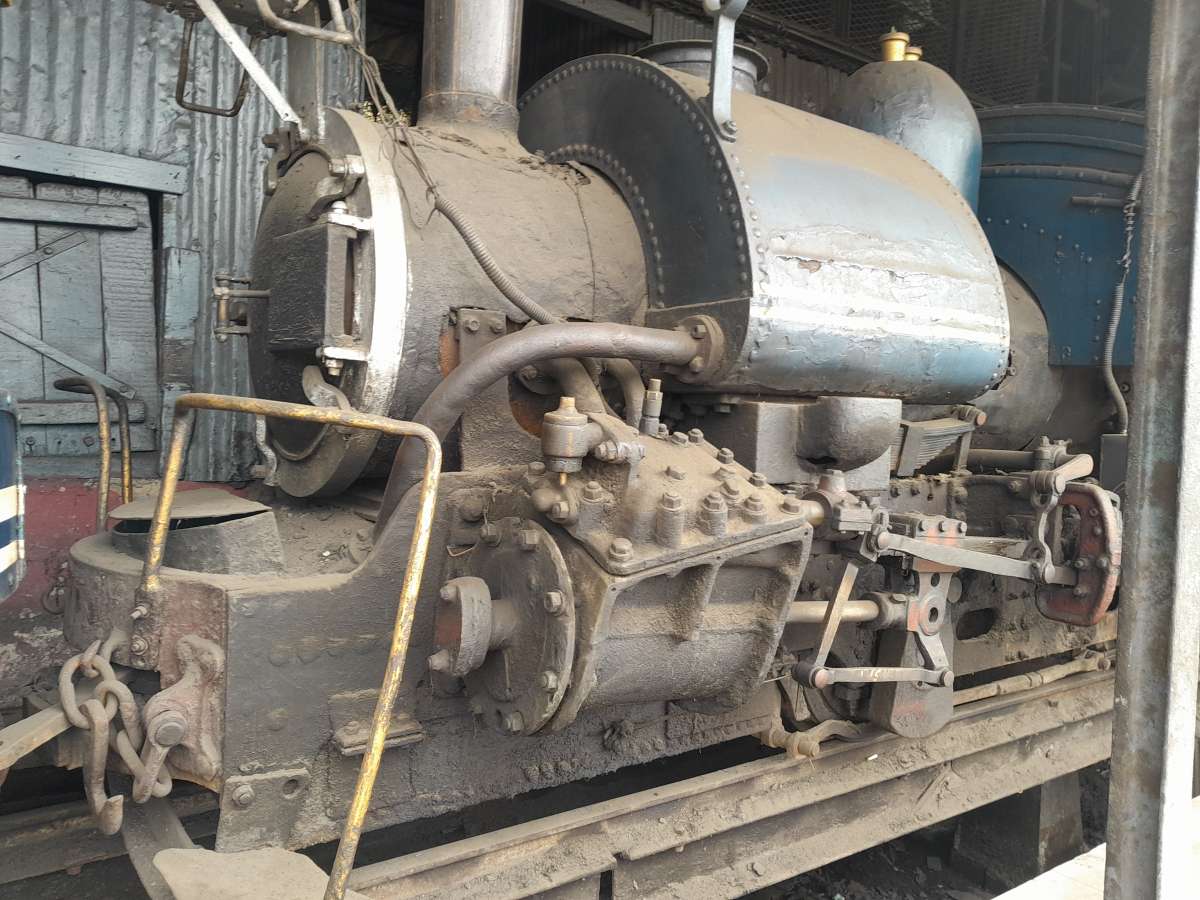
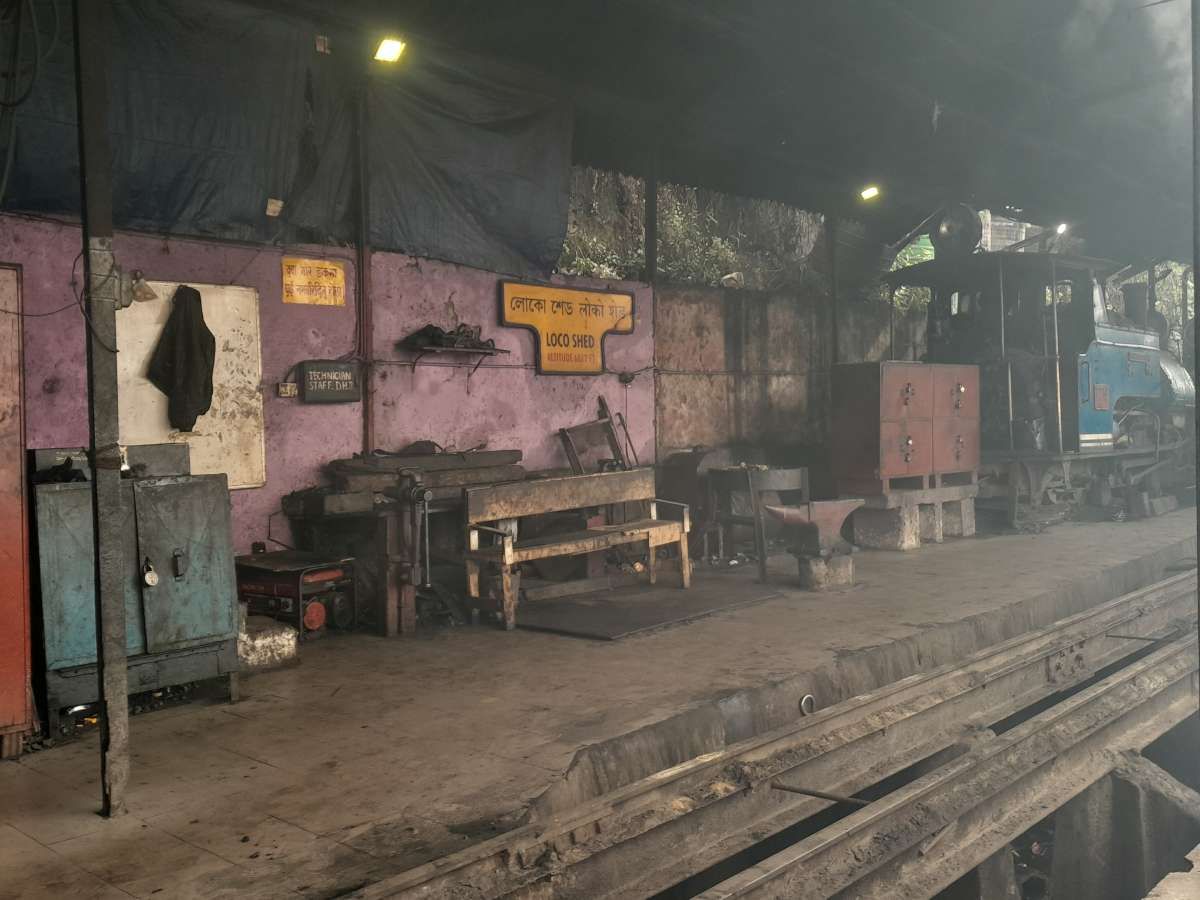
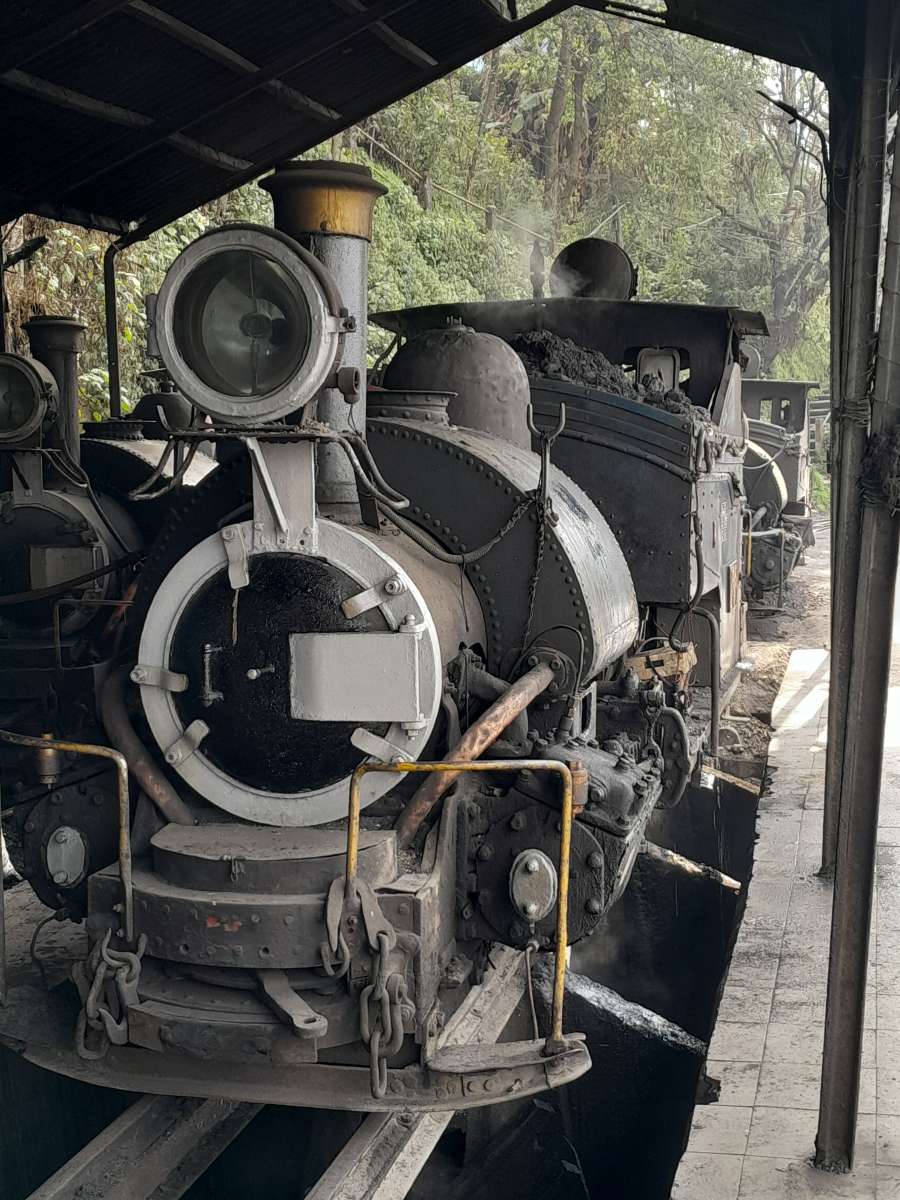
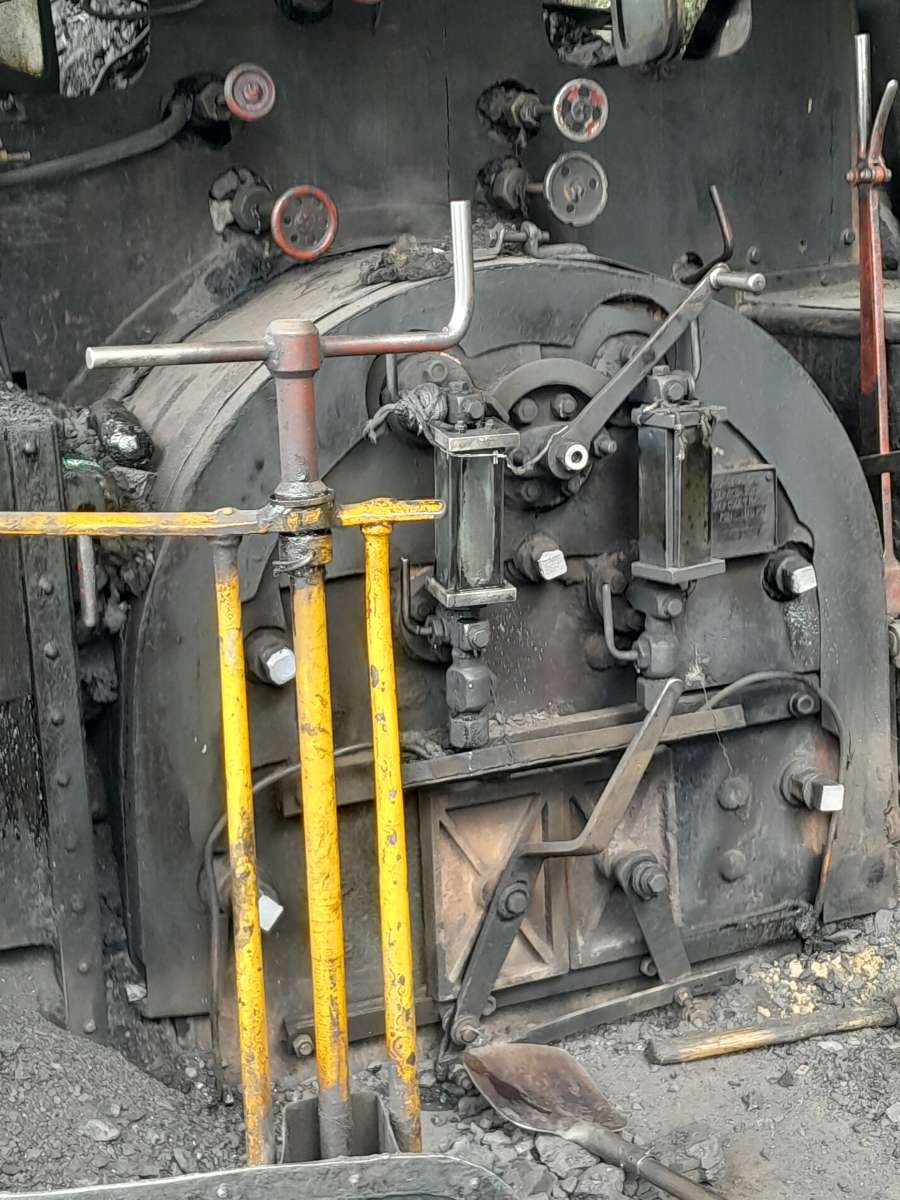
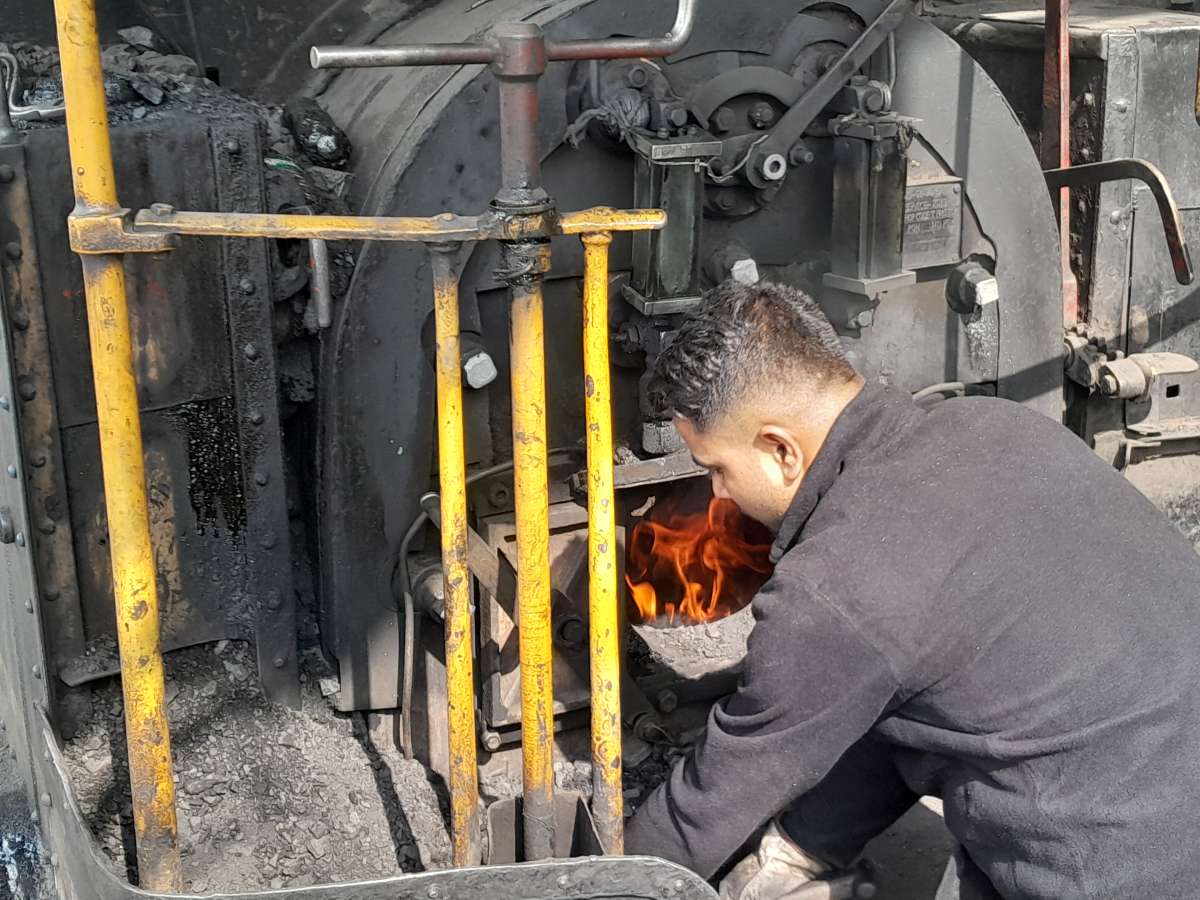
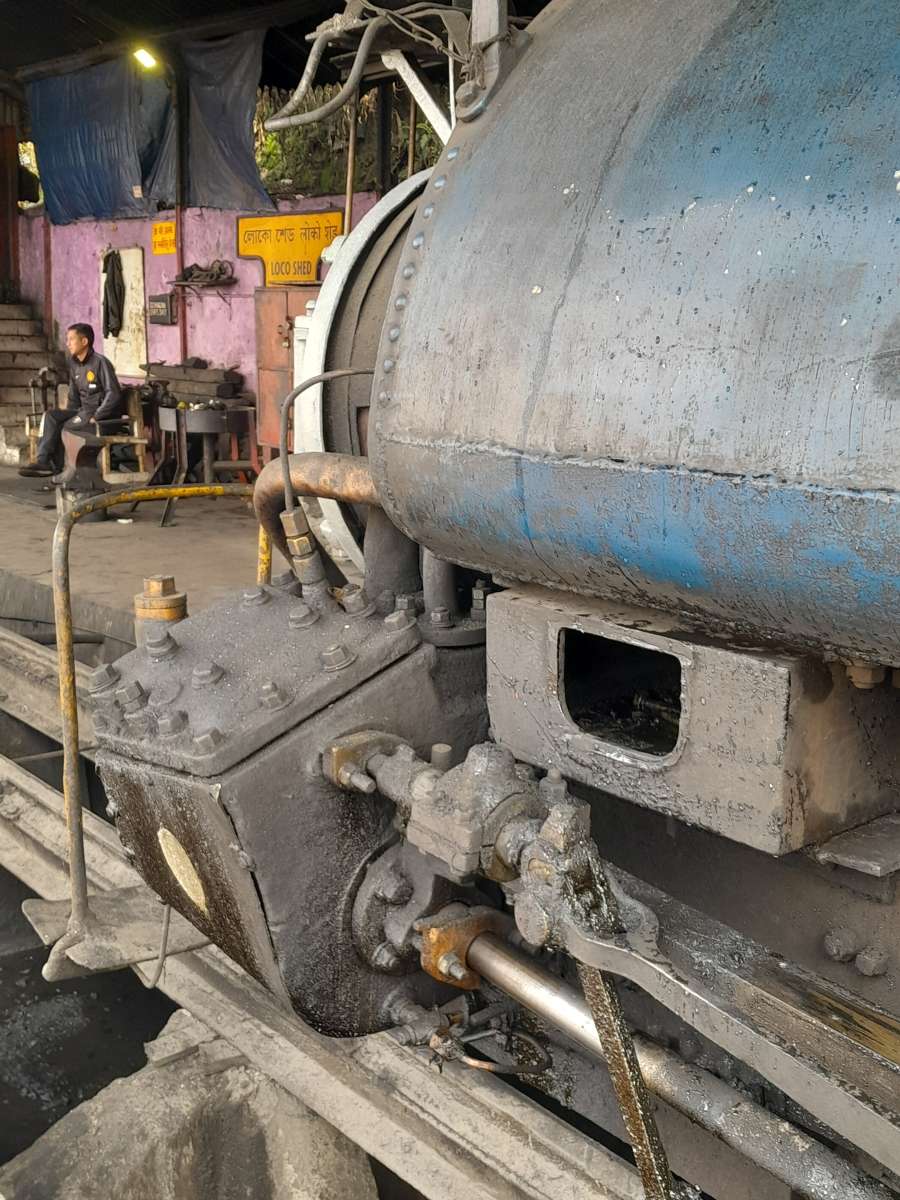
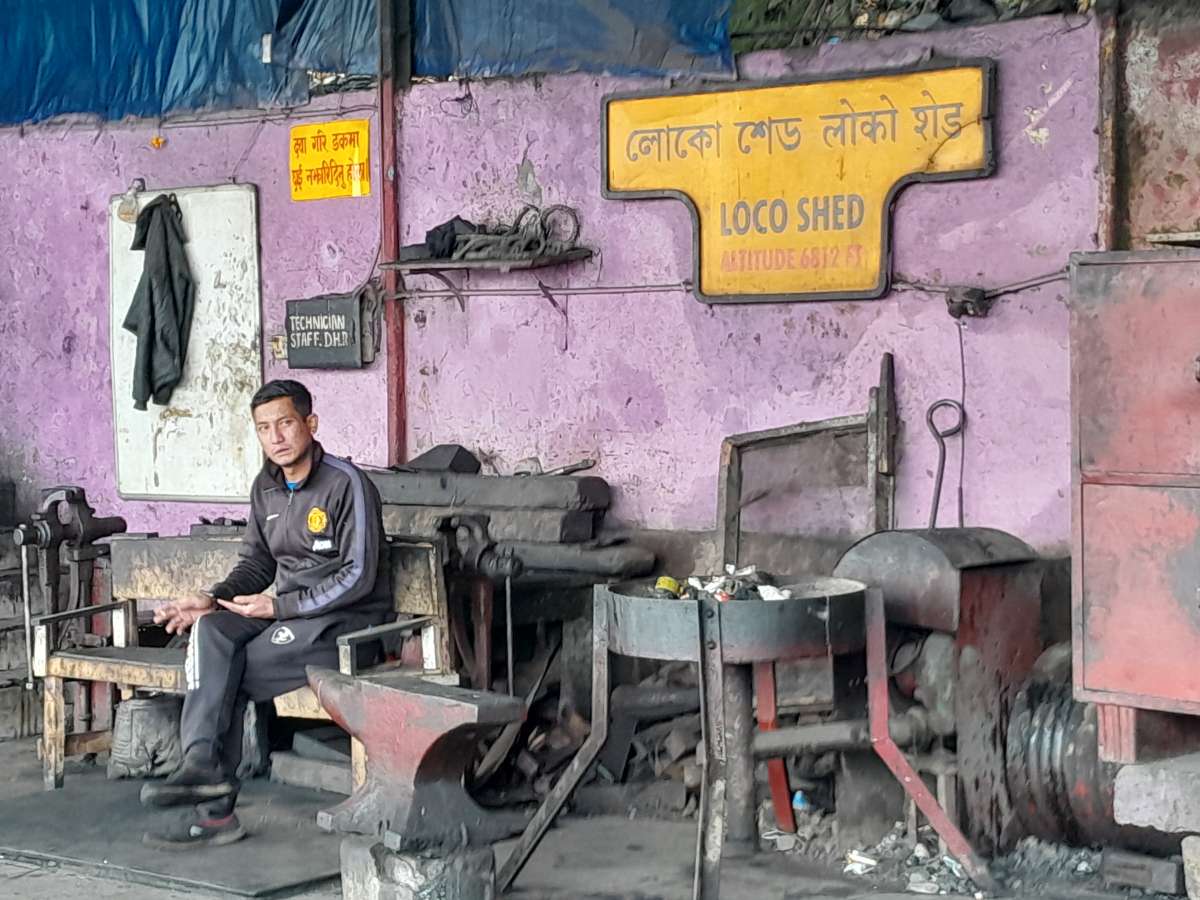
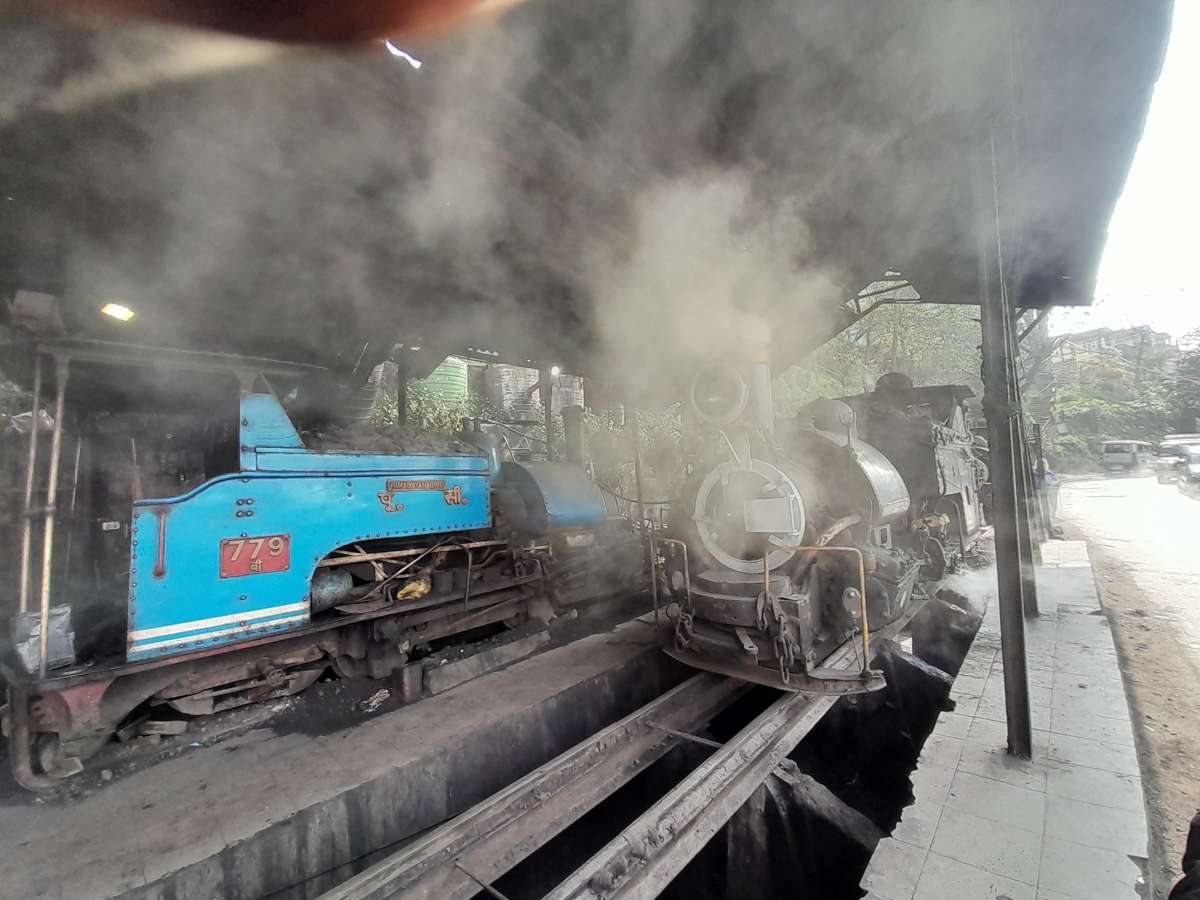
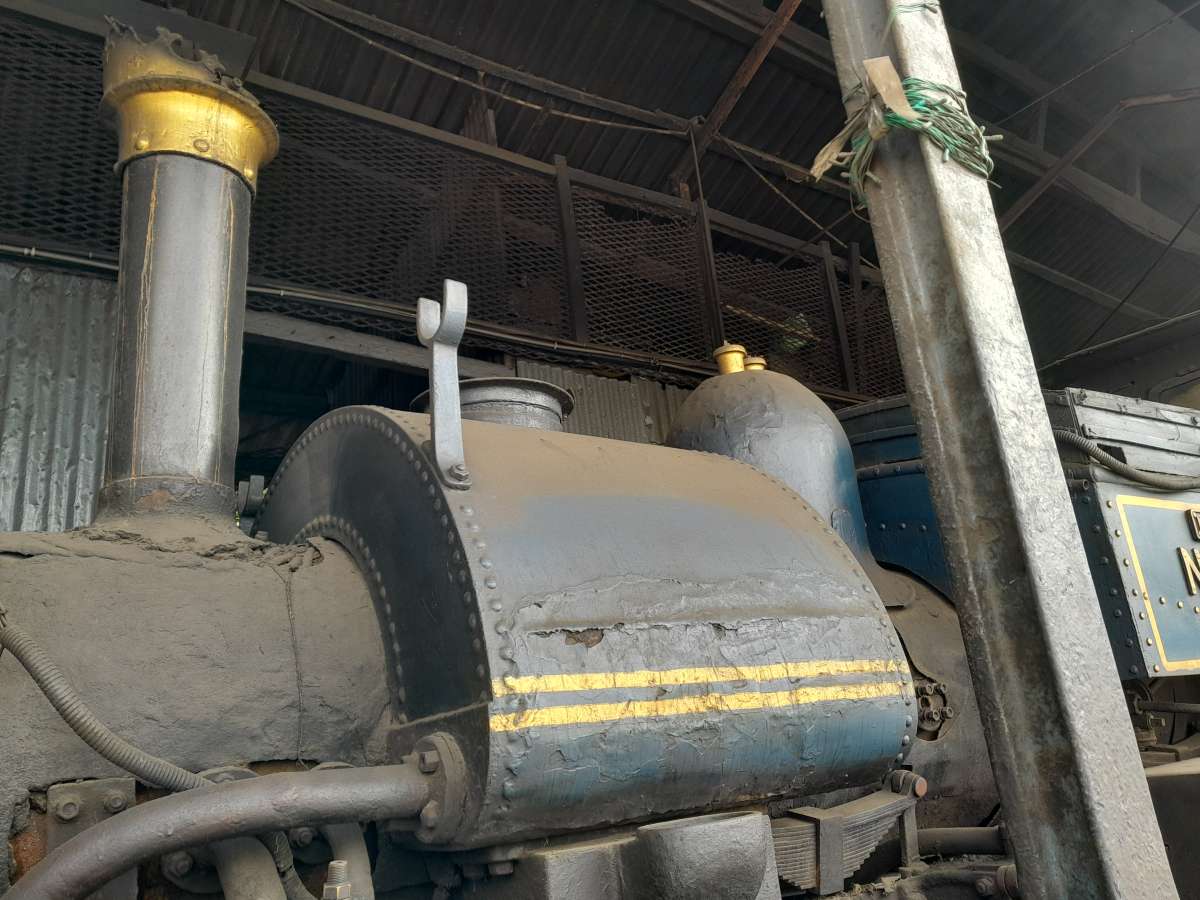
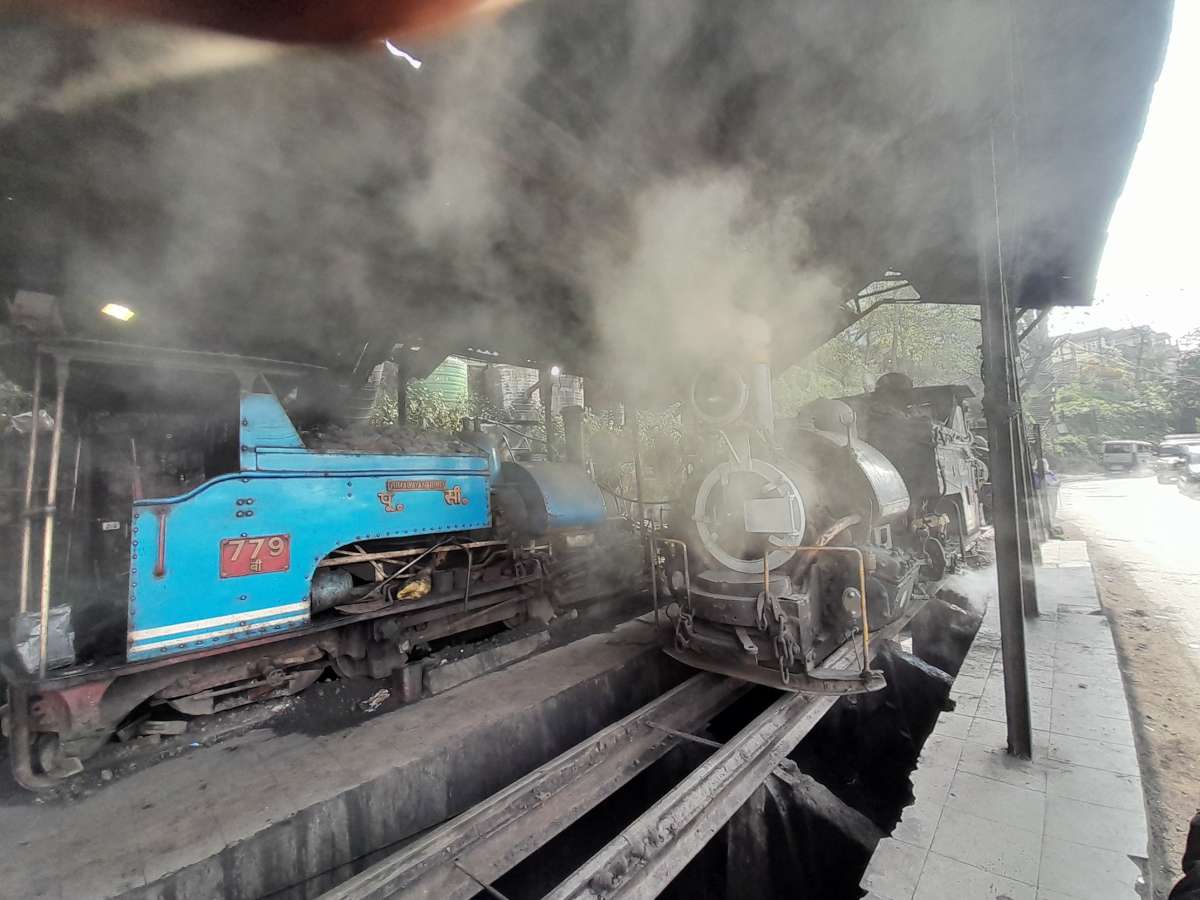
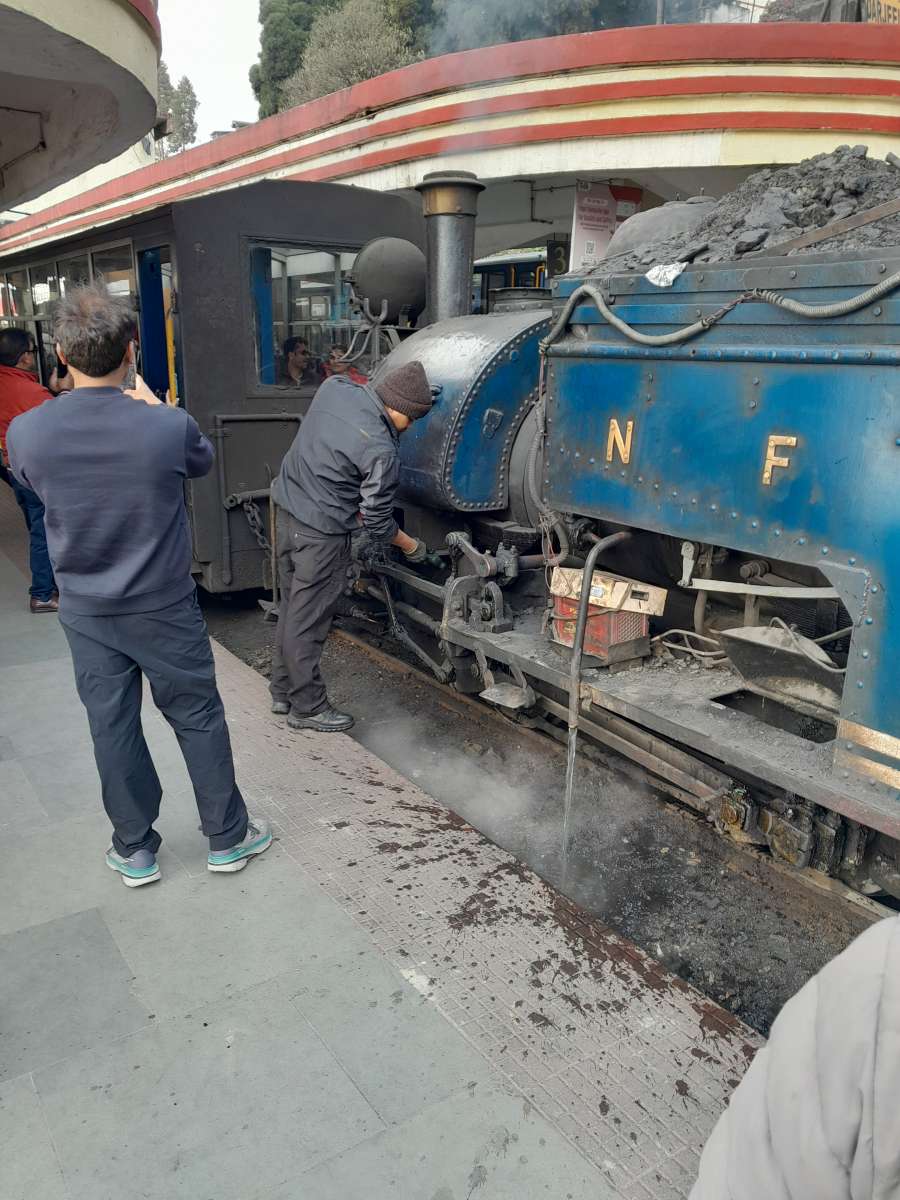
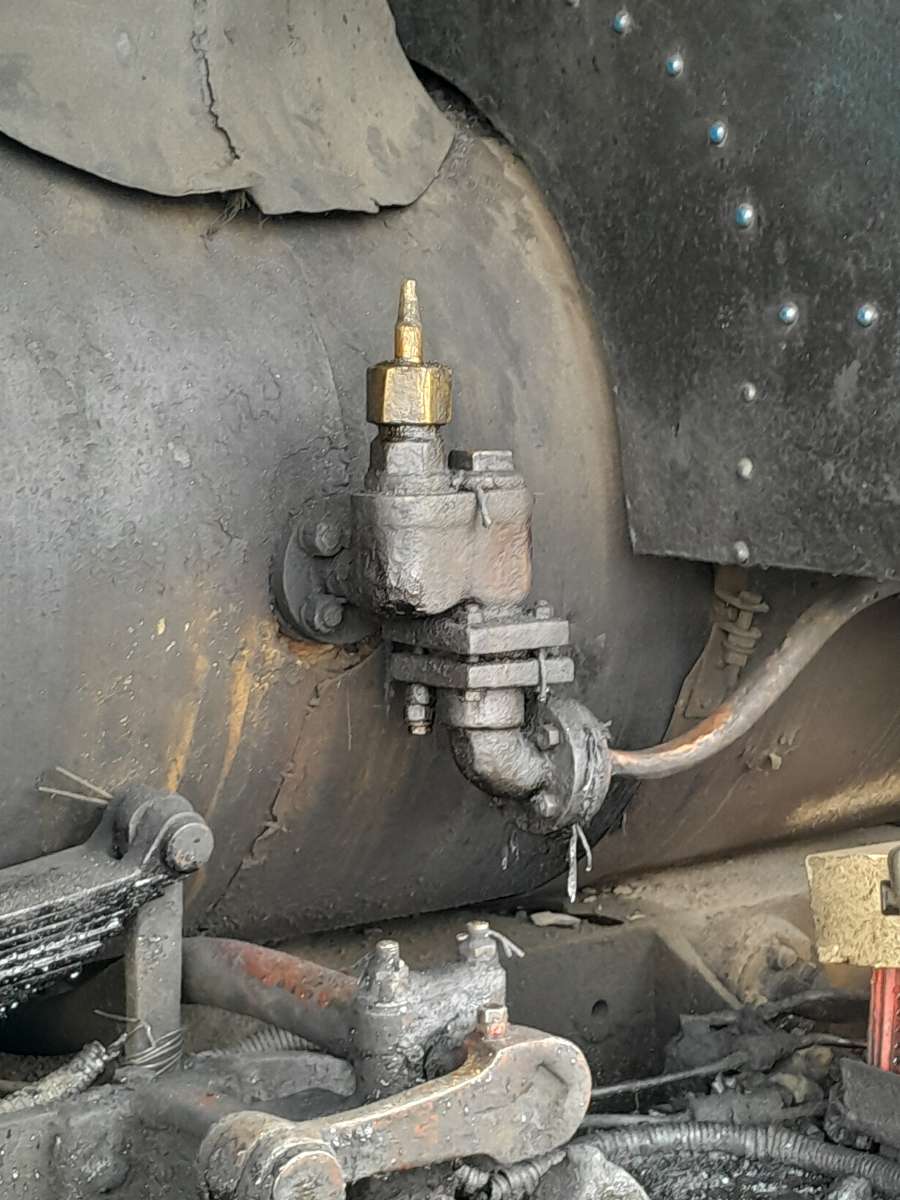
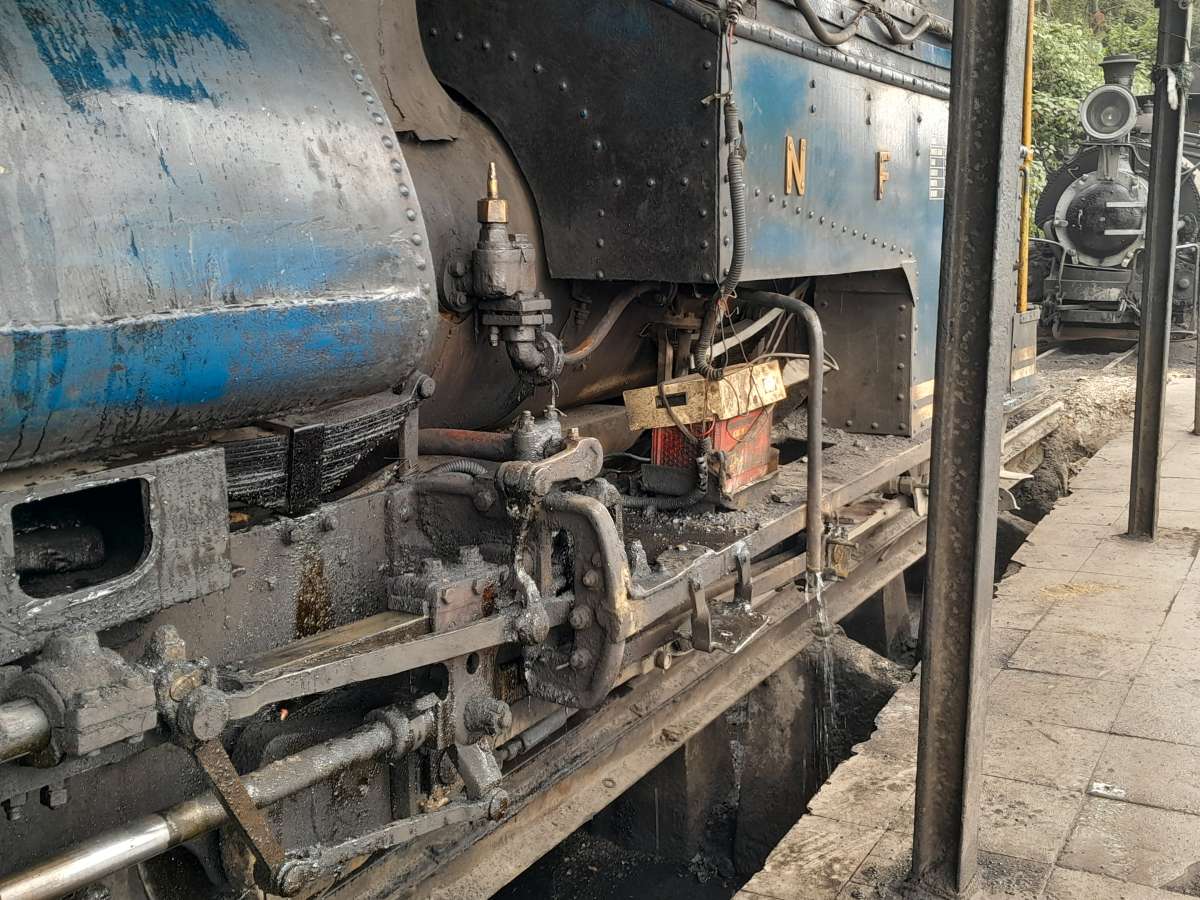
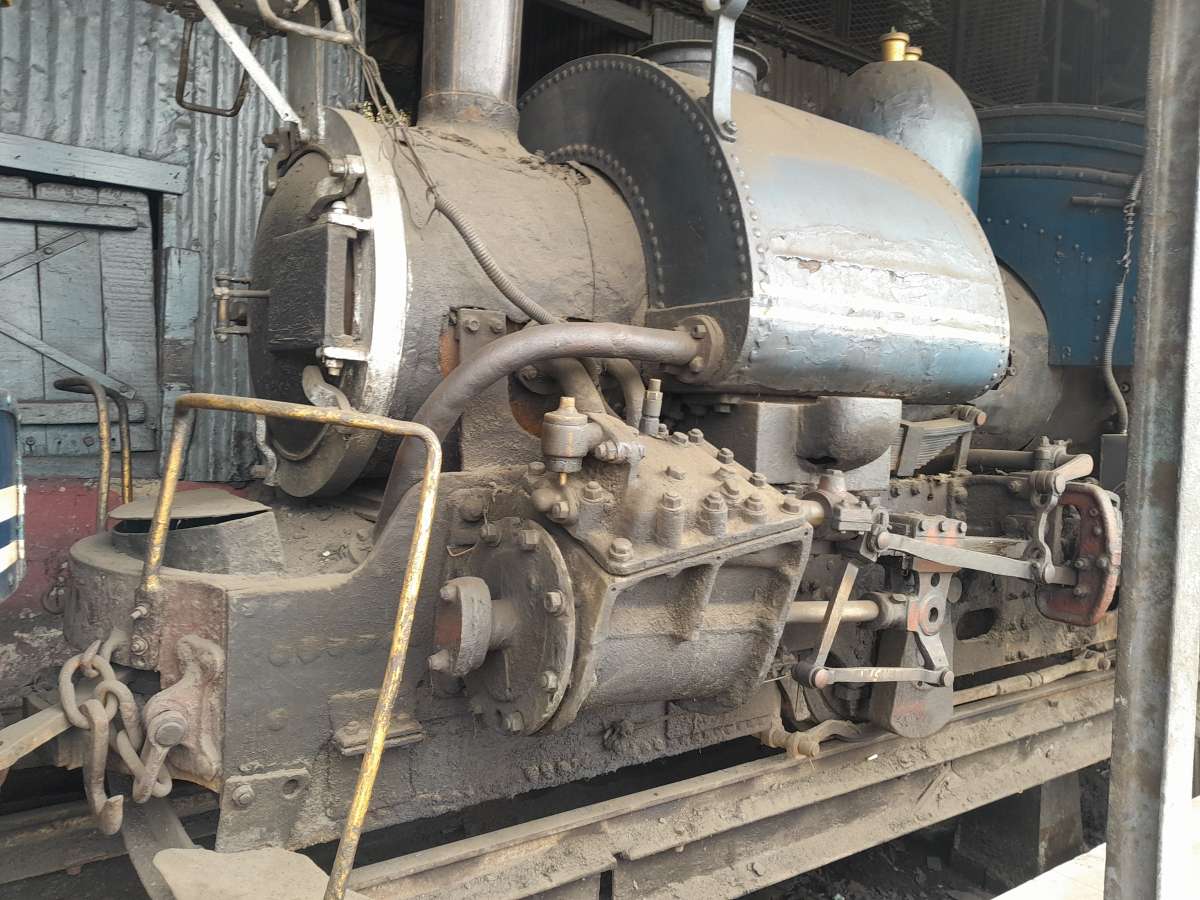
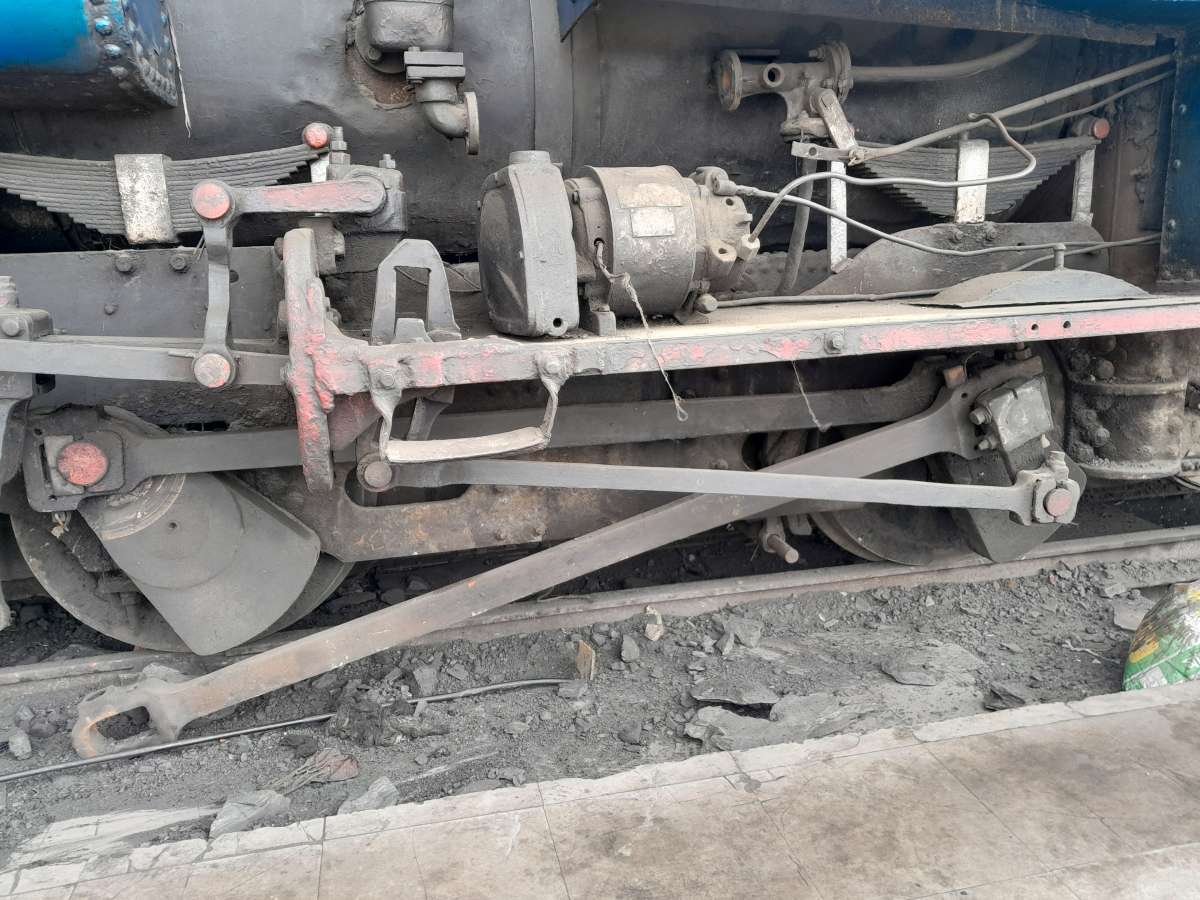
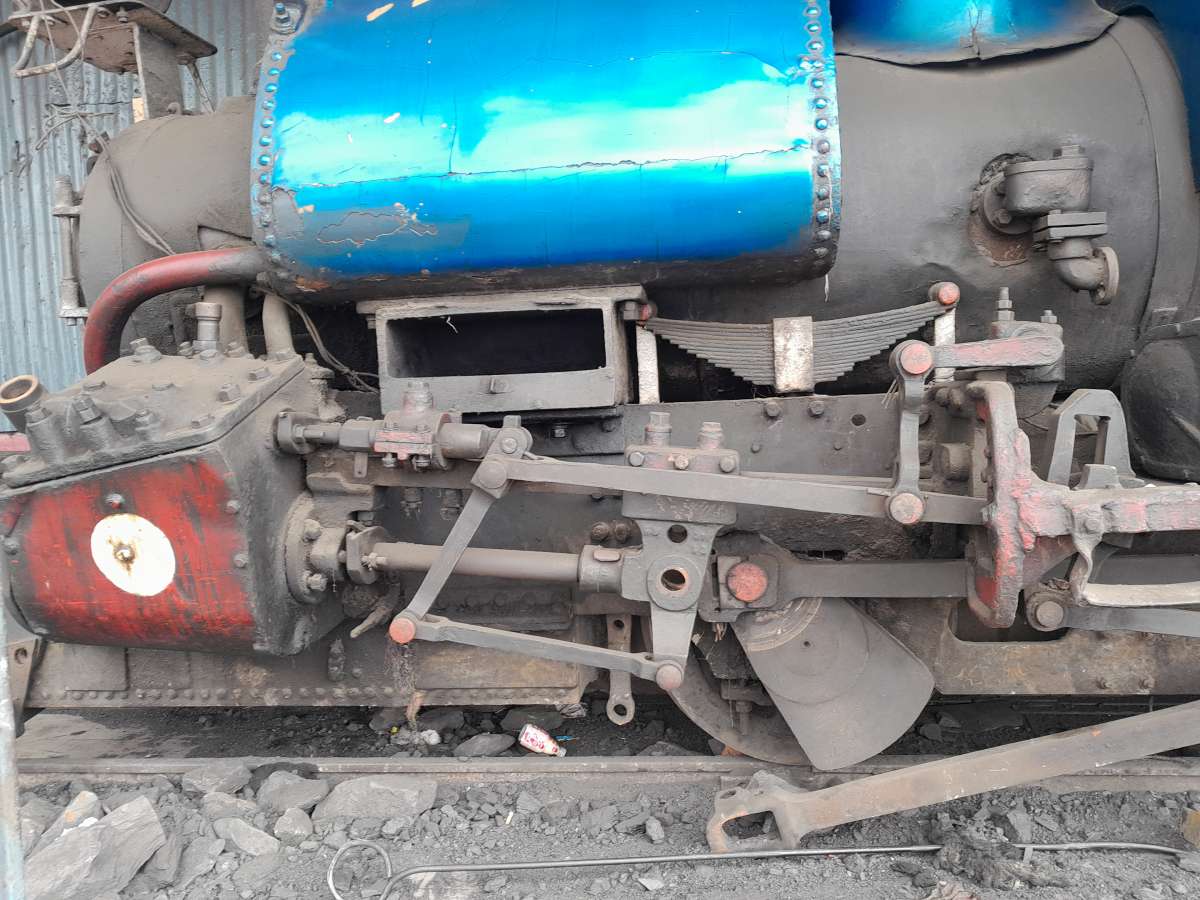
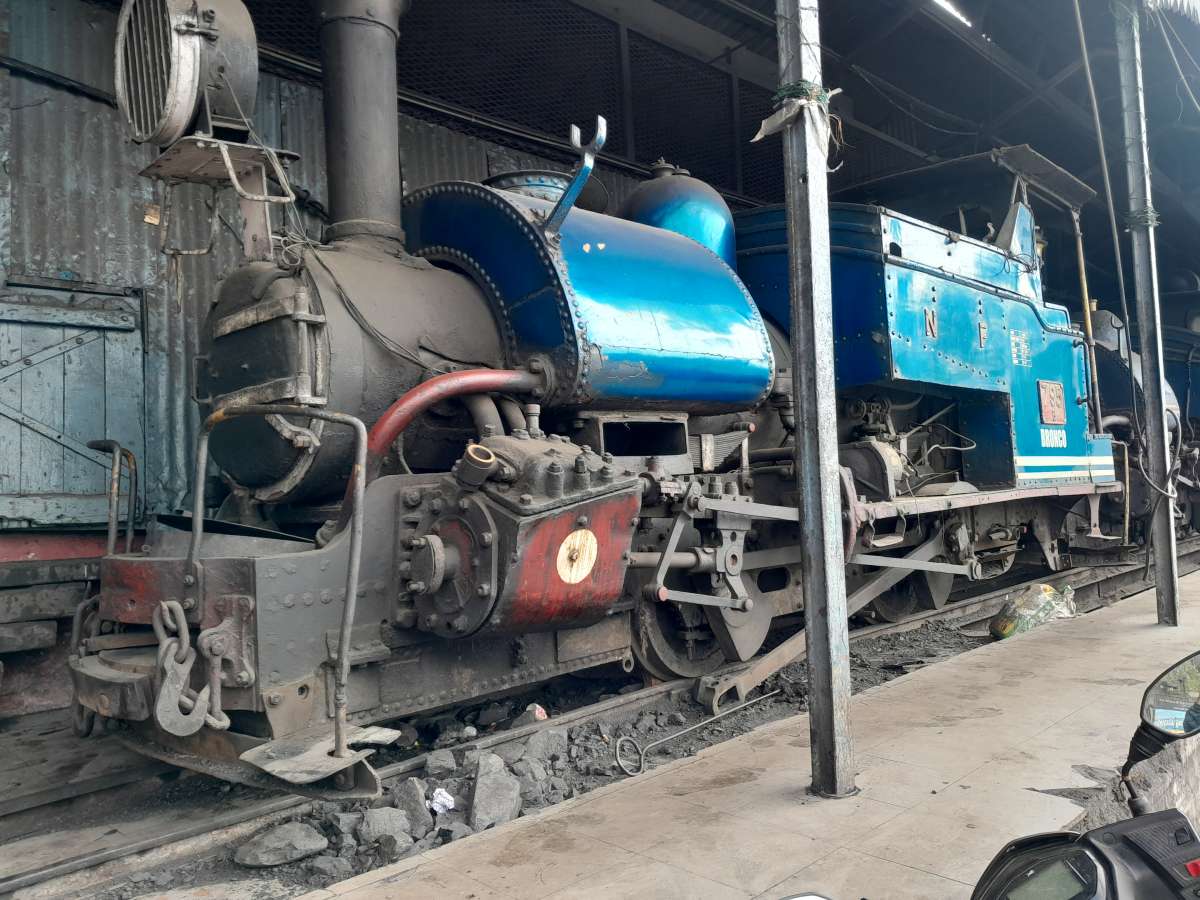
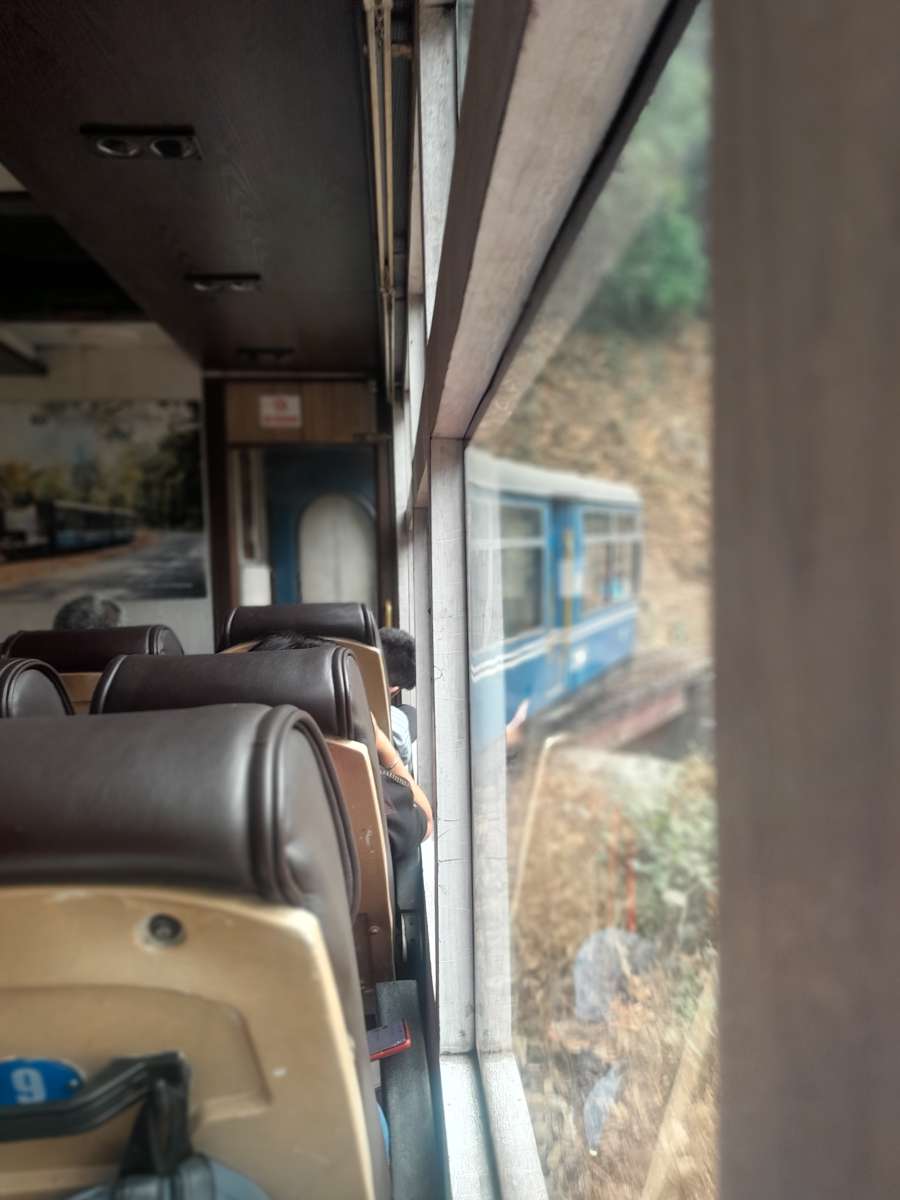
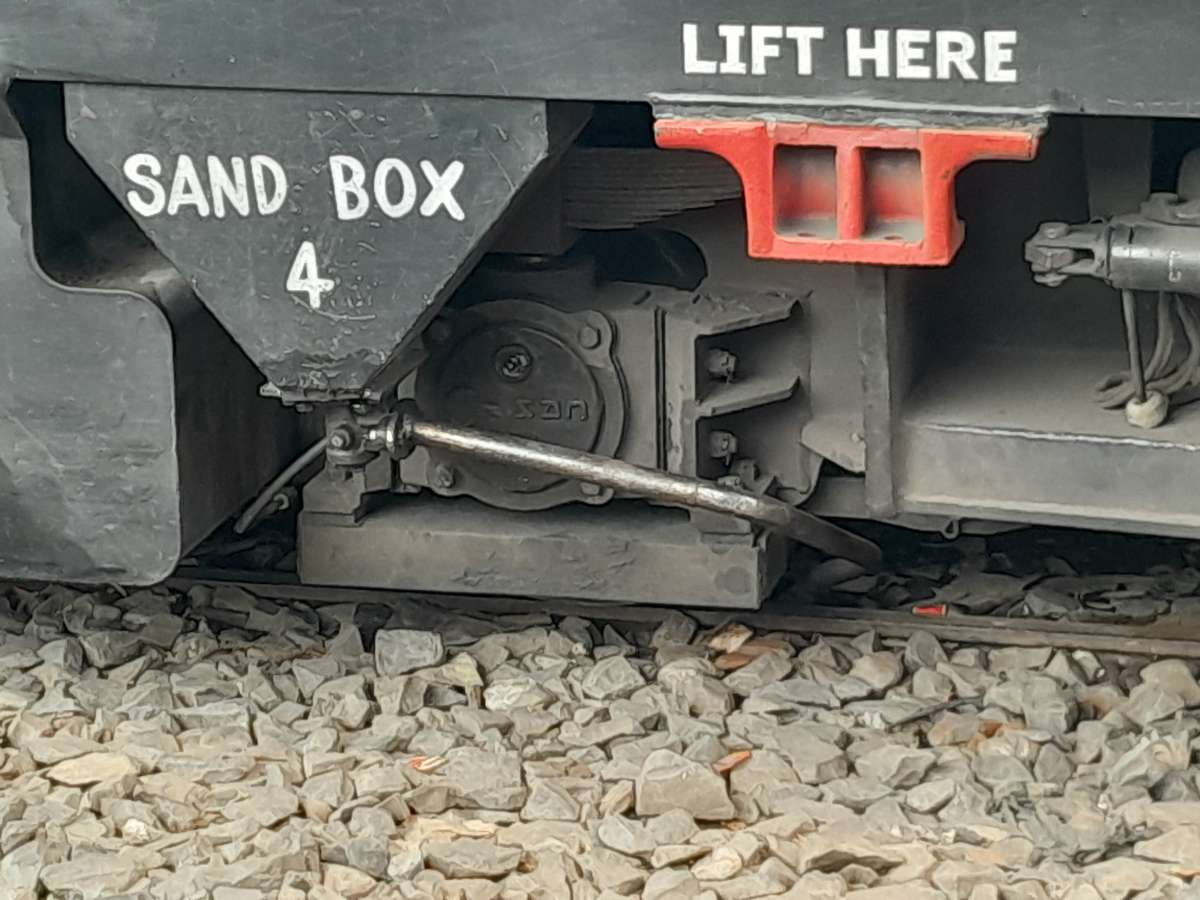
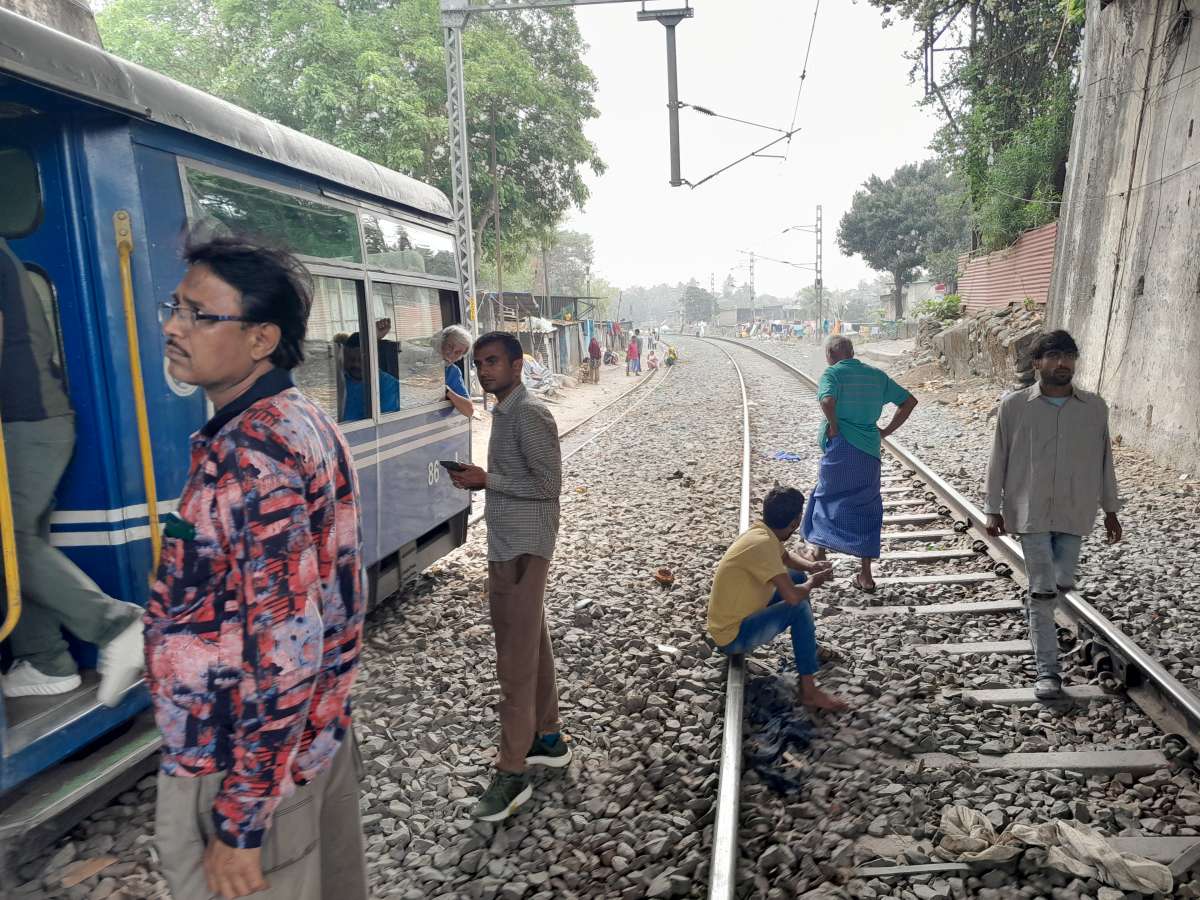
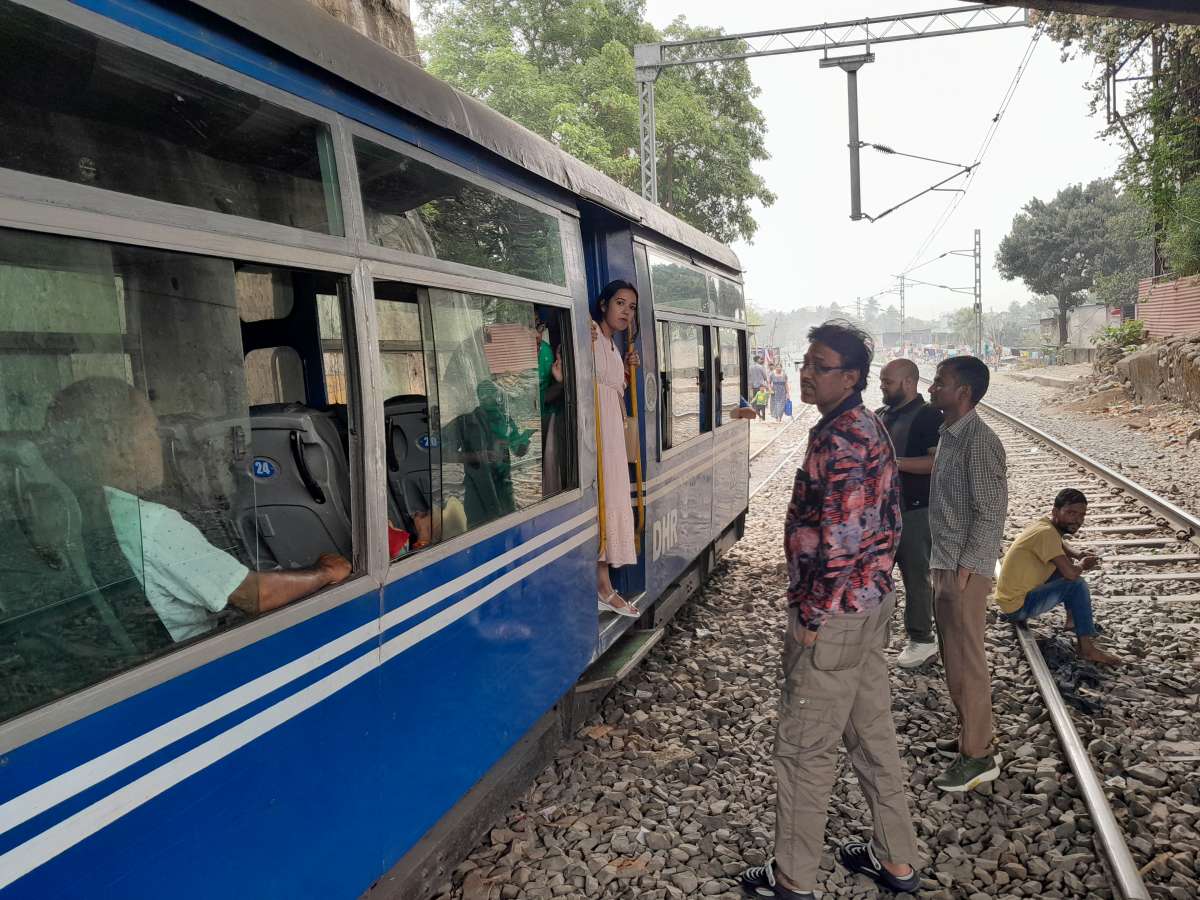
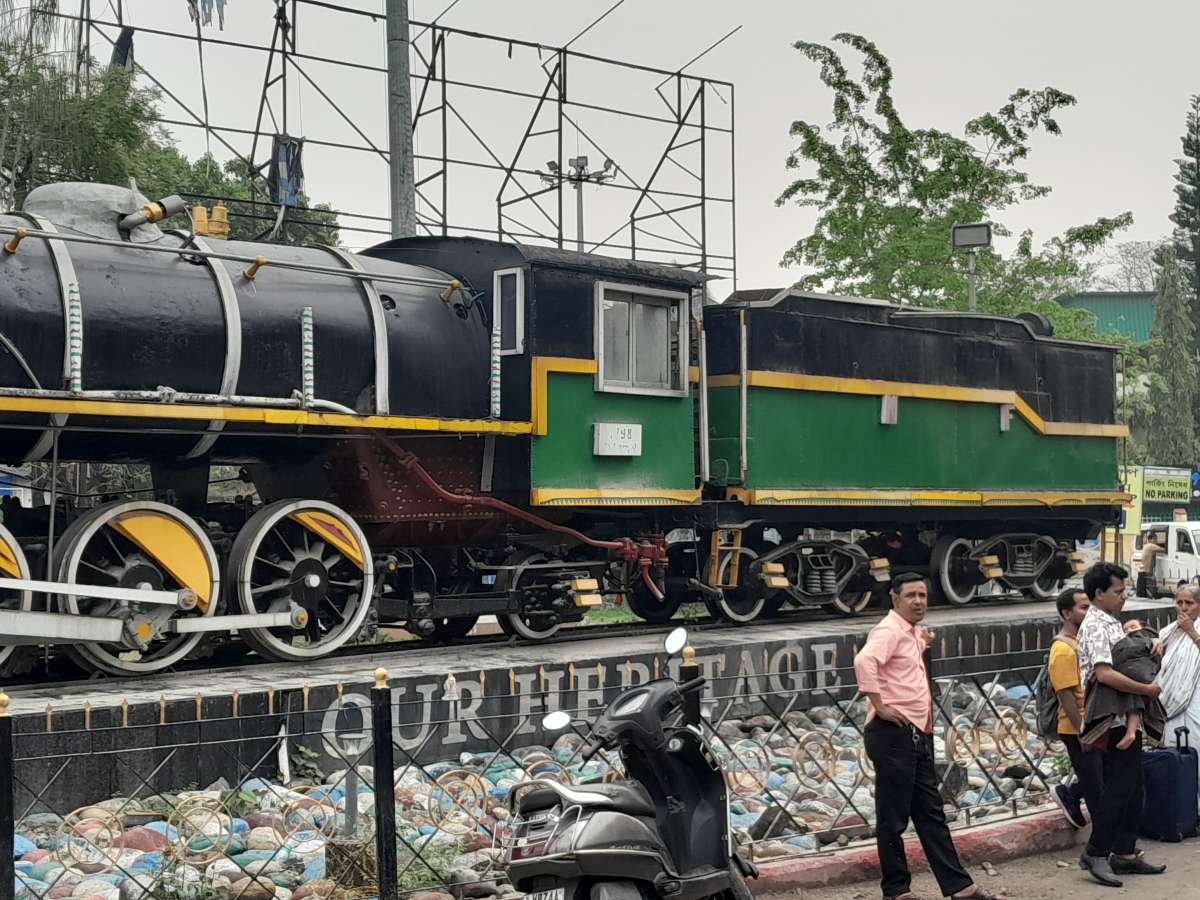
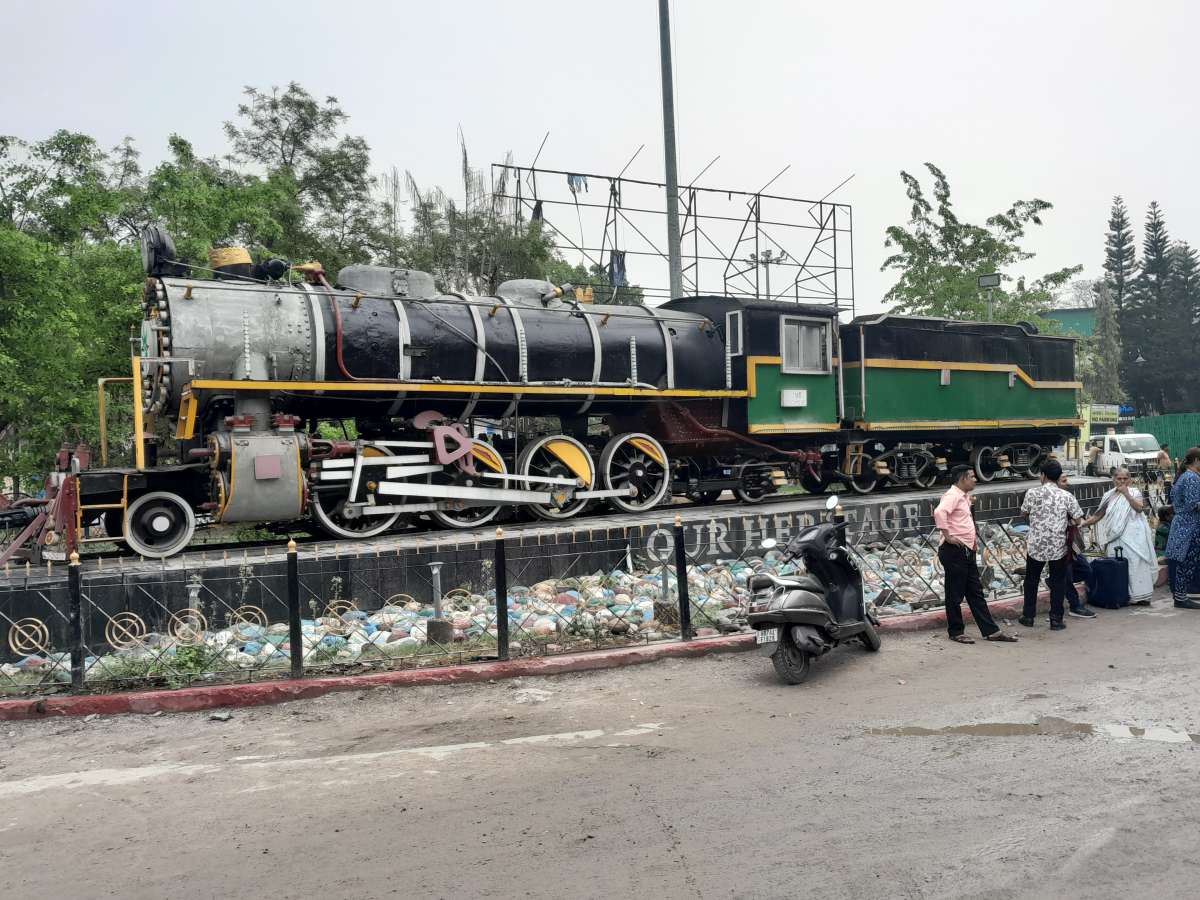
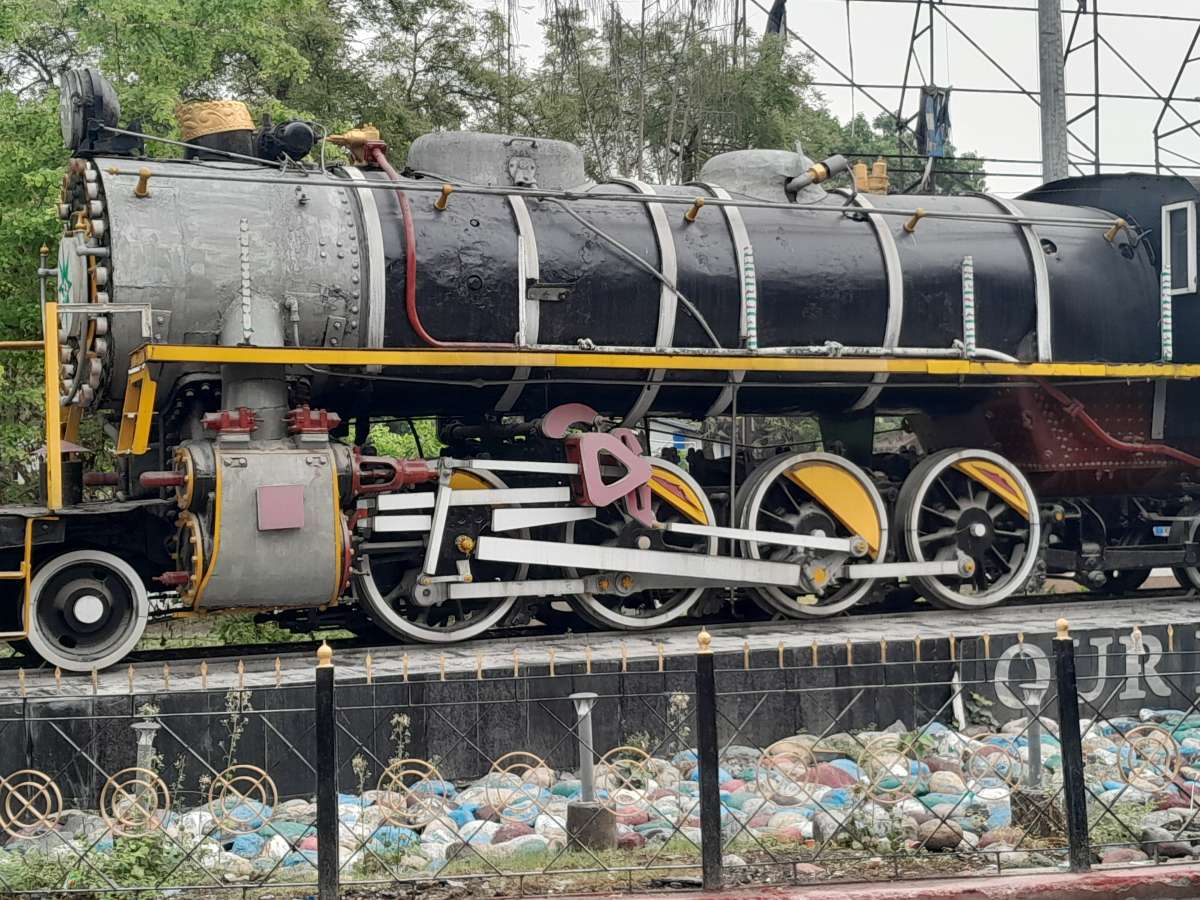
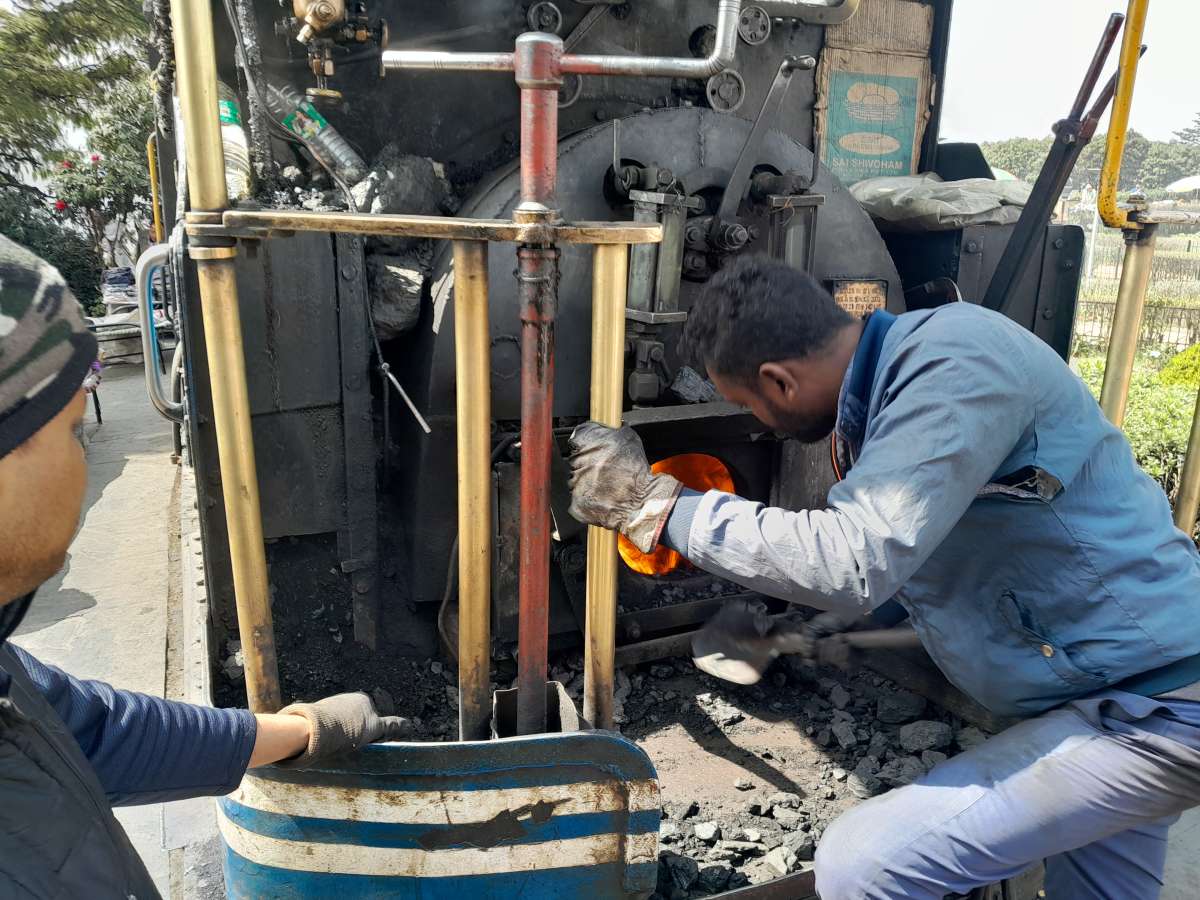
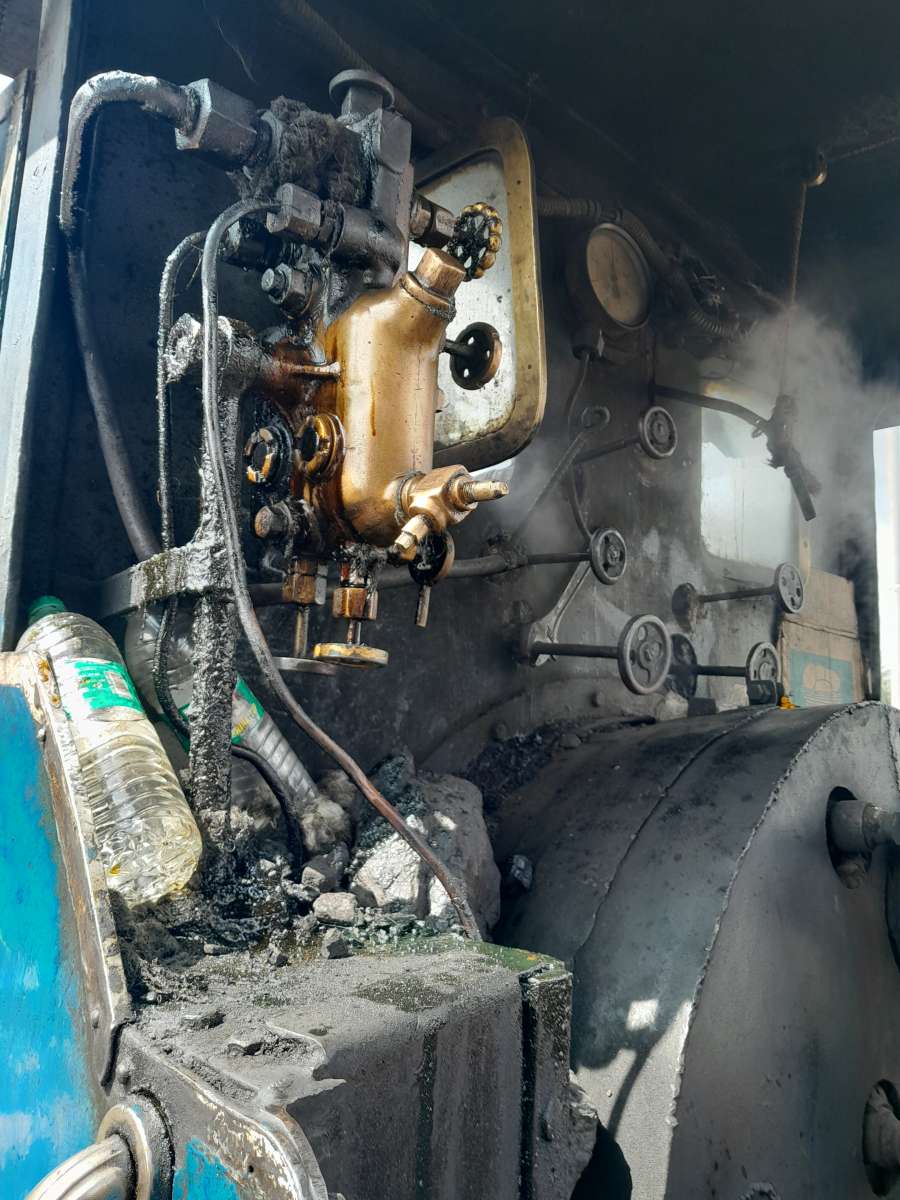
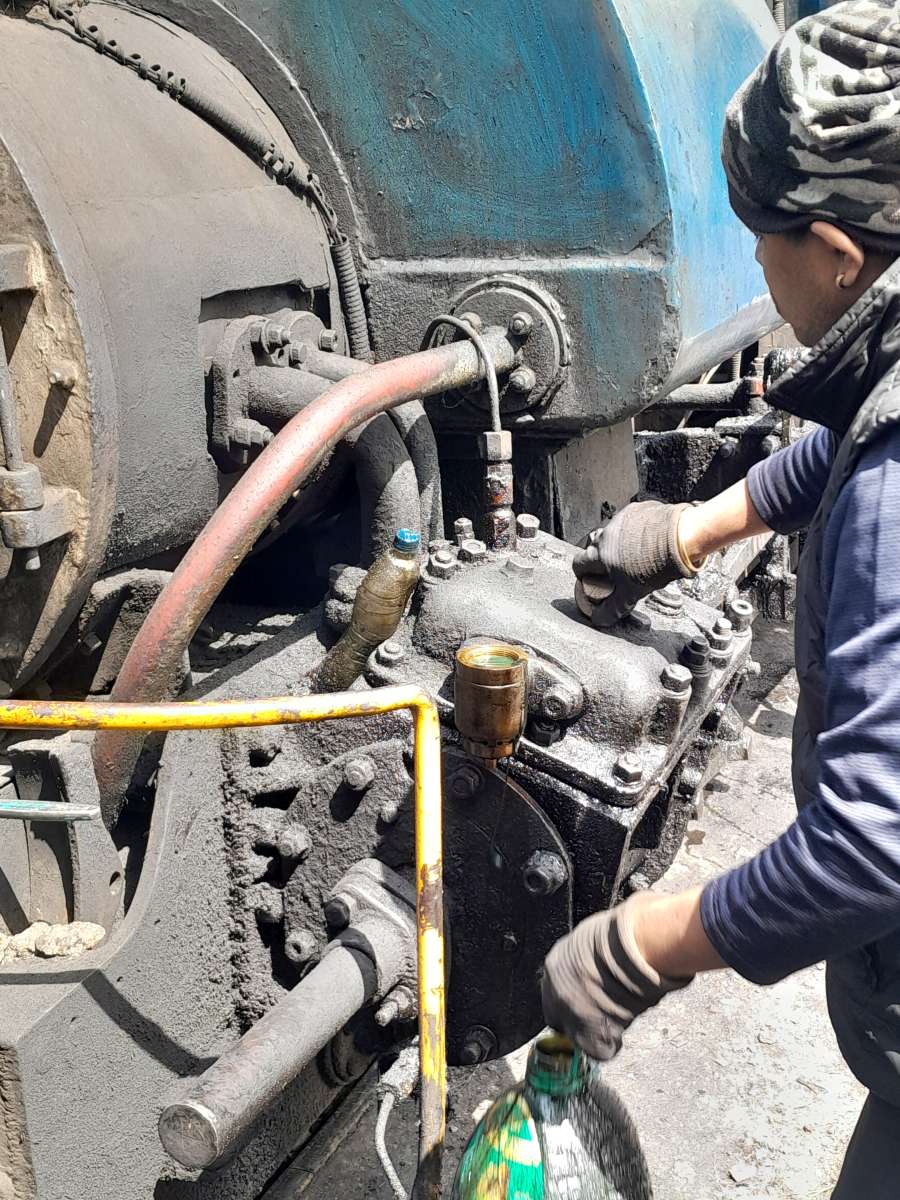
A day out: Darjeeling “Toy Train”
A day out: Darjeeling “Toy Train”
- This topic has 21 replies, 7 voices, and was last updated 19 March 2026 at 15:27 by
 cedric 1.
 cedric 1.
 cedric 1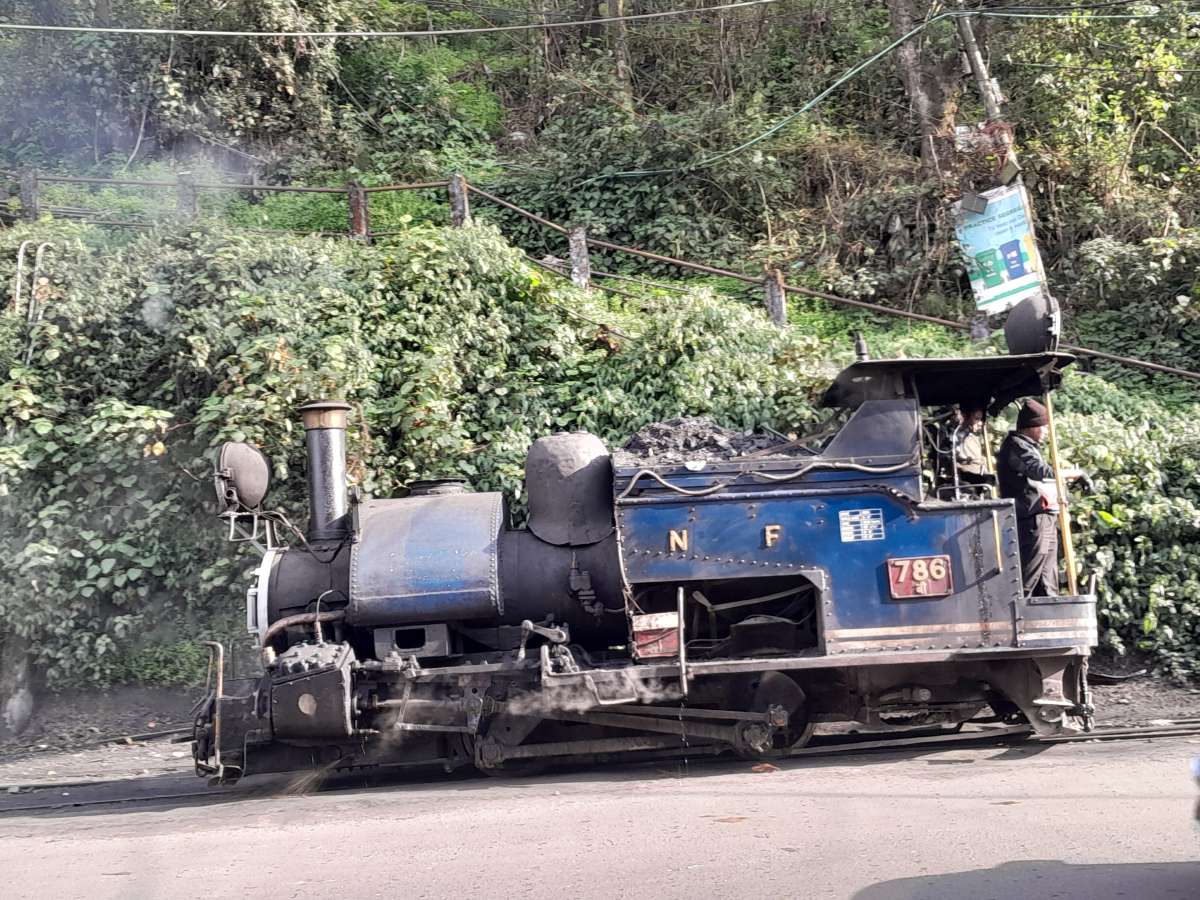

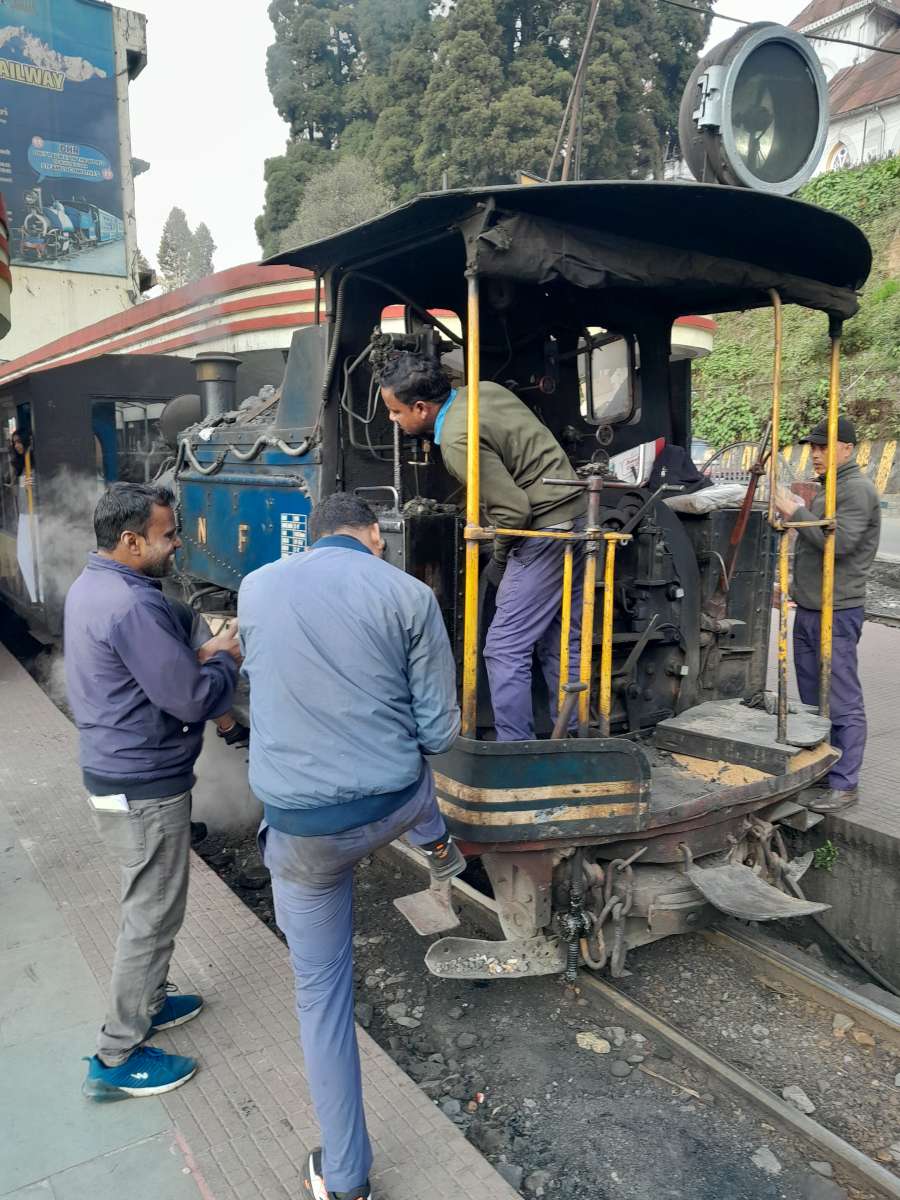



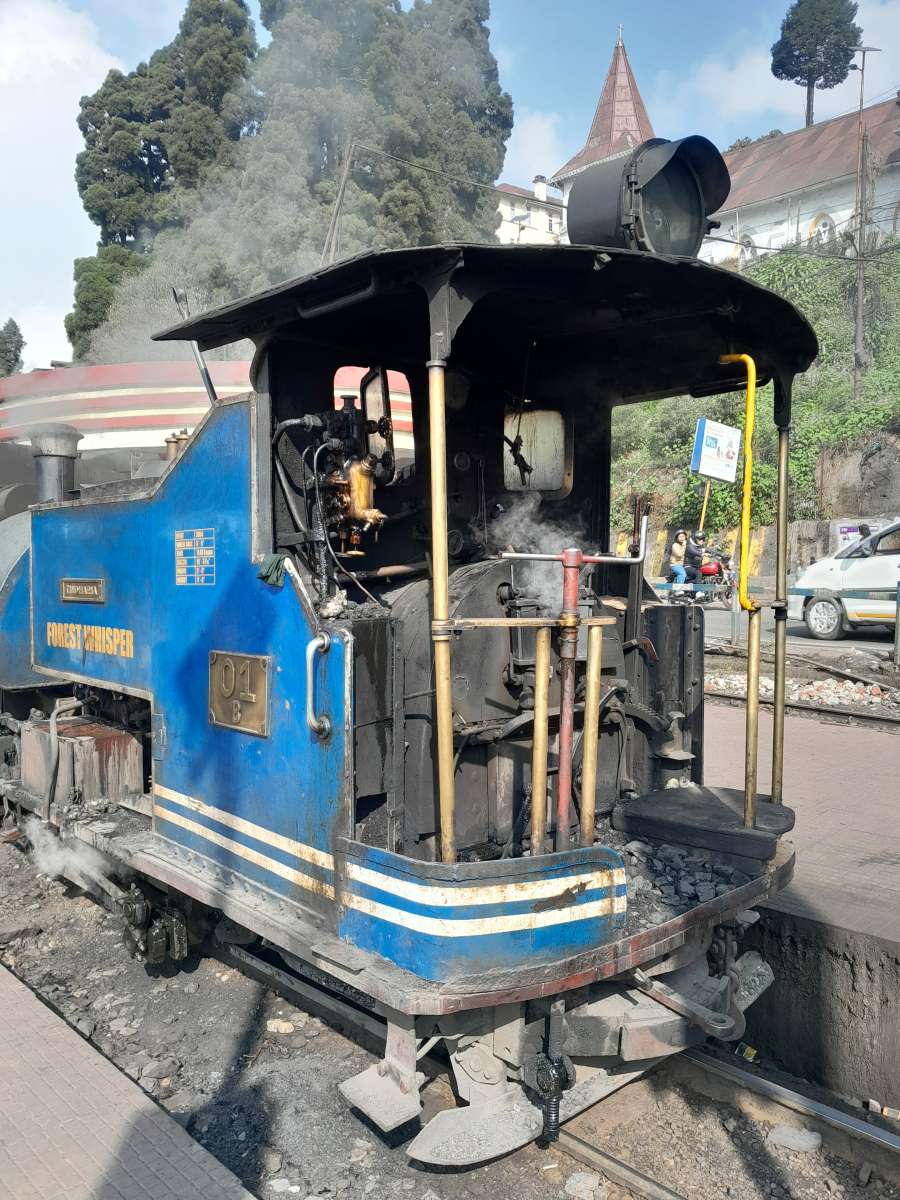

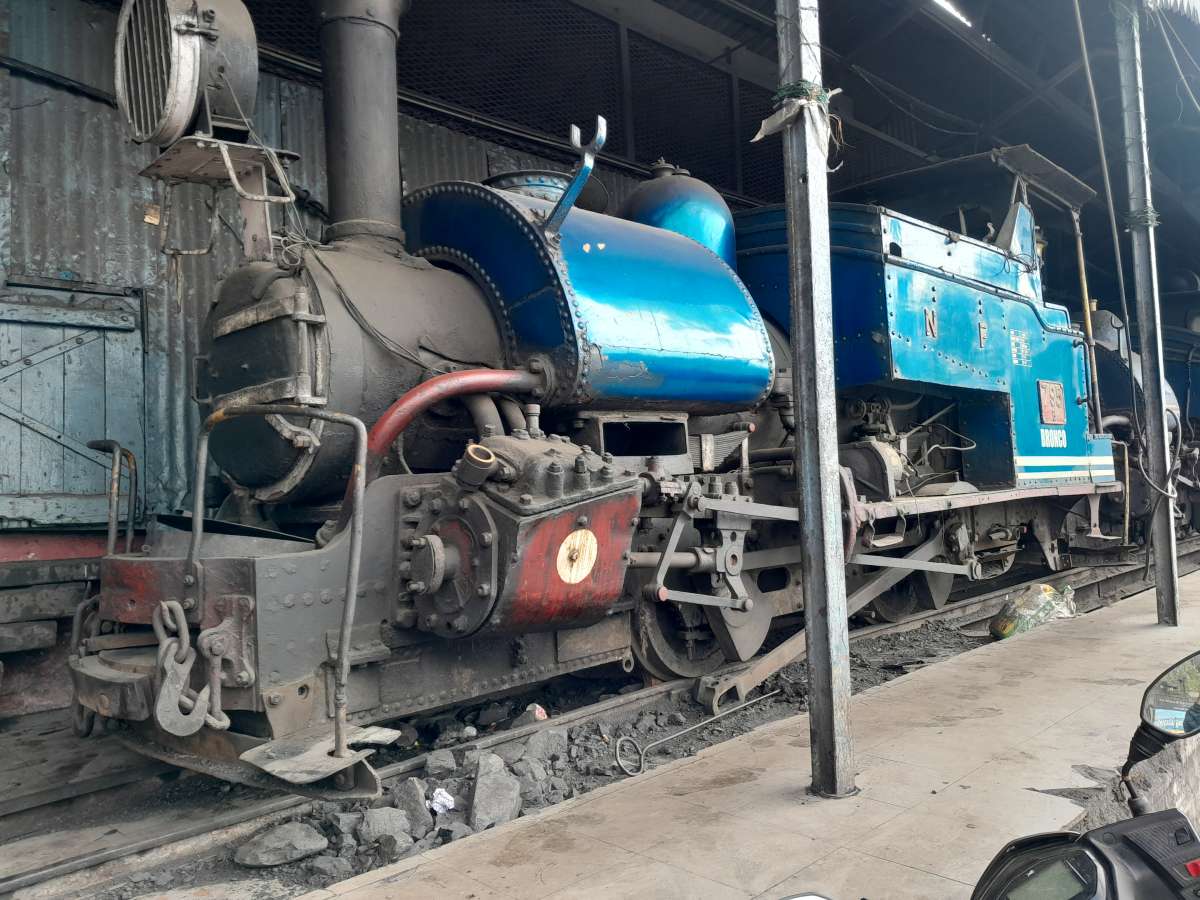



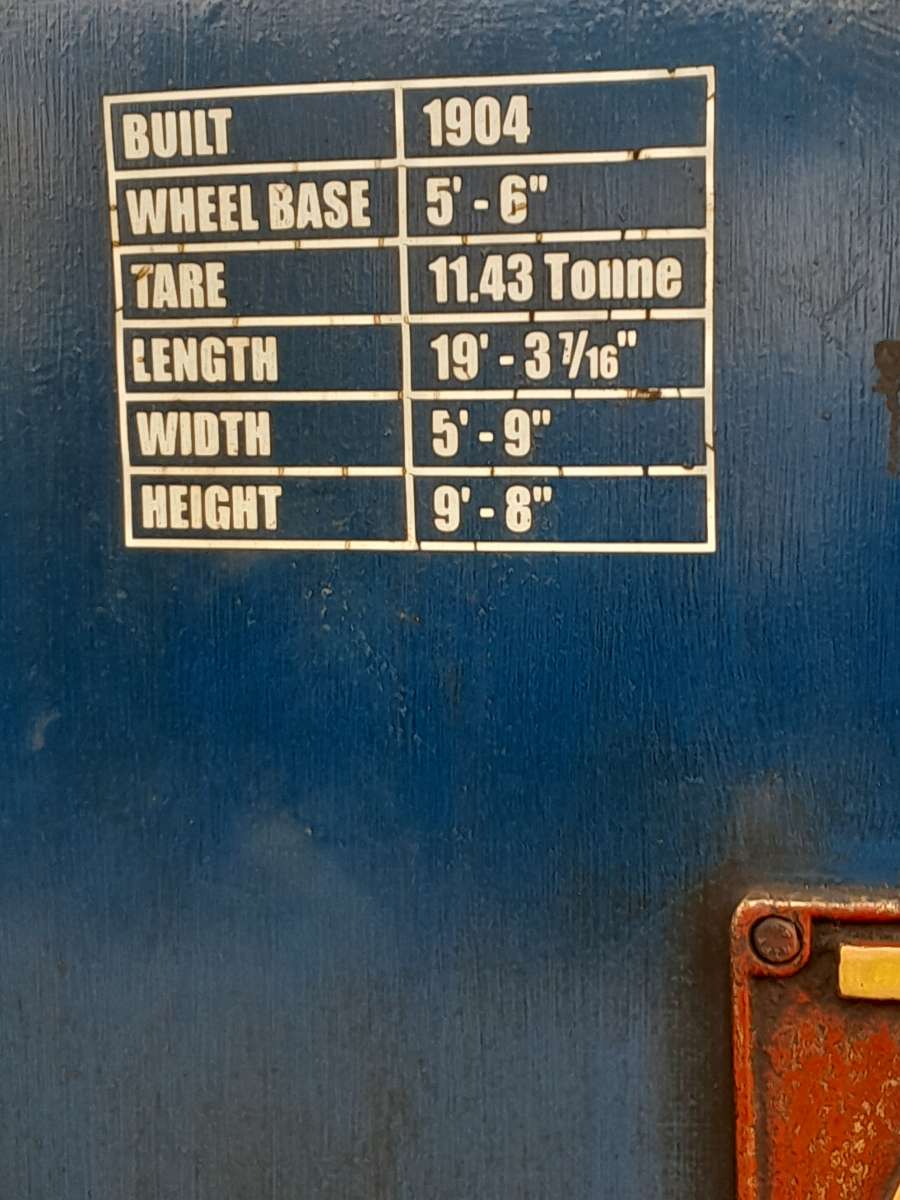
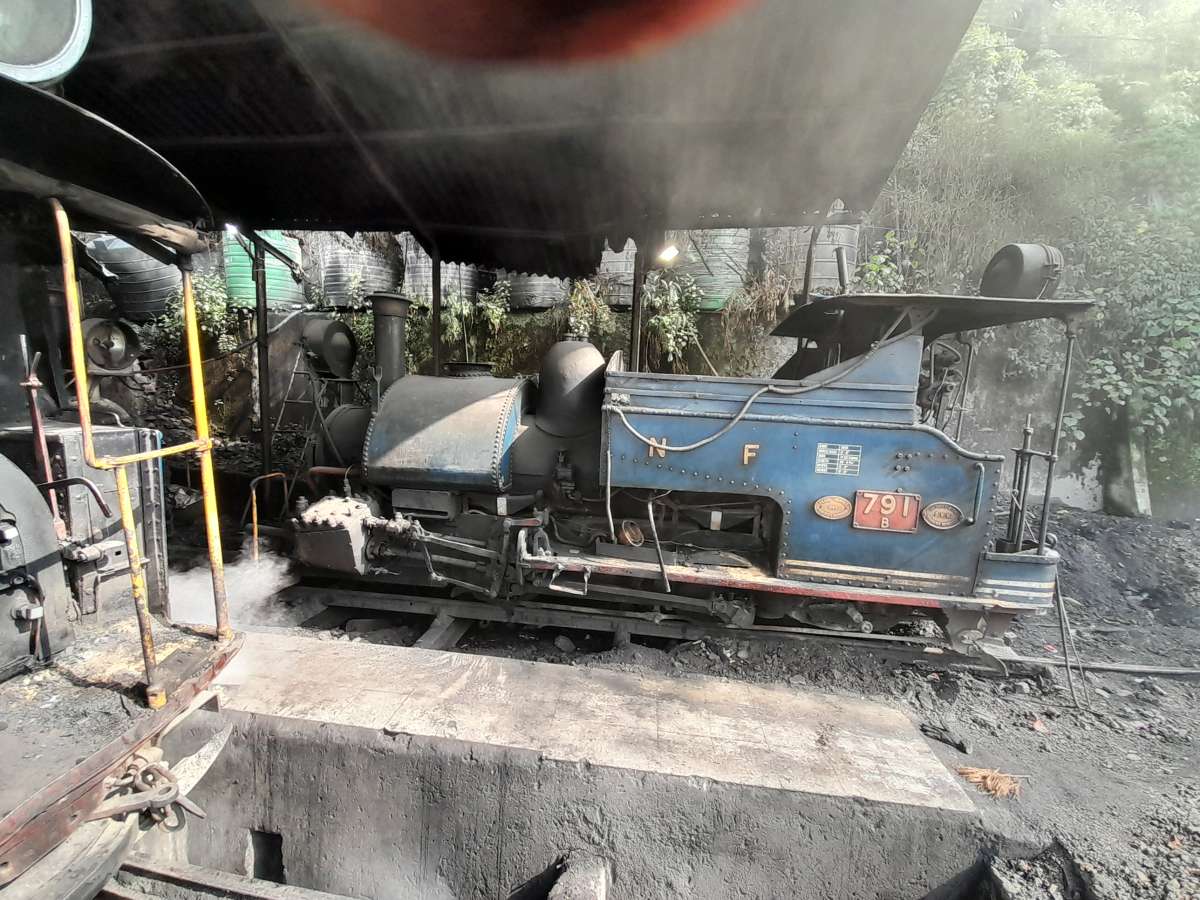
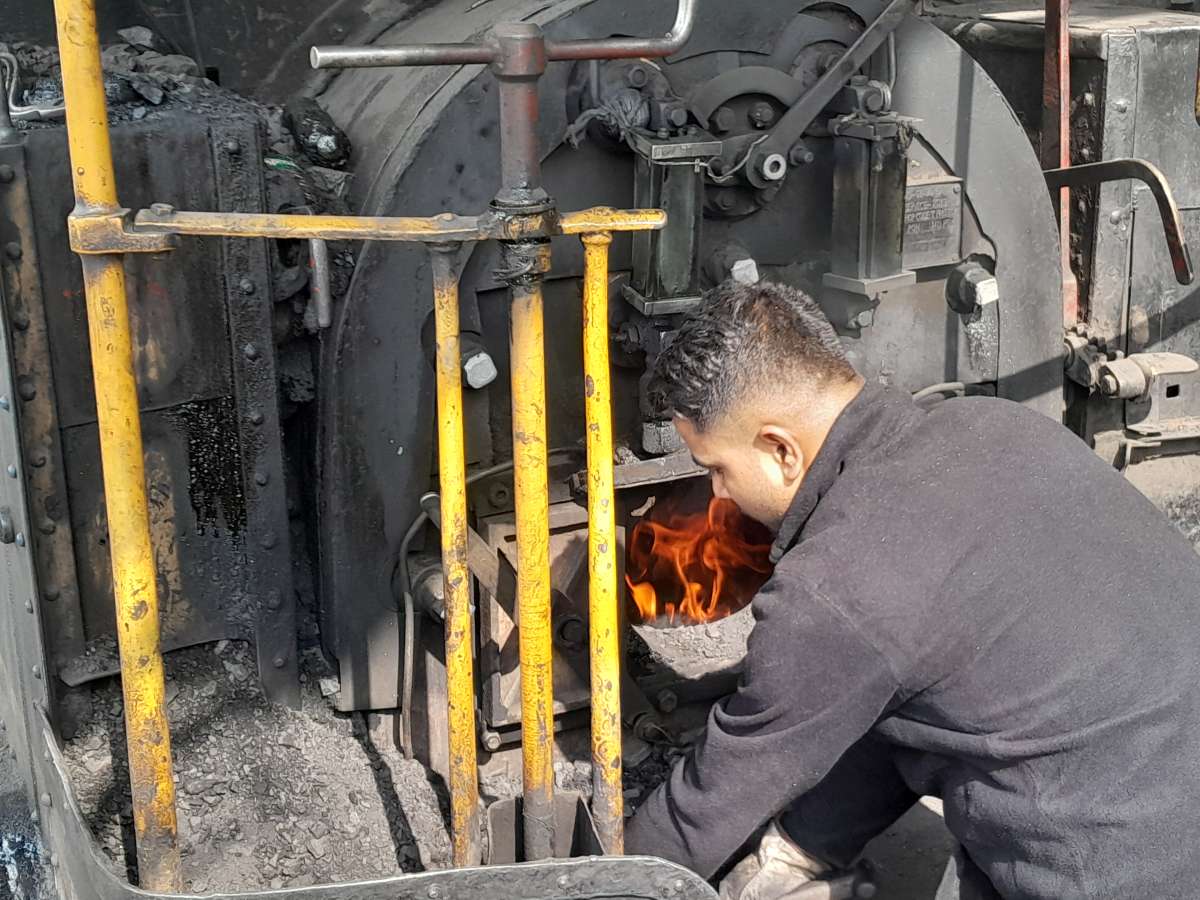
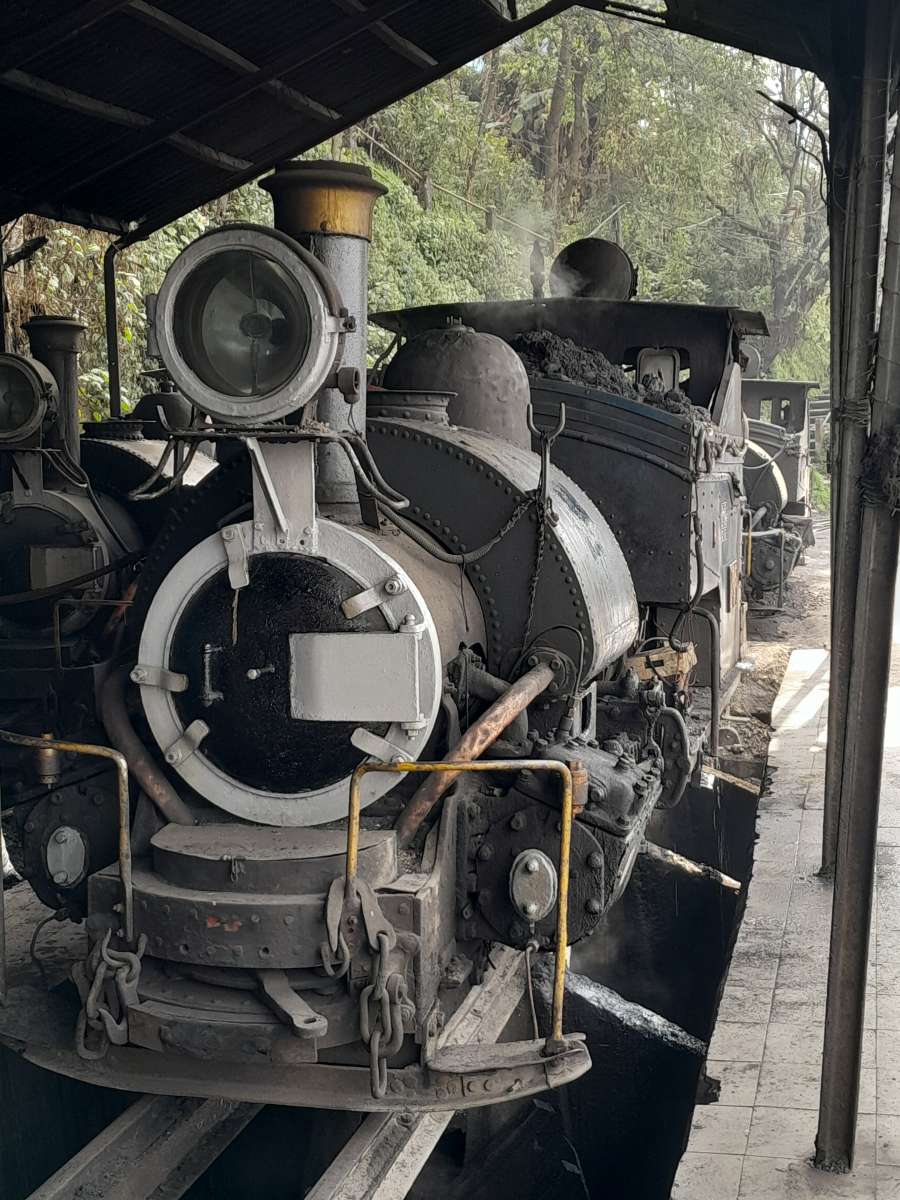





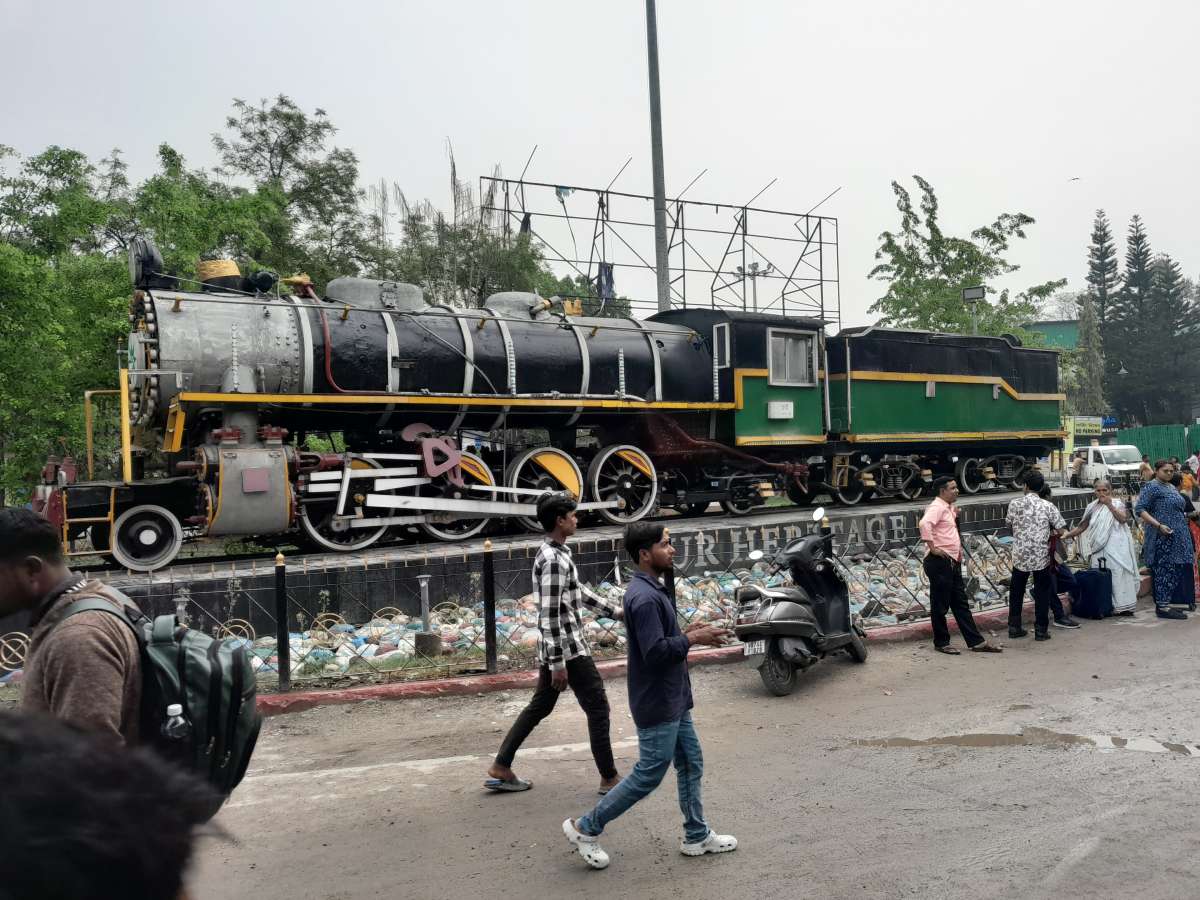
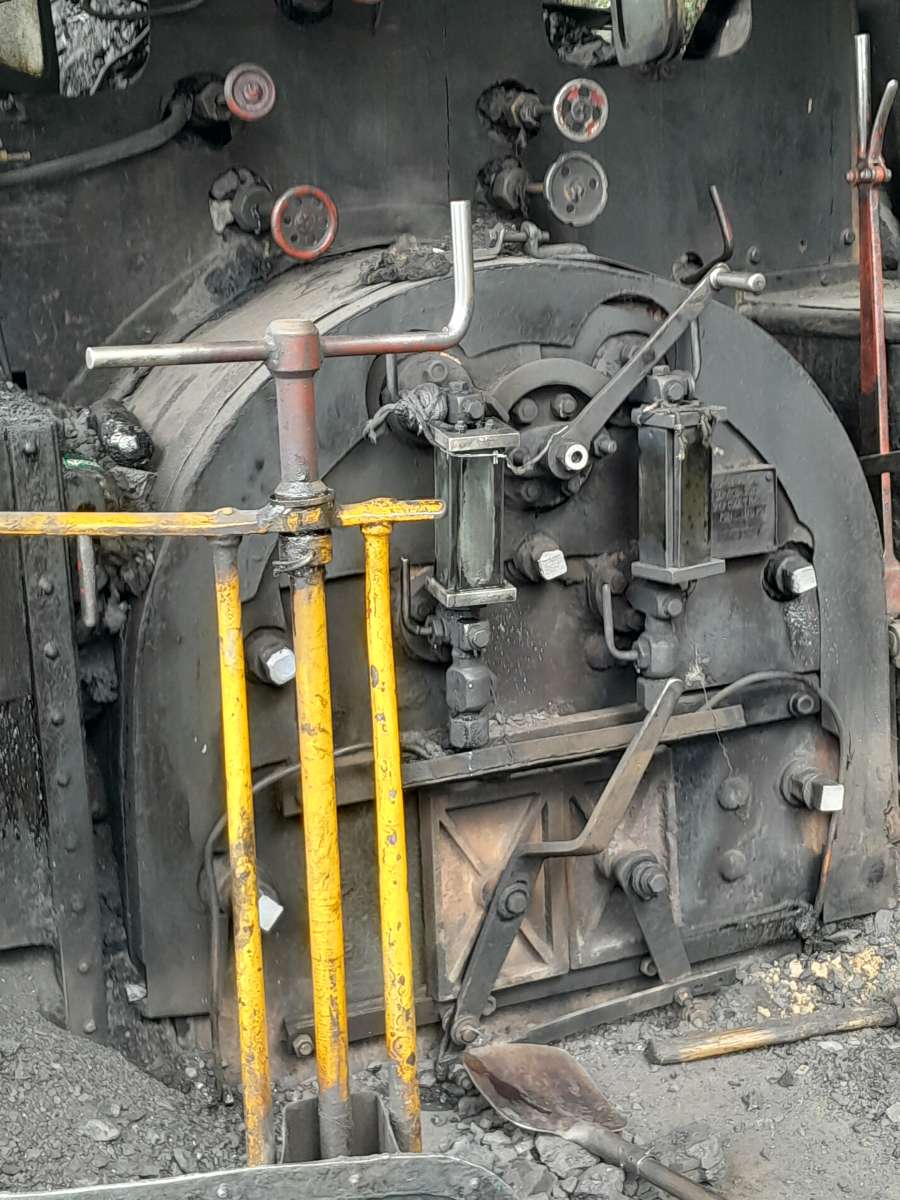
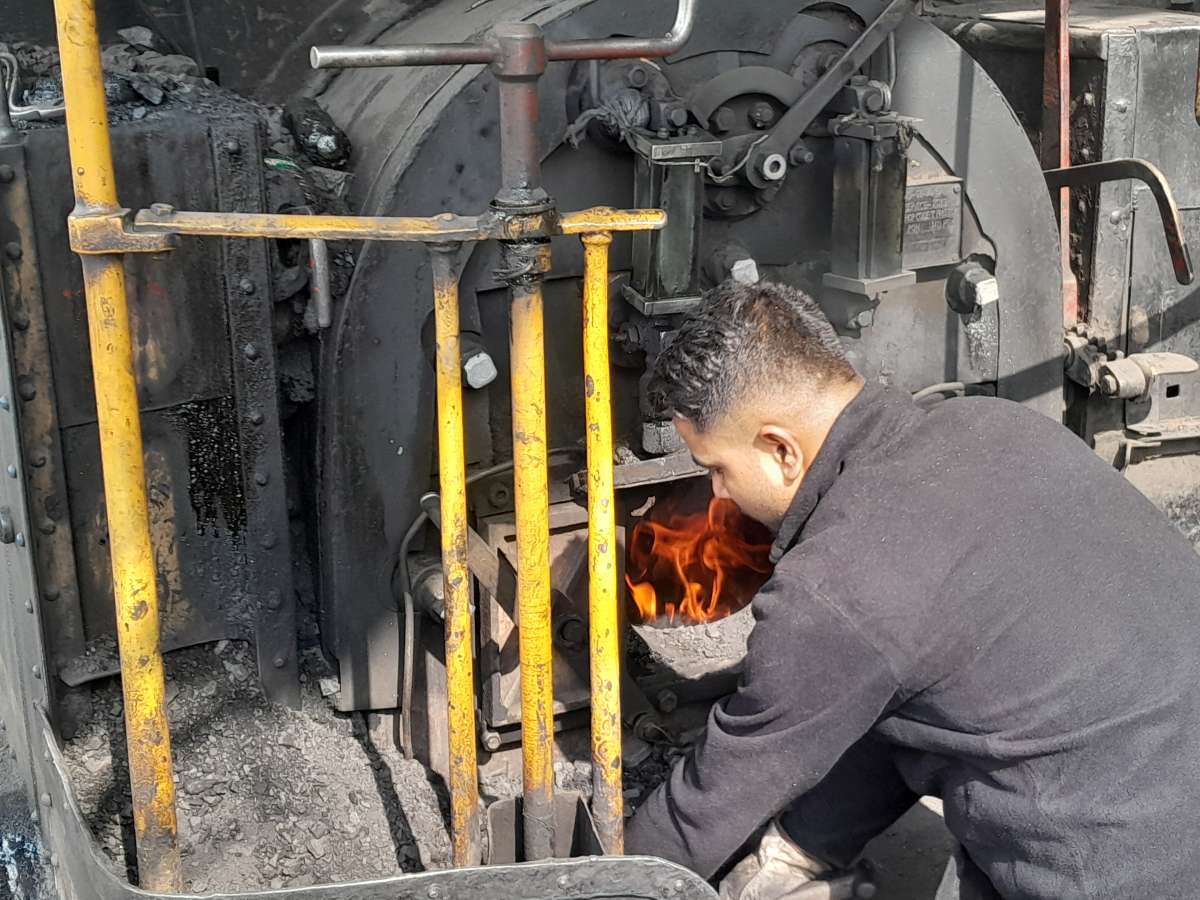
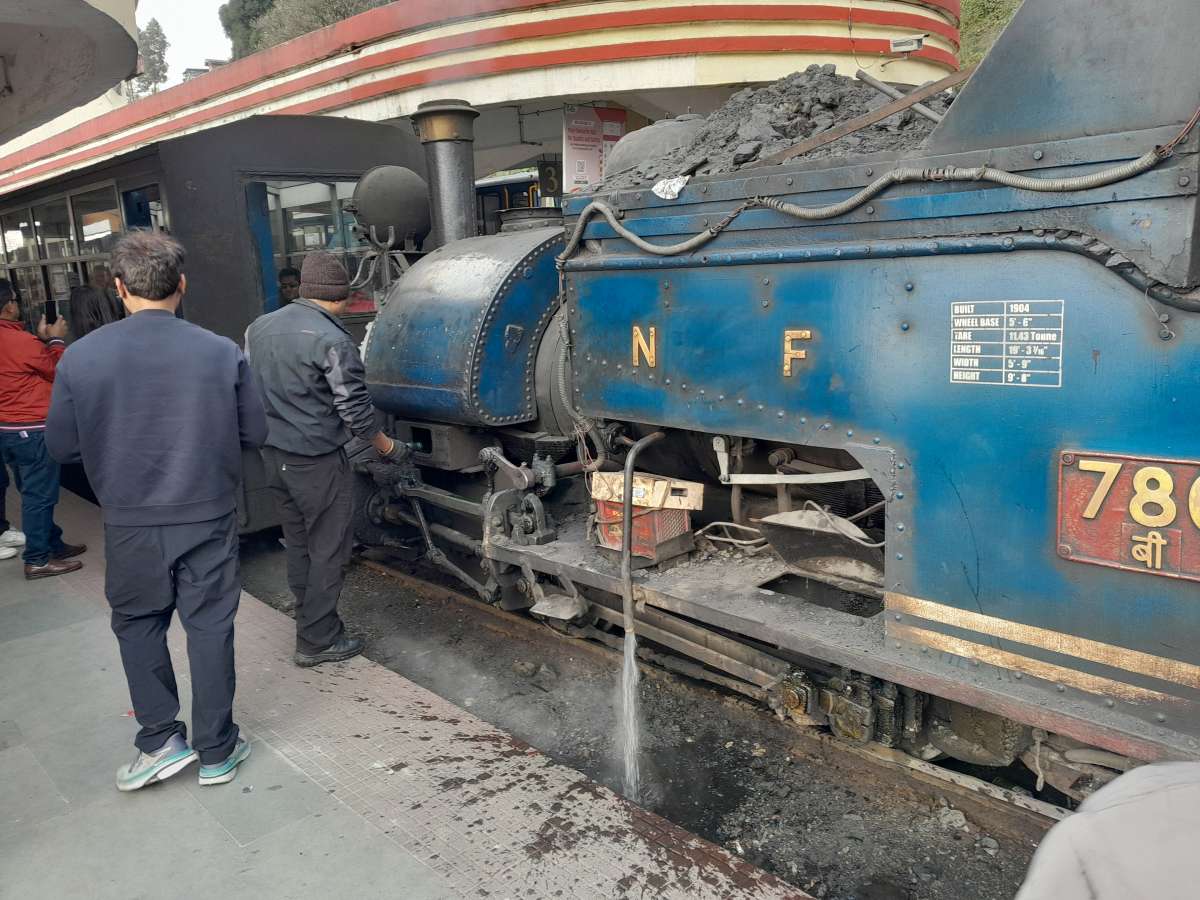

 Bazyle
 David Ambrose
 Nigel Graham 2
 old fool
 Brian Baker 2
 Harry Wilkes
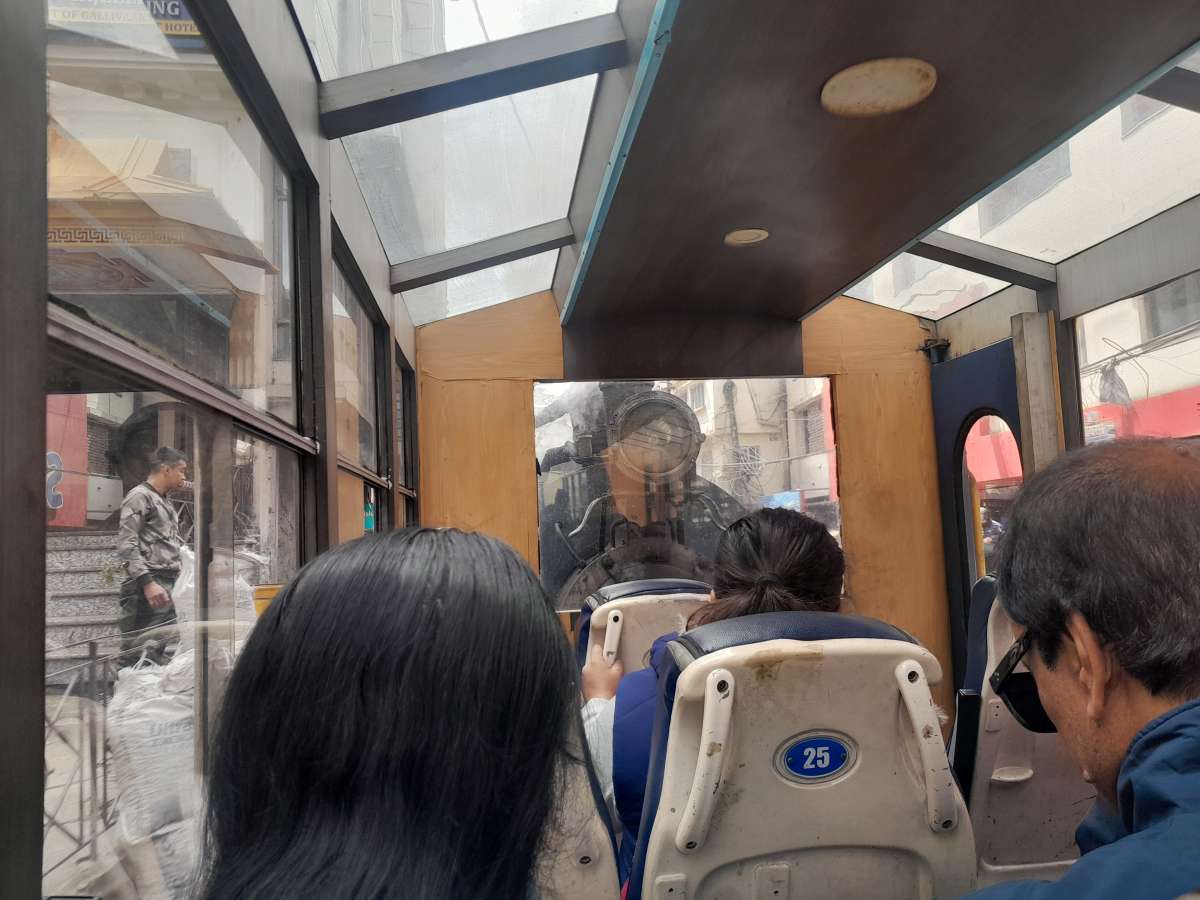


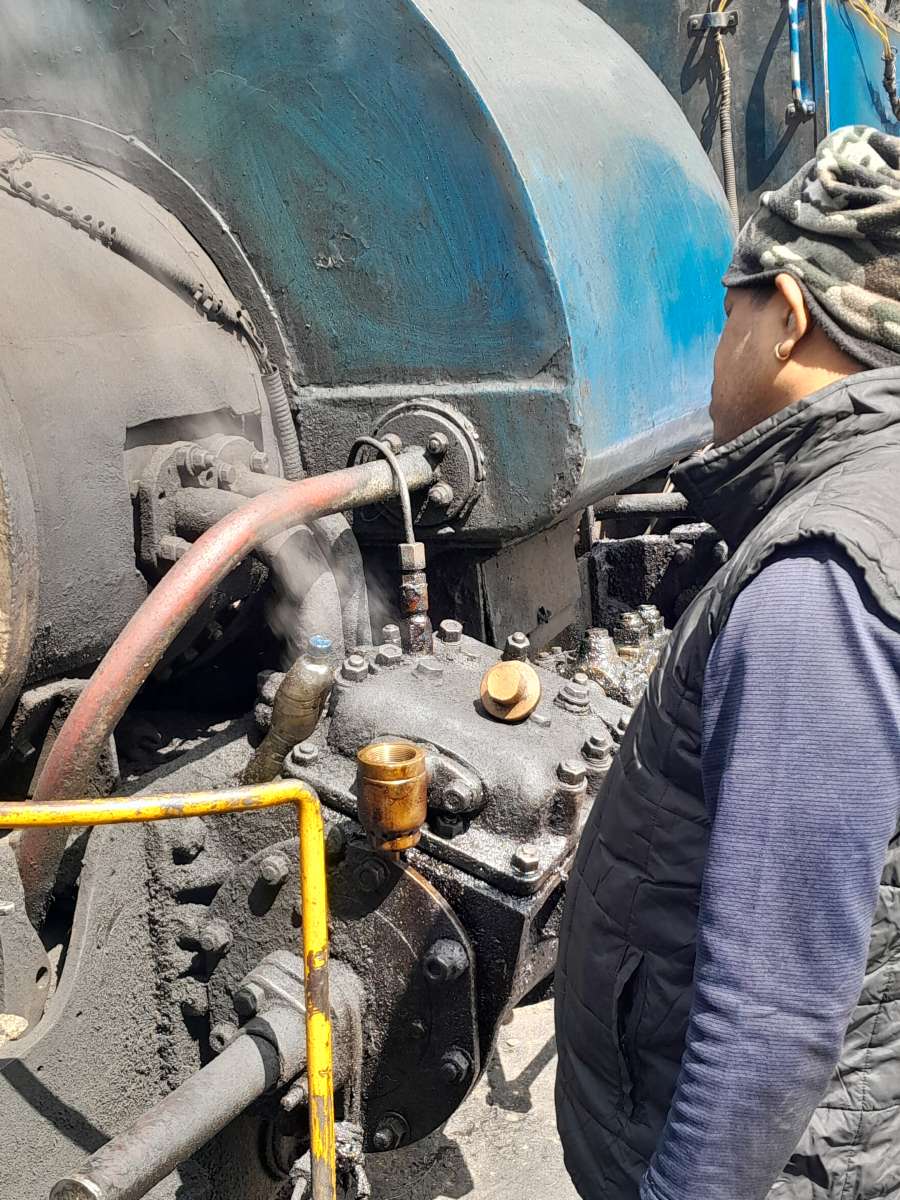



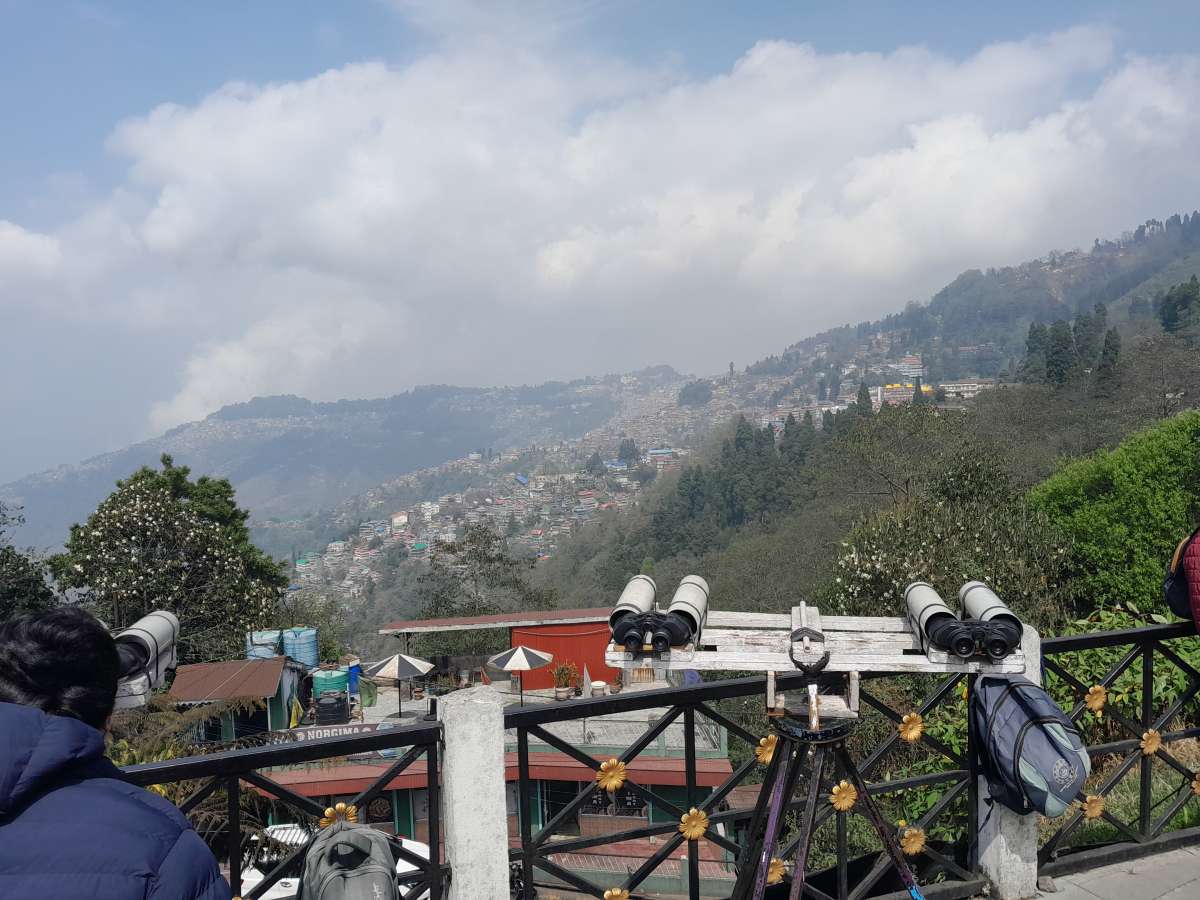

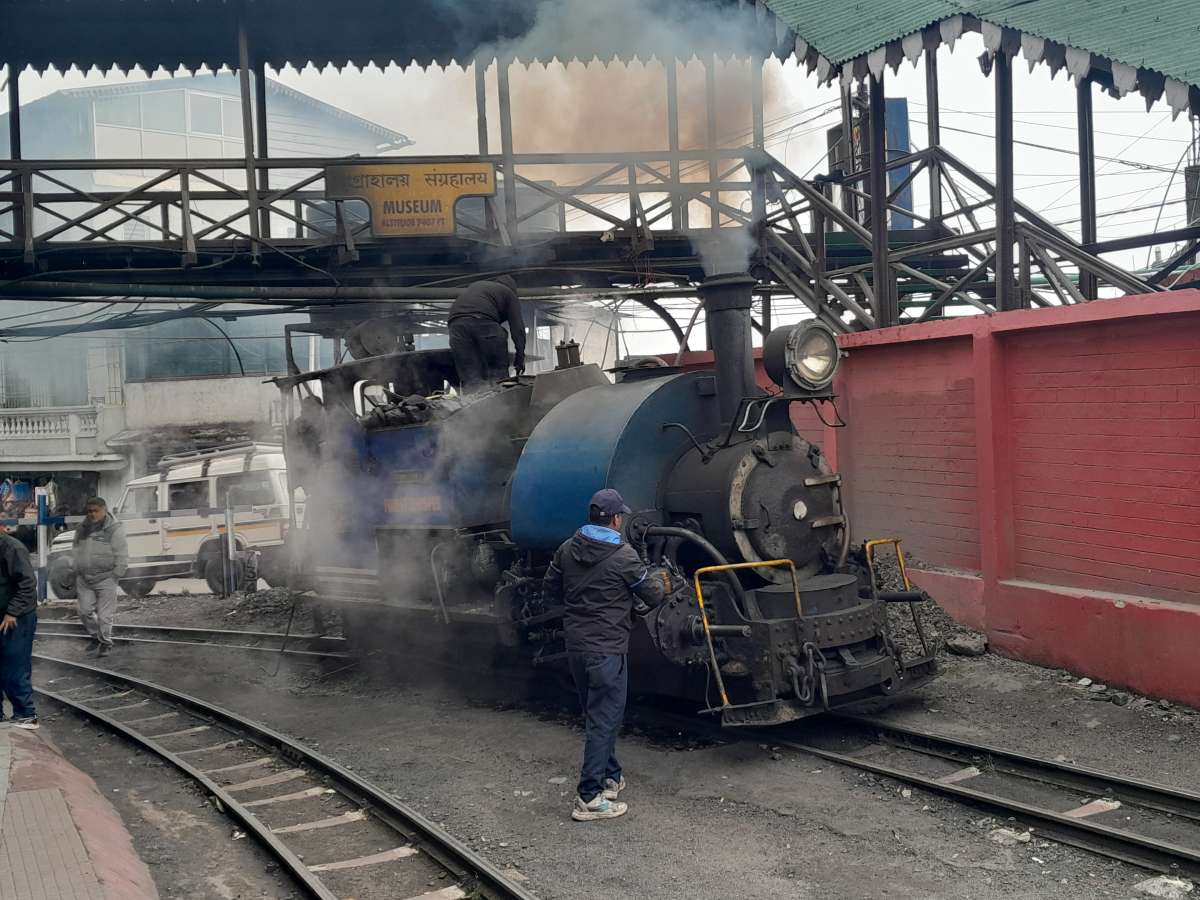
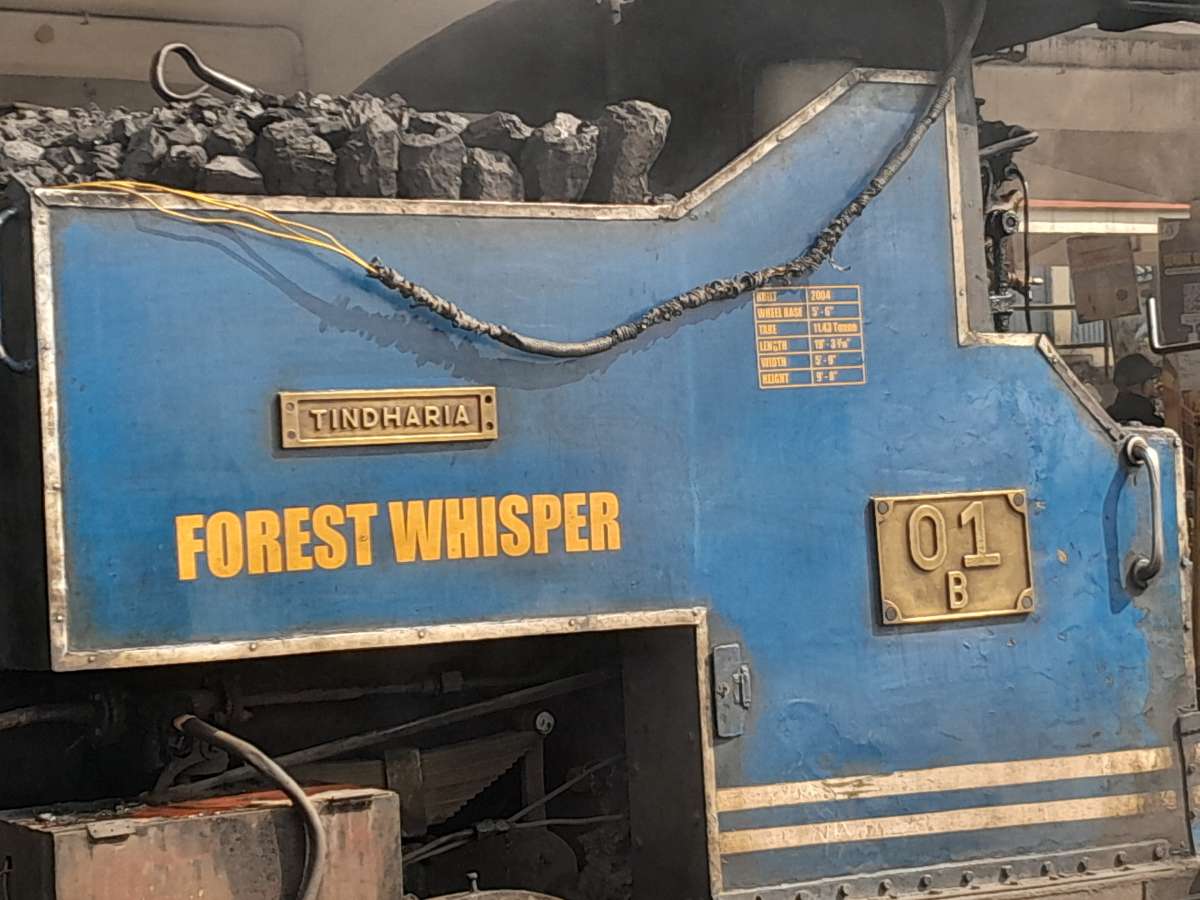
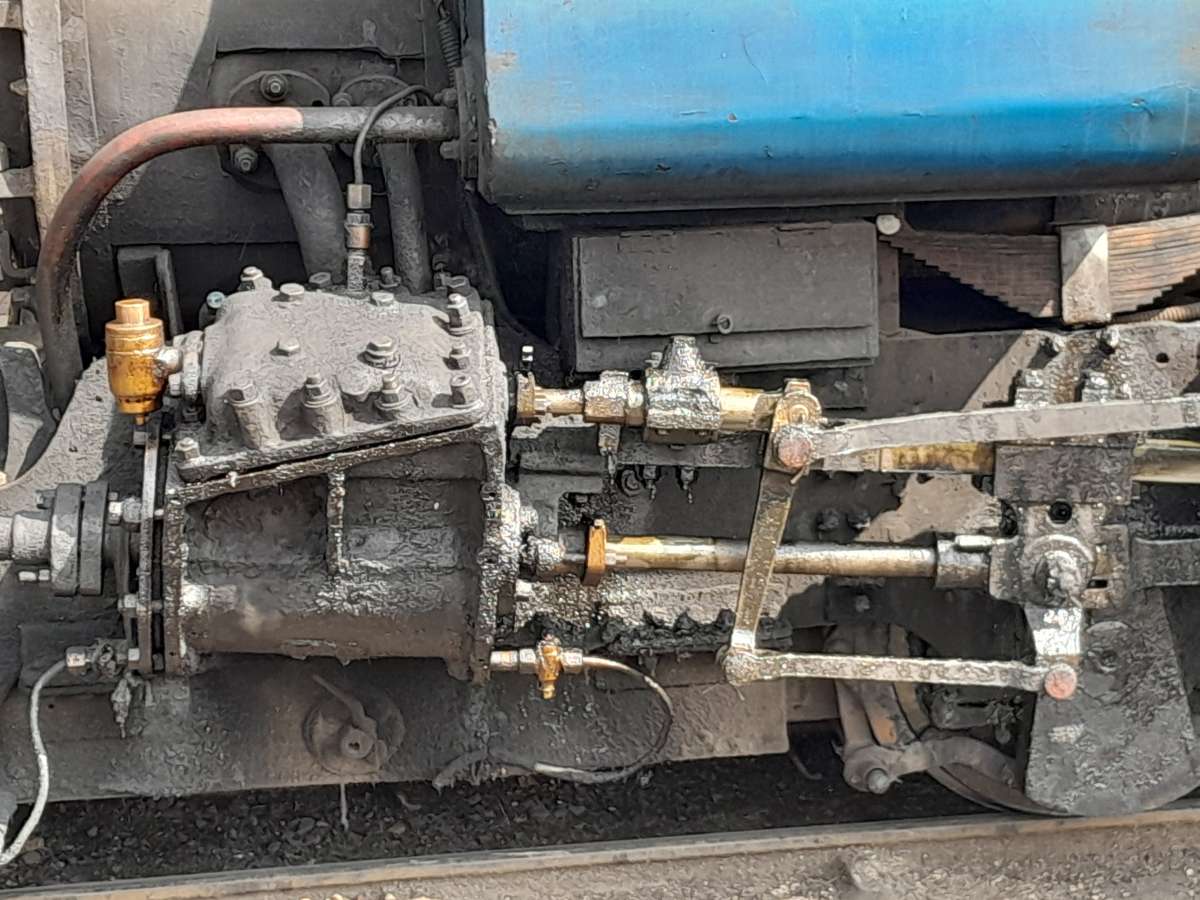
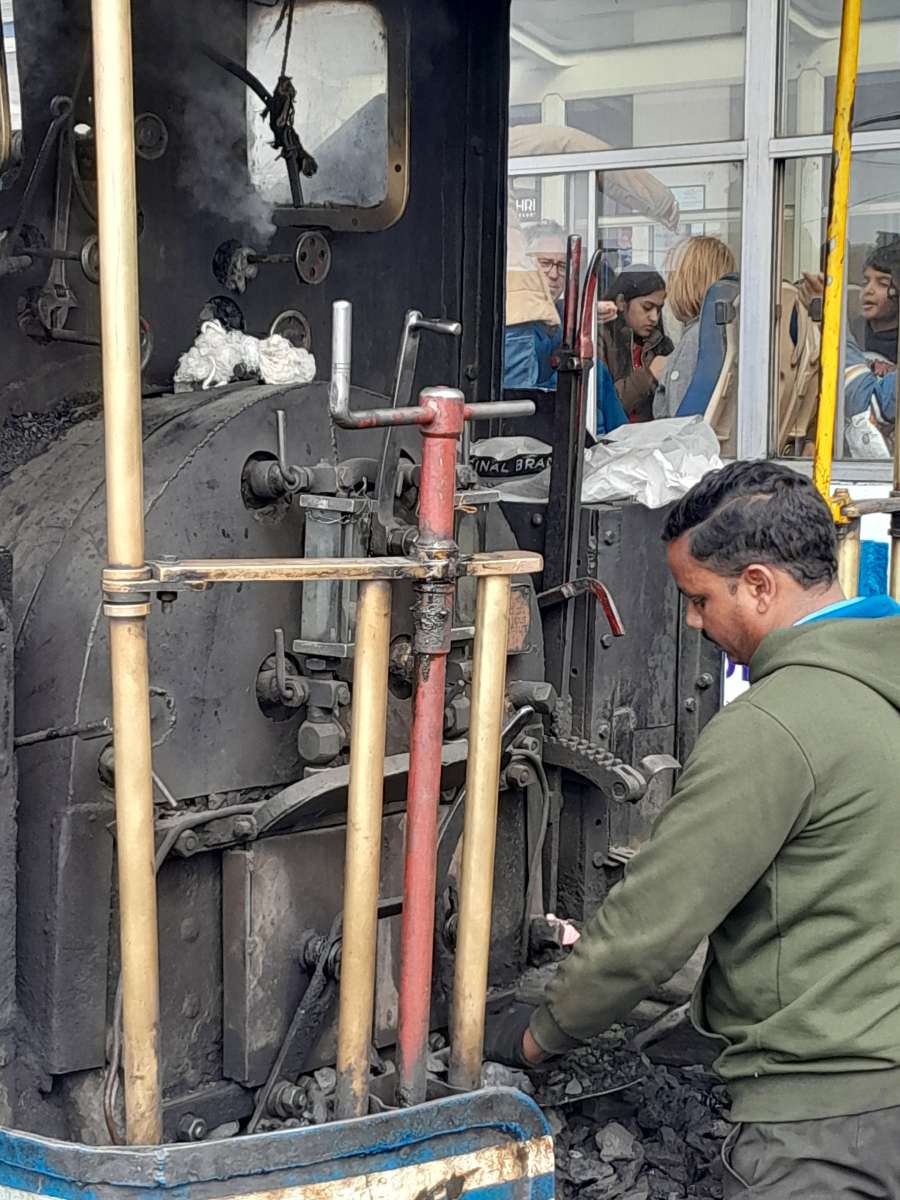


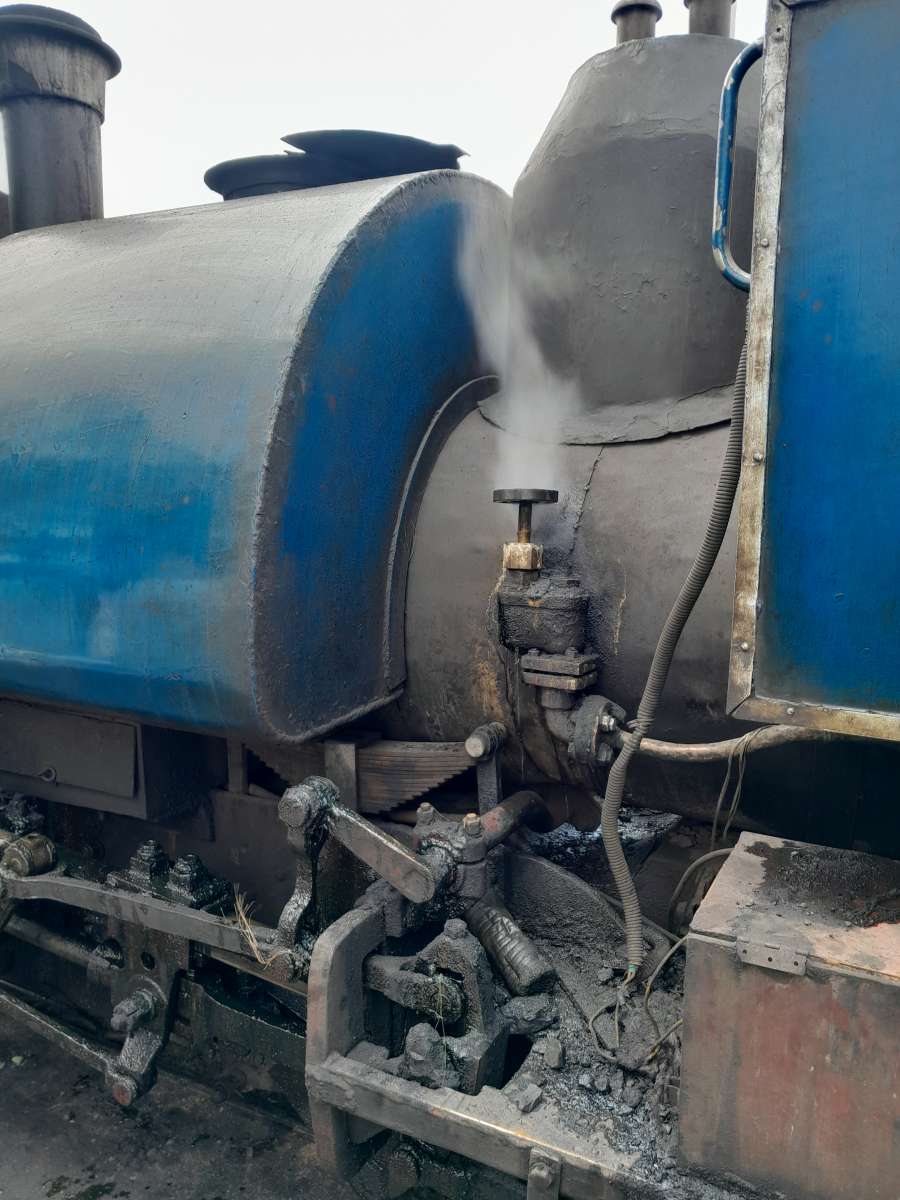


- Please log in to reply to this topic. Registering is free and easy using the links on the menu at the top of this page.
Latest Replies
-
- Topic
- Voices
- Last Post
-
-
Picomite Version 7 – better than Arduino?
Started by:
IanT
in: Electronics in the Workshop
- 1
-
4 October 2026 at 23:35
IanT
-
Warco WM180 Autofeed Speed
1
2
Started by:
James A
in: Workshop Tools and Tooling
- 13
-
4 October 2026 at 22:51
southernchap
-
Cross Drilling Jigs
Started by:
peak4
in: Workshop Tools and Tooling
- 8
-
4 October 2026 at 22:51
Nigel Graham 2
-
Interactive article on How Machines Learned Precision
Started by:
glinscott
in: Suggested Online Resources
- 6
-
4 October 2026 at 22:22
Nigel Graham 2
-
Portoss lathe – new to me.
Started by:
File Handle
in: Beginners questions
- 5
-
4 October 2026 at 22:04
Nigel Graham 2
-
Preview of whats coming in Freecad 26.3
Started by:
Russell Eberhardt
in: CAD – Technical drawing & design
- 4
-
4 October 2026 at 21:29
lee webster
-
Metric threads on a Myford super 7 with quick change gearbox?
Started by:
Keith Charters
in: Beginners questions
- 6
-
4 October 2026 at 16:14
howardb
-
Harrison L5 mk2 or not
Started by:
sean logie
in: Workshop Tools and Tooling
- 5
-
4 October 2026 at 15:59
sean logie
-
Canterbury lamb
Started by:
Michael Callaghan
in: General Questions
- 1
-
4 October 2026 at 11:33
Michael Callaghan
-
Drilling accurate depth holes
1
2
Started by:
Bob Sillitoe
in: Beginners questions
- 15
-
4 October 2026 at 09:47
Bo’sun
-
What Did You Do Today 2026
1
2
…
8
9
Started by:
JasonB
in: The Tea Room
- 51
-
3 October 2026 at 22:41
Nigel Graham 2
-
Hello Everyone (New Member Introduction)
Started by:
cedricvale
in: Introduce Yourself – New members start here!
- 4
-
3 October 2026 at 22:25
Nigel Graham 2
-
SOS! Rare 1950’s tapered brass ‘Bray 657A’ valve (or someone who could repair
1
2
Started by:
jamiej
in: General Questions
- 14
-
3 October 2026 at 22:21
duncan webster 1
-
Blank posts in forum
Started by:
Mark Rand
in: New Forum Software questions, comments and Test Threads
- 3
-
3 October 2026 at 21:50
vic newey
-
My week this week! My workshop videos
1
2
…
13
14
Started by:
Phil Whitley
in: The Tea Room
- 16
-
3 October 2026 at 19:53
Phil Whitley
-
FORNCETT STEAM MUSEUM 4th Oct 2026
Started by:
noel shelley
in: Exhibitions, Shows and Club Events
- 3
-
3 October 2026 at 19:33
Julie Ann
-
M-DRO MS 272 series
Started by:
renardiere7
in: Workshop Tools and Tooling
- 2
-
3 October 2026 at 19:09
renardiere7
-
The Latest INDEX to Model Engineer & Workshop (Also past issues of MEW)
1
2
3
Started by:
David Frith
in: Model Engineer & Workshop
- 7
-
3 October 2026 at 19:08
David Frith
-
Mechanics magazine 1942/43
Started by:
Michael Callaghan
in: General Questions
- 3
-
3 October 2026 at 16:18
Nicholas Farr
-
Boiler stays
Started by:
Michael Callaghan
in: Locomotives
- 7
-
3 October 2026 at 13:34
Michael Callaghan
-
Powerfeed problem
Started by:
larry phelan 1
in: Help and Assistance! (Offered or Wanted)
- 5
-
3 October 2026 at 13:08
Hollowpoint
-
A shout out and a big thank you to Taunton Model Engineers
Started by:
southernchap
in: The Tea Room
- 1
-
3 October 2026 at 12:26
southernchap
-
The Big St Albans Model Show
Started by:
Bazyle
in: Exhibitions, Shows and Club Events
- 3
-
3 October 2026 at 00:03
Bazyle
-
Printed circuit boards
Started by:
duncan webster 1
in: Electronics in the Workshop
- 7
-
2 October 2026 at 22:22
IanT
-
ER16 collet nut modification
Started by:
old mart
in: Workshop Tools and Tooling
- 5
-
2 October 2026 at 17:42
old mart
-
Picomite Version 7 – better than Arduino?
 IanT
IanT  James A
  southernchap
 peak4
peak4  Nigel Graham 2
 glinscott
  File Handle
  Russell Eberhardt
  lee webster
 Keith Charters
  howardb
 sean logie
  Michael Callaghan
  Bob Sillitoe
  Bo’sun
 JasonB
  cedricvale
  jamiej
  duncan webster 1
 Mark Rand
  vic newey
 Phil Whitley
  noel shelley
  Julie Ann
 renardiere7
  David Frith
  Nicholas Farr
 larry phelan 1
  Hollowpoint
 Bazyle
  old mart
 Latest Issue

Newsletter Sign-up
Latest Replies
- Picomite Version 7 – better than Arduino?
- Warco WM180 Autofeed Speed
- Cross Drilling Jigs
- Interactive article on How Machines Learned Precision
- Portoss lathe – new to me.
- Preview of whats coming in Freecad 26.3
- Metric threads on a Myford super 7 with quick change gearbox?
- Harrison L5 mk2 or not
- Canterbury lamb
- Drilling accurate depth holes

