

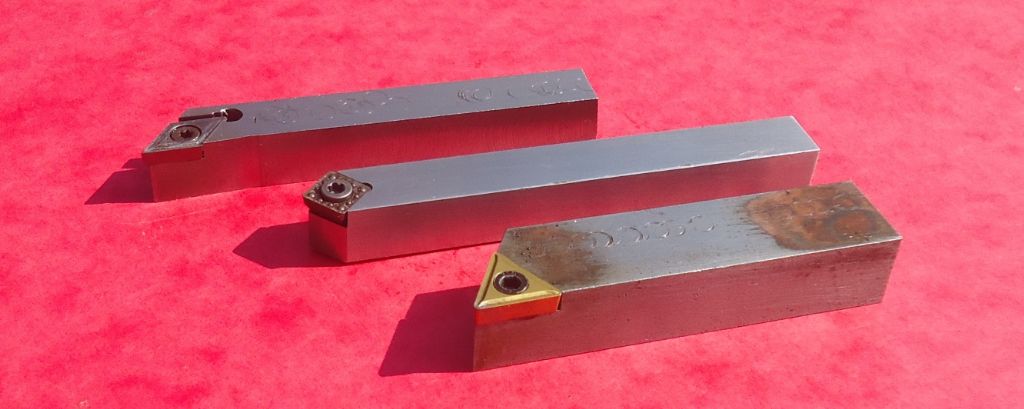
DIY indexable tooling
DIY indexable tooling
- This topic has 4 replies, 4 voices, and was last updated 22 April 2015 at 09:36 by
 Douglas Johnston.
 Douglas Johnston.
 Rik Shaw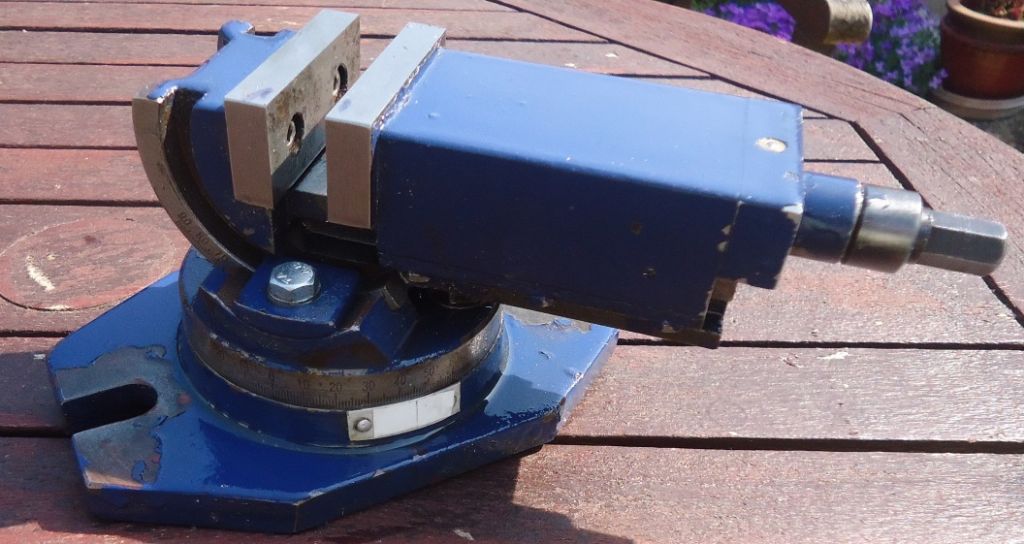
 John Stevenson 1
 Vic
Vic Douglas Johnston
- Please log in to reply to this topic. Registering is free and easy using the links on the menu at the top of this page.
Latest Replies
-
- Topic
- Voices
- Last Post
-
-
Wired doorbell to wireless
Started by:
Another JohnS
in: General Questions
- 7
-
28 September 2026 at 10:06
John Haine
-
Triangular Insert Tool
Started by:
James A
in: Workshop Tools and Tooling
- 5
-
28 September 2026 at 10:01
JasonB
-
finding involute gear cutter
Started by:
vic newey
in: Workshop Techniques
- 8
-
28 September 2026 at 09:58
John Haine
-
Reverting An ML7 To Change-Wheels: Any Thoughts??
Started by:
Nigel Graham 2
in: Manual machine tools
- 8
-
28 September 2026 at 09:56
JA
-
Sharing some grinding blades I’m currently using
Started by:
hclmetal2026
in: CNC machines, Home builds, Conversions, ELS, automation, software, etc tools
- 3
-
28 September 2026 at 09:48
hclmetal2026
-
The Big St Albans Model Show
Started by:
Bazyle
in: Exhibitions, Shows and Club Events
- 2
-
28 September 2026 at 09:38
paul1956
-
Taylor Hobson cutter grinder modificaton
1
2
Started by:
David George 1
in: Workshop Tools and Tooling
- 11
-
28 September 2026 at 09:07
David George 1
-
Octopus Heat Pump
1
2
3
4
Started by:
Michael Gilligan
in: The Tea Room
- 25
-
28 September 2026 at 08:37
Mark Rand
-
Railmotor regulator drawings
Started by:
duncan webster 1
in: Locomotives
- 2
-
27 September 2026 at 20:17
duncan webster 1
-
Model engineering’s (live steam) big five
Started by:
Luker
in: Locomotives
- 7
-
27 September 2026 at 19:26
JasonB
-
Boring Bars
Started by:
Andy Brocklehurst
in: General Questions
- 3
-
27 September 2026 at 19:00
Andy Brocklehurst
-
Model Engine Maker
Started by:
Colin Heseltine
in: The Tea Room
- 4
-
27 September 2026 at 18:58
JA
-
Warco VMC start capacitor
Started by:
Durhambuilder
in: Electronics in the Workshop
- 4
-
27 September 2026 at 18:38
Durhambuilder
-
New to castings
Started by:
BOB BLACKSHAW 1
in: Workshop Techniques
- 5
-
27 September 2026 at 13:28
BOB BLACKSHAW 1
-
Archive
Started by:
gregmallitt
in: Introduce Yourself – New members start here!
- 3
-
27 September 2026 at 09:40
Zan
-
Gears
Started by:
Franco Convertini
in: General Questions
- 6
-
27 September 2026 at 06:56
JasonB
-
C/H pipe clamp query
Started by:
Mike Hurley
in: The Tea Room
- 12
-
26 September 2026 at 22:11
Nicholas Farr
-
Warco WM180 4 way tool post
Started by:
Andy Brocklehurst
in: General Questions
- 9
-
26 September 2026 at 21:42
southernchap
-
Ideas needed for problem wth Tom Senior E type Mill
1
2
Started by:
Mike Crossfield
in: Manual machine tools
- 12
-
26 September 2026 at 18:03
old mart
-
What to do about son’s inheritance.
Started by:
Terry Nicholas
in: General Questions
- 1
-
26 September 2026 at 15:20
Terry Nicholas
-
Worm gear
Started by:
Franco Convertini
in: General Questions
- 11
-
26 September 2026 at 14:32
ega
-
My week this week! My workshop videos
1
2
…
13
14
Started by:
Phil Whitley
in: The Tea Room
- 16
-
26 September 2026 at 14:25
Phil Whitley
-
What Did You Do Today 2026
1
2
…
7
8
Started by:
JasonB
in: The Tea Room
- 48
-
26 September 2026 at 13:38
John Hinkley
-
Oh dear. What have I done: Wonky Super Major!
Started by:
Colin Thorburn
in: Manual machine tools
- 4
-
26 September 2026 at 10:39
John Hinkley
-
Rob Roy – Order of removal the boiler from the frames
Started by:
Greensands
in: Help and Assistance! (Offered or Wanted)
- 4
-
25 September 2026 at 18:17
duncan webster 1
-
Wired doorbell to wireless
 Another JohnS
  John Haine
 James A
  JasonB
 vic newey
  Nigel Graham 2
  JA
JA hclmetal2026
  Bazyle
  paul1956
 David George 1
  Michael Gilligan
  Mark Rand
 duncan webster 1
  Luker
Luker  Andy Brocklehurst
  Colin Heseltine
  Durhambuilder
  BOB BLACKSHAW 1
  gregmallitt
  Zan
Zan Franco Convertini
  Mike Hurley
  Nicholas Farr
 southernchap
 Mike Crossfield
  old mart
 Terry Nicholas
  ega
ega Phil Whitley
  John Hinkley
 Colin Thorburn
  Greensands
 Latest Issue
Newsletter Sign-up
Latest Replies
- Wired doorbell to wireless
- Triangular Insert Tool
- finding involute gear cutter
- Reverting An ML7 To Change-Wheels: Any Thoughts??
- Sharing some grinding blades I’m currently using
- The Big St Albans Model Show
- Taylor Hobson cutter grinder modificaton
- Octopus Heat Pump
- Railmotor regulator drawings
- Model engineering’s (live steam) big five

