Clarkson Horizontal – Redefined in Metric

Clarkson Horizontal – Redefined in Metric

Home Forums Stationary engines Clarkson Horizontal – Redefined in Metric

Viewing 22 posts - 1 through 22 (of 22 total)
  • Author
    Posts
  • #741344
    JasonB
    Moderator
      @jasonb

      EDIT 17-02-2026

      With the arrival of Issue 4774 I will bump this thread back to the top and start adding some additional photos that did not make it into the magazine article.

      While most of you seem to be entrenched in the tea room I’ve been out in the workshop.

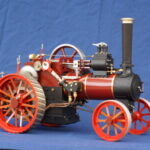
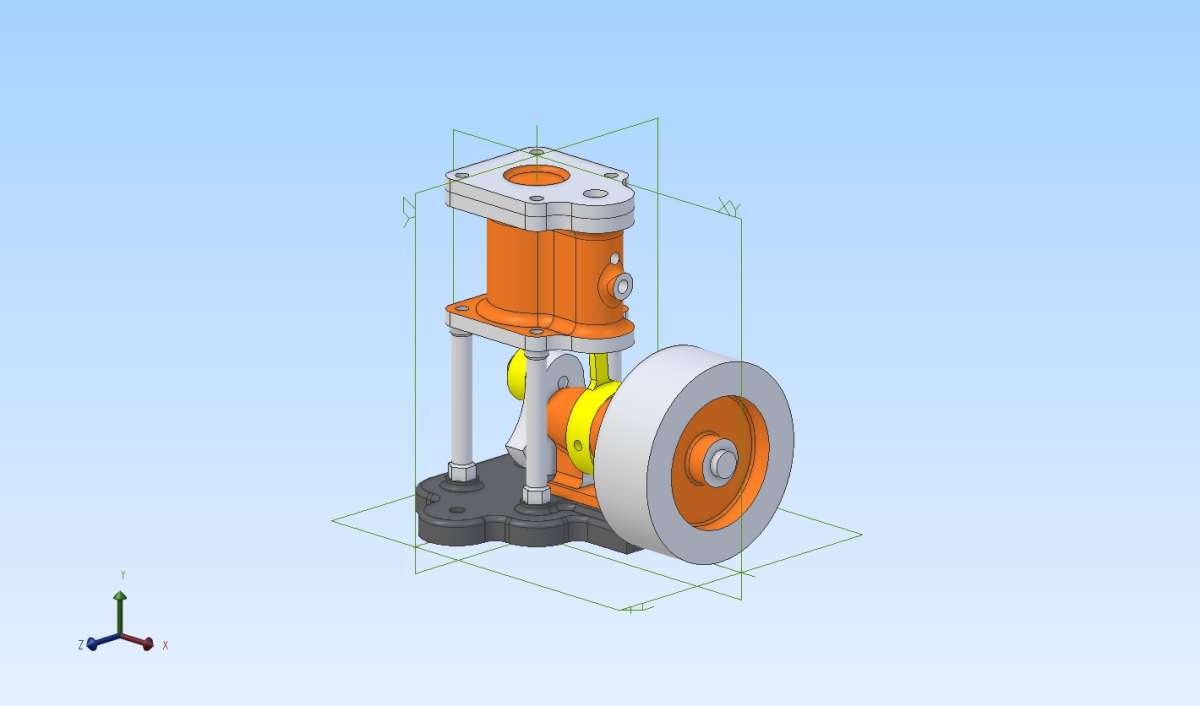
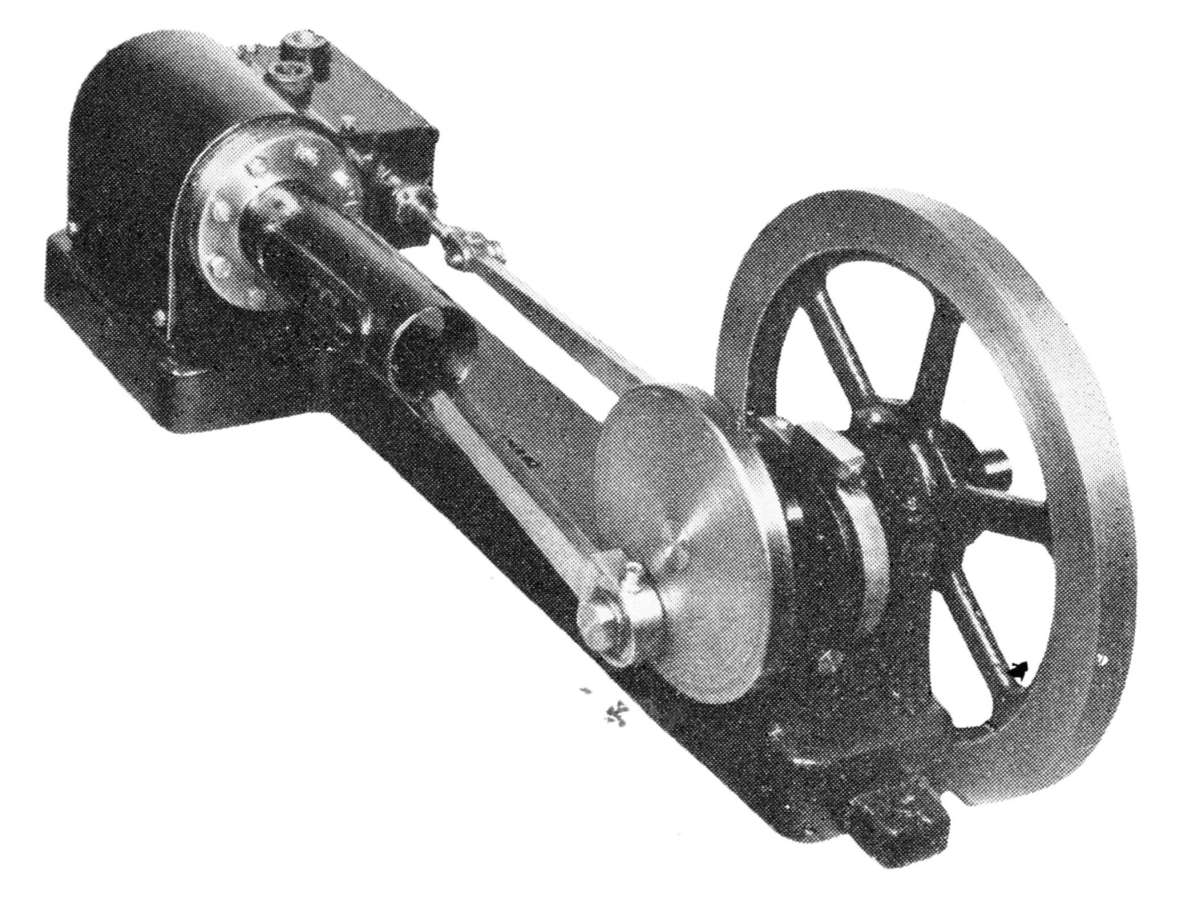
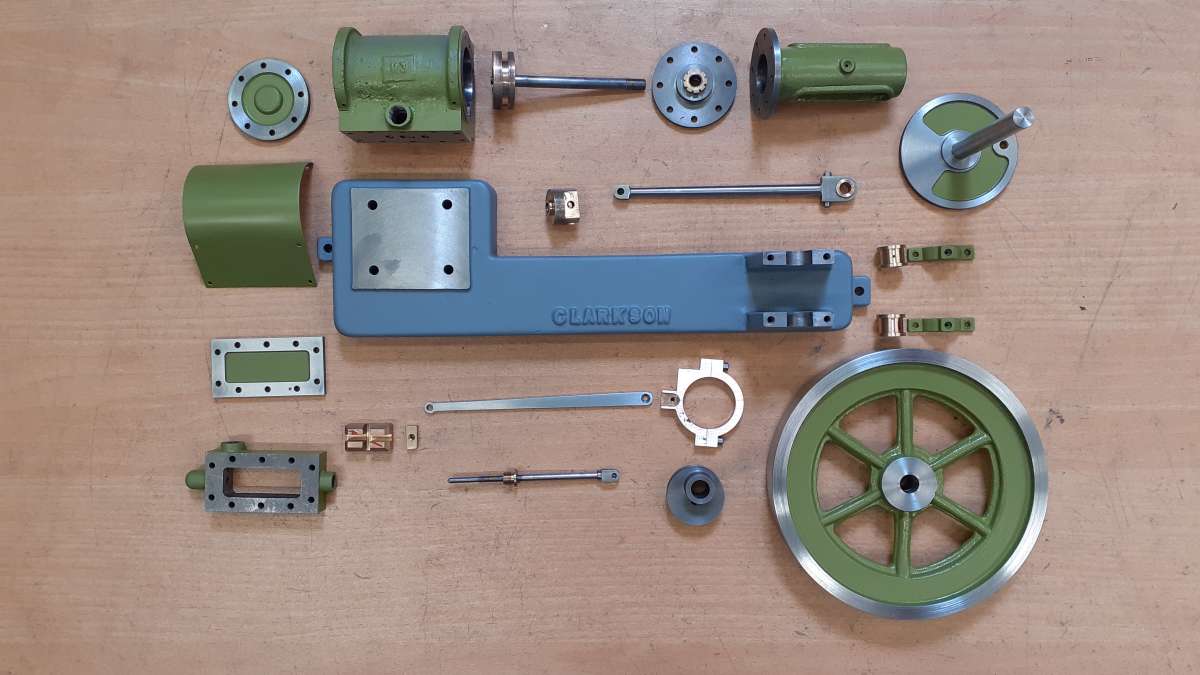
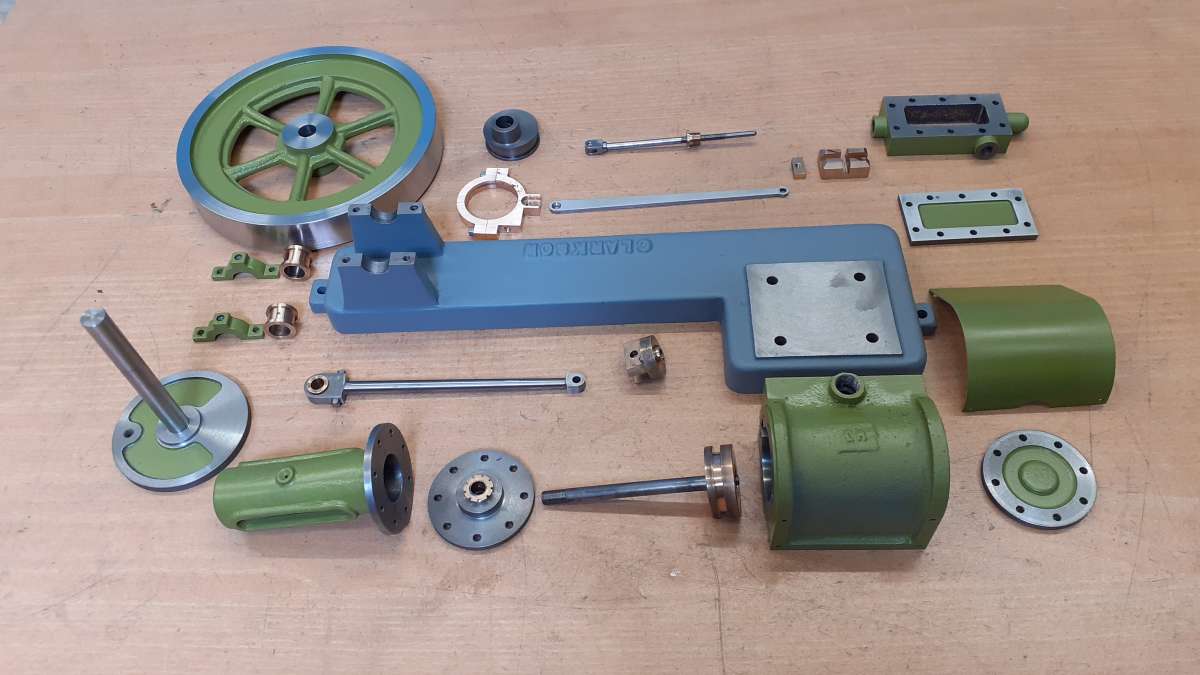
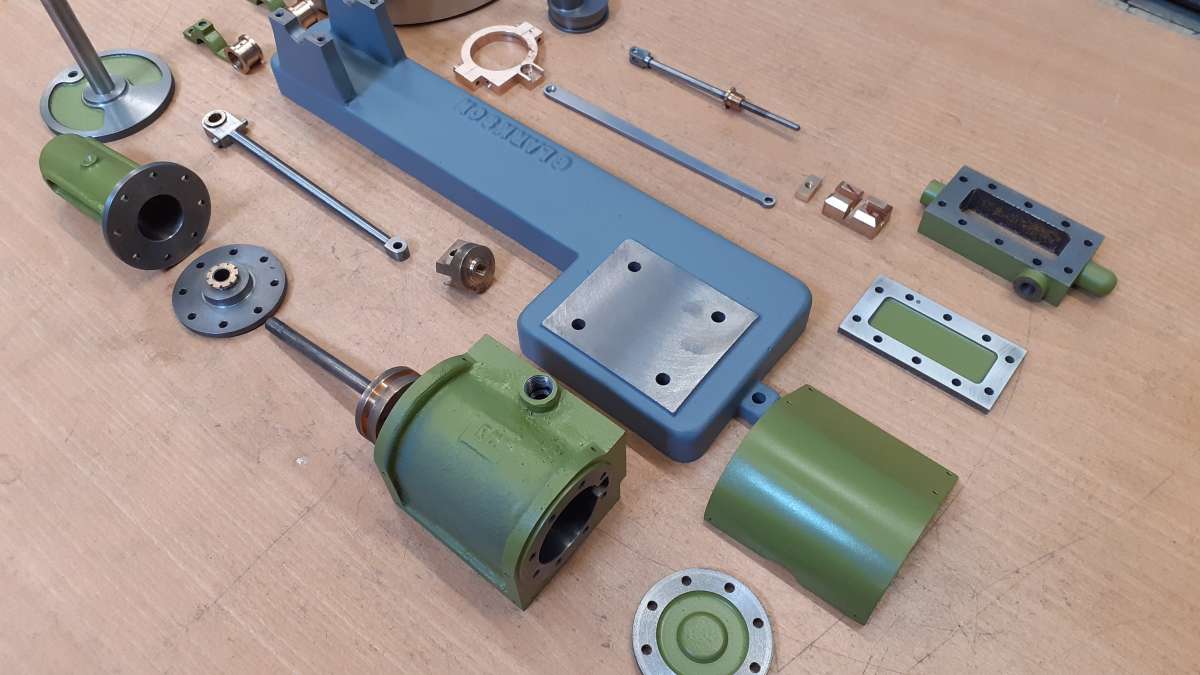
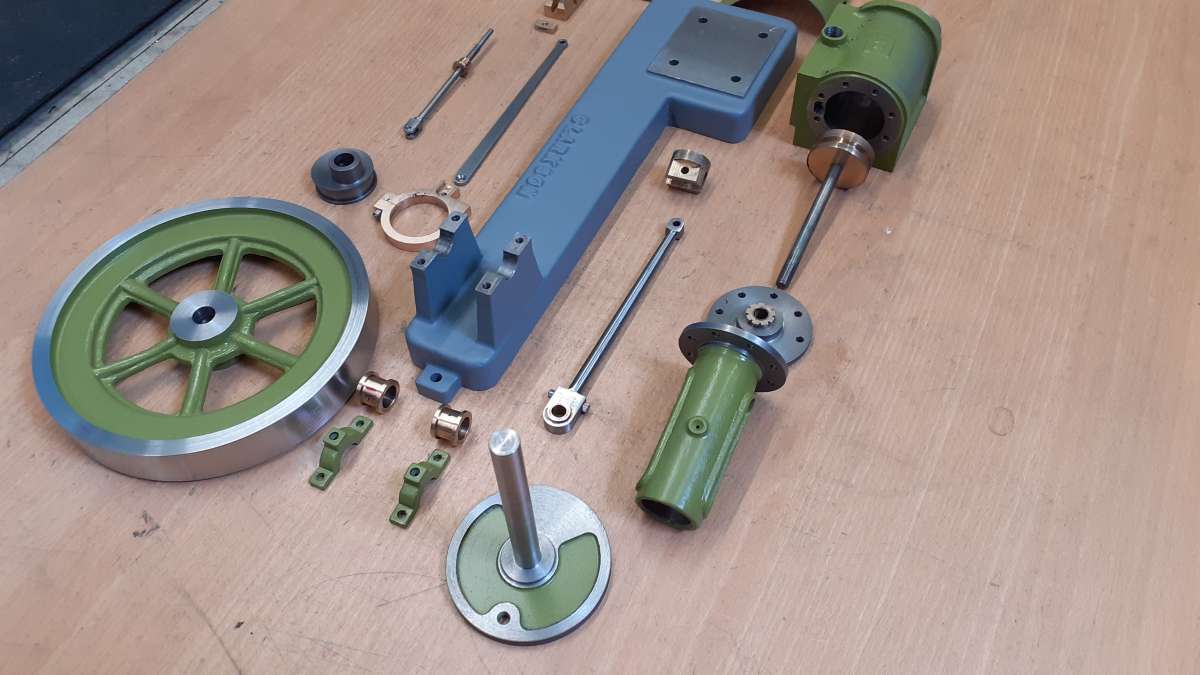
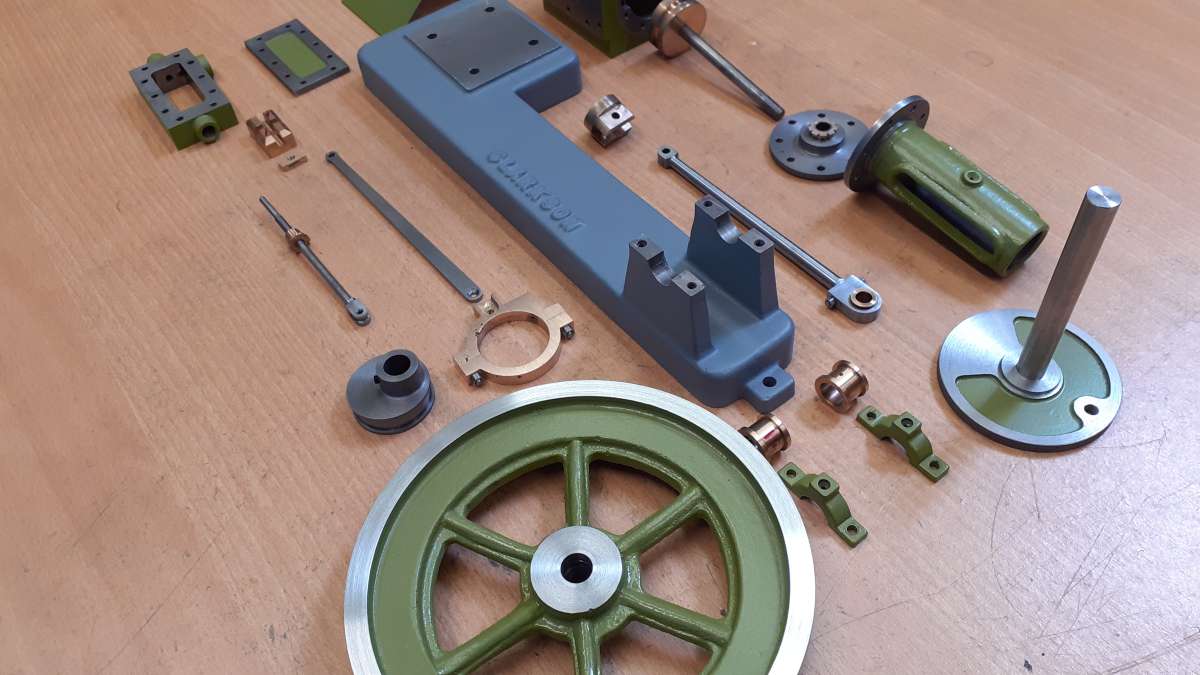
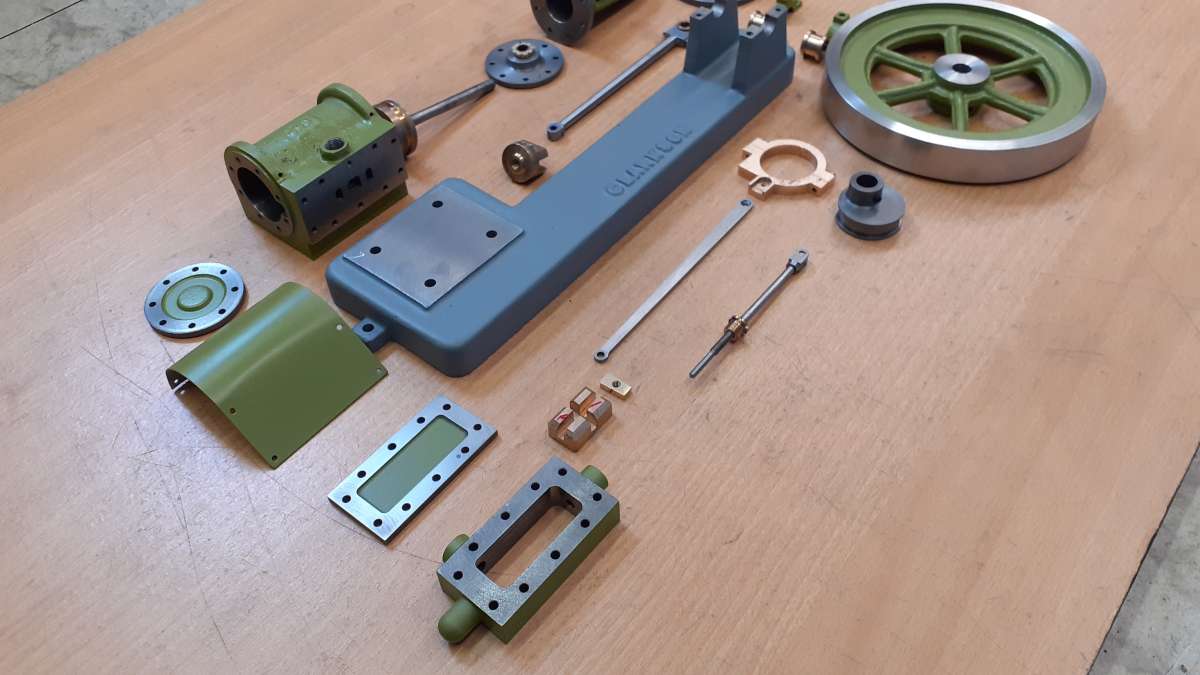
      Having felt for a long time that anyone looking for their first casting kit will get lead down the imperial route even though it may not be familiar to them I decided to redraw the Clarkson 1″ x 1.5″ Horizontal in metric and while I was about it sort out the few anomalies and missing details that the original drawings suffer from.

      An updated metric drawing set should soon be available from Blackgates, the castings are available now. It’s not a bad buy when compared to a similar size Stuart No 8 and the cost of materials and fixings is still not going to bring the cost up to that of the Stuart. Build should be in ME at some time in the hopefully not too distant future.

      #741383
      Hopper
      Participant
        @hopper

        Looks good and sounds even better. Should be popular among those with modern metric lathes and mills. And the younger set for whom imperial is a complete mystery.

        #741429
        Martin Johnson 1
        Participant
          @martinjohnson1

          “While most of you seem to be entrenched in the tea room I’ve been out in the workshop.”

          Biting, but too true.

          Martin


          #741436
          Bo’sun
          Participant
            @bosun58570

            While imperial on metric machines might not be the end of the world, it may possibly spawn a new saying.  “measure thrice, cut once”.  Not to mention, reading the drawing more than once.

            #741454
            JasonB
            Moderator
              @jasonb

              Thanks for the comments

              At least with the new drawings you should actually have dimensions to read as many times as you like rather than them being completely missing or simply not possible to achieve from the actual castings. But as my lathe is imperial and does not have a DRO I can confirm that the world is not going to end but I should inform you that it is not flat.

              I’m not quite sure yet whether Blackgates will supply both sets of drawings or give the buyer the choice of the old imperial or my new metric ones so those with old iron need not have to take their socks off.

              As Hopper says more of the hobby machines are coming with just a metric option and the same goes for tooling and equipment with metric being more readily available at reasonable prices.

              #752690
              JasonB
              Moderator
                @jasonb

                Just a quick update to say that Blackgates are now able to supply a set of my metric drawings which comprise 14 A4 sheets, one GA one with 3D views, and the remaining 12 of the individual parts. Just mention you want the metric ones when ordering a set of castings.

                I’m also half way through writing up the build which will go into ME Mag and I will also give Blackgates permission to include that with any future kits sold.

                In time I will also do a set of drawings for the vertical as I now have a set of castings for that, not sure when as another little Clarkson has caught my eye and is now nearer the top of the list.

                CL Ass

                #838058
                JasonB
                Moderator
                  @jasonb

                  Additional photos to go with part 1 of the article in issue 4774

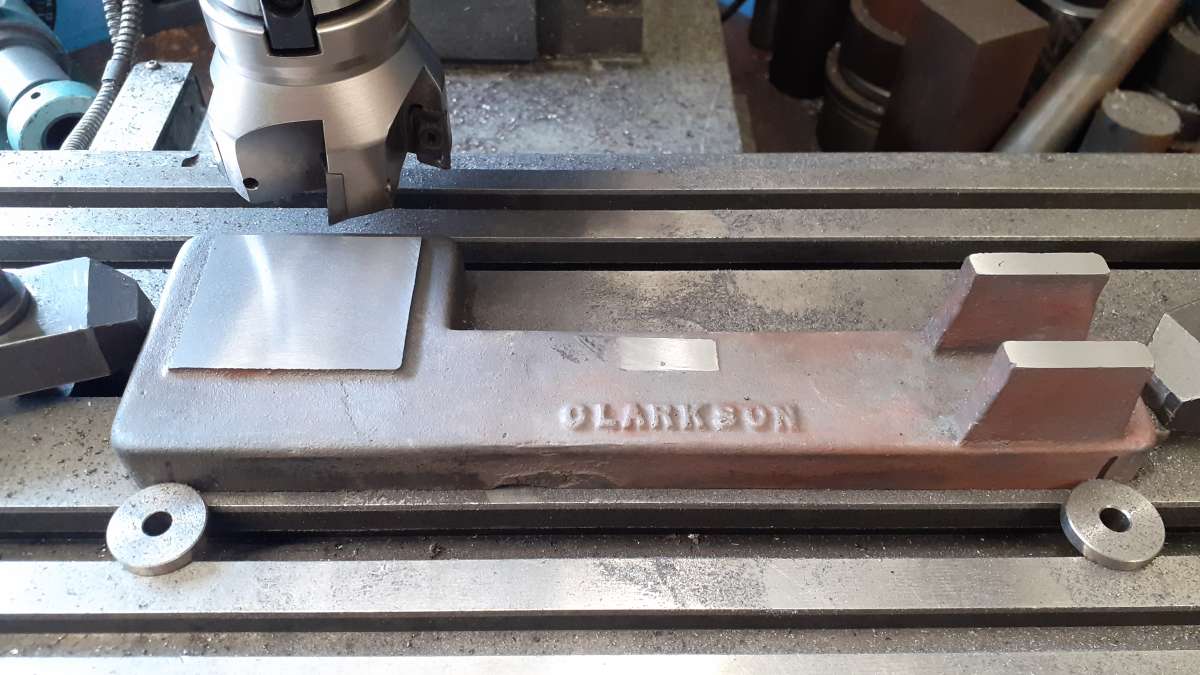
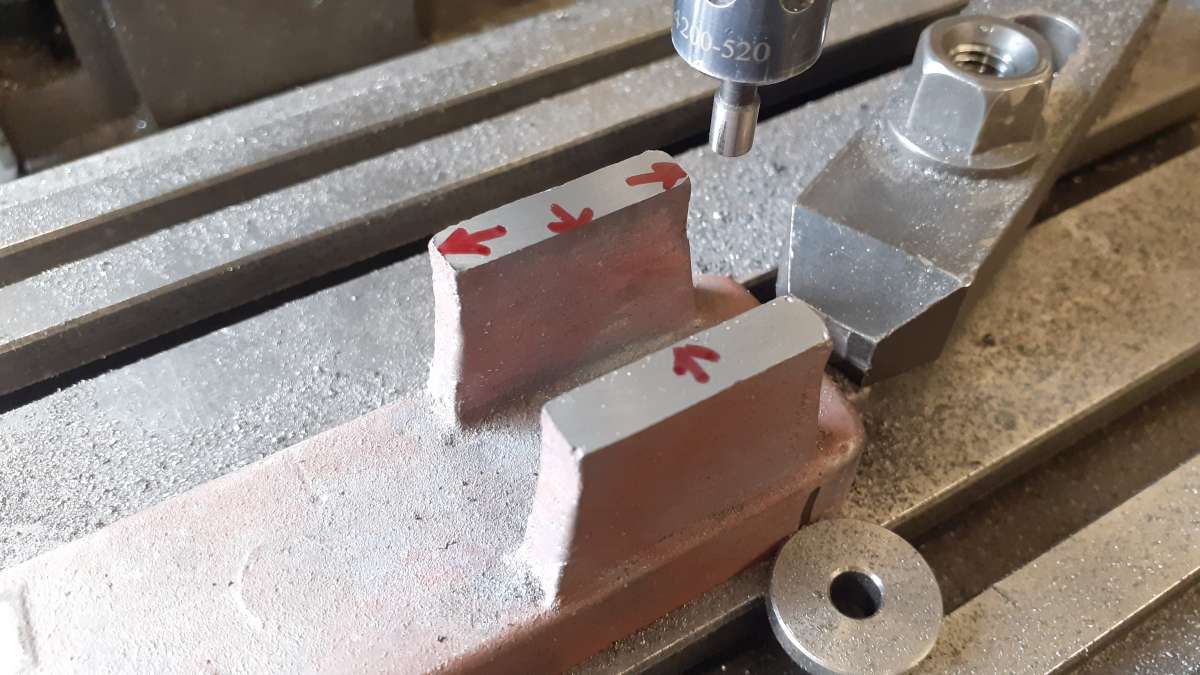
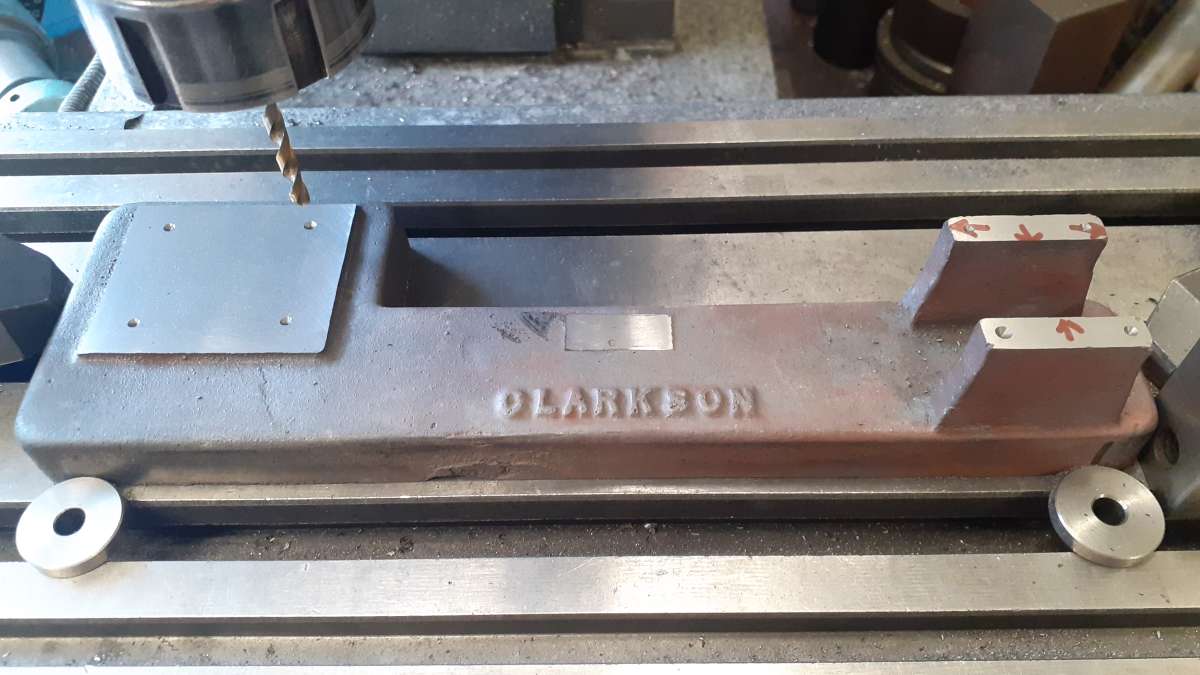
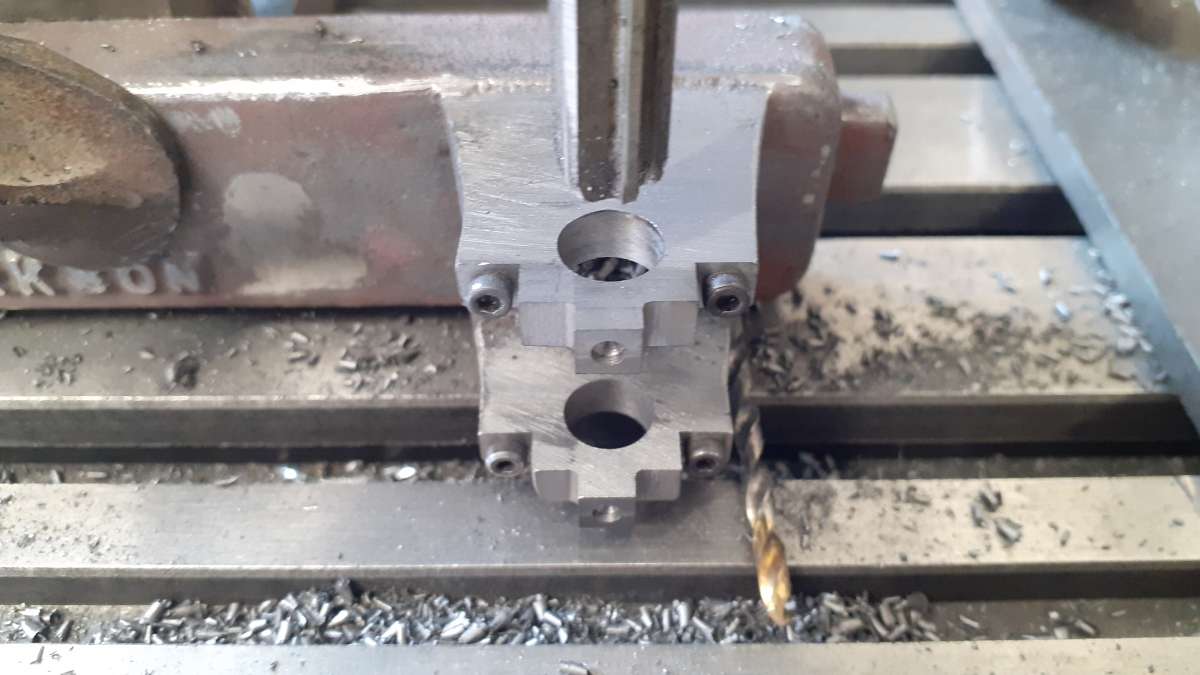
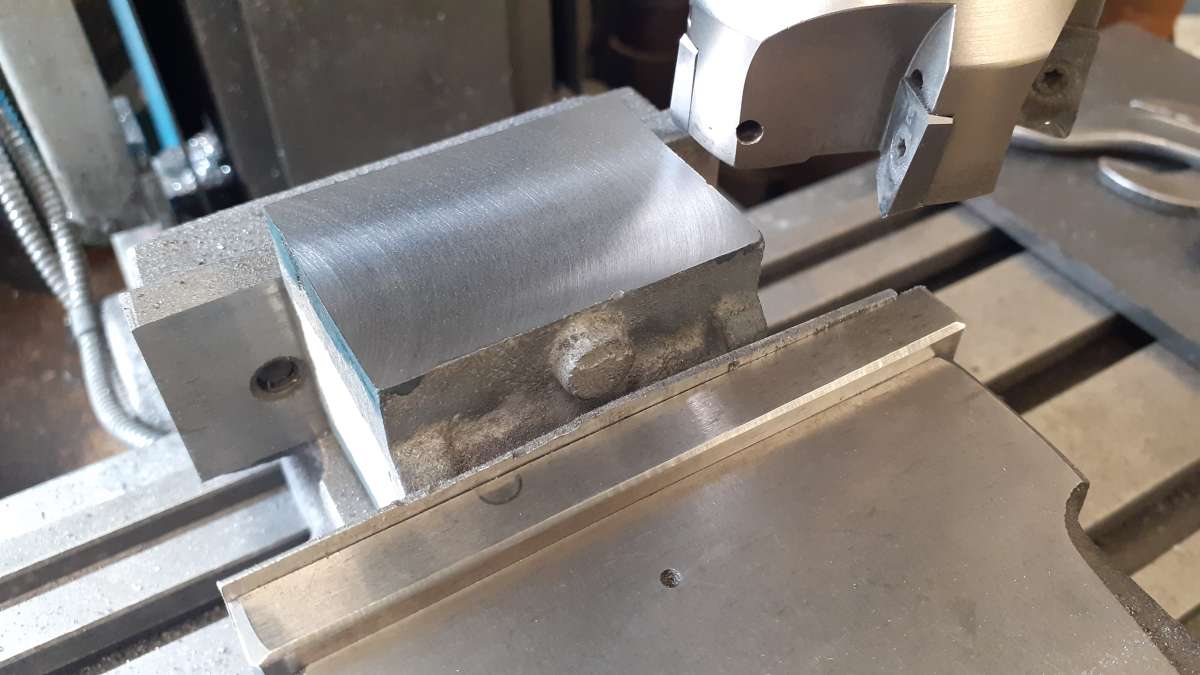
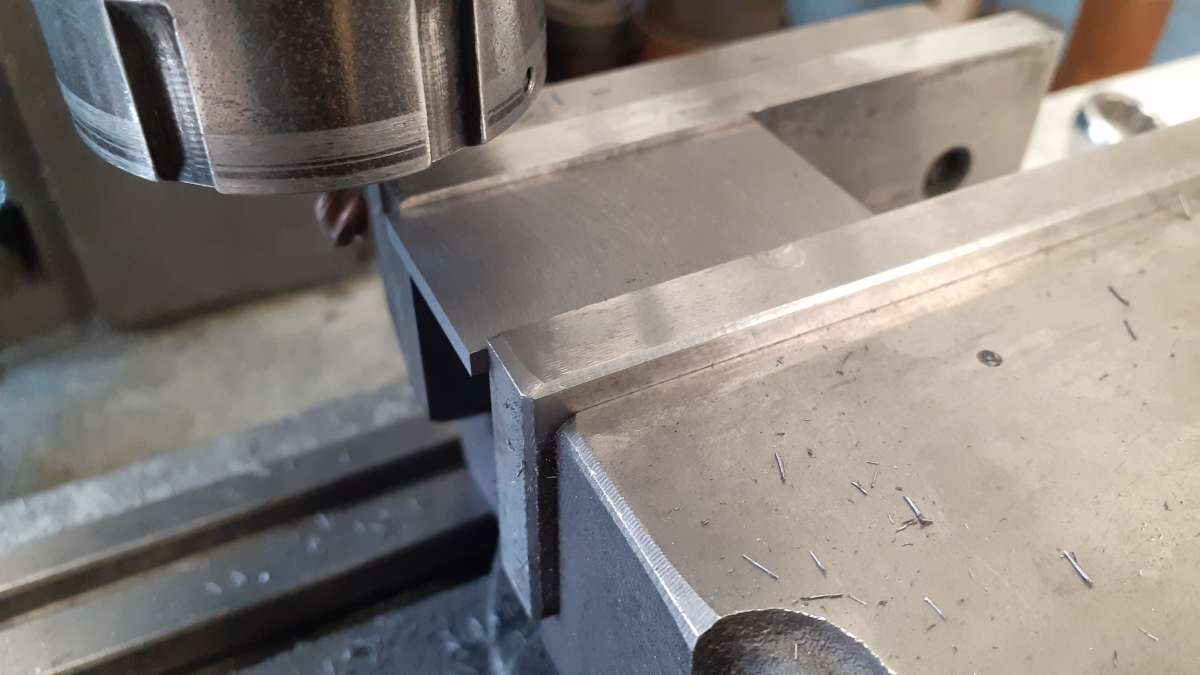
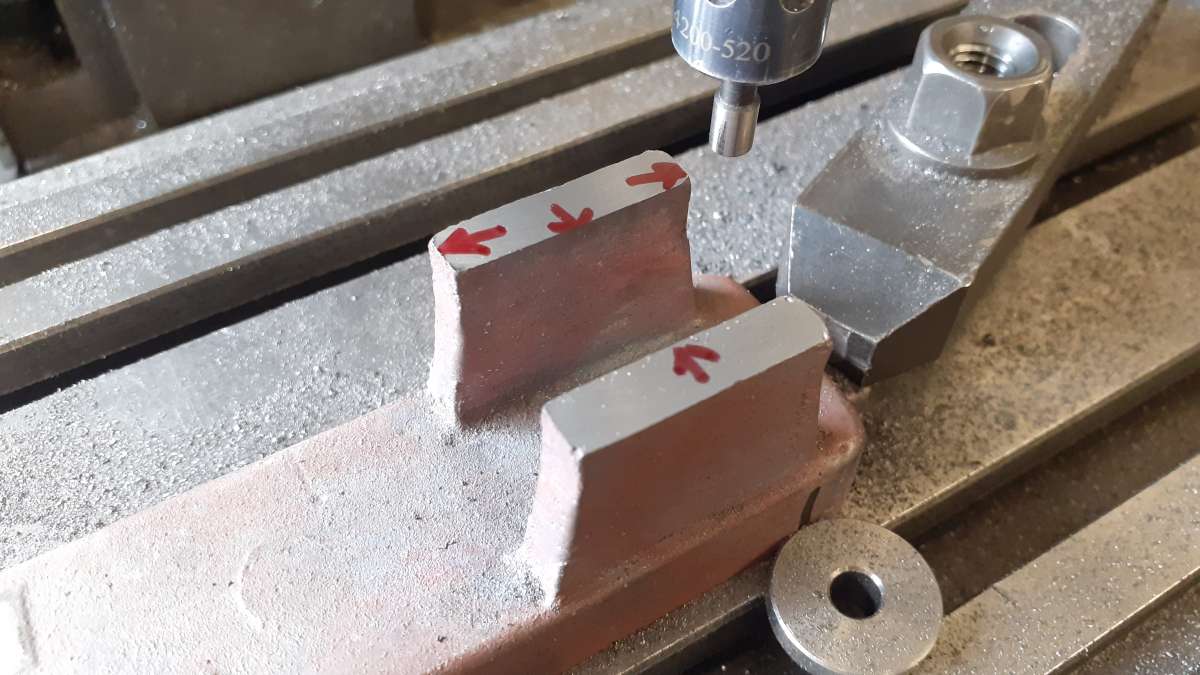
                  A square on view of the first cuts to the bed plate. The two Sharpie marks indicating where the locating buttons are touching can also be seen more clearly.

                  20240612_140153

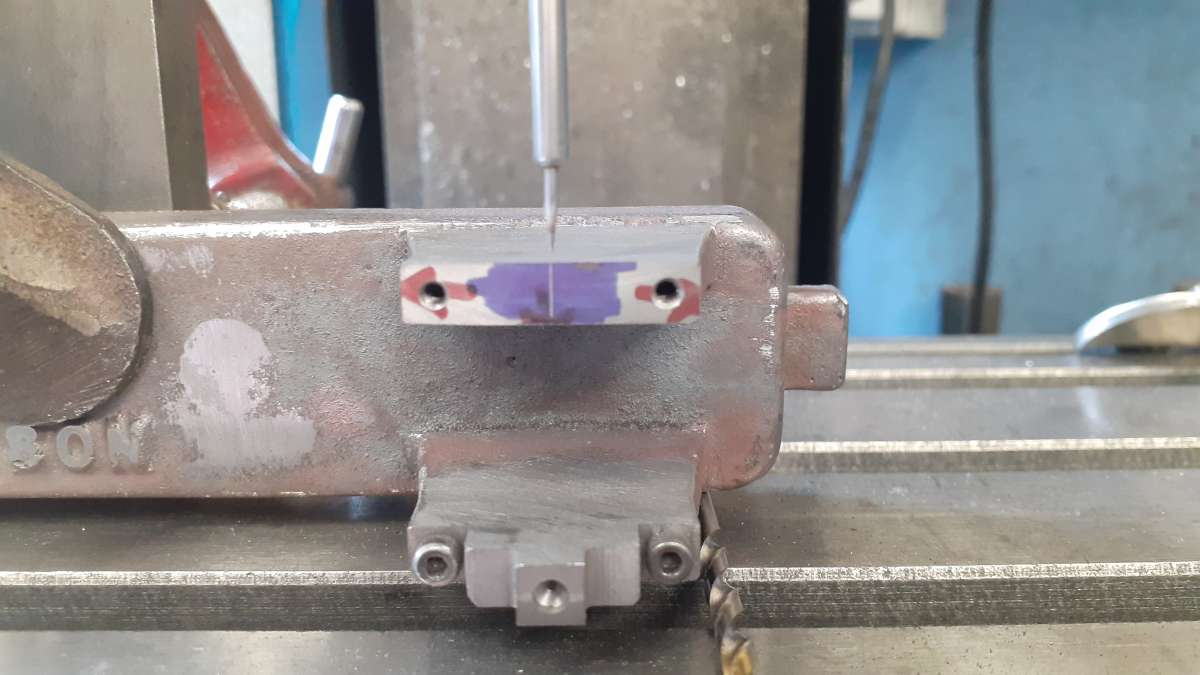
                  Locating the datum point with an edge finder – between the pedestalls and mod way along them.

                  20240612_140716

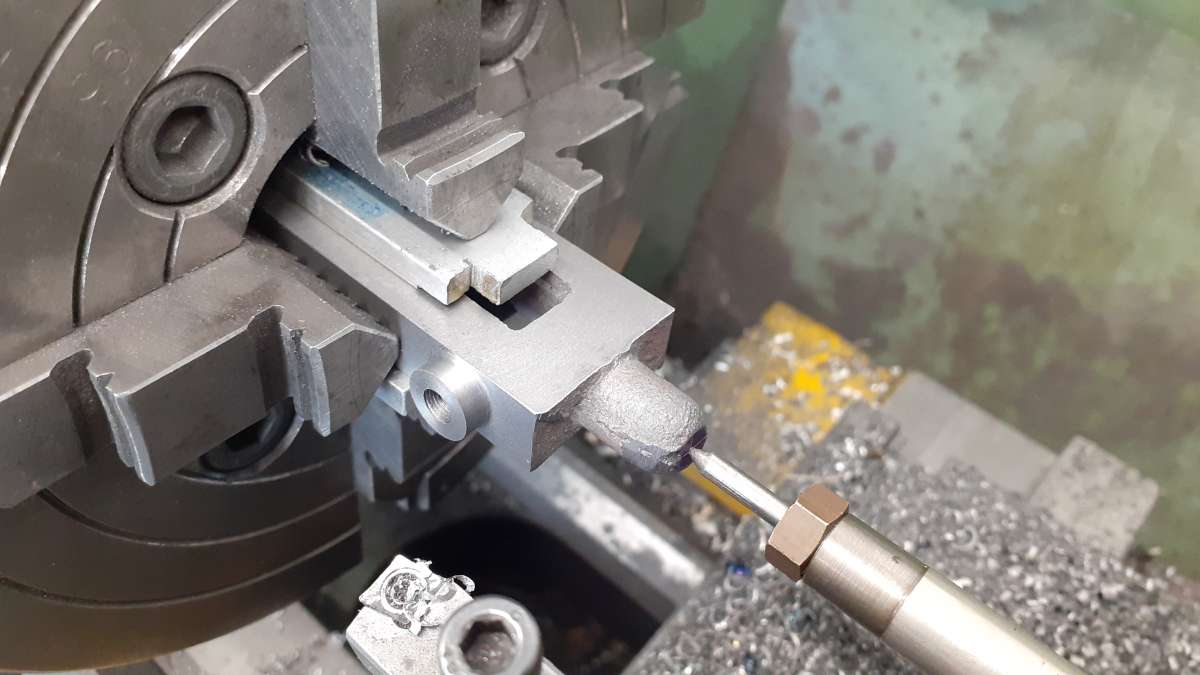
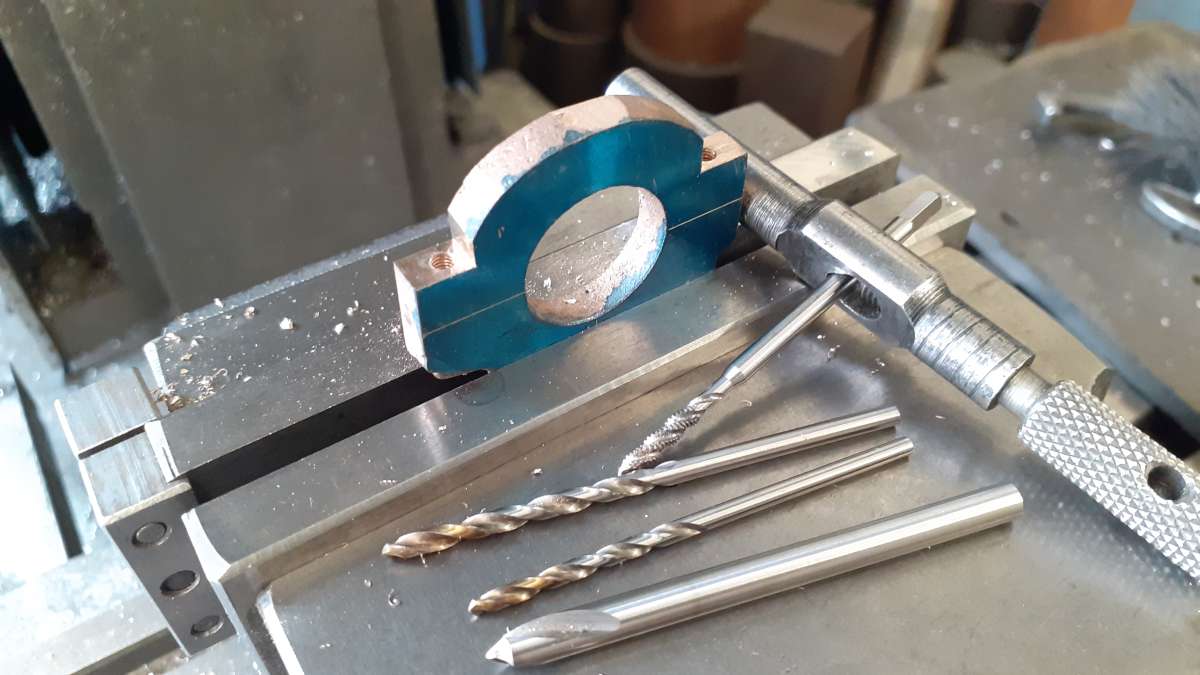
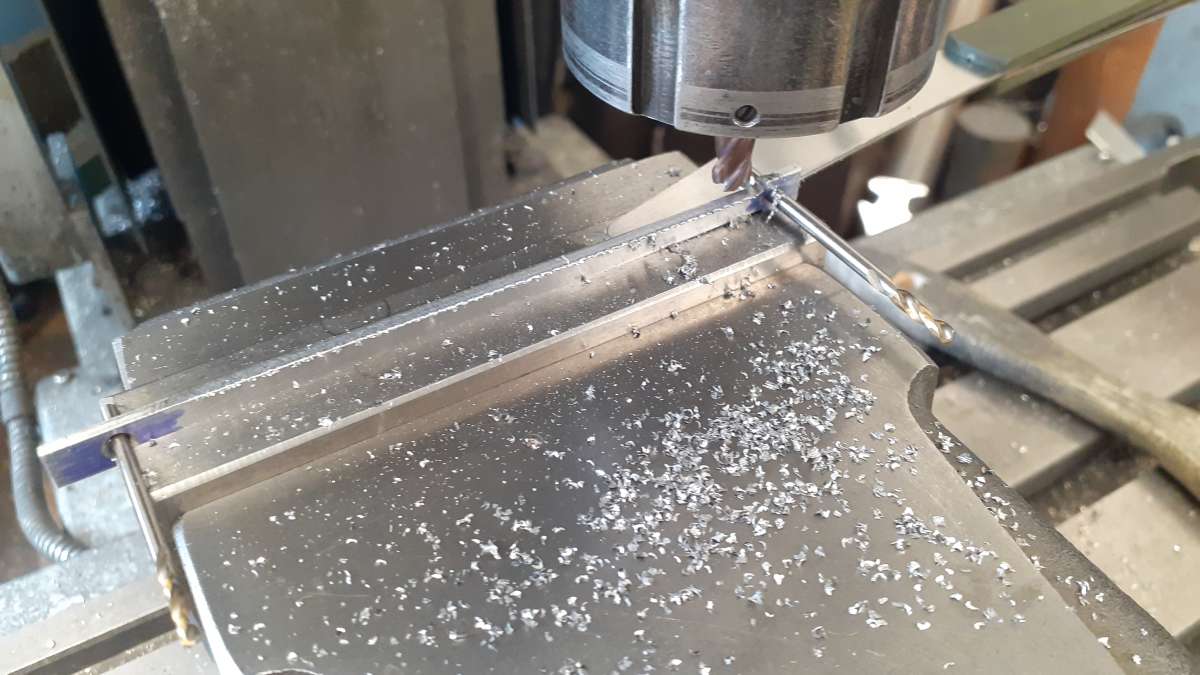
                  Cylinder mounting holes and bearing cap holes spotted prior to drilling

                  20240613_090256

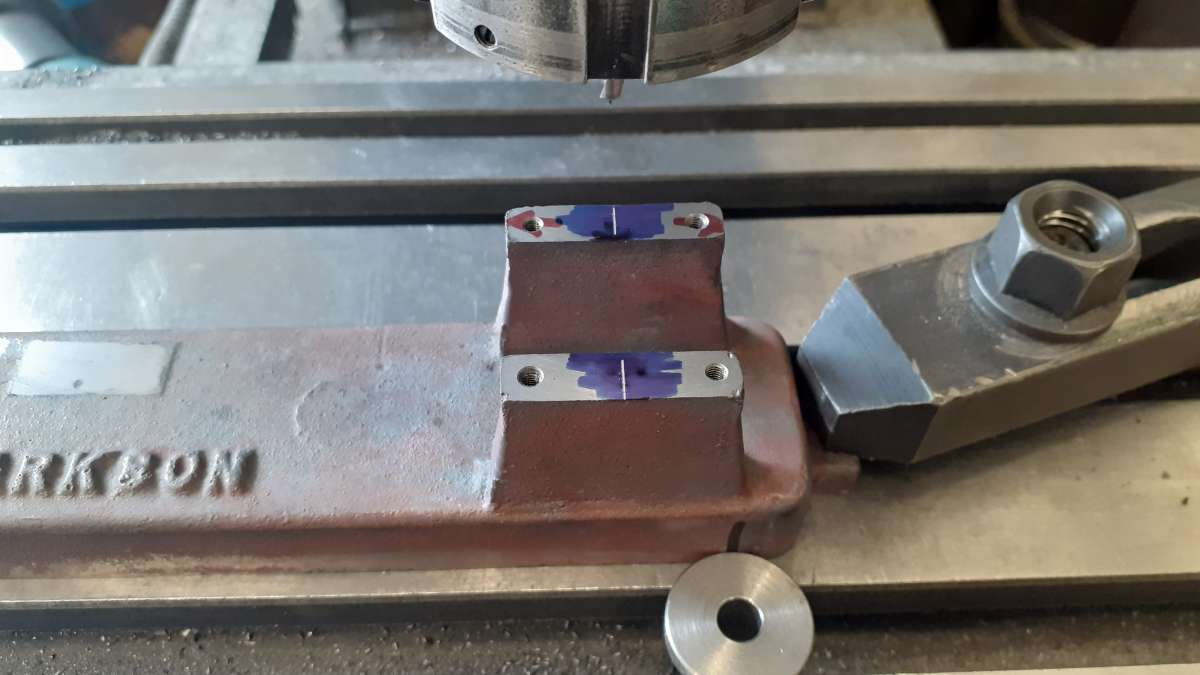
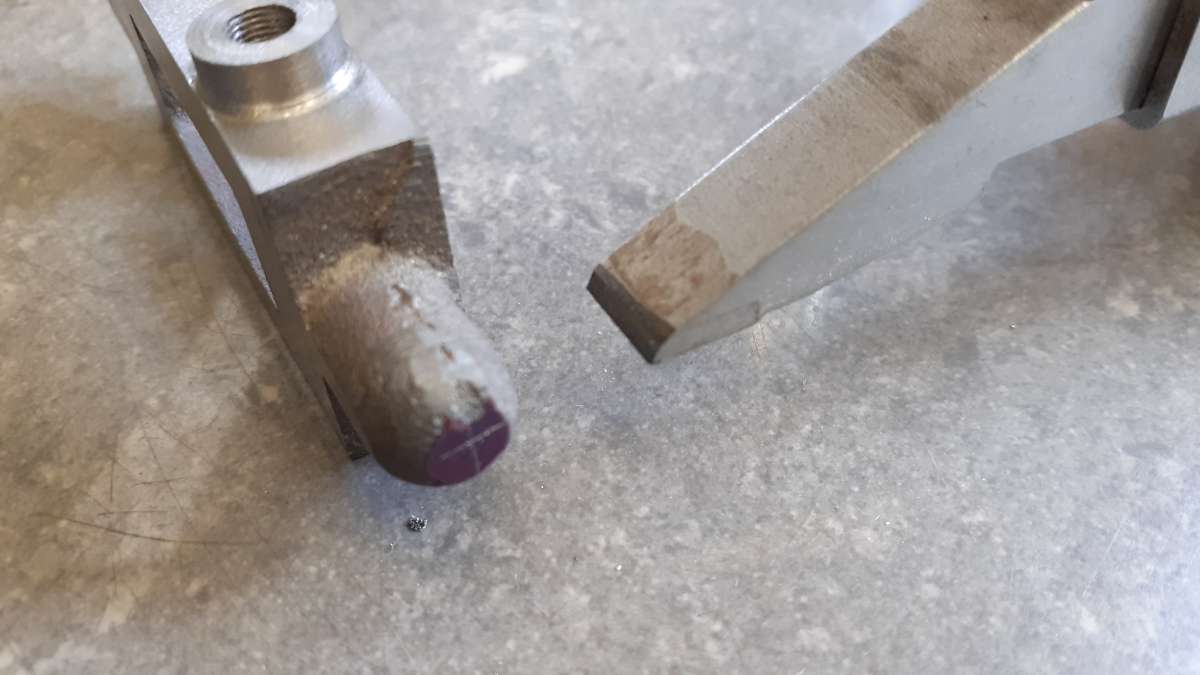
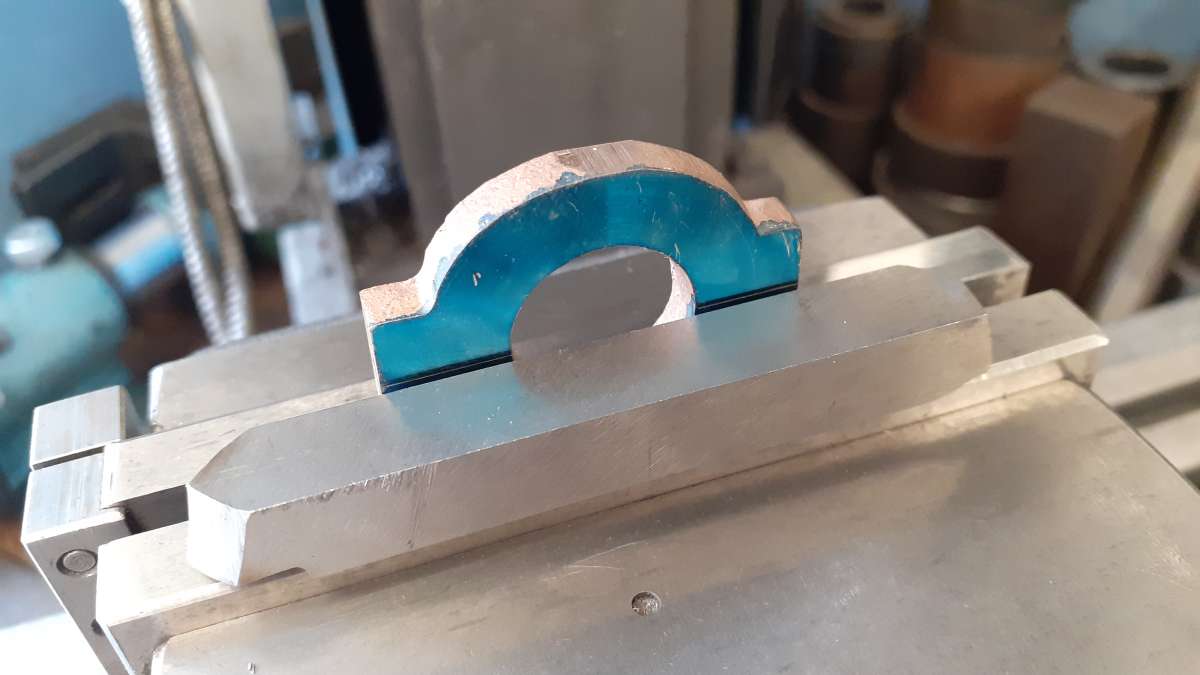
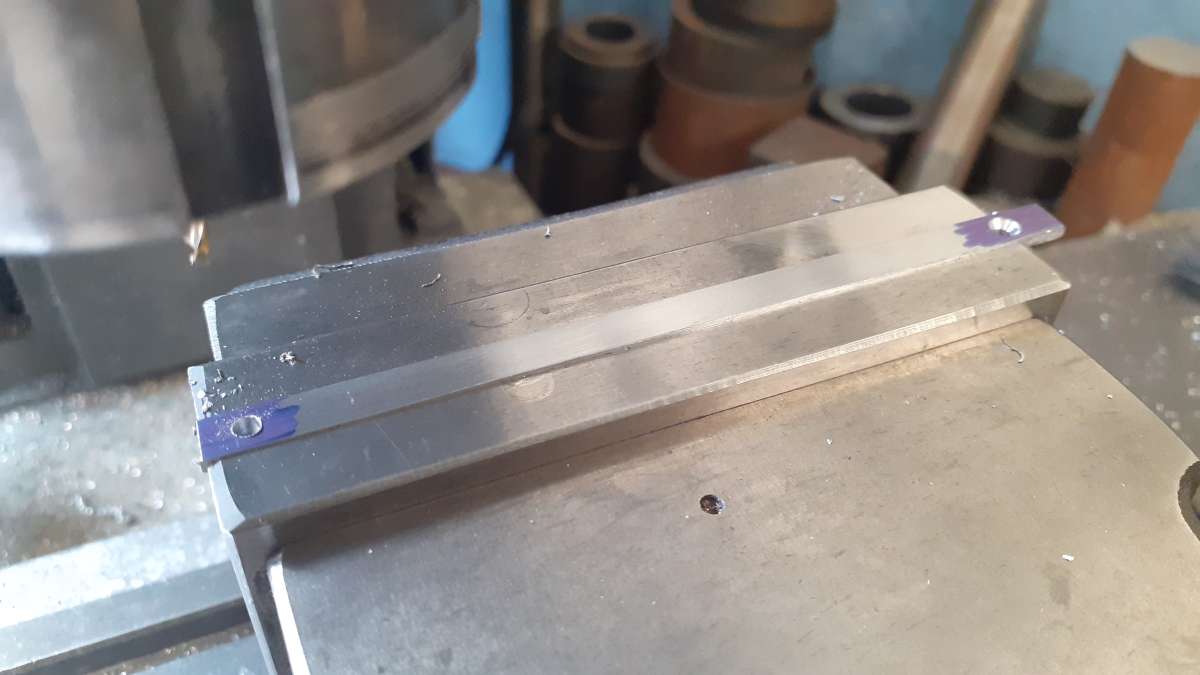
                  Marking the bearing ctr line by dragging the end of a spotting drill over the machined & blued surface

                  20240613_092334

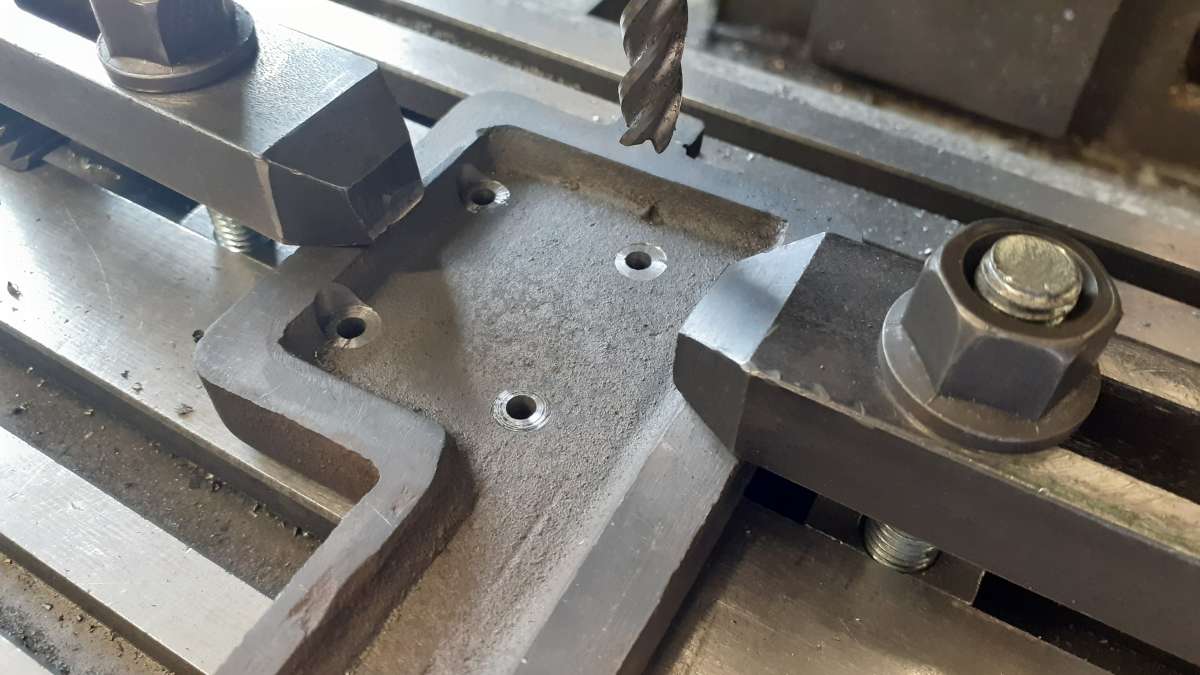
                  Spot facing the underside of the bed casting for the cap head screws that retain the cylinder.

                  20240613_093000

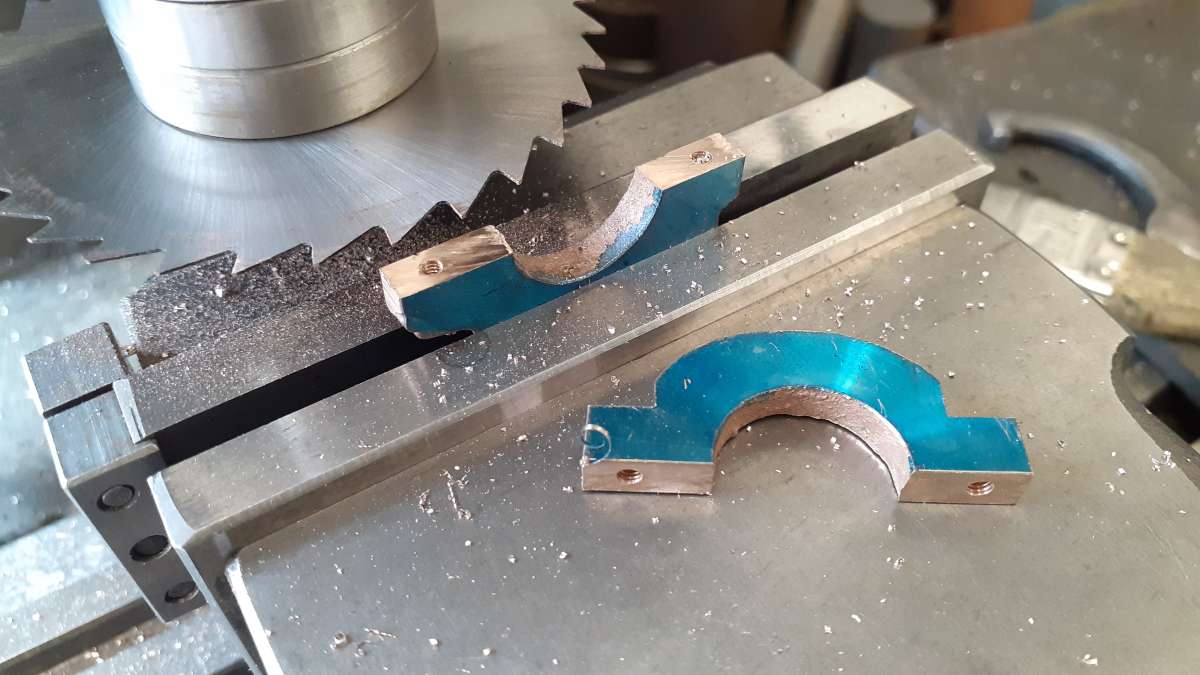
                  marking the posistion of the saw cut to split the bearing cap casting into two

                  20240613_142124

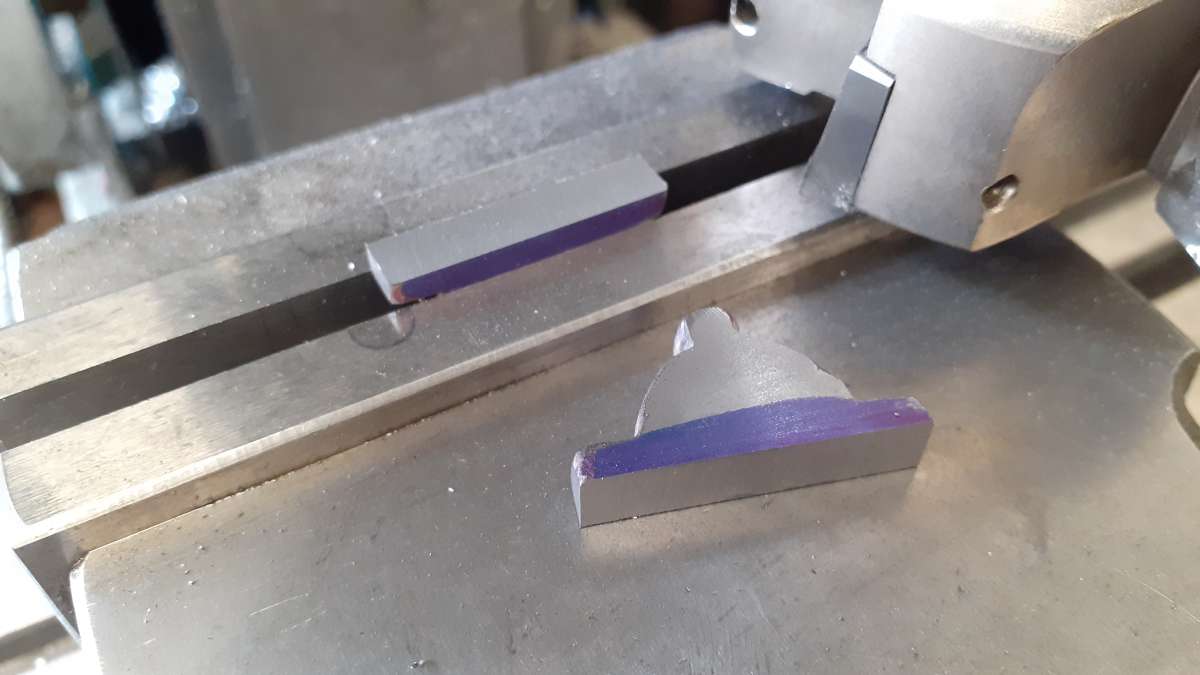
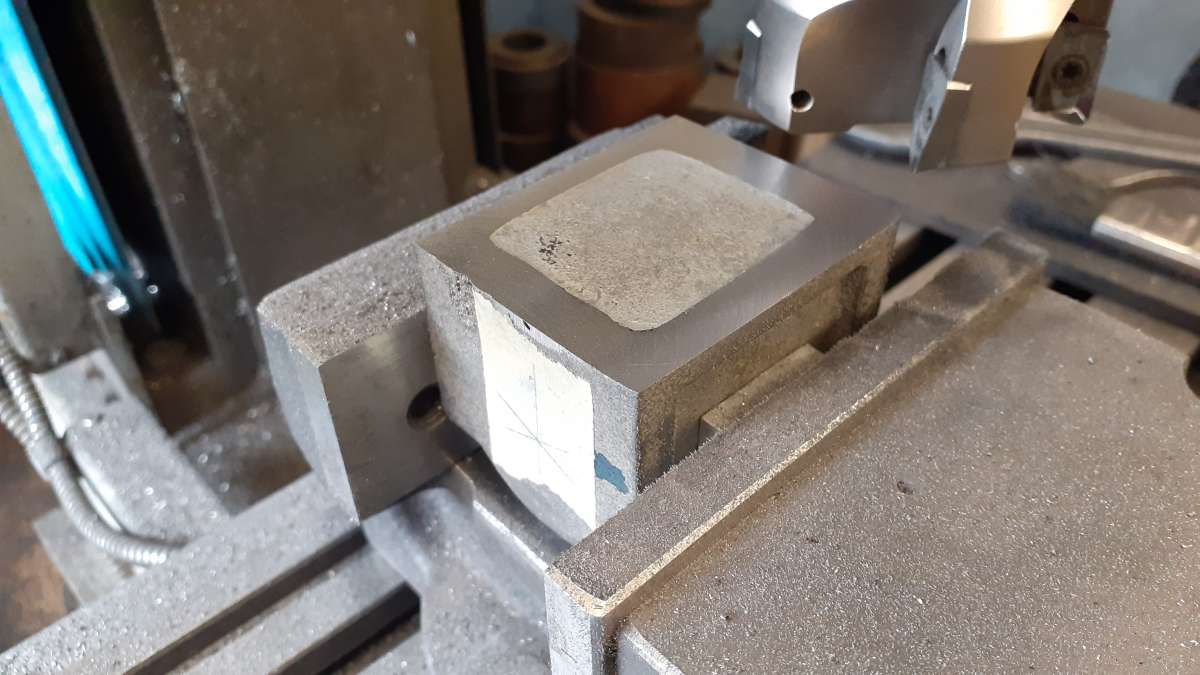
                  A light skim cut to clean up the sawn surfaces

                  20240613_142802

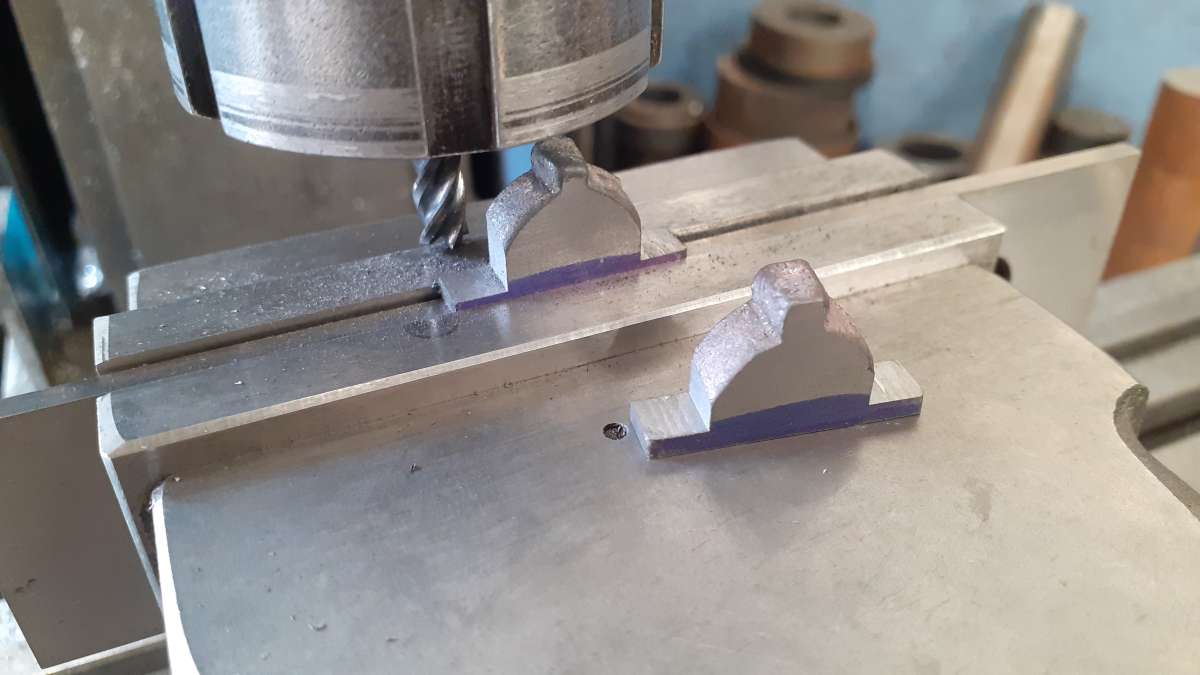
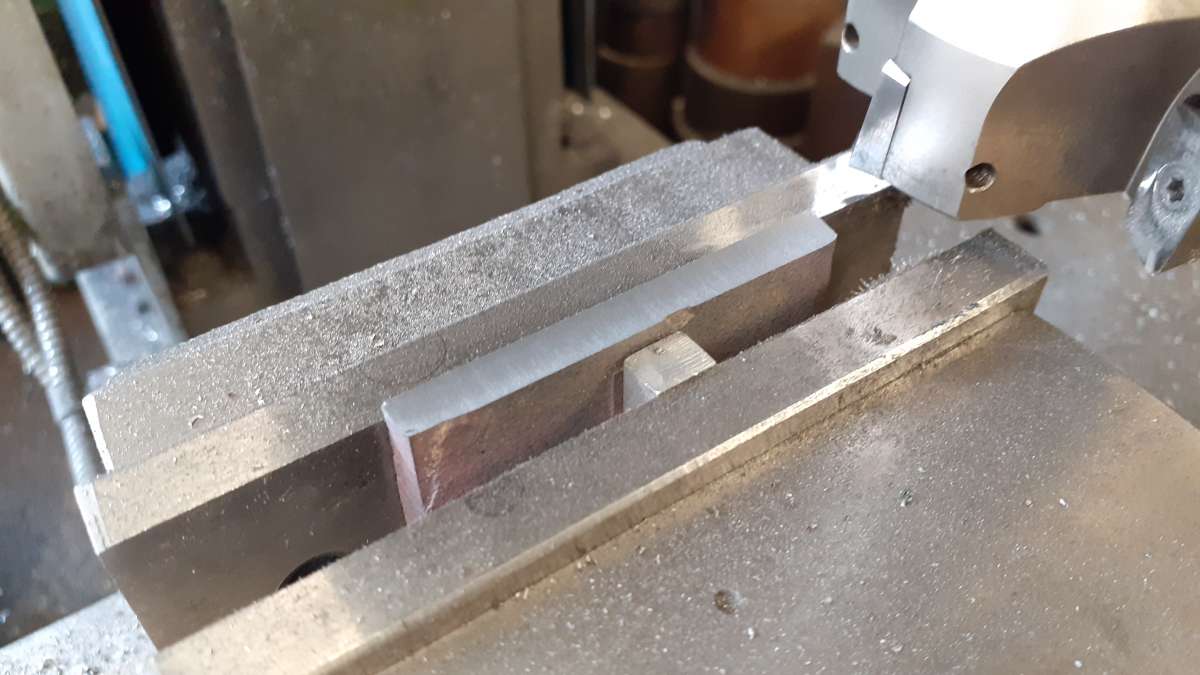
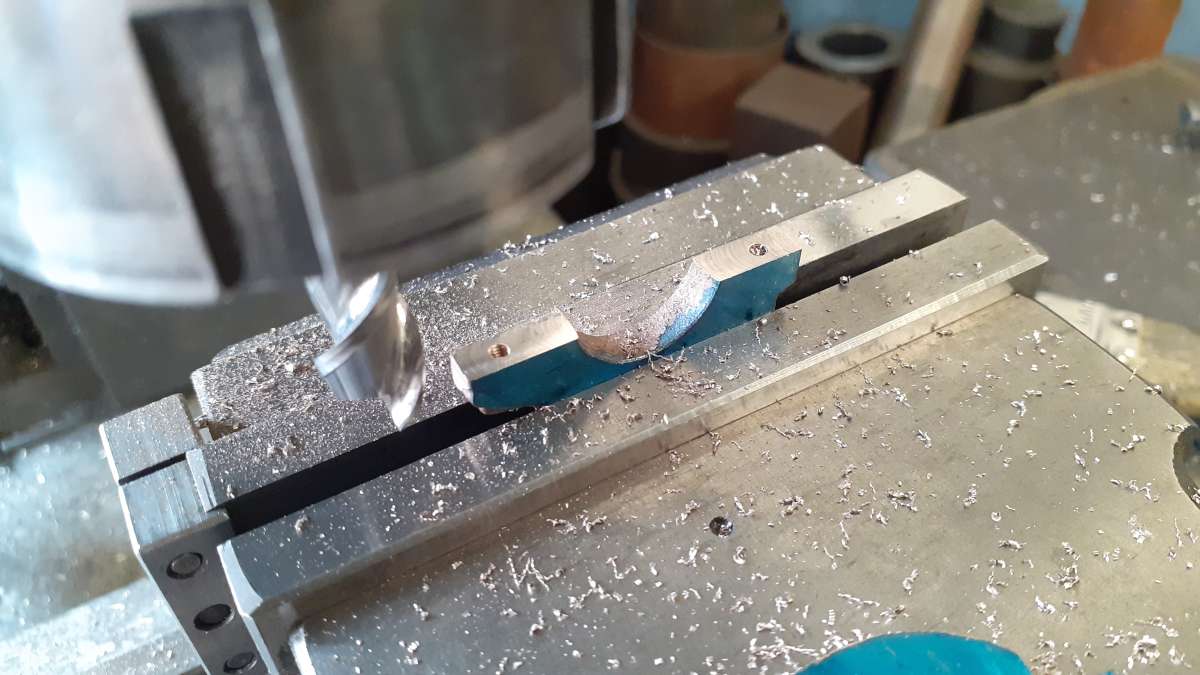
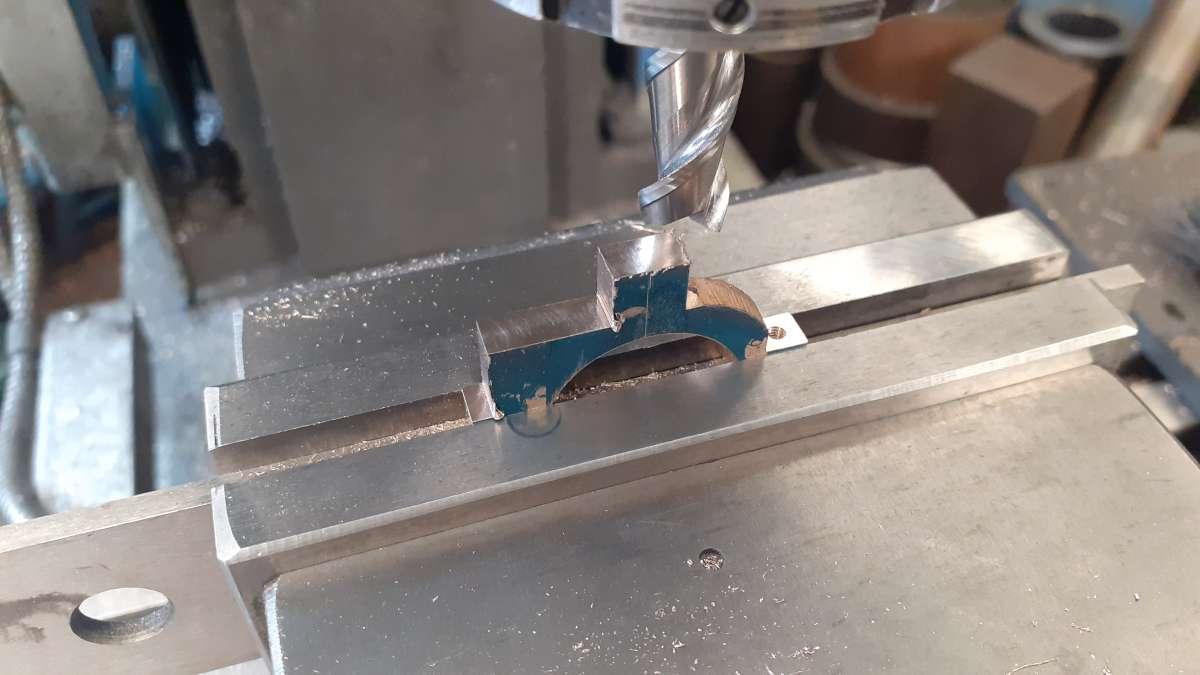
                  Milling the two ears to thickness

                  20240613_144927

                  Cont’d

                  #838071
                  southernchap
                  Participant
                    @southernchap

                    I just had MEW just delivered and this is annoying, since I’d all but decided the cancel my sub! 😄

                    This looks like just the project for me to build as a little present for my Grandson (even at the age of two and a half, he’s fascinated by mechanical systems)

                    Leeks like I’m going to be subscriber for at least a little longer.

                    #838080
                    JasonB
                    Moderator
                      @jasonb

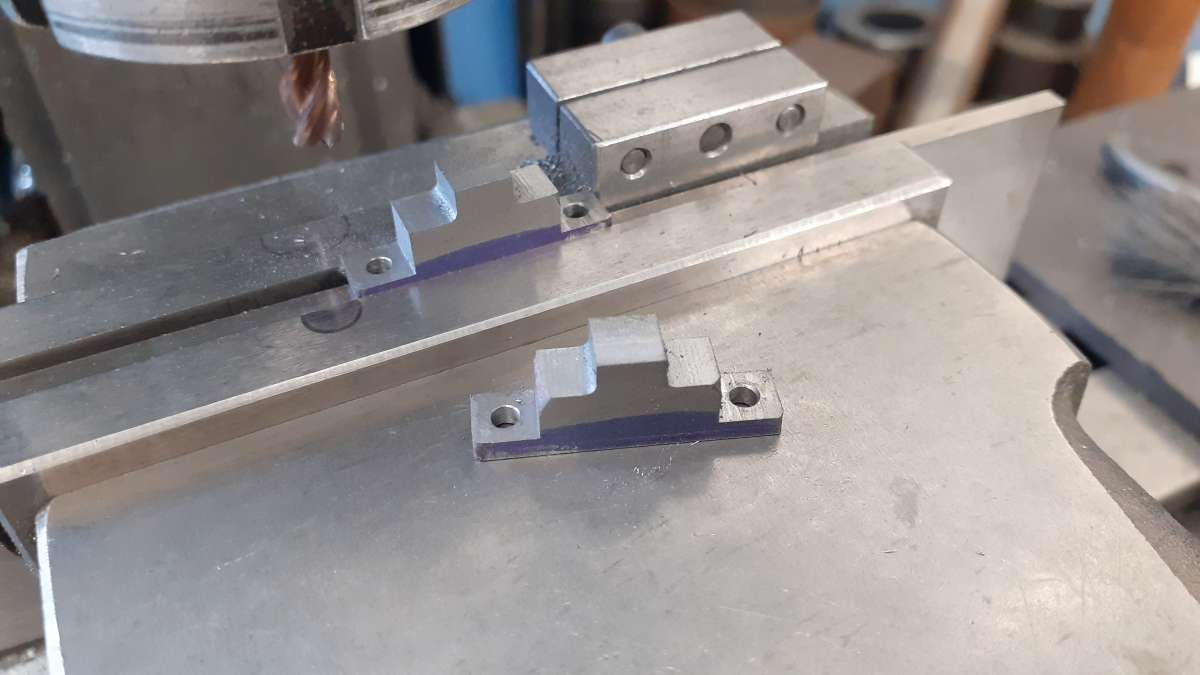
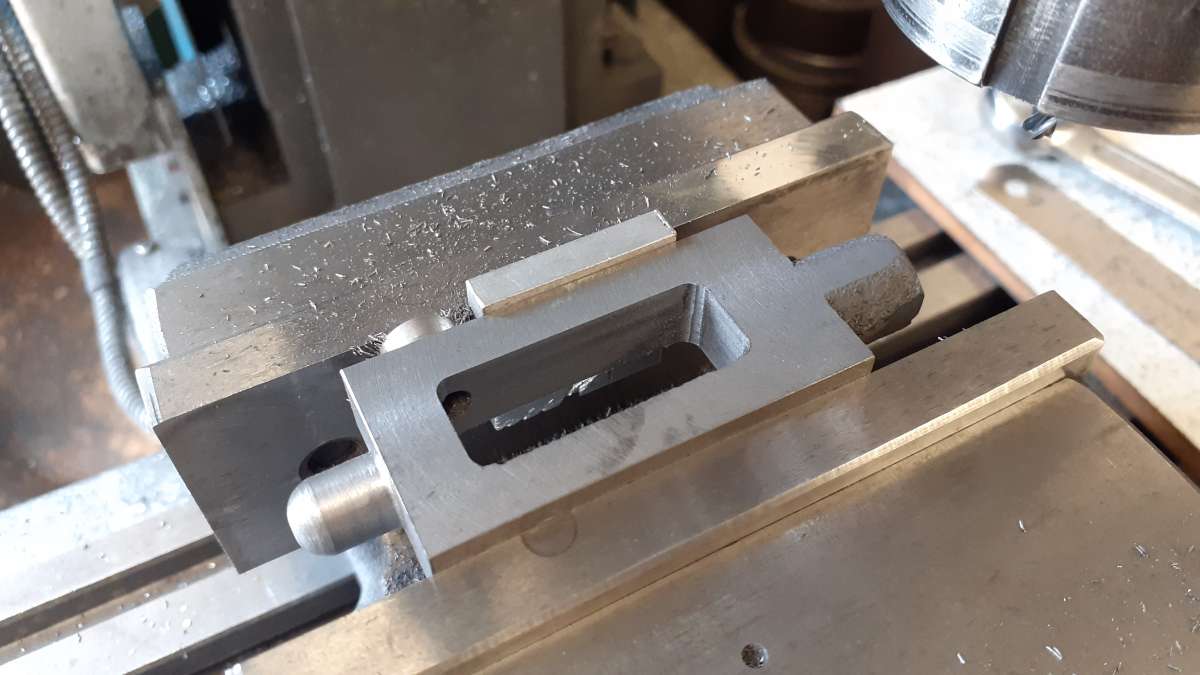
                      Milling the oil pocket to width and height with a 1mm corner radius 6mm cutter to leave a small fillet

                      20240614_092010

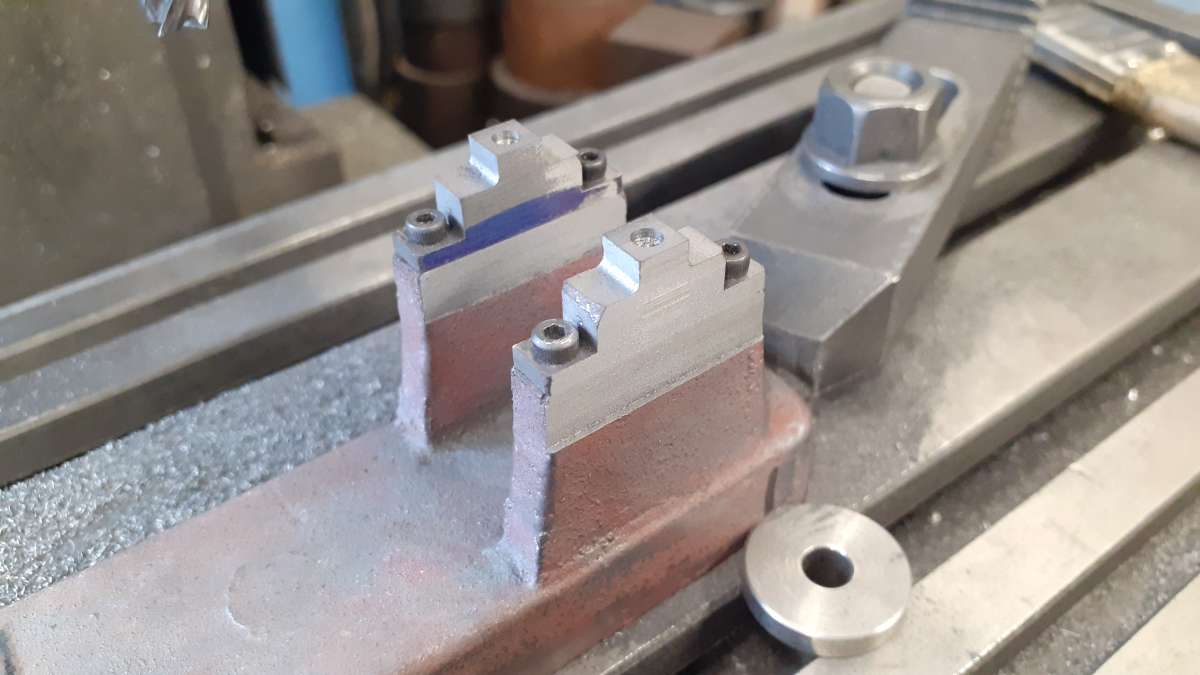
                      With the caps now screwed into place they and the tops of the pedestals can be milled to width

                      20240614_094103

                      The casting is now held on it’s side and a wobbler used to locate the previously scribed ctr line.

                      20240614_133840

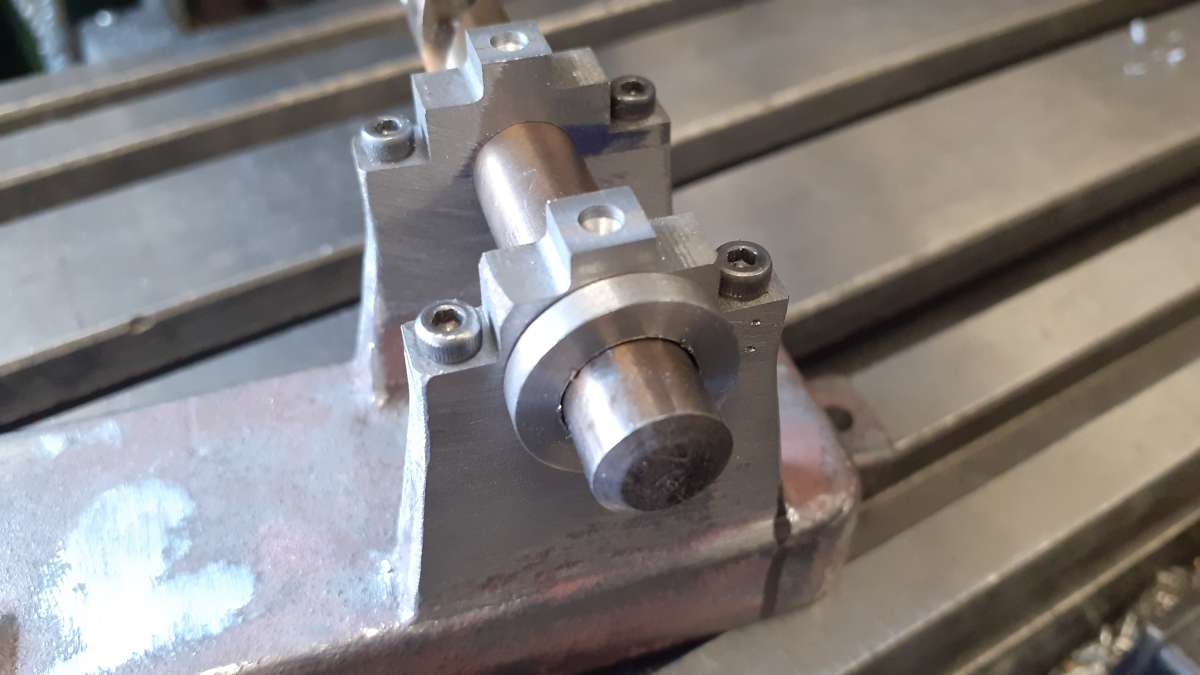
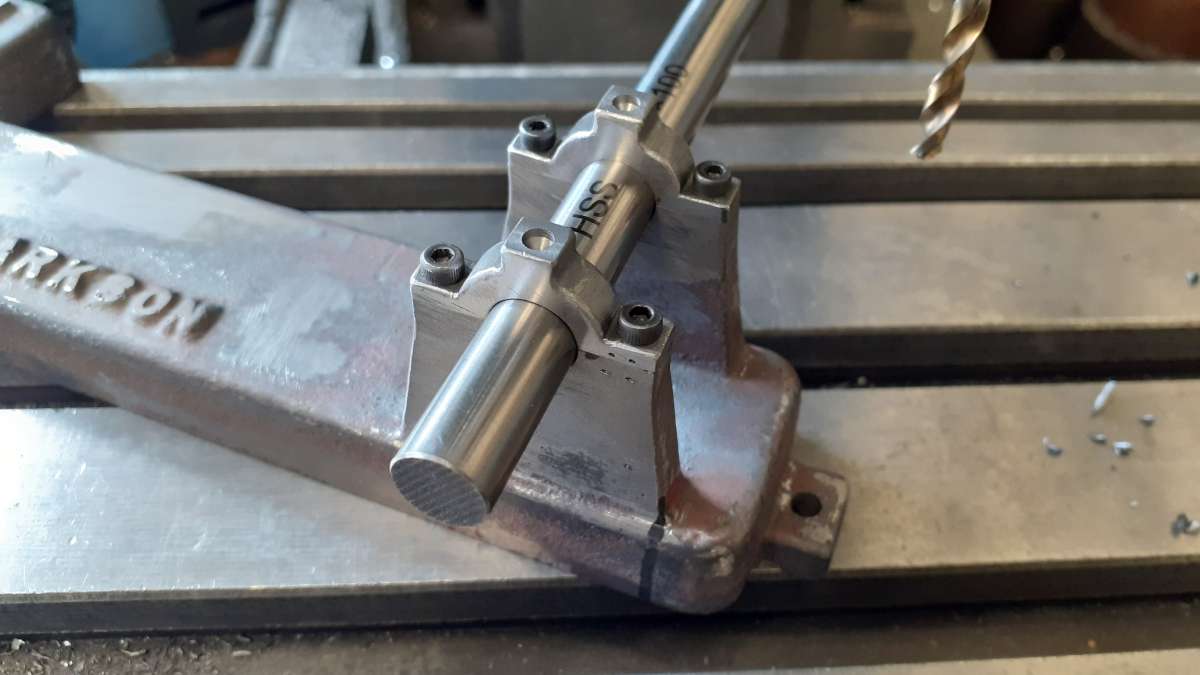
                      The bearing holes being reamed to 10mm diameter although they could also be bored

                      20240614_135121

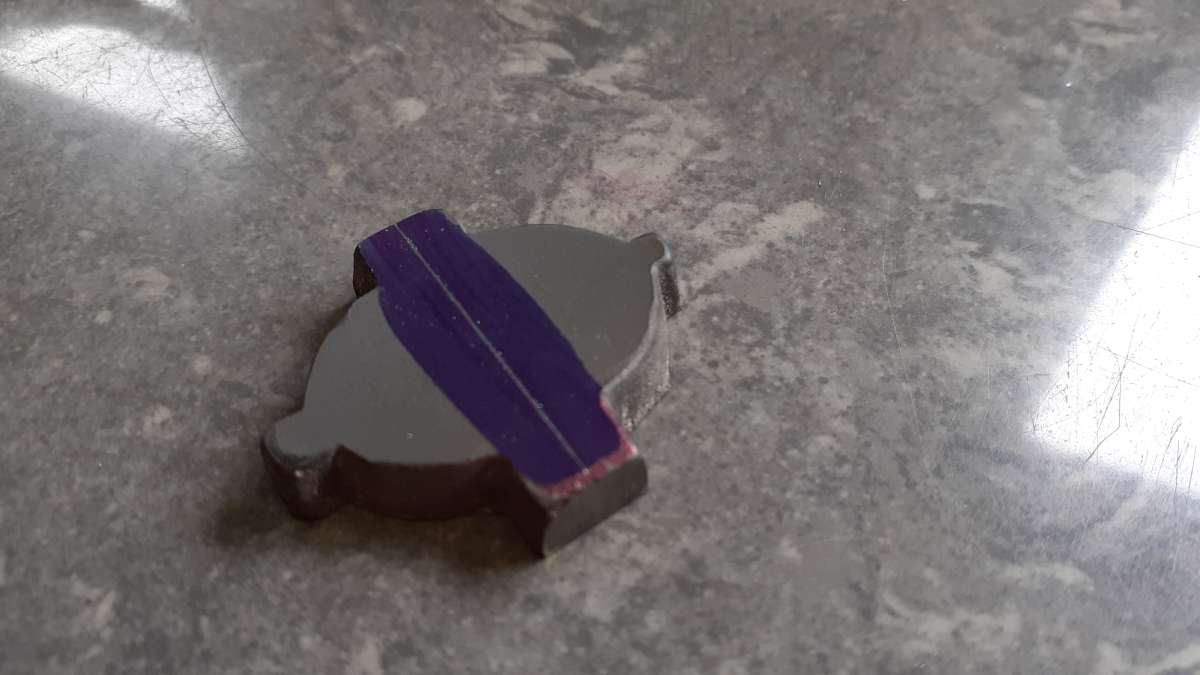
                      using the shank of a drill to locate a filing button the curve of the cap can be marked prior to filing.

                      20240614_141442

                      The last job on the bearing caps if to knock off all the corners with a needle file to give a softer cast look.

                      20240614_144510

                      Next time I will describe the Cylinder and its associated parts.

                      Castings and Drawings available from Blackgates, see their Clarkson Catalogue


                      #840494
                      John Purdy
                      Participant
                        @johnpurdy78347

                        Jason
                        I see you have modified the original Clackson flywheel to make it a little more prototypical. I always though the the original looked odd, being so thin!
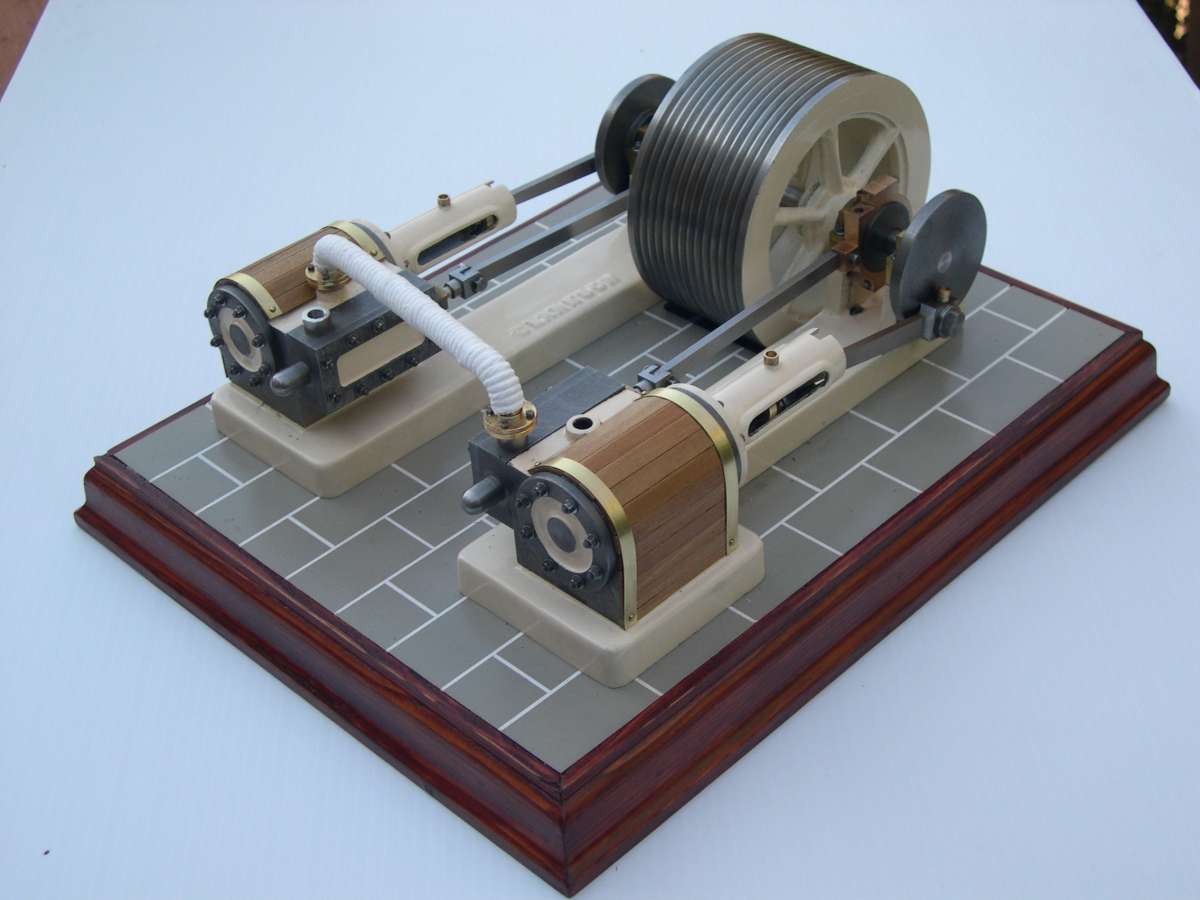
                        Quite a while back I made the compound from a set of old original Clarckson castings I acquired 2nd (3rd/4th./?) hand back in the early ’90s.
                        On most there was minimal to no machining allowance, requiring very careful set up, and there were a lot of chilled areas.
                        The bearing caps, in particular, were unusable as the as cast dimensions were considerably less than the finished dimensions. Would have been very frustrating for a beginner’s first attempt.
                        I hope the new castings from Blackgates are of better quality than the originals.
                        John

                        Clackson Single

                        DSCN3146

                        #840508
                        JasonB
                        Moderator
                          @jasonb

                          Nice looking compound John.

                          I also feel that the flywheel is rather thing, I wonder if they came up with the compound first where the two flywheels work OH in combination with the separate drum. They may then have decided to do the single and simply used the same casting, hence it not looking quite right. It does run with teh skinny one but is smoother at low revs with the heavier rim.

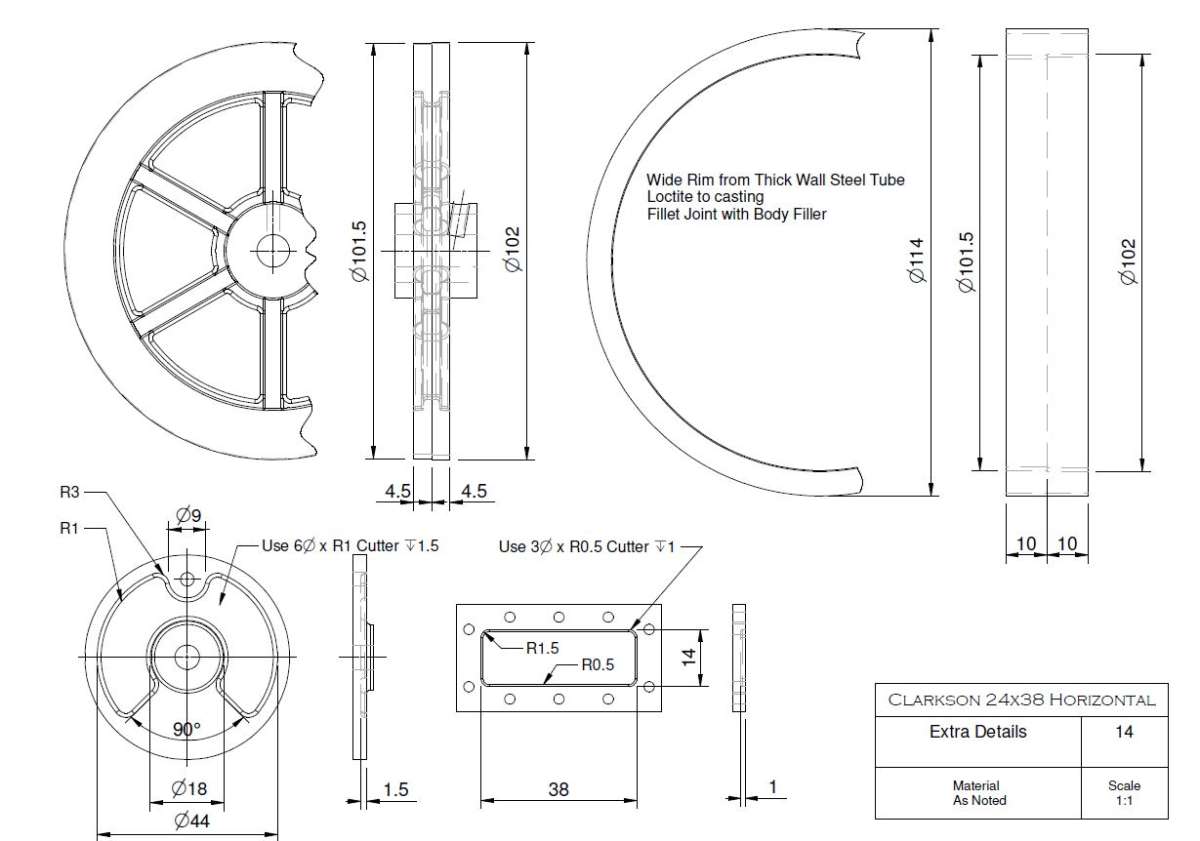
                          I don’t know if you have seen the article which has now started in the Mag but I give options to use the flywheel as supplied as well as a drawing at the end for modifications including the larger rim, recessed face to the valve chest and similar to the crank disc to give a counterbalanced look.

                          extras

                          This was built from a set of compound castings that were missing a few bits, like yours an old set of castings. I had heard that they were known for being hard, some initial clean up cuts were not a problem but I did take the precaution of cooking a few of th ethinner castings prior to machining and had no problems.

                          The drawings I have done are not just a mathmatical conversion but redrawn to suit the actual size of castings and I was able to get all the parts from them. Several alterations along the way for a better look too including things like avoiding the need for that clearance notch in the end of the trunk guides

                          #840510
                          John Purdy
                          Participant
                            @johnpurdy78347

                            Jason

                            Thanks for the comment on the compound.

                            The original Clarkson drawings do show the front of the valve chest and the front cylinder covers as being recessed, but not the crank disk. I might just do that, easy enough to take it off, and mount it on the rotary table.

                            I made the  the cylinder covers and the recesses the same diameter, in hind sight I should have made the HP cover smaller diameter to give an indication that it is a compound (the bores are 3/4 and 1 inch diameter).

                            Have only seen the first part of the ME article so far, but when I looked at your original picture of the flywheel it looked like you had added a much wider rim to the original casting, which you have.

                            When I started machining the base castings there were so many chilled areas that I put the whole lot it my kiln, including the heavy winding drum, and let them soak at 1600F for about 3 hours, then cool overnight in the kiln. Even then a couple of the corners of the valve chest covers and the bearing pedestals still had small chilled areas. That’s what carbine lathe tools and milling cutters are for!

                            The height of the bearing pedestals was another place where the dimension of the raw casting was less than the drawing dimension, I had to shim the top up by 1/4 inch to get the cylinder to crank centre line to be parallel to the bed.

                            John

                            #842086
                            JasonB
                            Moderator
                              @jasonb

                              A few more extra photos to go with part 2 which is in issue 4775


                              Initial skim cut to just clean up the port face

                              20240615_113656

                              Then a clean up pass of the bottom surface

                              20240615_115034

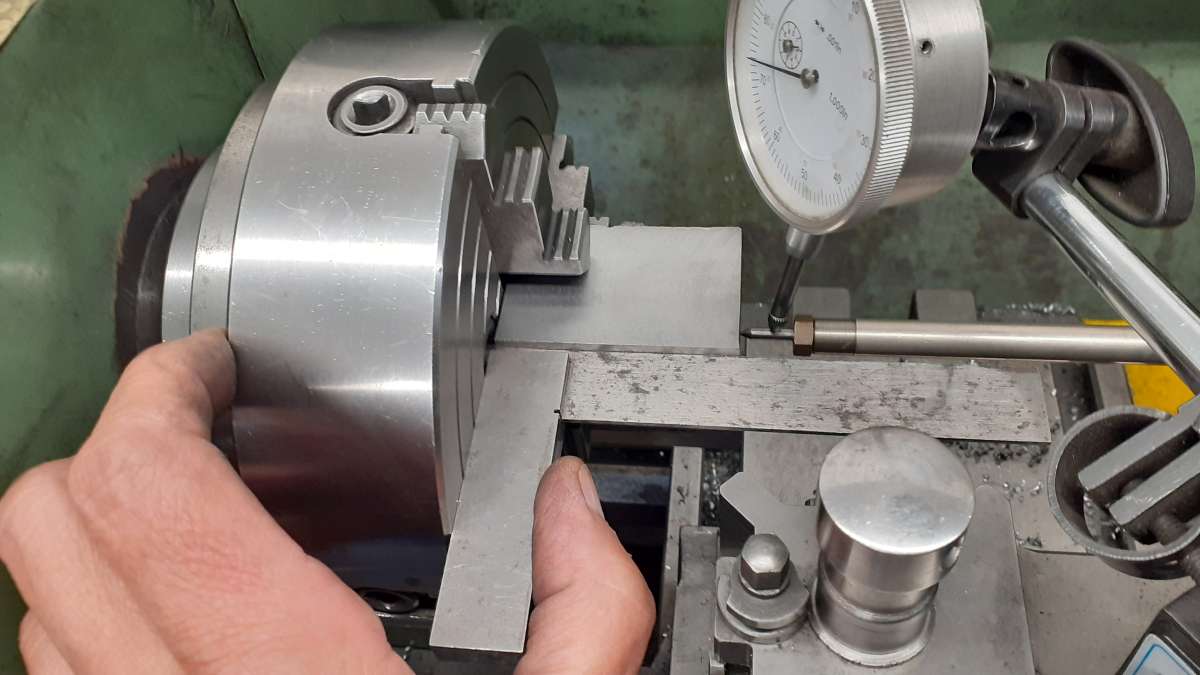
                              Checking the casting is square to the chuck face while clocking in the ctr mark

                              20240615_121810

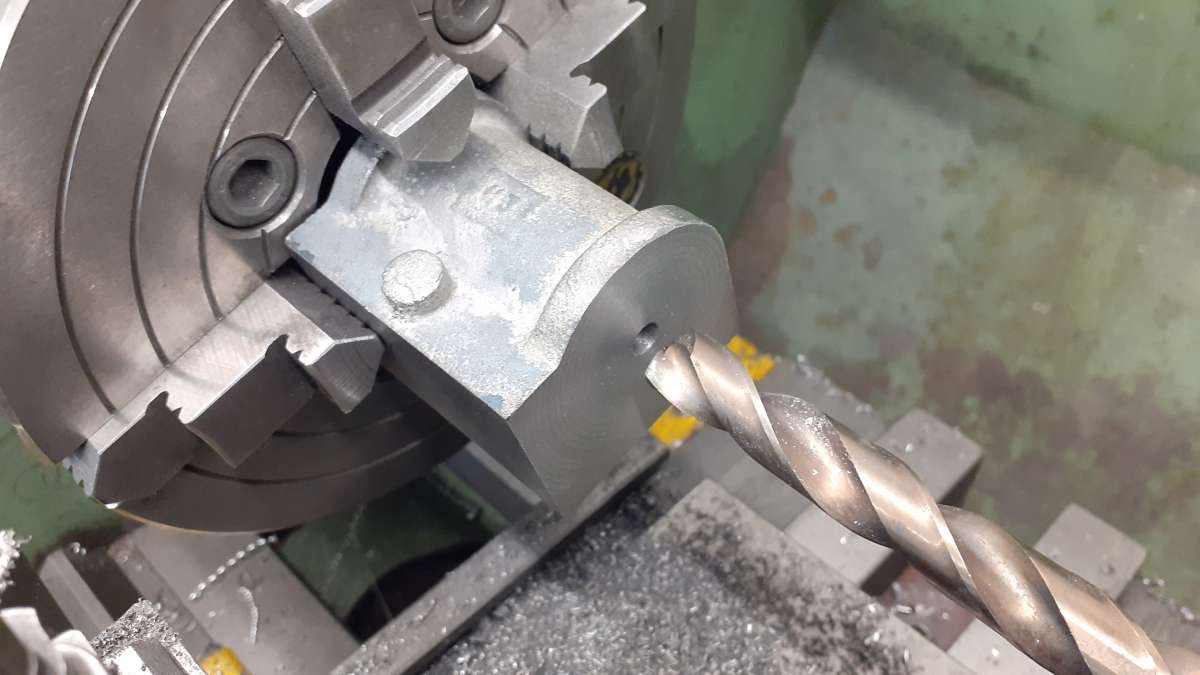
                              Skim cut off the cylinder end then start drilling out so you can get a boring bar in.

                              20240615_132722

                              Casting held the other way round and clocking in the bore prior to turning the second end

                              20240615_143541

                              Second end turned

                              20240615_145131

                              Bottom face after final milling

                              20240615_150122

                              Port face after final milling

                              20240616_084312

                              Milling the exhaust pipe boss to length

                              20240616_085330


                              #844850
                              JasonB
                              Moderator
                                @jasonb

                                With part three now available here are some additional photos to go with that.

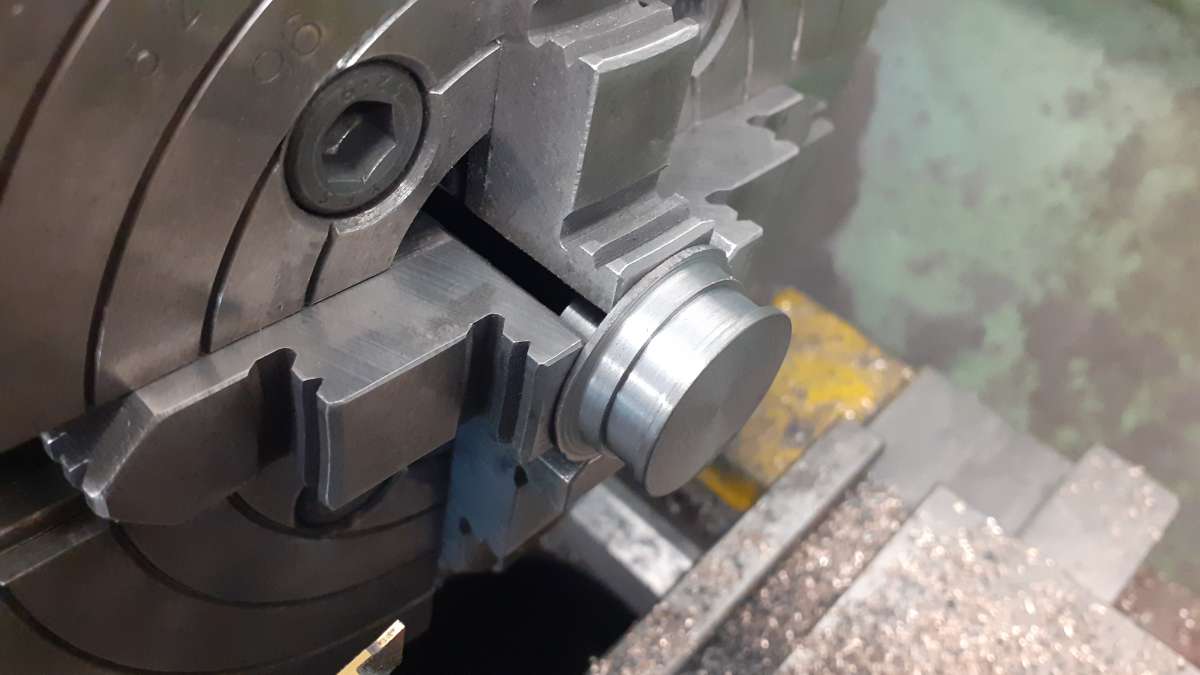
                                Cleaning up the first face of the valve chest, aluminium packing used to take up any irregularities in the cast surface and also allow jaw pressure onto the main edge not just the inlet boss.

                                20240616_140124

                                A similar operation for the opposite side with the previously milled face tapped down onto parallels

                                20240616_140758

                                Lastly the bottom edge is cleaned up

                                20240616_144041

                                After doing the top edge in the 4-jaw the ctr of the rod guide can be marked

                                20240616_144655

                                Back in the 4-jaw to set the mark to run true before machining.

                                20240618_113812

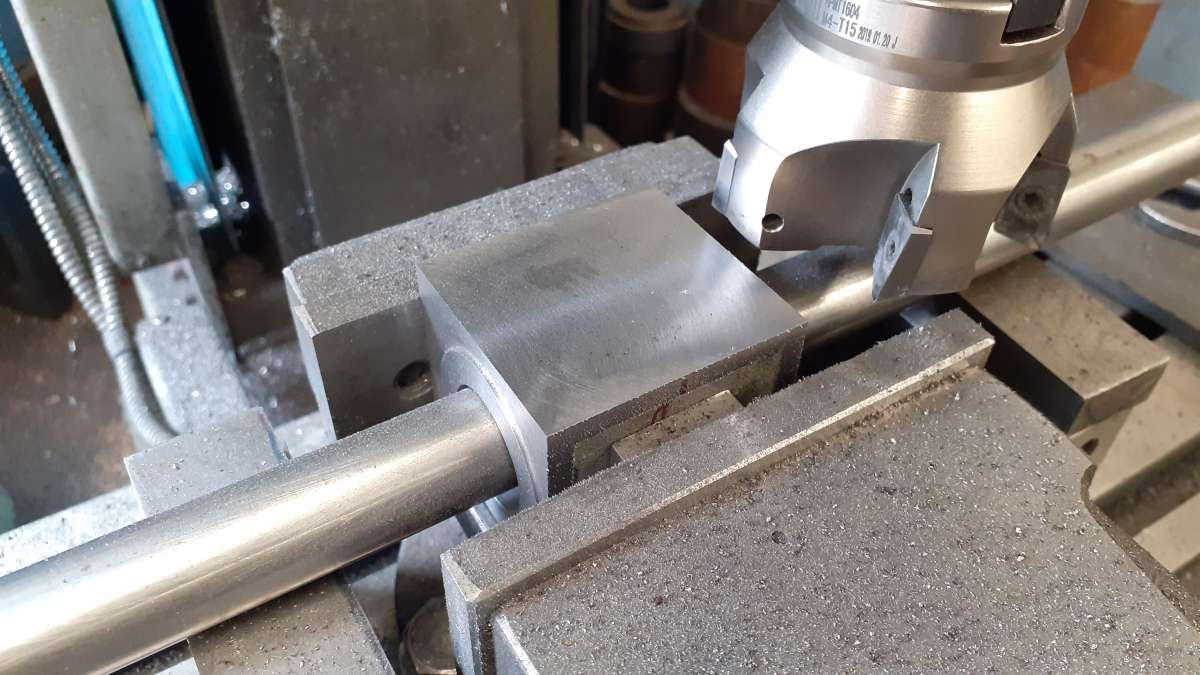
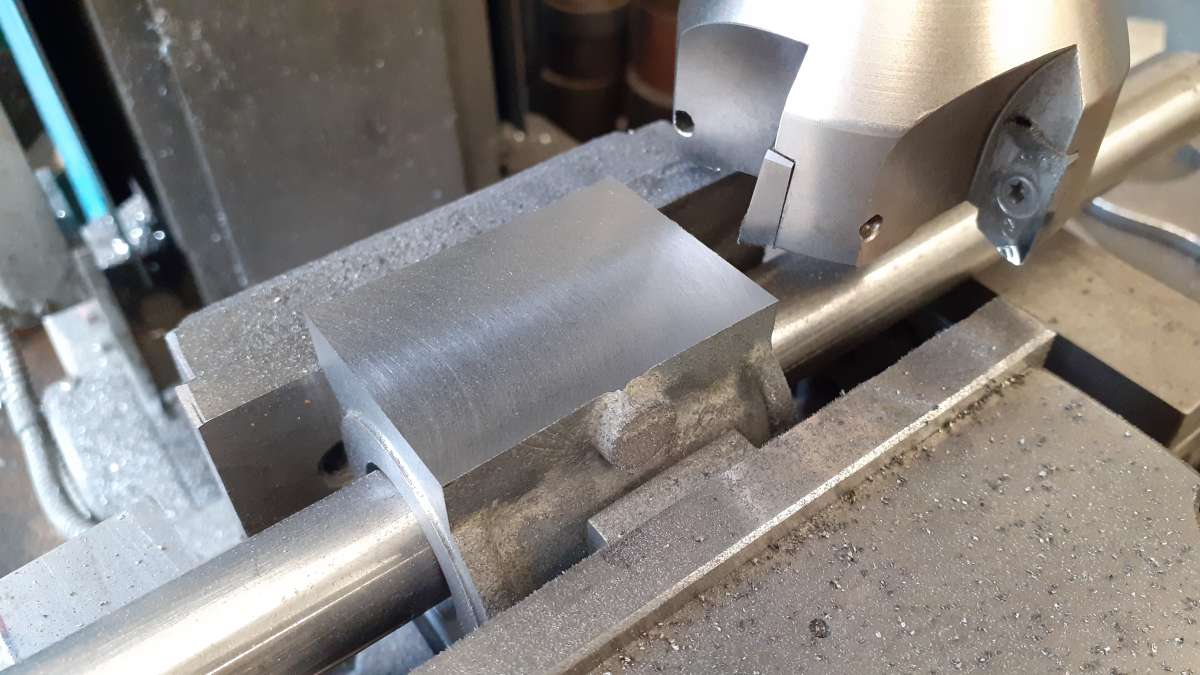
                                The inside can then be milled to size, come in from both sides unless you have  along reach cutter

                                20240618_122043

                                Clean up the cover to match the O/A size of the chest

                                20240616_145530

                                20240618_140637

                                #844879
                                JasonB
                                Moderator
                                  @jasonb

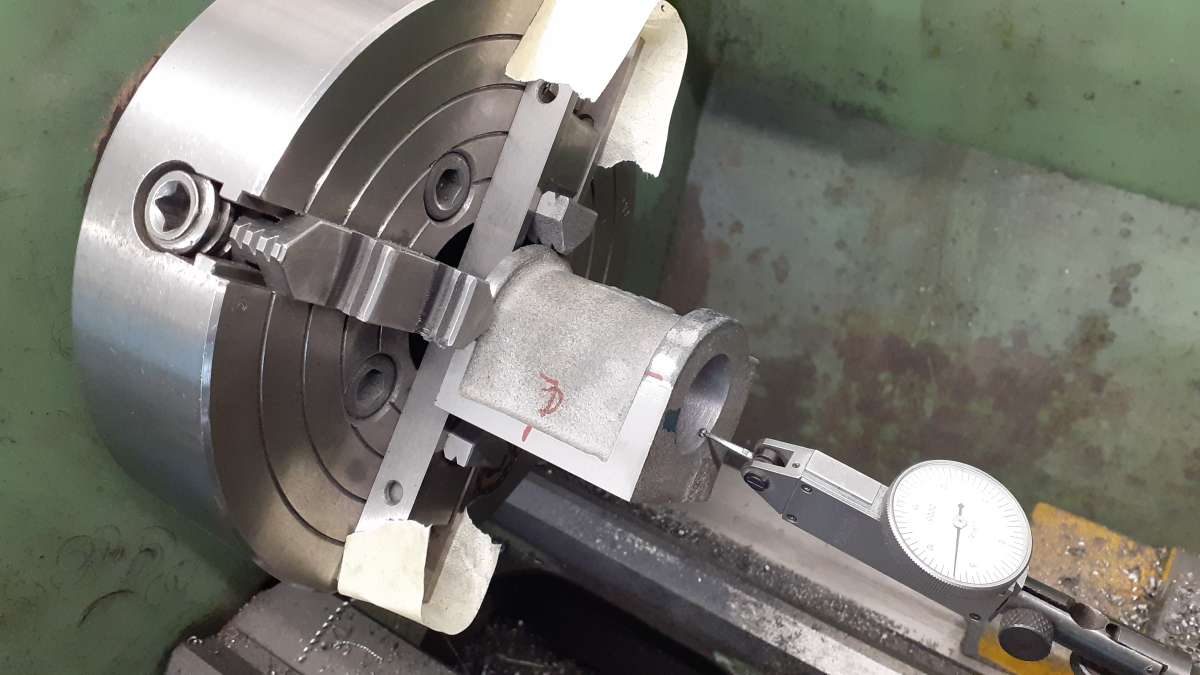
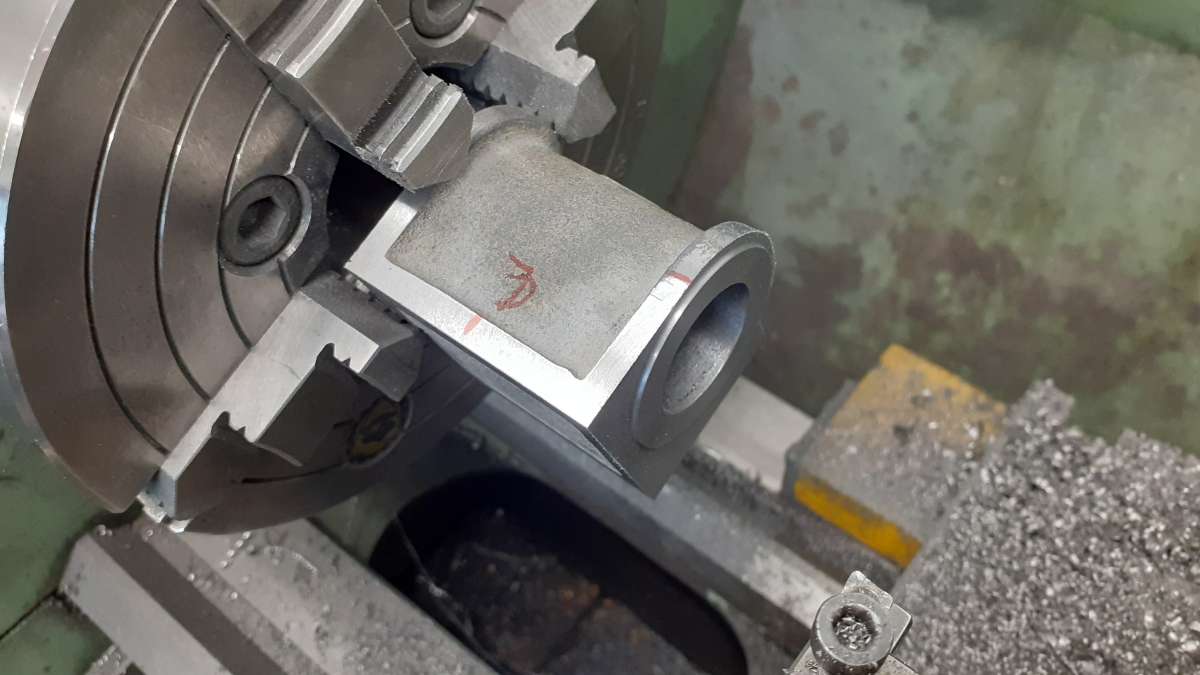
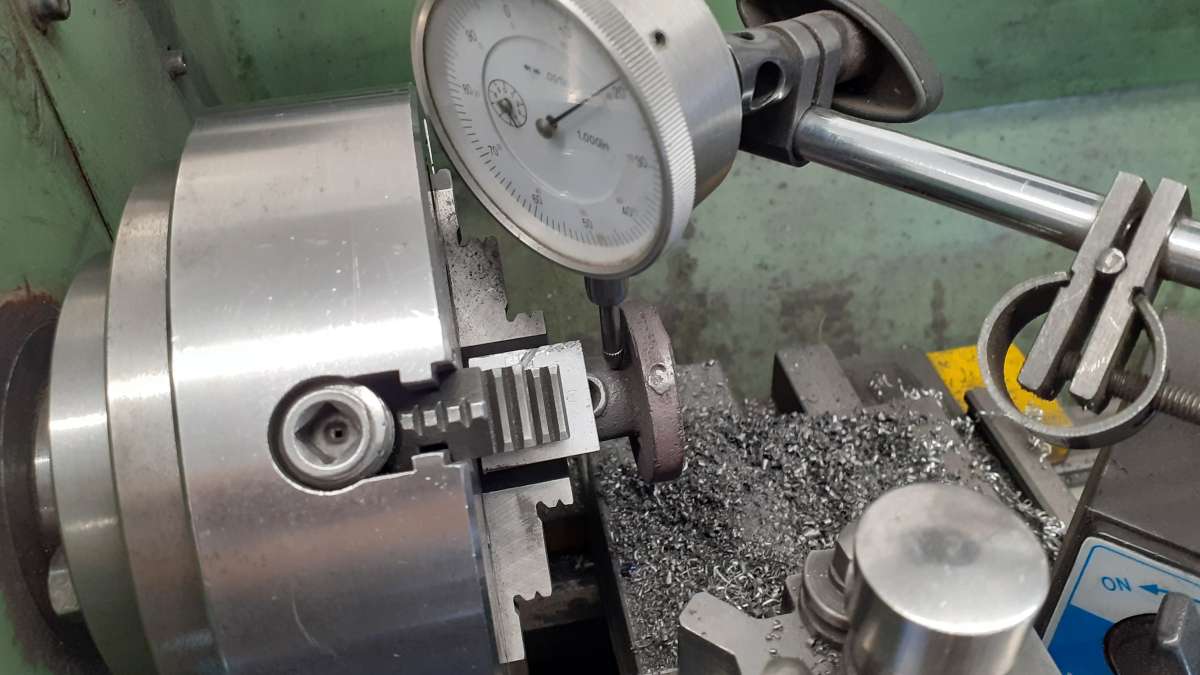
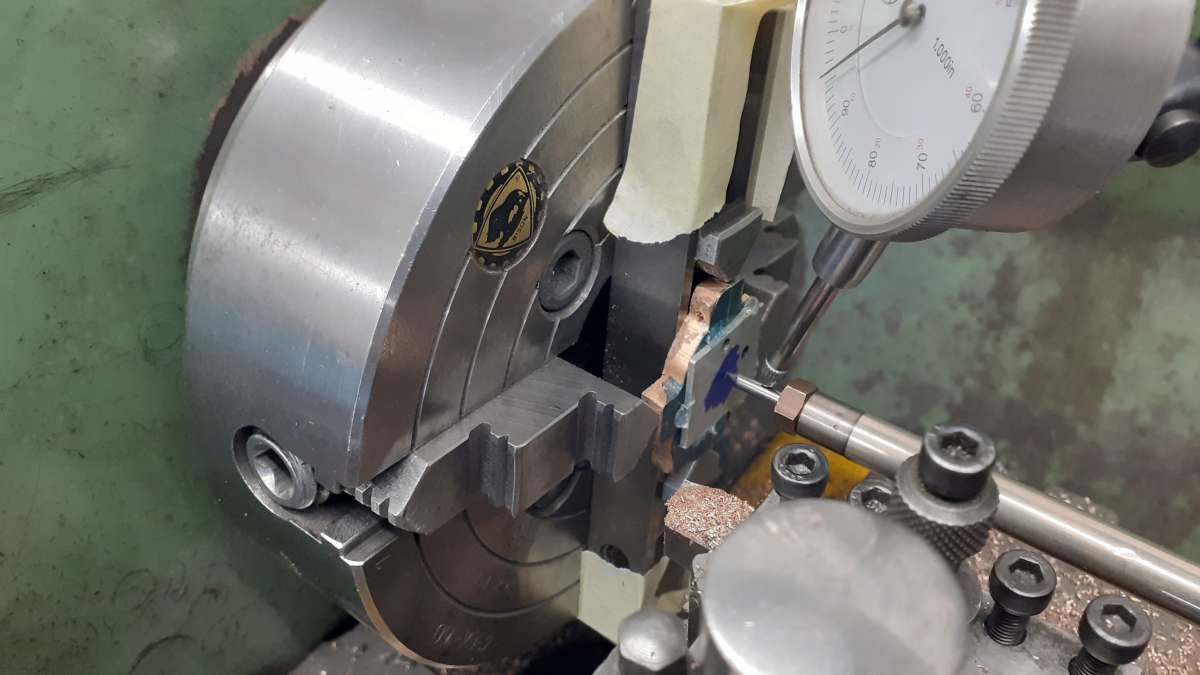
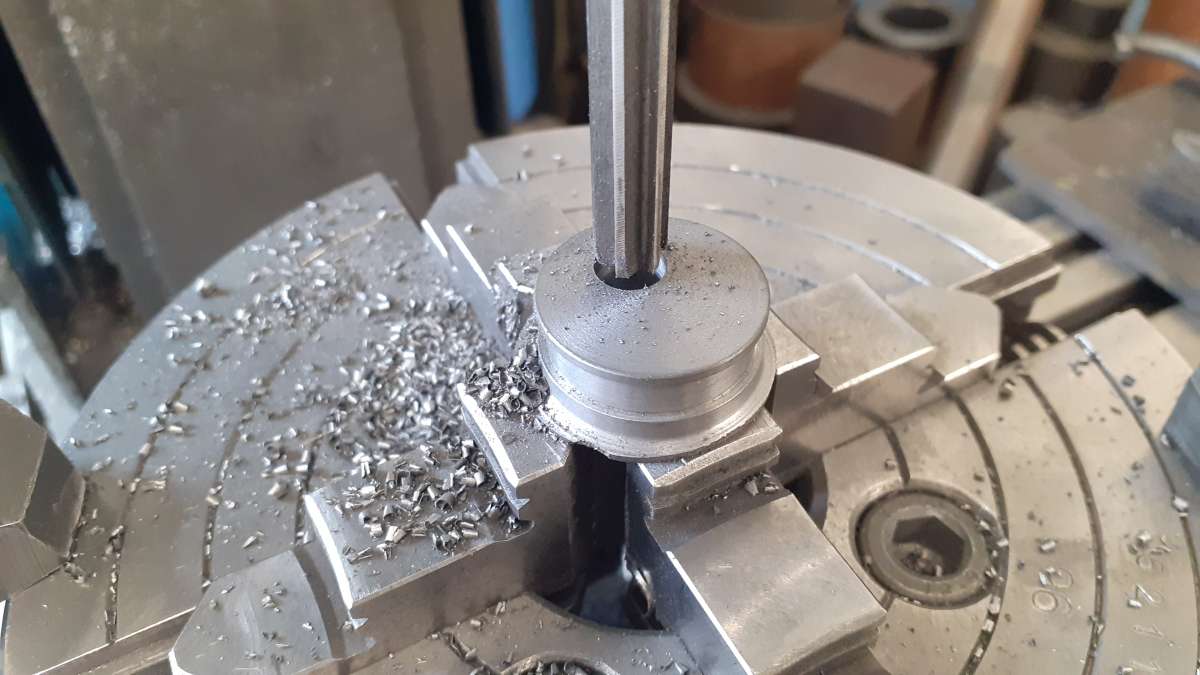
                                  Clocking in the trunk gude with the indicator on the smaller diameter behind the flange

                                  20240620_110907

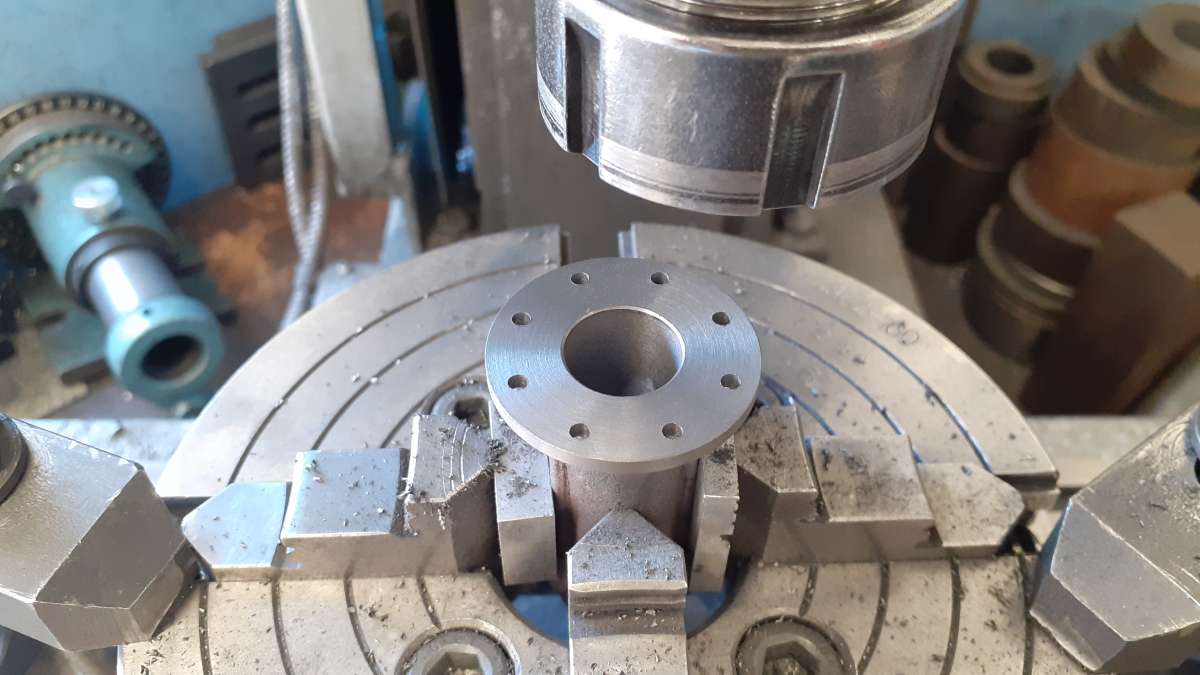
                                  Part left in 4-jaw and moved to the mill for drilling the holes

                                  20240620_144000

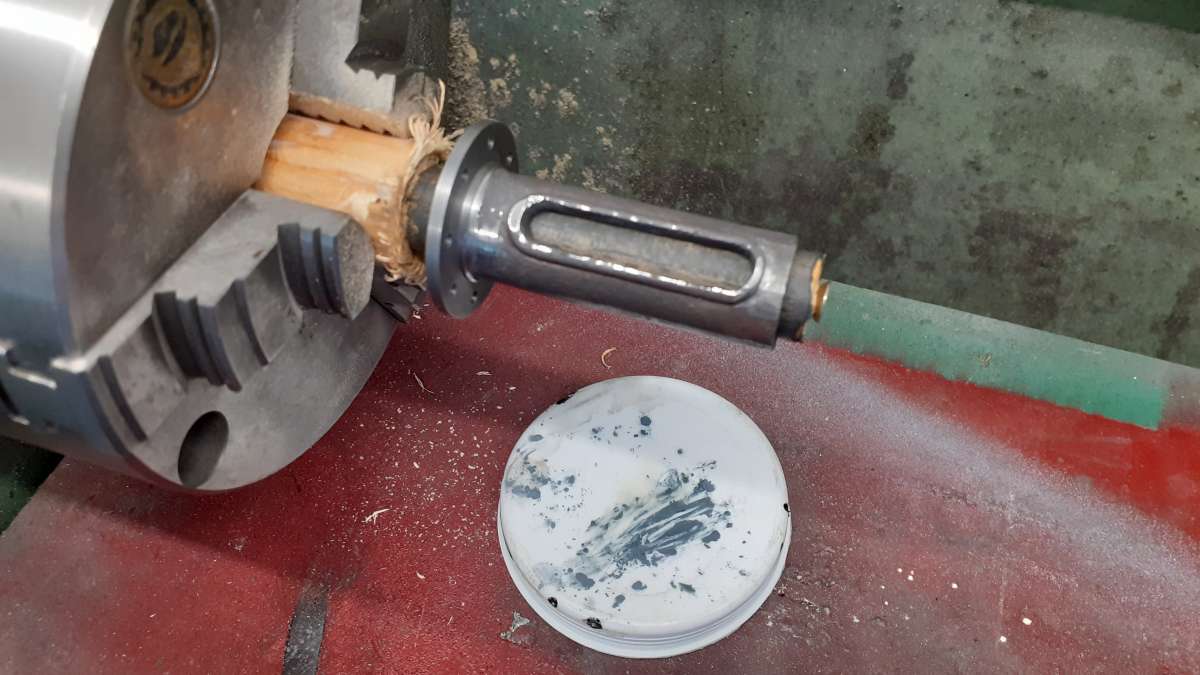
                                  Lap made from a simple wooden dowel coated on 600g silicon carbide powder and oil

                                  20240621_105427

                                  Turning back cover spigot to fit trunkguide

                                  20240621_112017

                                  Test fitting

                                  20240621_112027

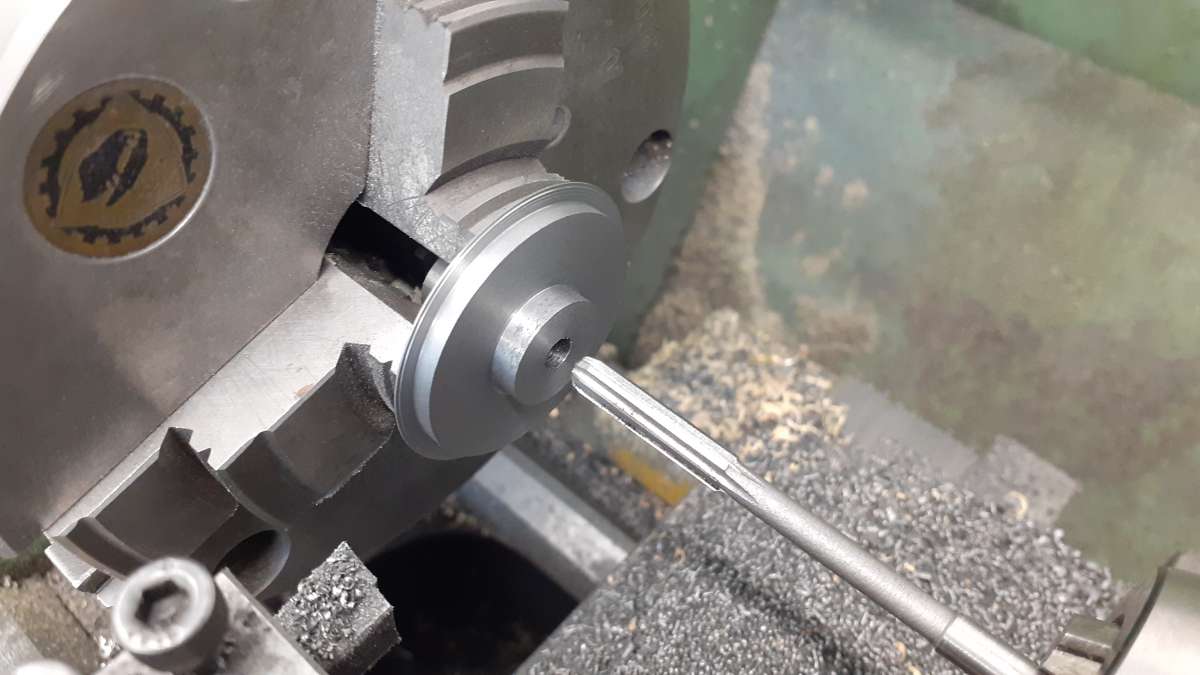
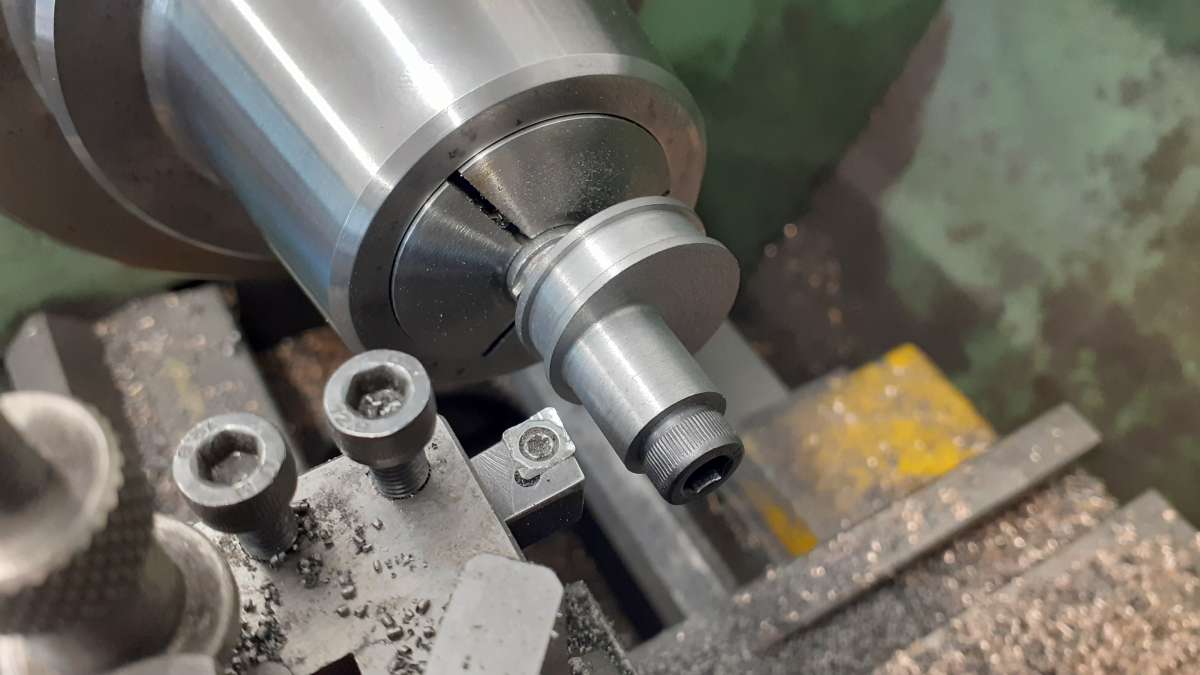
                                  Reming piston rod hoel ofter spotting and pilot drilling

                                  20240621_112729

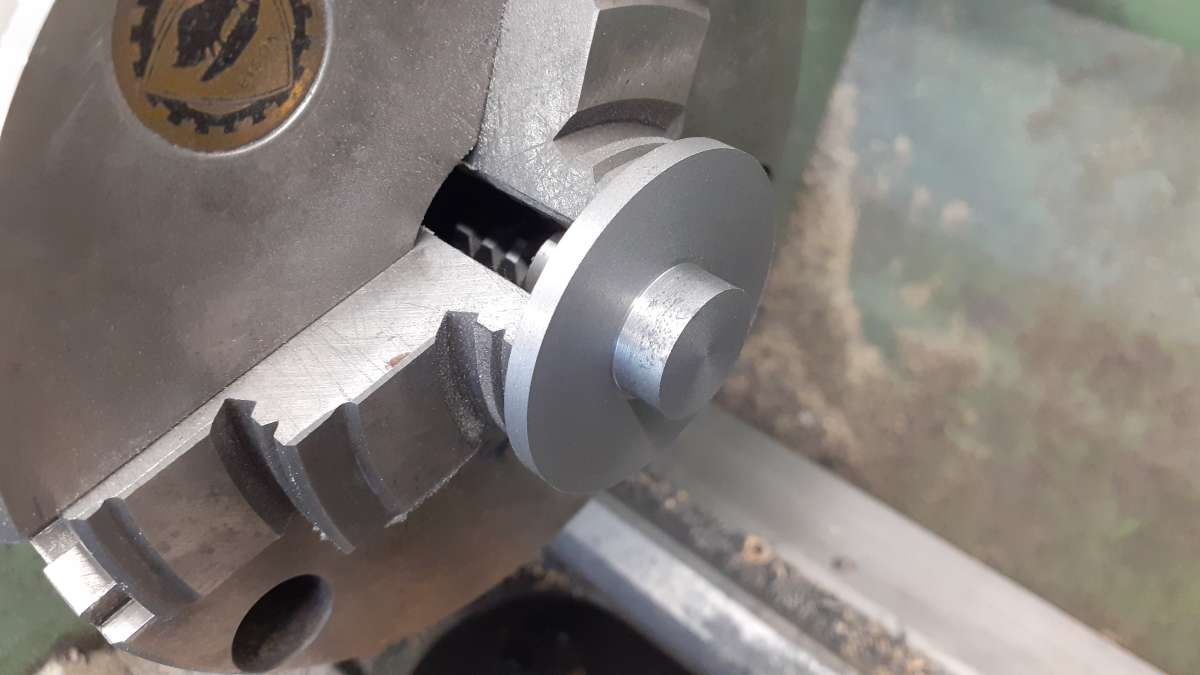
                                  Front cover spigot being turned using softjaws to hold thin work without wobble

                                  20240621_115253


                                  #849161
                                  JasonB
                                  Moderator
                                    @jasonb

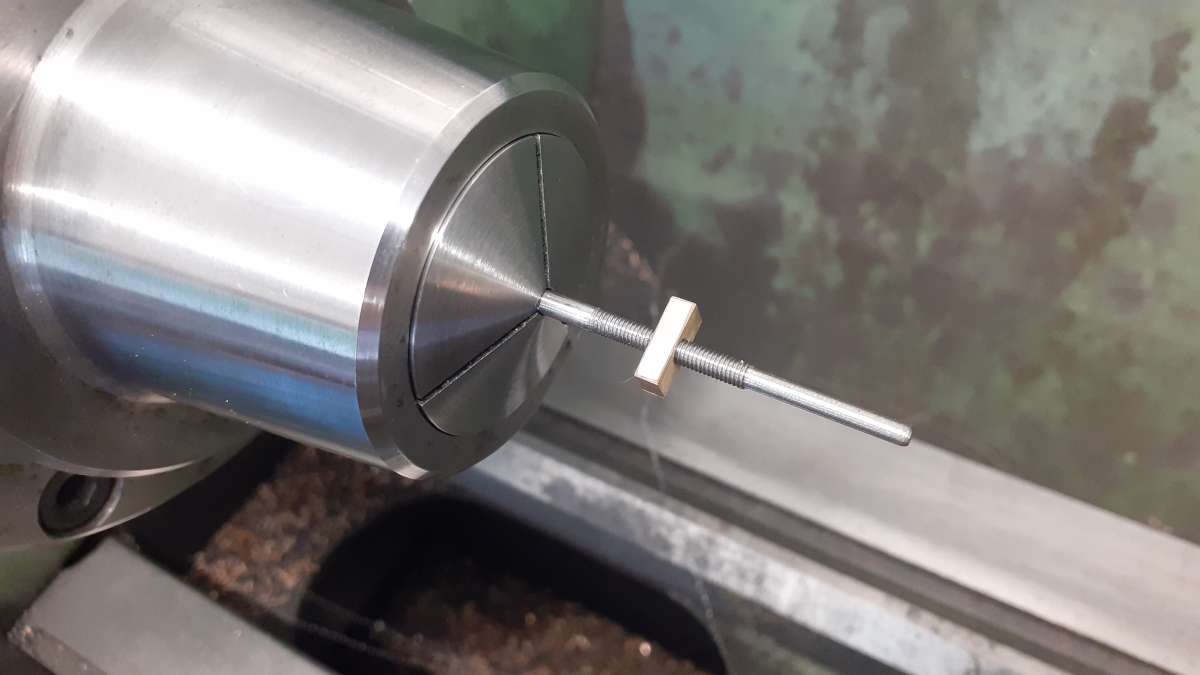
                                    testing the nut on the valve rod thread

                                    20240627_092745

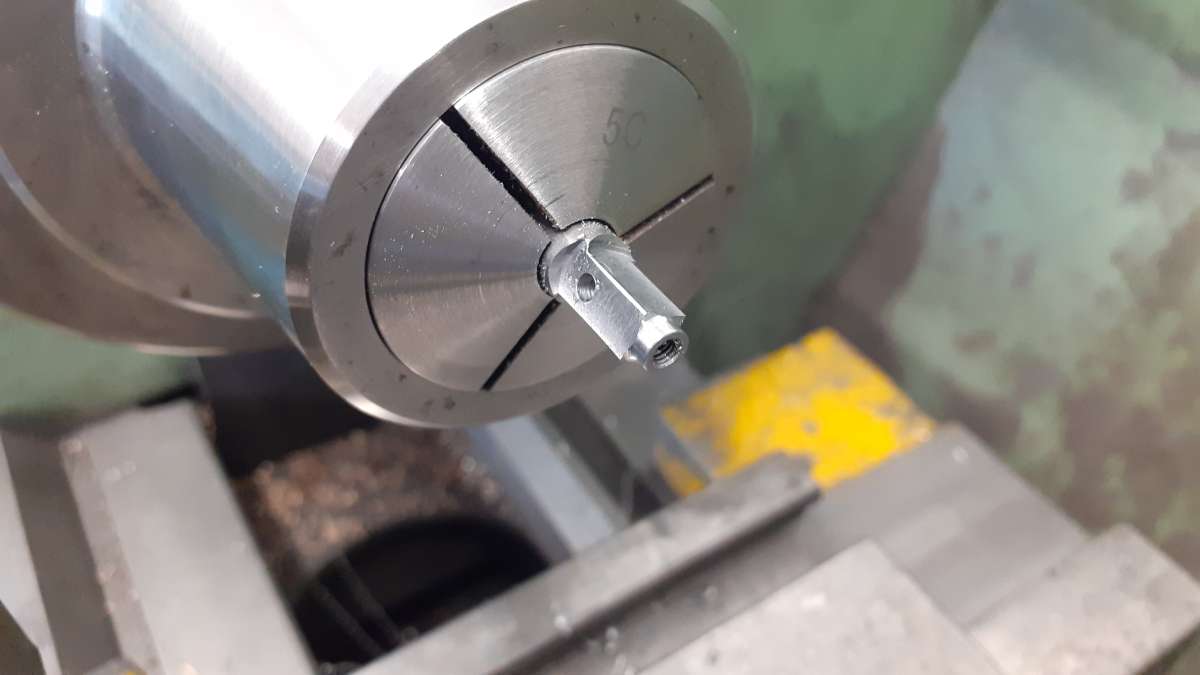
                                    Turning the end of the clevis and threading.

                                    20240627_103546

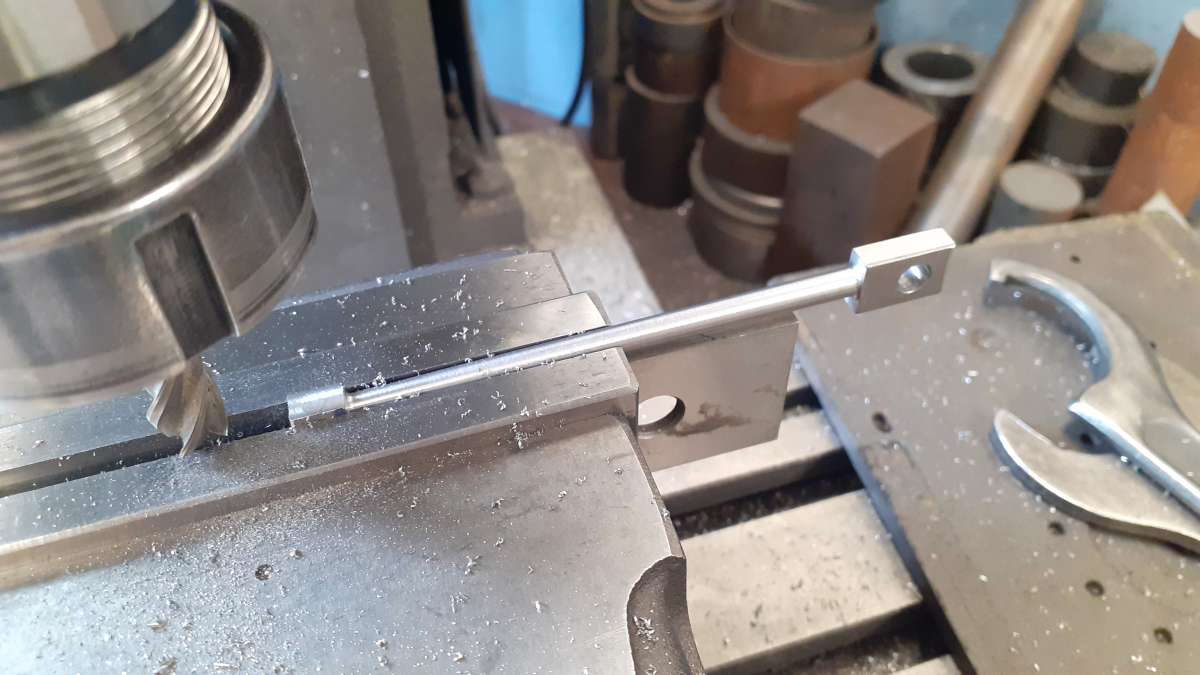
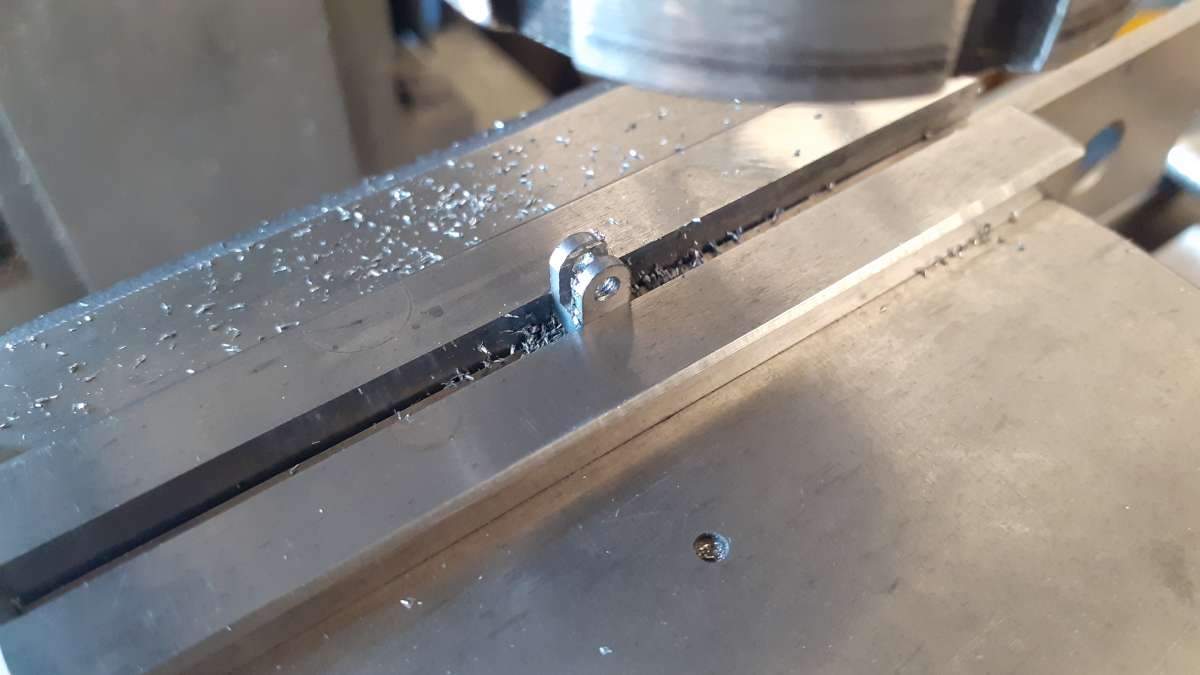
                                    Milling the slot in the clevis

                                    20240627_111129

                                    Completed valve parts

                                    20240627_111413

                                    Making a start on the rectangular end sof the conrod

                                    20240705_141532

                                    Milling to width after turning

                                    20240706_135538

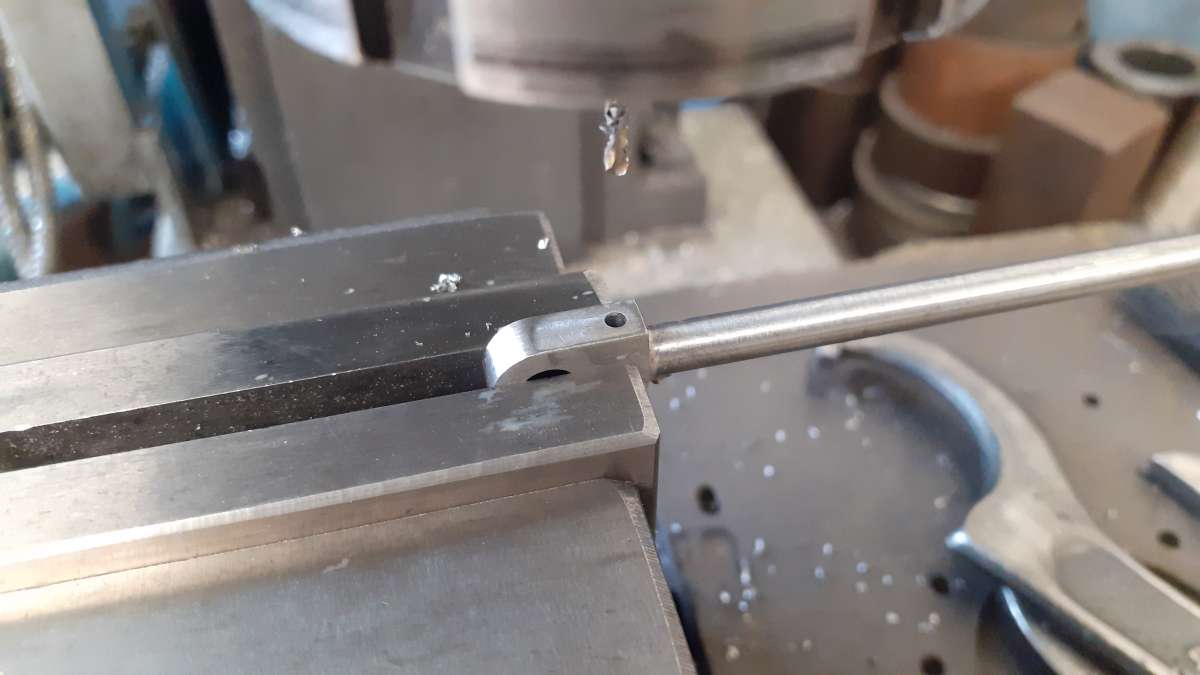
                                    Adding the dummy bolt hole

                                    20240706_141952

                                    Test fitting the bearing in it’s hole

                                    20240706_143115

                                    Working on the crankpin

                                    20240706_145507


                                    #849258
                                    Neil Wyatt
                                    Moderator
                                      @neilwyatt

                                      This is a great idea for articles that would otherwise be too photo heavy.

                                      I think that compound version is great too. I love the tiles as well.

                                      Neil

                                      #849267
                                      John Purdy
                                      Participant
                                        @johnpurdy78347

                                        Neil

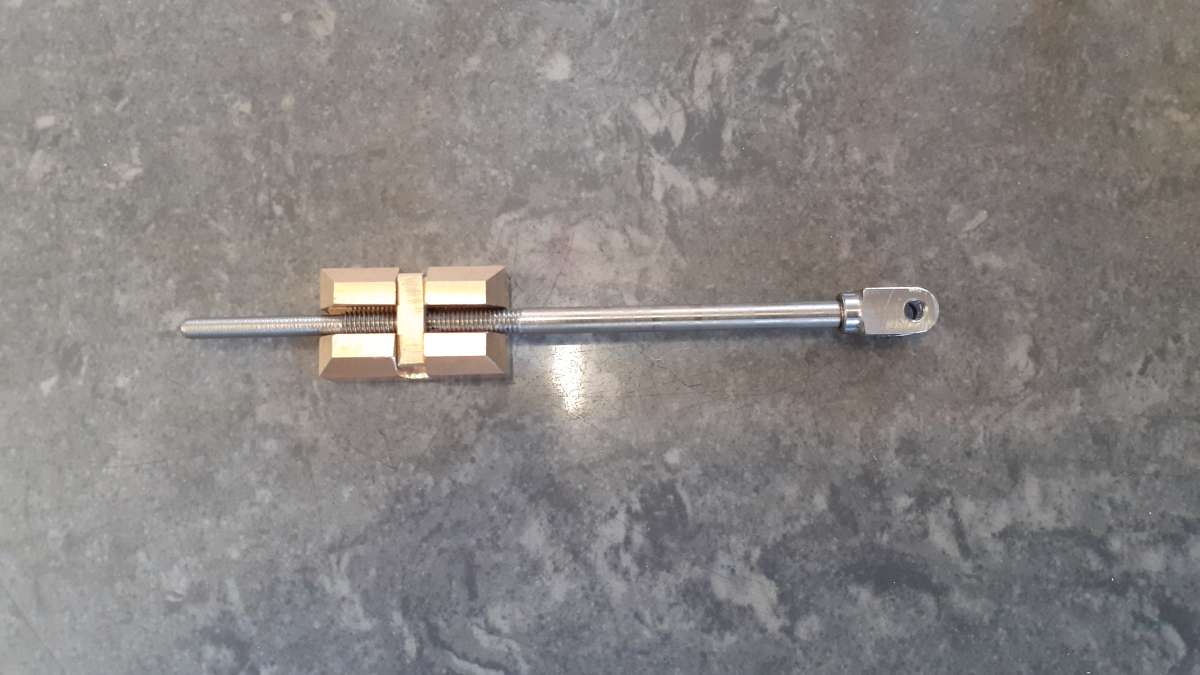
                                        Thanks. The tiles were made by gluing some gray “Arborite” ( left over from the top of my lathe stand/cabinet) to the top of the base and, before the edging was applied, clamping it to the milling table. The grooves were cut with an old 60 degree engraving cutter, about 40 thou deep if I remember. The grooves were then liberally filled with white “Elmer”s” wood filler. After drying the excess was removed by wiping across the grooves with a damp cloth, being careful not to remove too much in the grooves in the process (a few did require some touch up!).  The whole was then given a couple of coats of clear satin lacquer to protect the filler which is quite soft and water soluble.

                                        John

                                        #849280
                                        JasonB
                                        Moderator
                                          @jasonb
                                          On Neil Wyatt Said:

                                          This is a great idea for articles that would otherwise be too photo heavy.

                                          I think that compound version is great too. I love the tiles as well.

                                          Neil

                                          Worth encouraging other authors to do the same. I’ve been doing it for several years right since my first build article in ME

                                          Anyway on with the additional images, this time related to the eccentric parts.

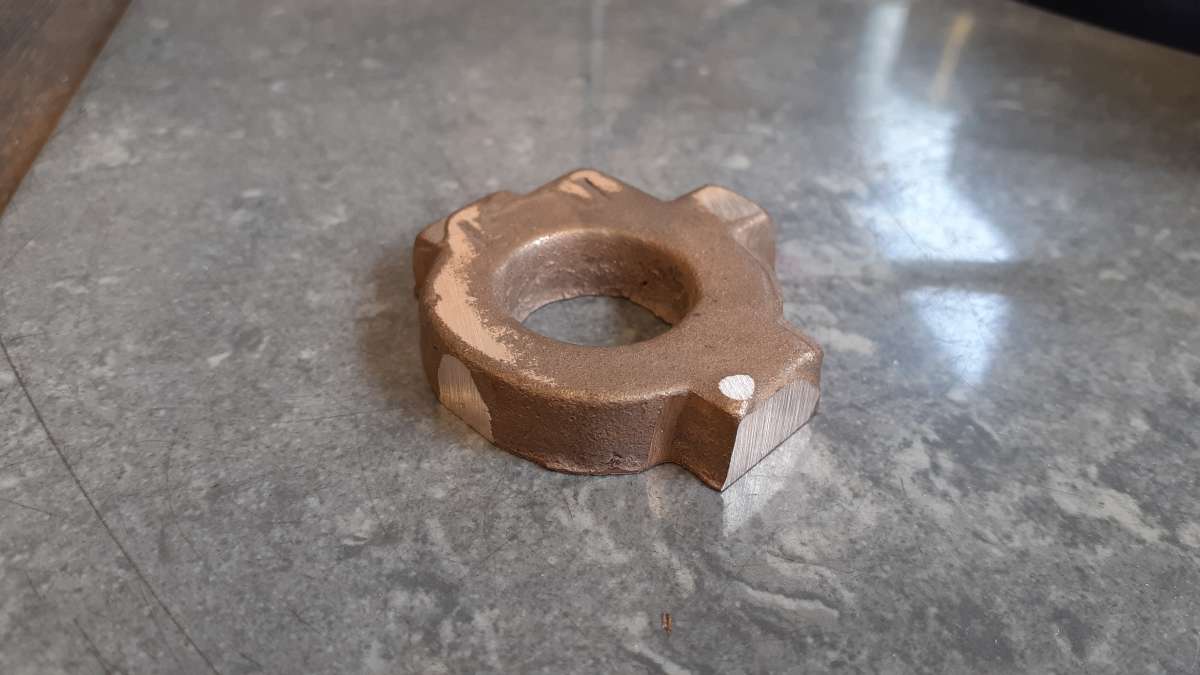
                                          The raw casting.

                                          20240629_133417

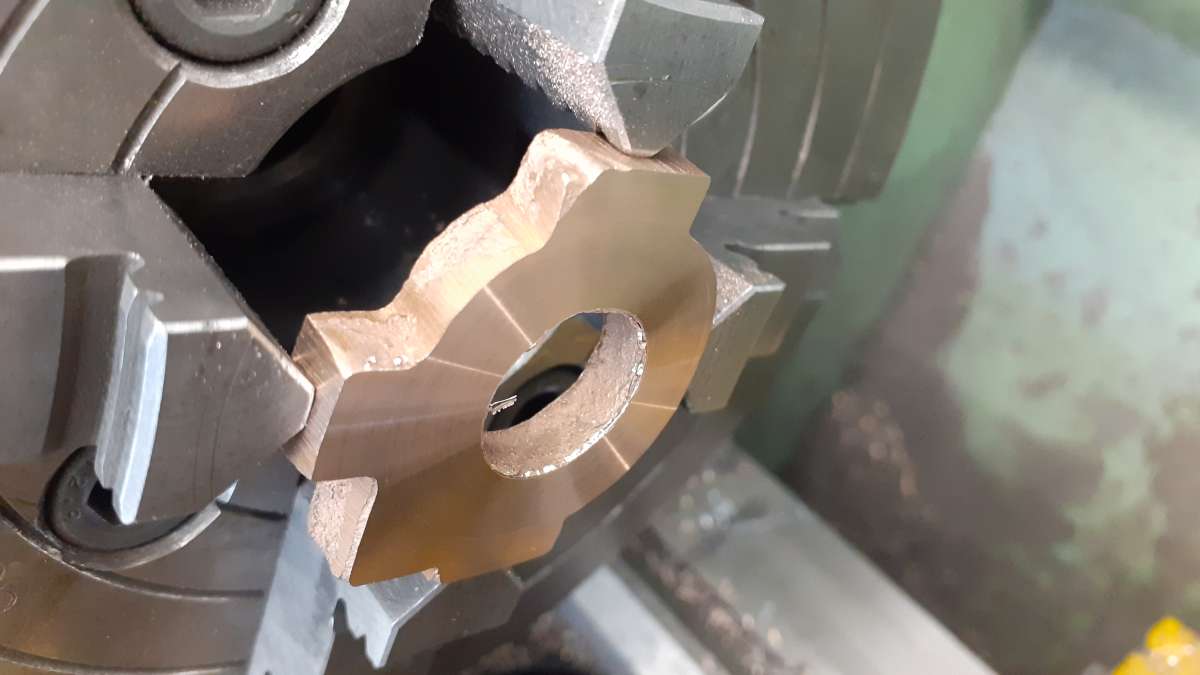
                                          Cleaning up the first side before reversing in the chuck to do the other side

                                          20240629_135000

                                          Setting the scribed line parallel to the vice jaws

                                          20240629_141649

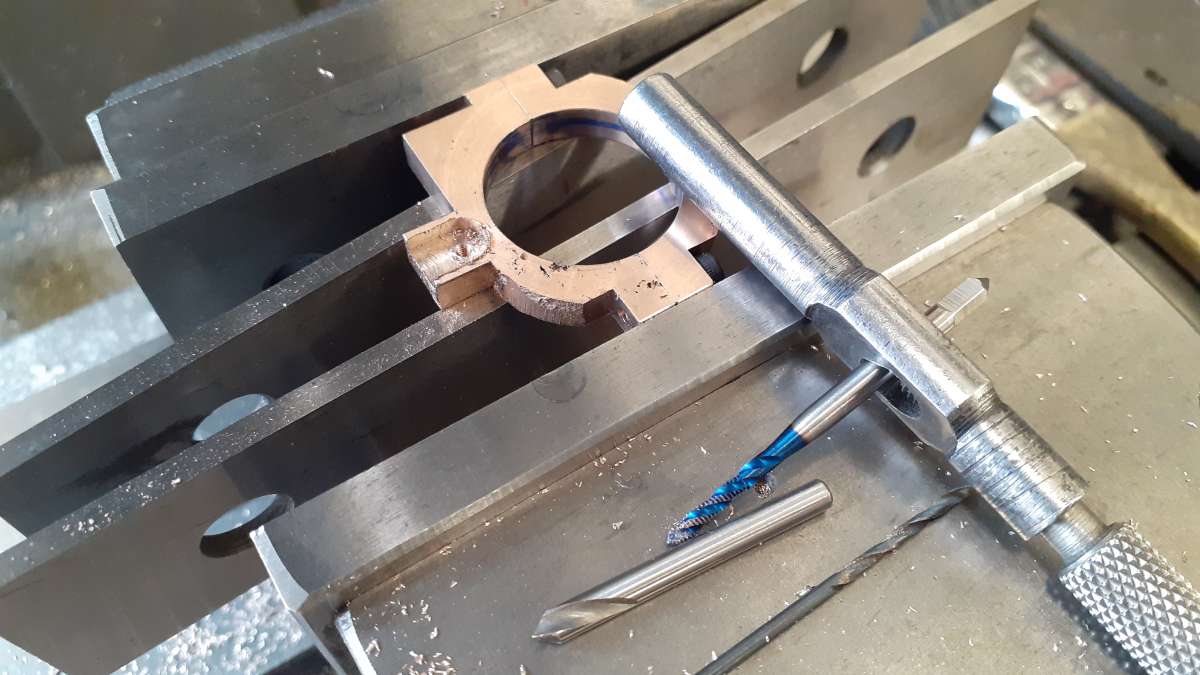
                                          Spot drill, tapping drill right through, clearance drill part way and thread

                                          20240629_143829

                                          Sawing in half

                                          20240629_144558

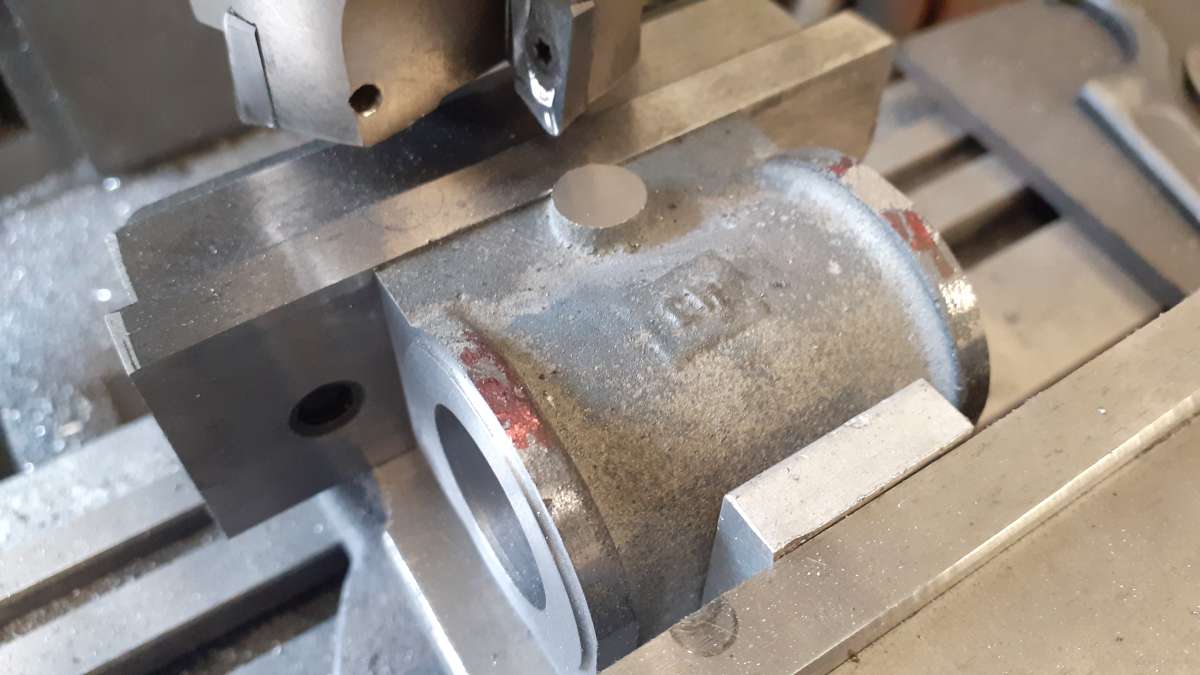
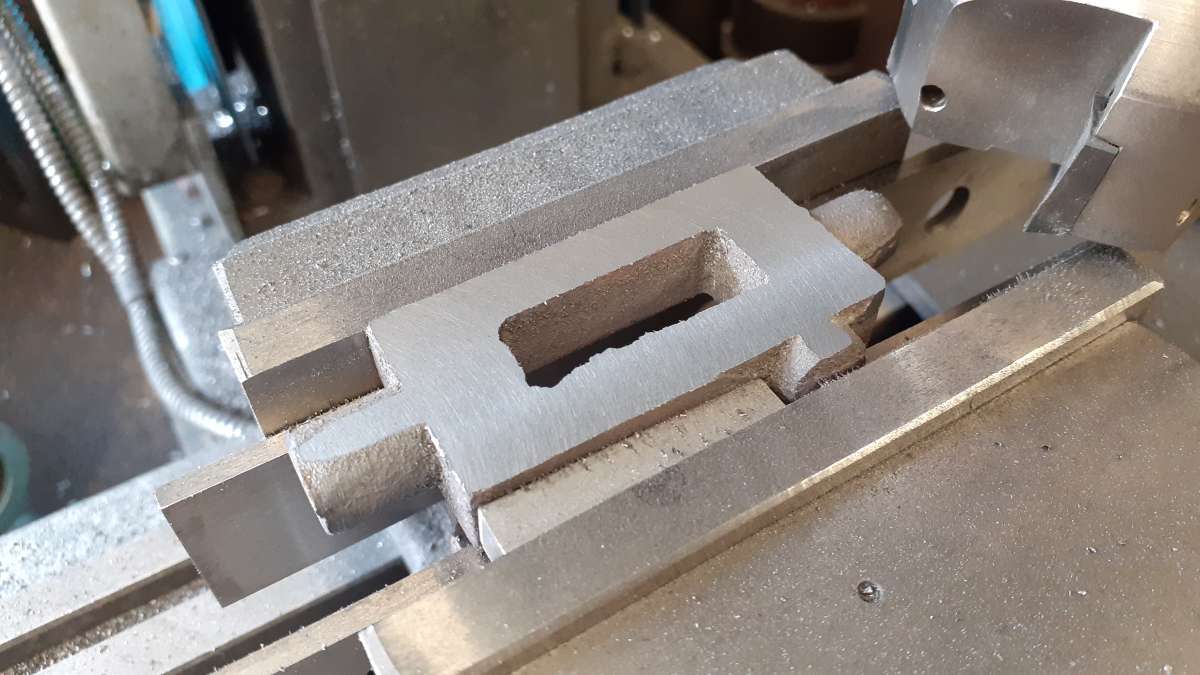
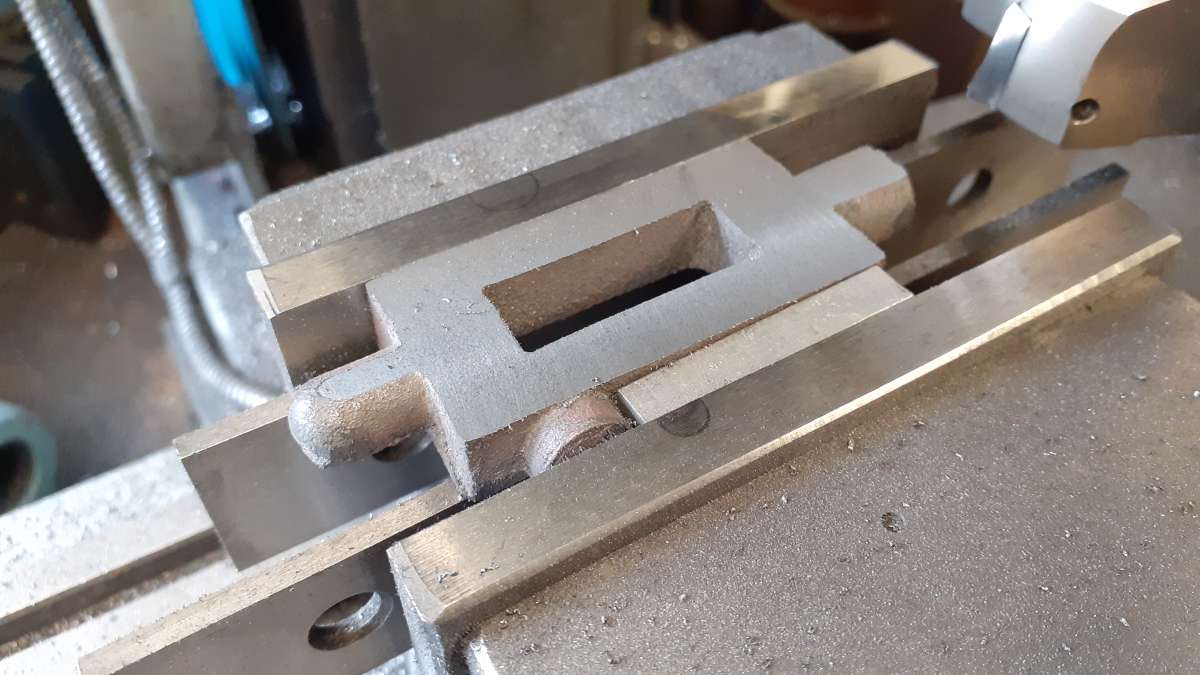
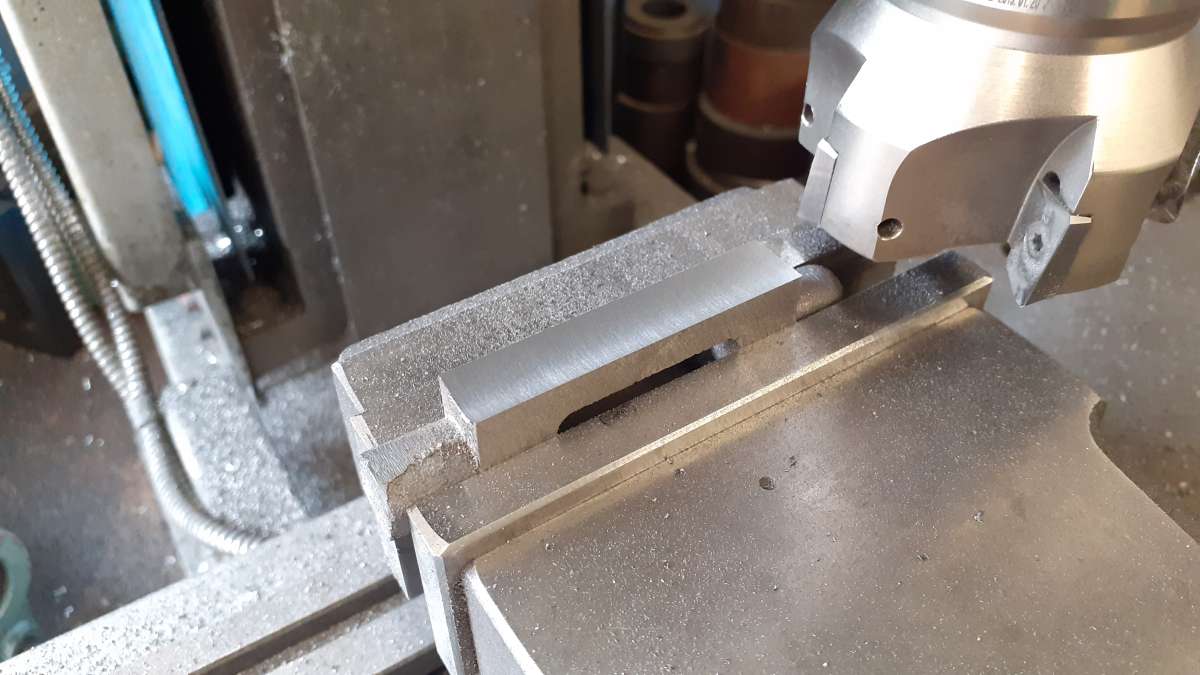
                                          Cleaning up sawn edges

                                          20240629_145038

                                          Clocking the dubby ctr location to run true. Masking tape to stop parallels falling out a schuck is rotated by hand. REMOVE parallels before machining.

                                          20240630_084457

                                          Making a start on machining the outside

                                          20240630_092831

                                          Pocket for the rod

                                          20240702_141156

                                          #849283
                                          JasonB
                                          Moderator
                                            @jasonb

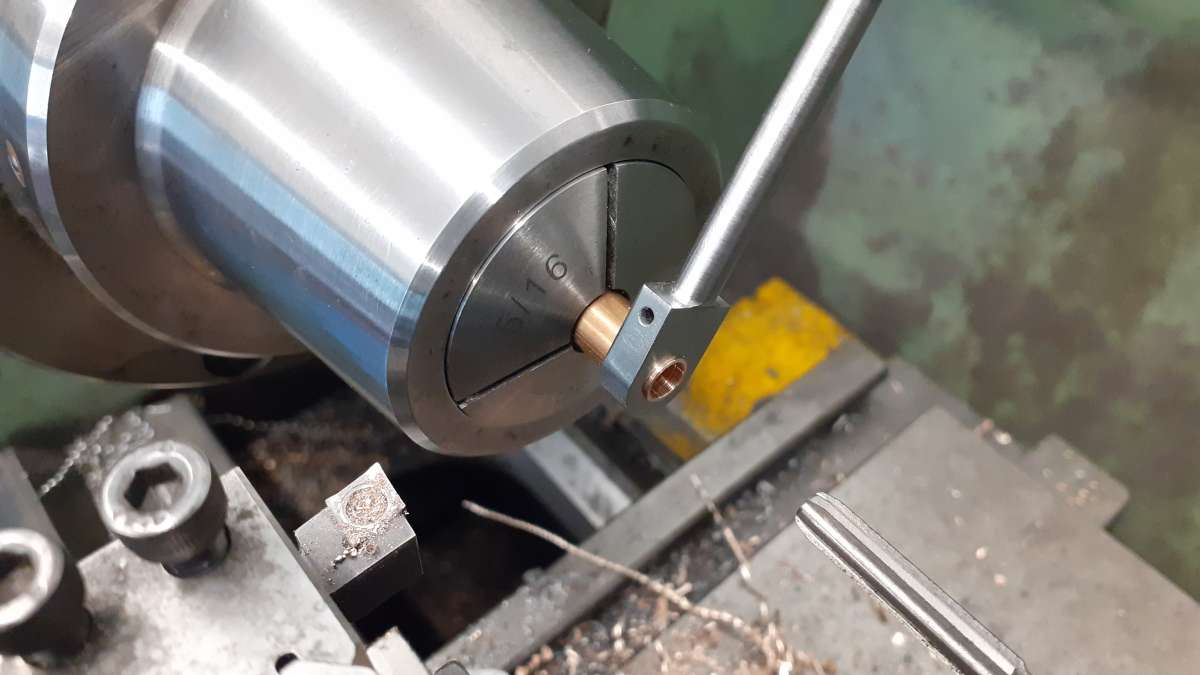
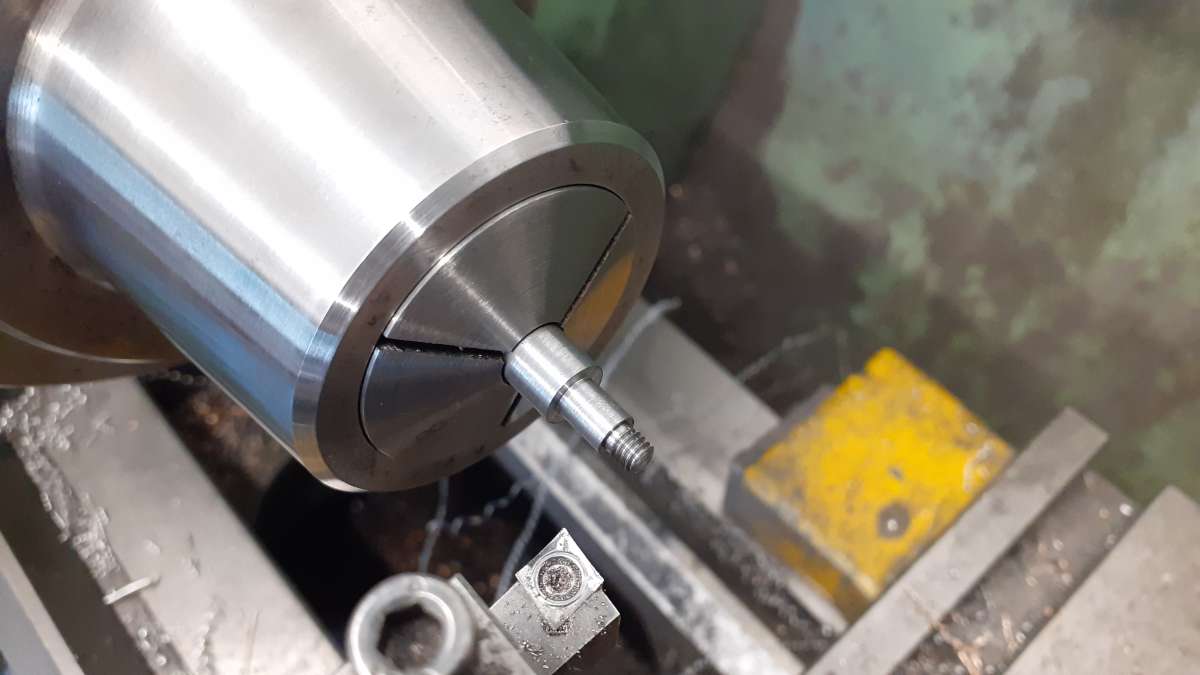
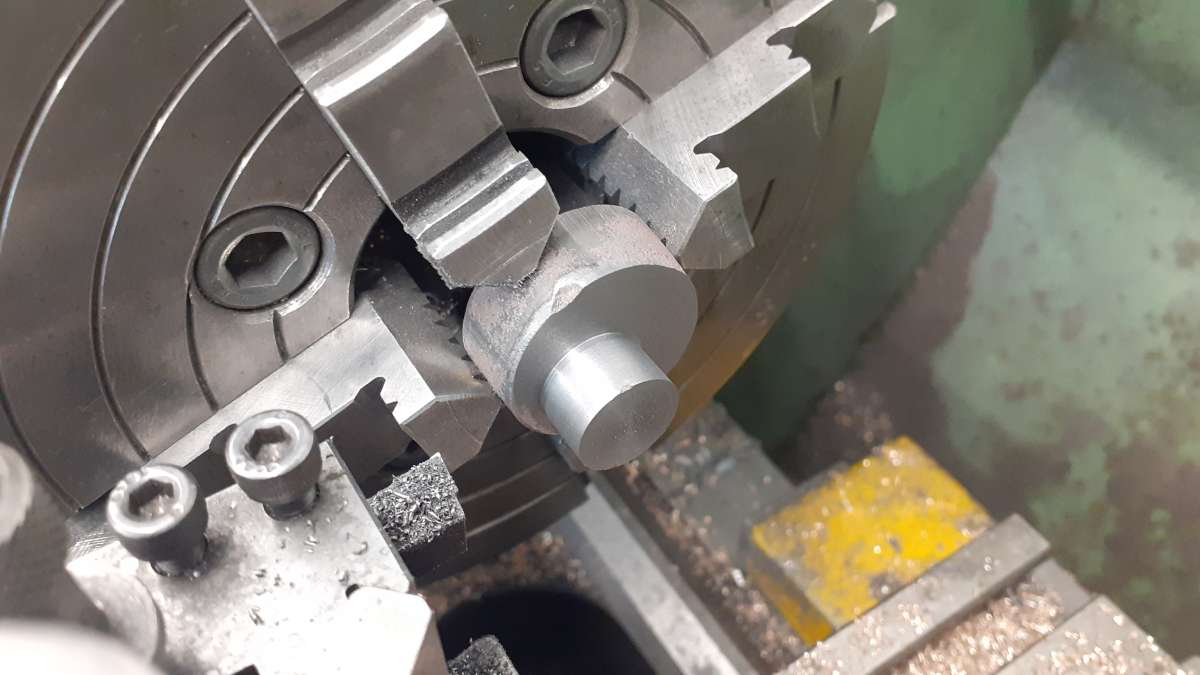
                                            Cleaning up the eccentric’s spigot

                                            20240630_110726

                                            Now with something decent to hold the eccentric can be turned

                                            20240630_113724

                                            Transfer chuck to the mill, locat ctr and then offset by the throw, spot – drill – ream

                                            20240630_115631

                                            Hold on arbor to finish the spigot and back face of the eccentric

                                            20240630_122137

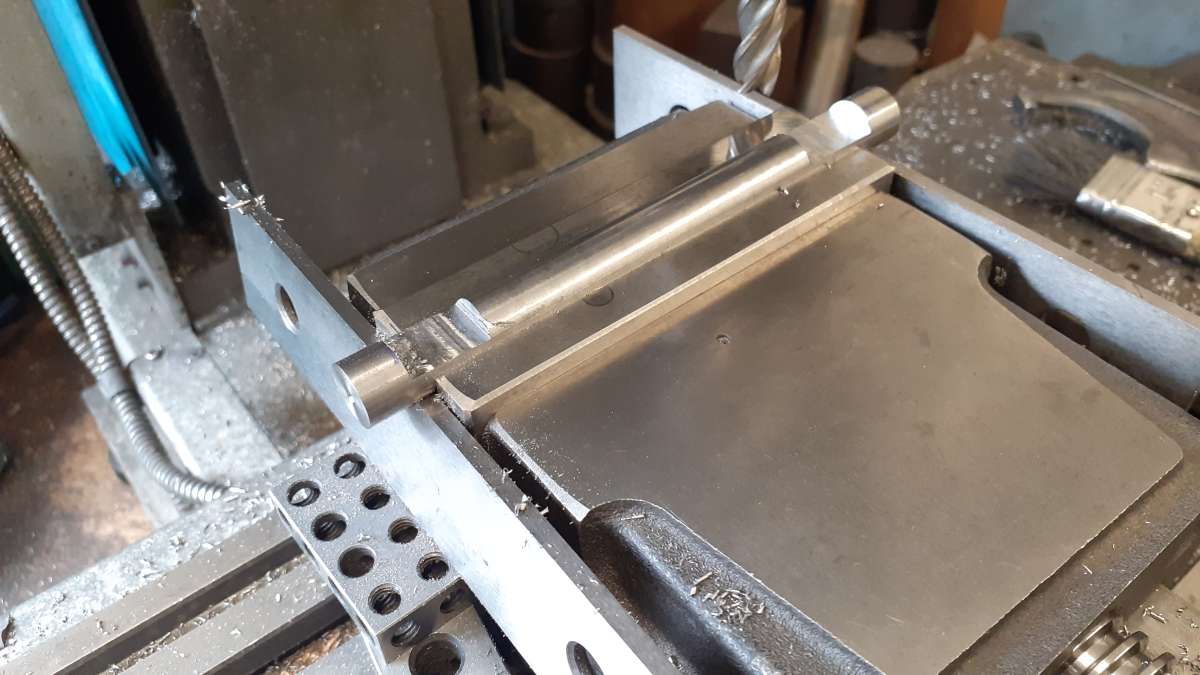
                                            Drilling the holes in the end of the rod

                                            20240703_135140

                                            Drill bit sin hole sto support rod at required angle

                                            20240703_140734


                                            #852570
                                            raysofio
                                            Participant
                                              @raysofio

                                              Part 1 of the article has just arrived in Australia. I am a raw beginner and have never heard of an edge finder. From the photo above it seems as though you touch the red marks with a tool of known diameter and then calculate the datum position from the handwheel scale positions – is that correct?

                                              Ray Sofio

                                              #852585
                                              JasonB
                                              Moderator
                                                @jasonb

                                                There are many ways to find an edge and many tools that can be used to do so.

                                                20240612_140716

                                                In the photo I am using an electronic edge finder which lights up when the end of 0.200″ diameter touches the metal and completes the circuit making it light up. Not quite clear but I am touching the vertical sid  sof the casting with the edge of the cylindrical end of the finder.

                                                By touching on one side and noting th ehandwheel reading (or zeroing a DRO) and then touching the opposite side to get a second reading. You can then half that distance to determine where the centre is.

                                                You can also locate an edge but touching against that, zero teh handwheels and then you know the ctr of th espindle is half the diameter away from the edge .

                                                Other edge finders kick off to one side when the spindle is half their diameter from the edge. Or you can just use a piece of metal of known diameter such as the shank of a cutting tool. Bring that upto the edge until it just grips a piece of thin Rizzla (cigarette) paper.

                                                If you have a look through this thread of mine you can see I used several methods of locating edges.

                                                Building the V-Twin “Kelsey”

                                                Any further questions just ask away.

                                              Viewing 22 posts - 1 through 22 (of 22 total)
                                              • Please log in to reply to this topic. Registering is free and easy using the links on the menu at the top of this page.

                                              Latest Replies

                                              Home Forums Stationary engines Topics

                                              Viewing 25 topics - 1 through 25 (of 25 total)
                                              Viewing 25 topics - 1 through 25 (of 25 total)

                                              View full reply list.