Recommendation for cast iron casting repairers…

Recommendation for cast iron casting repairers…

Home Forums Help and Assistance! (Offered or Wanted) Recommendation for cast iron casting repairers…

Viewing 25 posts - 26 through 50 (of 68 total)
  • Author
    Posts
  • #829725
    martin haysom
    Participant
      @martinhaysom48469

      sorry Robert gluing it back together won’t work. me i would weld it, would’t be 100%. but should last long enough to allow using  the mill to make a new part

      #829728
      Robert Atkinson 2
      Participant
        @robertatkinson2
        On martin haysom Said:

        sorry Robert gluing it back together won’t work. me i would weld it, would’t be 100%. but should last long enough to allow using  the mill to make a new part

        My suggestion was primarily based on steel plates on the outside of the webs. The adhesive is to hold it toether during the repair and some additional support. Epoxy still has about 20% of the tensile strength of cast iron so will contribute some strength. The repair can also be done with basic hand tools.

        Robert.

        #829732
        Colin Heseltine
        Participant
          @colinheseltine48622

          I can certainly recommend Slinden.  A good friend of mine had a 1930’s Bentley cylinder head very comprehensibly welded up by them.  Its an interesting workshop to visit.

          Colin

          #829767
          noel shelley
          Participant
            @noelshelley55608

            The porosity of cast iron means the likelyhood of PROPER degreasing is remote – this rules out adhesive methods unless your going to go to much trouble. Jasons idea and others of a fabricated part is the only way  to go or glue the part- make up to allow for shrinkage- and recast using the original as a pattern, followed by machining. Depending on the need for HIGH accuracy welding with high nickel rods after slow preheat and extended cooling should work but the quality of the cast iron will dictate the chances of success. Will injury result if the part fails ?  Noel.

            #830011
            Pete.
            Participant
              @pete-2

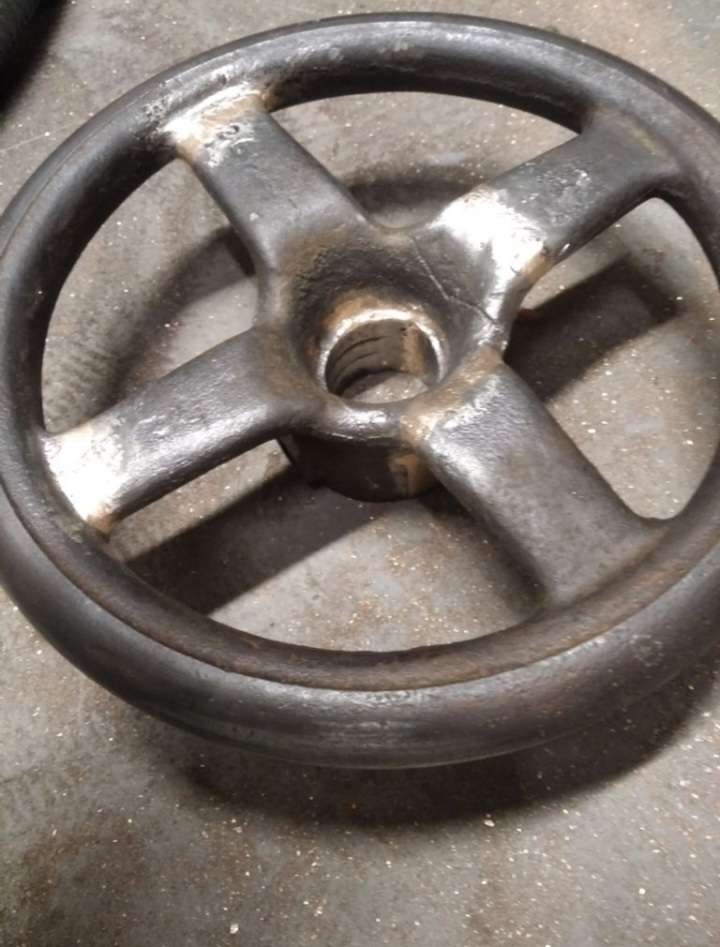
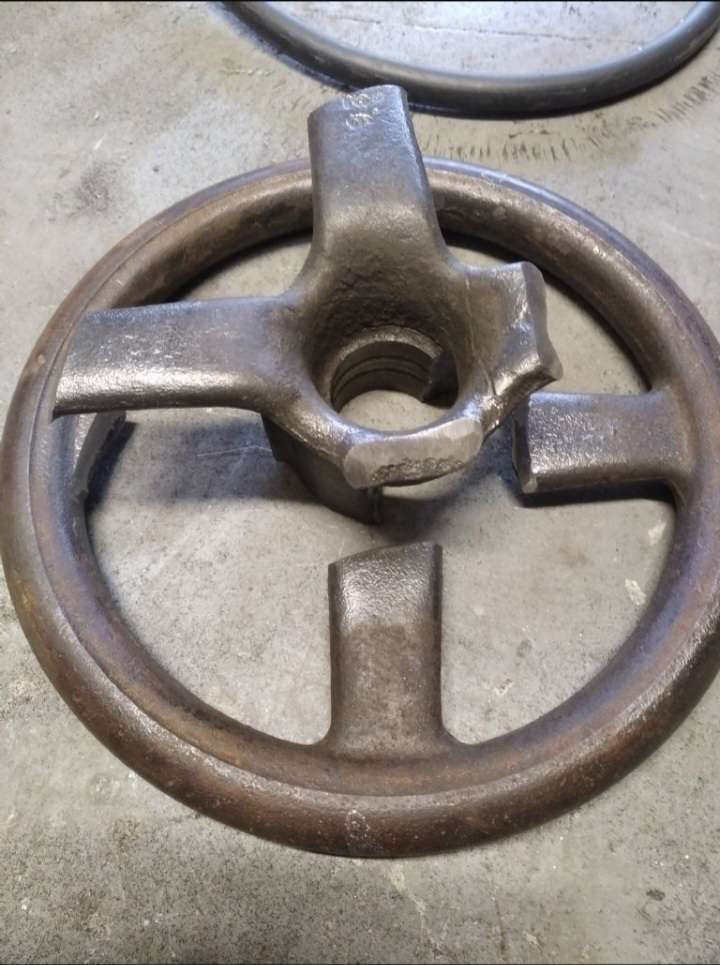
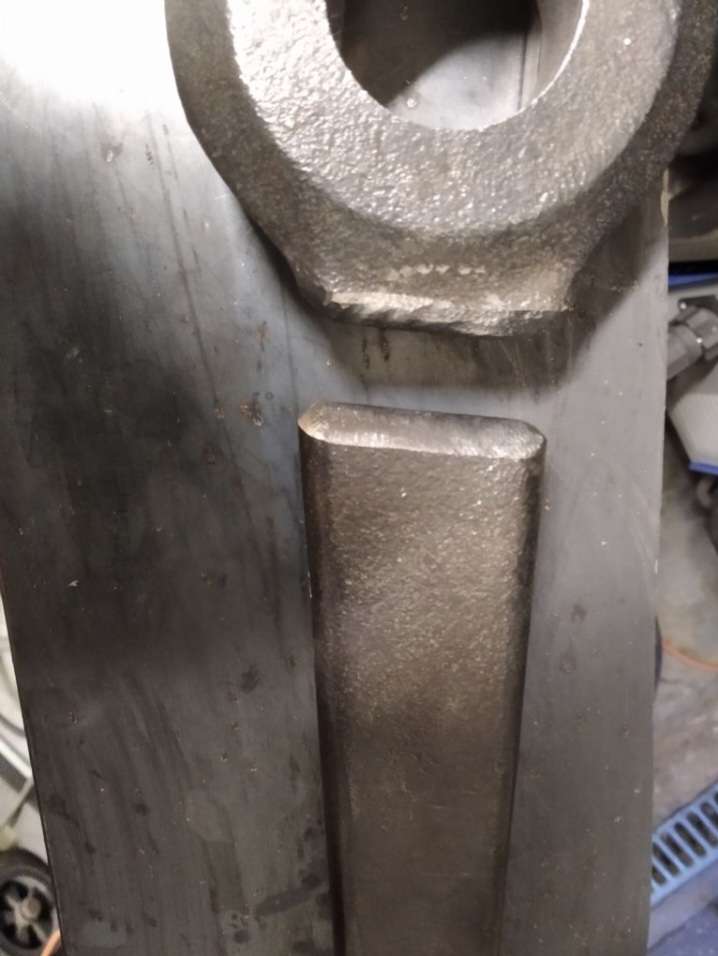
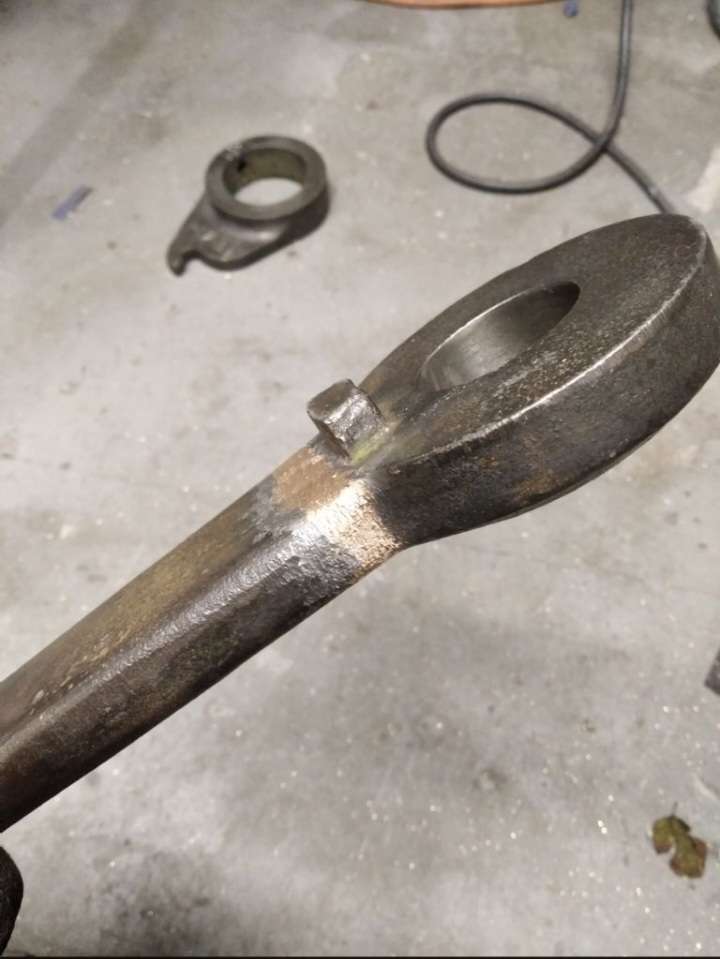
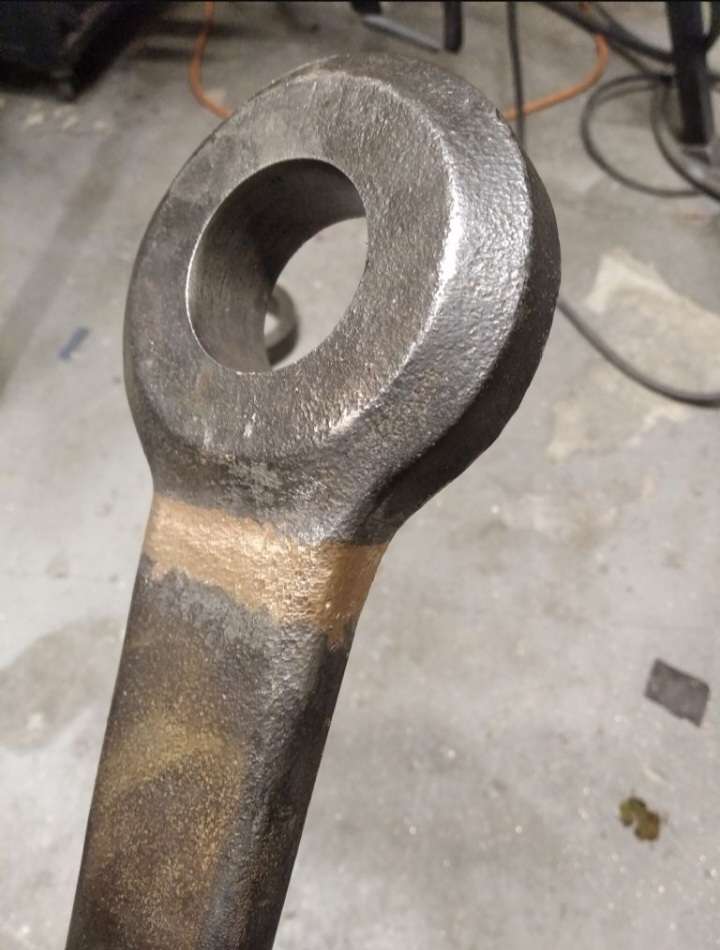
              Just Mig bronze braze it, a small roll of bronze wire if I remember rightly was about £30, you’d probably repair that for about a fivers worth of wire.

              No preheating required,  no cracking from welding, quicker, cheaper than fabricating a new part, a few parts I repaired a while back below.

              Screenshot_20251226_020419_Samsung InternetScreenshot_20251226_020412_Samsung InternetScreenshot_20251226_020536_Samsung InternetScreenshot_20251226_020547_Samsung InternetScreenshot_20251226_020552_Samsung Internet


              #830016
              renardiere7
              Participant
                @renardiere7

                You would need to get straight Argon if you want to MIG braze but it is a good option.

                #830062
                Fulmen
                Participant
                  @fulmen

                  Very nice work there Pete. Didn’t even know you could get bronze mig wire, learn something new every day.

                  #830083
                  Will Grimmett
                  Participant
                    @willgrimmett82869

                    You might try The Engineers Emporium they have welded a vintage lorry casting for a friend they do not advertise the service but i understand the boss enjoys the challenge they get a few mentions on  WW1 Thornycroft restoration forum, hope this helps

                    #830192
                    jps1982
                    Participant
                      @jps1982

                      Thanks everyone for the suggestions and recommendations. The work on that wheel looks very reassuring as to what is possible!

                      #830221
                      Robert Atkinson 2
                      Participant
                        @robertatkinson2

                        The handwheel is much thinner and lighter than the bracket. I wonder much penetration you will get with a MIG welder on the bracket.

                        Robert.

                        #830223
                        JasonB
                        Moderator
                          @jasonb
                          On Robert Atkinson 2 Said:

                          The handwheel is much thinner and lighter than the bracket. I wonder much penetration you will get with a MIG welder on the bracket.

                          Robert.

                          As deep as you are prepared to grind the weld (braze) prep, go deep enough and you will get 100%. Just the same as welding you lay a root weld and then subsequent beads of weld over that until the Vee you ground if completely filled.

                          #830292
                          Robert Atkinson 2
                          Participant
                            @robertatkinson2

                            That’s not penetration it’s build up.

                            Robert.

                            #830295
                            JasonB
                            Moderator
                              @jasonb

                              Have a read of this about using multipass welds where a single pass won’t penetrate deep enough. Also better for materials that may be affected by high heat buildup from a large single pass.

                              Multipass Welding: Techniques, Number of Passes & Benefits

                              #830303
                              Pete.
                              Participant
                                @pete-2
                                On Robert Atkinson 2 Said:

                                The handwheel is much thinner and lighter than the bracket. I wonder much penetration you will get with a MIG welder on the bracket.

                                Robert.

                                You don’t get any penetration, it’s brazing not welding,  you V out one side leaving the original cracks the other side so it fits together like a puzzle piece then tack it all together.

                                If you’re happy with the fit carve out a V groove along other side then fill both sides in, the braze material then potentially goes to 100% depth although it’s not always necessary.

                                #830311
                                Nicholas Farr
                                Participant
                                  @nicholasfarr14254

                                  Hi. Pete is correct, brazing is not welding. In welding, both the parent metal and the filler metal reach the molten state and fuse together. When brazing anything that contains iron, the iron part doesn’t melt, and the brazing material just adheres to the parent metal, in much the same way as solder adheres to most metals.

                                  Regards Nick.

                                  #830341
                                  noel shelley
                                  Participant
                                    @noelshelley55608

                                    In brazing or soldering one hopes to produce a 3 layer area where there is the parent metal, a band of alloy of the 2 metals and then the filler material. If the parent metal is hot enough and the filler molten then with luck this will take place. Cleanliness is important and the right flux is needed.   Noel.

                                    #830343
                                    Robert Atkinson 2
                                    Participant
                                      @robertatkinson2
                                      On Pete. Said:
                                      On Robert Atkinson 2 Said:

                                      The handwheel is much thinner and lighter than the bracket. I wonder much penetration you will get with a MIG welder on the bracket.

                                      Robert.

                                      You don’t get any penetration, it’s brazing not welding,  you V out one side leaving the original cracks the other side so it fits together like a puzzle piece then tack it all together.

                                      If you’re happy with the fit carve out a V groove along other side then fill both sides in, the braze material then potentially goes to 100% depth although it’s not always necessary.

                                      You do get penetration with brazing. It is by capilary action. The depth in this case depends on how quickly the base metal cools the liquid braze.
                                      What you are describing is buliding up, not brazing. That may be acceptable in CI repairs as silicon bronze is as strong as the CI.

                                      Noel has correctly described brazing. Welding is where two similar metals are melted and fused together and does not have to include any added material e.g. spot welding friction welding. Solderin or brazing always includes the addition of metal. You don’t have to get the base metal to it’s melting point for it to dissove in the braze. If there is no mixing of the metals it’s “hot glue” not brazing.

                                      Robert.

                                      #830392
                                      Pete.
                                      Participant
                                        @pete-2
                                        On Robert Atkinson 2 Said:
                                        On Pete. Said:
                                        On Robert Atkinson 2 Said:

                                        The handwheel is much thinner and lighter than the bracket. I wonder much penetration you will get with a MIG welder on the bracket.

                                        Robert.

                                        You don’t get any penetration, it’s brazing not welding,  you V out one side leaving the original cracks the other side so it fits together like a puzzle piece then tack it all together.

                                        If you’re happy with the fit carve out a V groove along other side then fill both sides in, the braze material then potentially goes to 100% depth although it’s not always necessary.

                                        You do get penetration with brazing. It is by capilary action. The depth in this case depends on how quickly the base metal cools the liquid braze.
                                        What you are describing is buliding up, not brazing. That may be acceptable in CI repairs as silicon bronze is as strong as the CI.

                                        Noel has correctly described brazing. Welding is where two similar metals are melted and fused together and does not have to include any added material e.g. spot welding friction welding. Solderin or brazing always includes the addition of metal. You don’t have to get the base metal to it’s melting point for it to dissove in the braze. If there is no mixing of the metals it’s “hot glue” not brazing.

                                        Robert.

                                        So to braze cast iron you’re saying the surface being brazed has to reach the melting point and fuse with filler material?

                                        #830397
                                        Robert Atkinson 2
                                        Participant
                                          @robertatkinson2
                                          On Pete. Said:
                                          On Robert Atkinson 2 Said:
                                          On Pete. Said:
                                          On Robert Atkinson 2 Said:

                                          The handwheel is much thinner and lighter than the bracket. I wonder much penetration you will get with a MIG welder on the bracket.

                                          Robert.

                                          You don’t get any penetration, it’s brazing not welding,  you V out one side leaving the original cracks the other side so it fits together like a puzzle piece then tack it all together.

                                          If you’re happy with the fit carve out a V groove along other side then fill both sides in, the braze material then potentially goes to 100% depth although it’s not always necessary.

                                          You do get penetration with brazing. It is by capilary action. The depth in this case depends on how quickly the base metal cools the liquid braze.
                                          What you are describing is buliding up, not brazing. That may be acceptable in CI repairs as silicon bronze is as strong as the CI.

                                          Noel has correctly described brazing. Welding is where two similar metals are melted and fused together and does not have to include any added material e.g. spot welding friction welding. Solderin or brazing always includes the addition of metal. You don’t have to get the base metal to it’s melting point for it to dissove in the braze. If there is no mixing of the metals it’s “hot glue” not brazing.

                                          Robert.

                                          So to braze cast iron you’re saying the surface being brazed has to reach the melting point and fuse with filler material?

                                          No. Please read my post. I specifically state ” You don’t have to get the base metal to it’s melting point for it to dissove in the braze.”.

                                          Robert.

                                          #830403
                                          Pete.
                                          Participant
                                            @pete-2

                                            <p style=”text-align: left;”>The bronze will go in to the porous surface of cast iron while brazing at a microscopic level,  other than that I’m not sure what your point is.</p>

                                            #830409
                                            Grindstone Cowboy
                                            Participant
                                              @grindstonecowboy

                                              As I understand it, the base metal has to be at (or slightly above) the melting temperature of the brazing rod? Which is below its own melting point, of course, otherwise it’s welding?

                                              Rob

                                              #830410
                                              Robert Atkinson 2
                                              Participant
                                                @robertatkinson2

                                                That is a description of a glued joint.

                                                A soldered (soft, hard or brazed) joint is where the base material is different to the solderand a small amount dissolves in the solder forming a transition of base material, a mixture of base and solder, to solder (and back through a mix to, a possibly different, base metal when two pieces are joined).
                                                Welding is where the base metal is melted and joined to a similar metal with an optional filler of similar metal.

                                                You don’t have to melt a metal to dissolve it in another, molten, metal. An extreme example is gold will dissolve in mercury at room temperature even though it melts at >1000 deg. C.

                                                Robert.

                                                #830415
                                                Pete.
                                                Participant
                                                  @pete-2
                                                  On Grindstone Cowboy Said:

                                                  As I understand it, the base metal has to be at (or slightly above) the melting temperature of the brazing rod? Which is below its own melting point, of course, otherwise it’s welding?

                                                  Rob

                                                  Yes, that’s what I was taught at college when doing gas welding/brazing.

                                                  At a molecular level the cast iron base fuses with the filler material bronze in this case, but it doesn’t penetrate the cast iron base so to speak,  other than entering the porous surface, and this is a discussion for brazing in general,  I have no idea why this pedantic nonsense is even being discussed, the guy just wanted a simple practical solution to his problem.

                                                  #830416
                                                  Nicholas Farr
                                                  Participant
                                                    @nicholasfarr14254
                                                    On Robert Atkinson 2 Said:


                                                    You don’t have to melt a metal to dissolve it in another, molten, metal. An extreme example is gold will dissolve in mercury at room temperature even though it melts at >1000 deg. C.

                                                    Robert.

                                                    Hi, well, I never was taught that during my City & Guilds lectures, nor in my Welding Institute Technician lectures. I was taught brazing works by a wetting process and a flux with the braze metal, which flows into the microscopic pores of the metals that that are being brazed, and no alteration is made to any of the metals during the process. The best thing is to have a roughish surface on each of the metals to be joined, and close fitting between them, of course, cast iron is more or less ready for a rough surface. But what do I know, I’ve only been welding / brazing all my working life.

                                                    Regards Nick.

                                                    #830523
                                                    Robert Atkinson 2
                                                    Participant
                                                      @robertatkinson2

                                                      Unfortunatly a lot of teaching over simplifies things. As I said before there is no difference between your description and adhesive bonding. Additionally most solid metals do not have “pores”.
                                                      Brazing forms an intermetallic bond by either dissolution or diffusion of the base metal into the filler.
                                                      Even soft soldering involves dissolution of copper. Evidence of this is the erosion of copper soldering iron bits.

                                                      Robert.

                                                    Viewing 25 posts - 26 through 50 (of 68 total)
                                                    • Please log in to reply to this topic. Registering is free and easy using the links on the menu at the top of this page.

                                                    Latest Replies

                                                    Viewing 25 topics - 1 through 25 (of 25 total)
                                                    Viewing 25 topics - 1 through 25 (of 25 total)

                                                    View full reply list.