

What Did You Do Today (2017)
What Did You Do Today (2017)
- This topic has 2,517 replies, 250 voices, and was last updated 1 January 2018 at 04:05 by
 Another JohnS.
 Another JohnS.
 roy entwistle
 richardandtracy
 Ady1
Ady1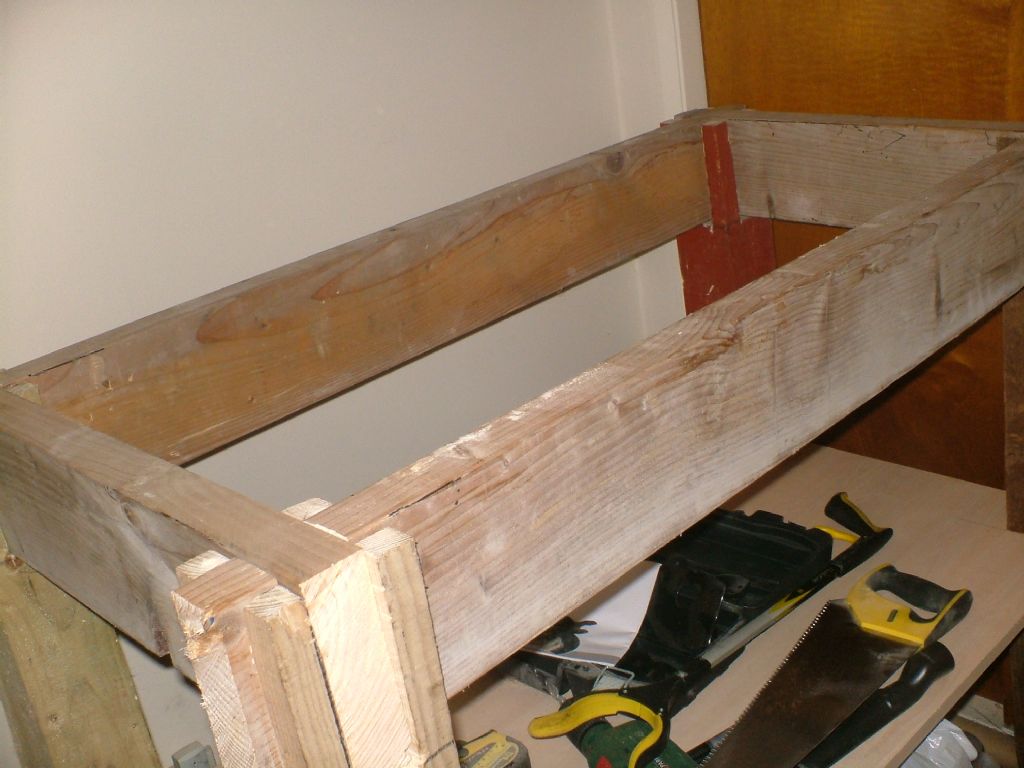
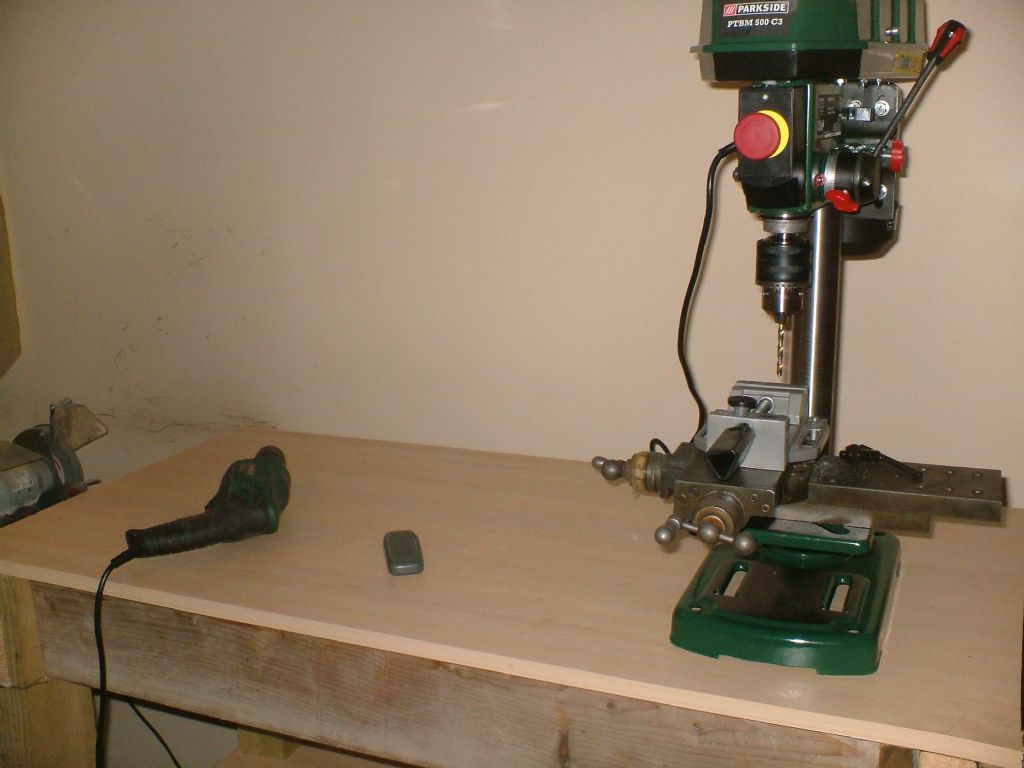
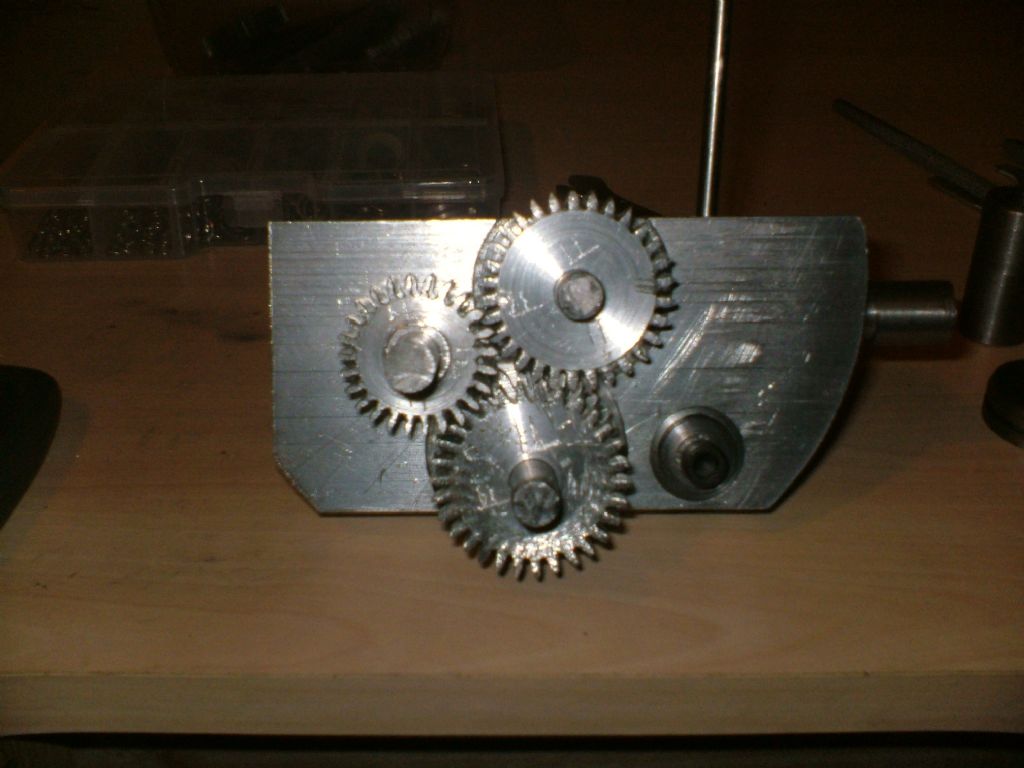
 Russell Eberhardt
 Martin Kyte
 Robbo
Robbo Mike
Mike Bob Rodgerson
 Speedy Builder5
 duncan webster 1
 larry Phelan
 Muzzer
 . You probably can't see but the fryers on either side of where he is standing are up to temperature at 150C and 180C (!!). The smooth, greasy surface he is standing on is not designed to take 100kg of lard and…. Oh god, I give up.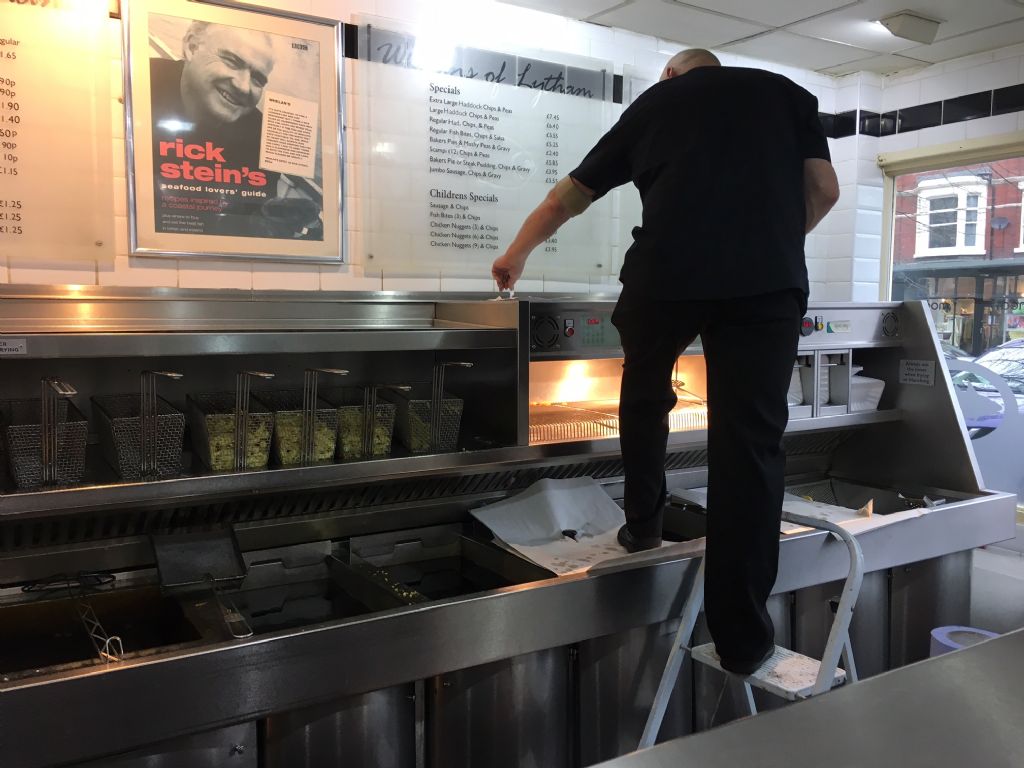
 Michael Gilligan
 Anonymous
 Neil Wyatt
 Paul Lousick
 Clive Hartland
 Adrian Giles
- Please log in to reply to this topic. Registering is free and easy using the links on the menu at the top of this page.
Latest Replies
-
- Topic
- Voices
- Last Post
-
-
Does anyone have any info about these vices
Started by:
bjcolyer
in: Introduce Yourself – New members start here!
- 10
-
15 October 2026 at 15:04
Nicholas Farr
-
Angled d-bit / machinist reamer?
Started by:
Fulmen
in: Workshop Tools and Tooling
- 11
-
15 October 2026 at 15:00
jaCK Hobson
-
Model Engineering Website
Started by:
Geoff Rogers
in: General Questions
- 4
-
15 October 2026 at 14:24
JasonB
-
Parkside Electronics
Started by:
Clive Steer
in: General Questions
- 8
-
15 October 2026 at 13:13
shayodon
-
Picomite Version 7 – better than Arduino?
Started by:
IanT
in: Electronics in the Workshop
- 8
-
15 October 2026 at 12:42
Mick Bailey
-
CAST IRON JOINING
Started by:
ian Holdsworth
in: Beginners questions
- 7
-
15 October 2026 at 12:29
Nicholas Farr
-
Model Engineer Magazine Collection
Started by:
mfengine1
in: Books
- 11
-
15 October 2026 at 12:13
bcaddle62
-
John Haining 2″ Ruston
Started by:
Pixel_Porpoise
in: Help and Assistance! (Offered or Wanted)
- 2
-
15 October 2026 at 11:32
Pixel_Porpoise
-
Scroll Saw Blades for Steel
1
2
Started by:
James A
in: Workshop Tools and Tooling
- 15
-
15 October 2026 at 10:32
larry phelan 1
-
Searching for roller chain with pitch 2.5 mm
Started by:
Werner Habbel
in: Hints And Tips for model engineers
- 4
-
15 October 2026 at 10:16
Werner Habbel
-
Model Engineering Website
Started by:
Neil A
in: The Tea Room
- 1
-
15 October 2026 at 10:03
Neil A
-
Lathe arriving – source some practice materials
1
2
Started by:
starjump
in: Beginners questions
- 17
-
15 October 2026 at 09:48
starjump
-
Greenbat 3 ton battery loco
Started by:
Pippin
in: Work In Progress and completed items
- 2
-
15 October 2026 at 08:52
Pippin
-
Lathe turning tool nomenclature
Started by:
JA
in: Workshop Tools and Tooling
- 9
-
14 October 2026 at 22:11
Fulmen
-
Printed circuit boards
Started by:
duncan webster 1
in: Electronics in the Workshop
- 7
-
14 October 2026 at 21:33
duncan webster 1
-
What Are the Most Practical Ways to Make Manufacturing More Sustainable?
Started by:
andrew998
in: Workshop Techniques
- 6
-
14 October 2026 at 16:41
ega
-
Home workshop site down?
Started by:
Andrew Tinsley
in: General Questions
- 4
-
14 October 2026 at 16:39
Brian Baker 2
-
Sealant for bolting a dome casting to a model boiler
Started by:
Greensands
in: Hints And Tips for model engineers
- 6
-
14 October 2026 at 15:37
Derek Drover
-
Involute cutters
Started by:
michael howarth 1
in: General Questions
- 2
-
14 October 2026 at 14:59
not done it yet
-
Powerfeeders
Started by:
larry phelan 1
in: Help and Assistance! (Offered or Wanted)
- 8
-
14 October 2026 at 13:00
duncan webster 1
-
Locomotion No 1 – plans
Started by:
Bob Wild
in: Help and Assistance! (Offered or Wanted)
- 6
-
14 October 2026 at 12:28
Bob Wild
-
Threading accuracy?
Started by:
Andrew Tinsley
in: General Questions
- 11
-
14 October 2026 at 11:38
Andrew Crow
-
Super Simplex Build
Started by:
Peter Hoerlein
in: Work In Progress and completed items
- 7
-
14 October 2026 at 09:26
noel shelley
-
Farm Gate Lock.
Started by:
Grizzly bear
in: The Tea Room
- 15
-
14 October 2026 at 09:10
Nealeb
-
Best approach to pip removal
Started by:
Bill Phinn
in: Workshop Techniques
- 10
-
13 October 2026 at 21:11
Bill Phinn
-
Does anyone have any info about these vices
 bjcolyer
  Nicholas Farr
 Fulmen
  jaCK Hobson
 Geoff Rogers
  JasonB
 Clive Steer
  shayodon
 IanT
IanT  Mick Bailey
 ian Holdsworth
  mfengine1
  bcaddle62
 Pixel_Porpoise
  James A
  larry phelan 1
 Werner Habbel
  Neil A
  starjump
  Pippin
  JA
JA  duncan webster 1
  andrew998
  ega
ega Andrew Tinsley
  Brian Baker 2
 Greensands
  Derek Drover
 michael howarth 1
  not done it yet
 Bob Wild
  Andrew Crow
 Peter Hoerlein
  noel shelley
 Grizzly bear
  Nealeb
 Bill Phinn
 Latest Issue

Newsletter Sign-up
Latest Replies
- Does anyone have any info about these vices
- Angled d-bit / machinist reamer?
- Model Engineering Website
- Parkside Electronics
- Picomite Version 7 – better than Arduino?
- CAST IRON JOINING
- Model Engineer Magazine Collection
- John Haining 2″ Ruston
- Scroll Saw Blades for Steel
- Searching for roller chain with pitch 2.5 mm

