

What size boring bar for a Sieg C2 lathe : 8mm or 10mm ?
What size boring bar for a Sieg C2 lathe : 8mm or 10mm ?
- This topic has 9 replies, 7 voices, and was last updated 22 January 2026 at 21:56 by
 Howard Lewis.
 Howard Lewis.
 Brian John
 JasonB
 Hollowpoint
 David George 1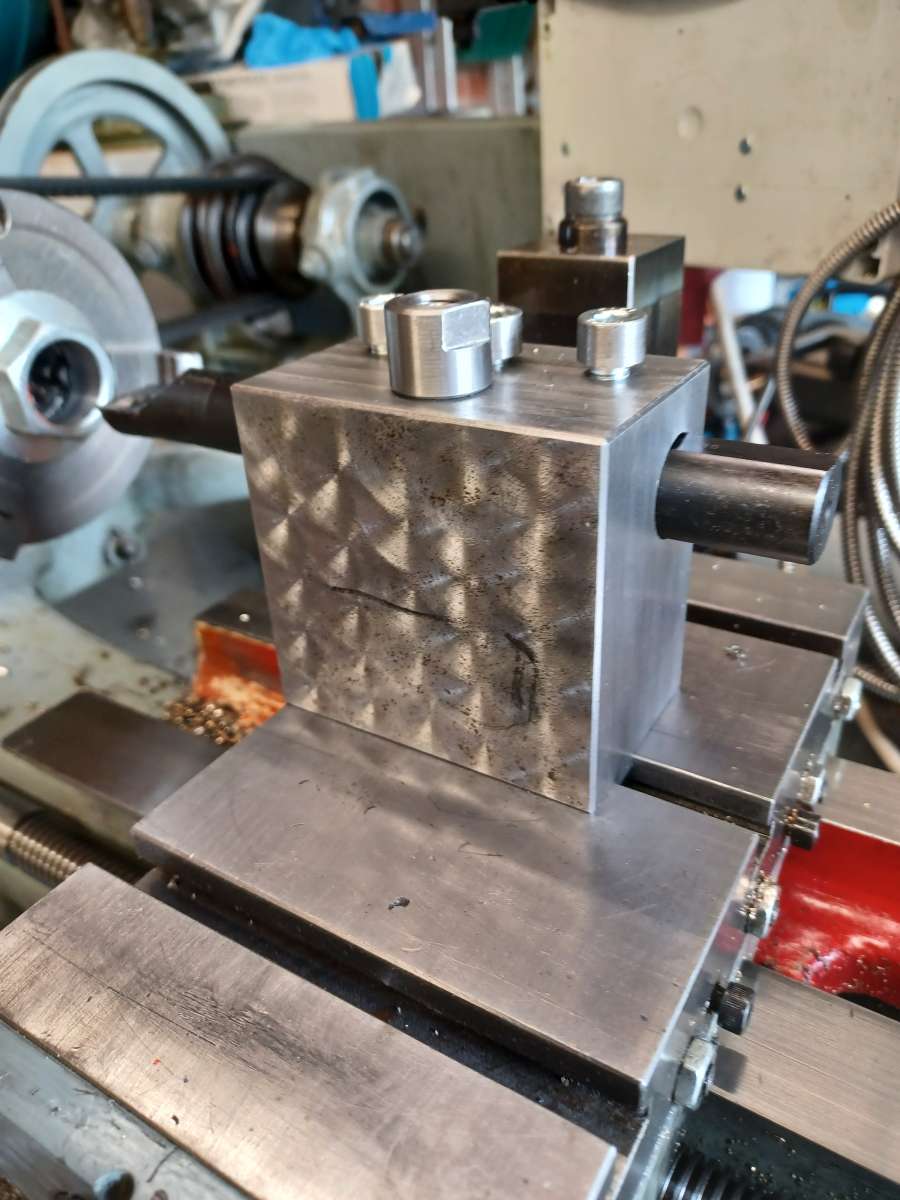
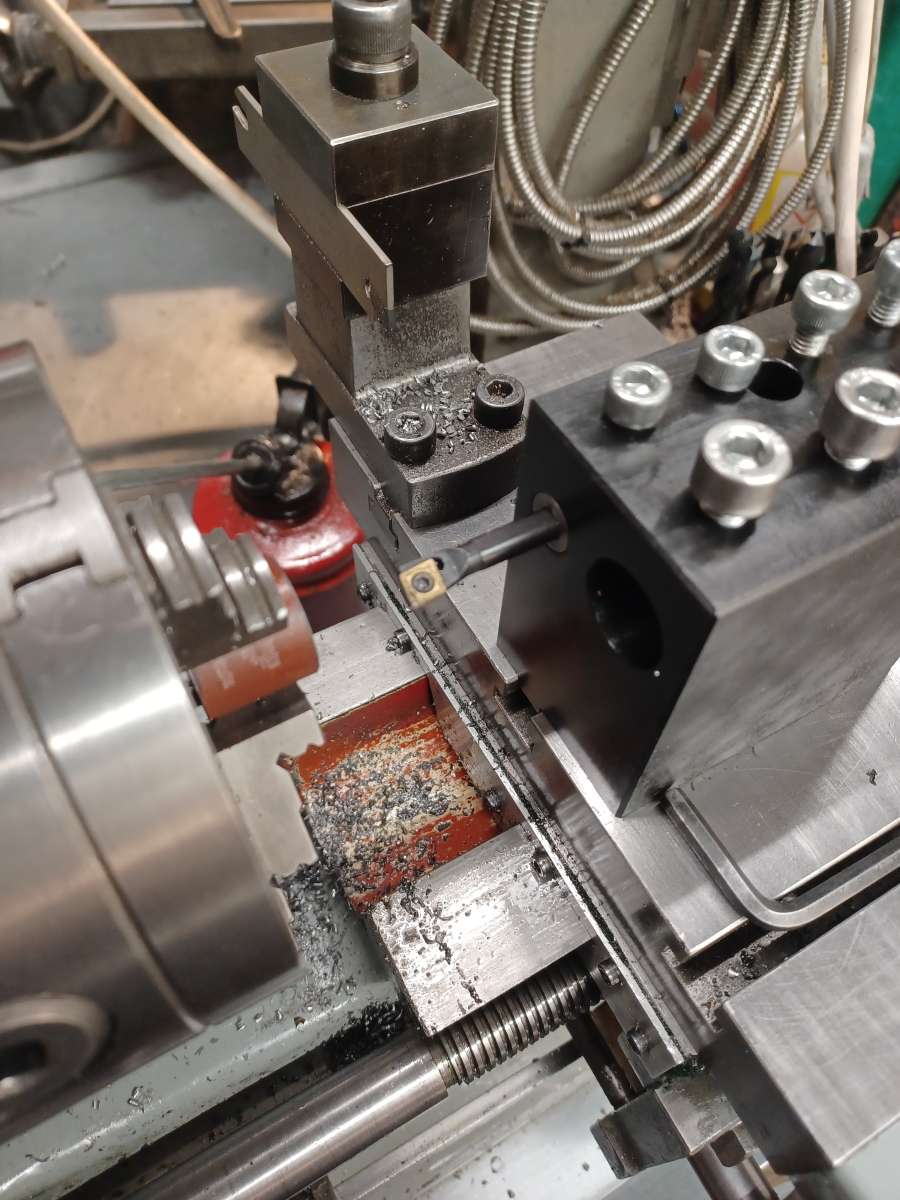
 Pete
Pete Clive Foster
 Howard Lewis
- Please log in to reply to this topic. Registering is free and easy using the links on the menu at the top of this page.
Latest Replies
-
- Topic
- Voices
- Last Post
-
-
Myford ML4 Identification
Started by:
Steven Volz
in: Manual machine tools
- 7
-
18 October 2026 at 04:43
Steven Volz
-
ML7 change gear caluclator
Started by:
drnewcomb
in: Manual machine tools
- 3
-
18 October 2026 at 00:26
drnewcomb
-
Pencil Sharpener
1
2
Started by:
Vic
in: The Tea Room
- 15
-
18 October 2026 at 00:04
southernchap
-
Richard B’s Minnie.
Started by:
Richard B
in: Traction engines
- 4
-
17 October 2026 at 22:22
Richard B
-
Coventry die head
Started by:
lug lord
in: Workshop Techniques
- 8
-
17 October 2026 at 21:23
Julie Ann
-
Weight of Myford Super 7 / ML7R
Started by:
Andrew Tinsley
in: General Questions
- 6
-
17 October 2026 at 21:06
Zan
-
Scroll Saw Blades for Steel
1
2
Started by:
James A
in: Workshop Tools and Tooling
- 15
-
17 October 2026 at 21:05
bernard towers
-
What Did You Do Today 2026
1
2
…
8
9
Started by:
JasonB
in: The Tea Room
- 54
-
17 October 2026 at 19:31
Mark Rand
-
Model Turbines
1
2
…
26
27
Started by:
Turbine Guy
in: Stationary engines
- 28
-
17 October 2026 at 19:22
Turbine Guy
-
Making a Lathe Bench for a Myford ML10
Started by:
starjump
in: Beginners questions
- 10
-
17 October 2026 at 18:59
starjump
-
Rivetting with a hydraulic press
Started by:
Martin Johnson 1
in: Workshop Tools and Tooling
- 7
-
17 October 2026 at 18:58
John Hinkley
-
Bridge collapse
1
2
Started by:
JA
in: The Tea Room
- 13
-
17 October 2026 at 18:21
JA
-
My week this week! My workshop videos
1
2
…
13
14
Started by:
Phil Whitley
in: The Tea Room
- 16
-
17 October 2026 at 15:14
Phil Whitley
-
Old topics on this Forum
Started by:
JA
in: Website Questions, Comments, and Suggestions
- 5
-
17 October 2026 at 14:40
John Haine
-
Lathe arriving – source some practice materials
1
2
Started by:
starjump
in: Beginners questions
- 18
-
17 October 2026 at 10:24
vic newey
-
injector operation
Started by:
Garry Coles
in: General Questions
- 6
-
17 October 2026 at 09:38
MichaelR
-
Steam Powered Lawn Mower!.
1
2
Started by:
Richard S2
in: Related Hobbies including Vehicle Restoration
- 13
-
16 October 2026 at 22:09
Richard S2
-
CAST IRON JOINING
Started by:
ian Holdsworth
in: Beginners questions
- 11
-
16 October 2026 at 19:18
JasonB
-
Tom Senior small vertical head axial play
Started by:
chris1984
in: Manual machine tools
- 4
-
16 October 2026 at 19:07
not done it yet
-
Angled d-bit / machinist reamer?
1
2
Started by:
Fulmen
in: Workshop Tools and Tooling
- 12
-
16 October 2026 at 16:12
Fulmen
-
Myford ml7r
Started by:
lug lord
in: Introduce Yourself – New members start here!
- 2
-
16 October 2026 at 12:04
Bazyle
-
Does anyone have any info about these vices
1
2
Started by:
bjcolyer
in: Introduce Yourself – New members start here!
- 12
-
16 October 2026 at 10:20
bjcolyer
-
Picomite Version 7 – better than Arduino?
Started by:
IanT
in: Electronics in the Workshop
- 8
-
16 October 2026 at 09:29
IanT
-
Super Simplex Build
Started by:
Peter Hoerlein
in: Work In Progress and completed items
- 7
-
15 October 2026 at 23:29
Peter Hoerlein
-
Lathe turning tool nomenclature
Started by:
JA
in: Workshop Tools and Tooling
- 9
-
15 October 2026 at 19:48
old mart
-
Myford ML4 Identification
 Steven Volz
  drnewcomb
  Vic
Vic  southernchap
 Richard B
  lug lord
  Julie Ann
 Andrew Tinsley
  Zan
Zan James A
  bernard towers
 JasonB
  Mark Rand
 Turbine Guy
  starjump
  Martin Johnson 1
  John Hinkley
 JA
JA  Phil Whitley
  John Haine
 vic newey
 Garry Coles
  MichaelR
 Richard S2
  ian Holdsworth
  chris1984
  not done it yet
 Fulmen
  Bazyle
 bjcolyer
  IanT
IanT  Peter Hoerlein
  old mart

