

Strength Question
Strength Question
- This topic has 17 replies, 10 voices, and was last updated 23 April 2023 at 18:04 by
 old mart.
 old mart.
 Justin Thyme
 Ian Parkin
 DC31k
DC31k Nicholas Farr
 Circlip
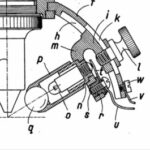 Michael Gilligan
 Dalboy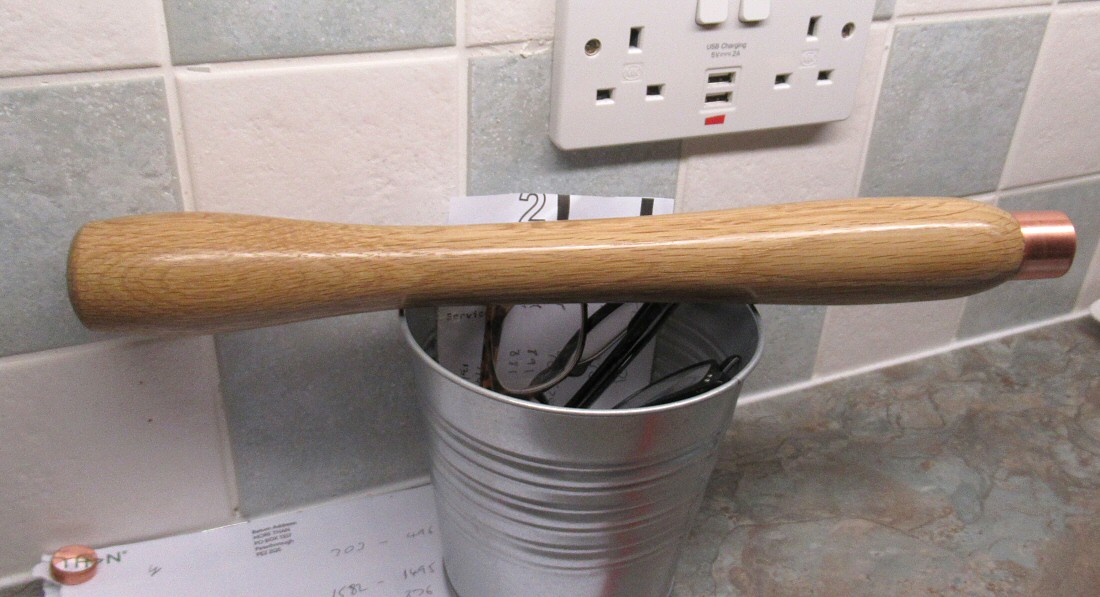
 SillyOldDuffer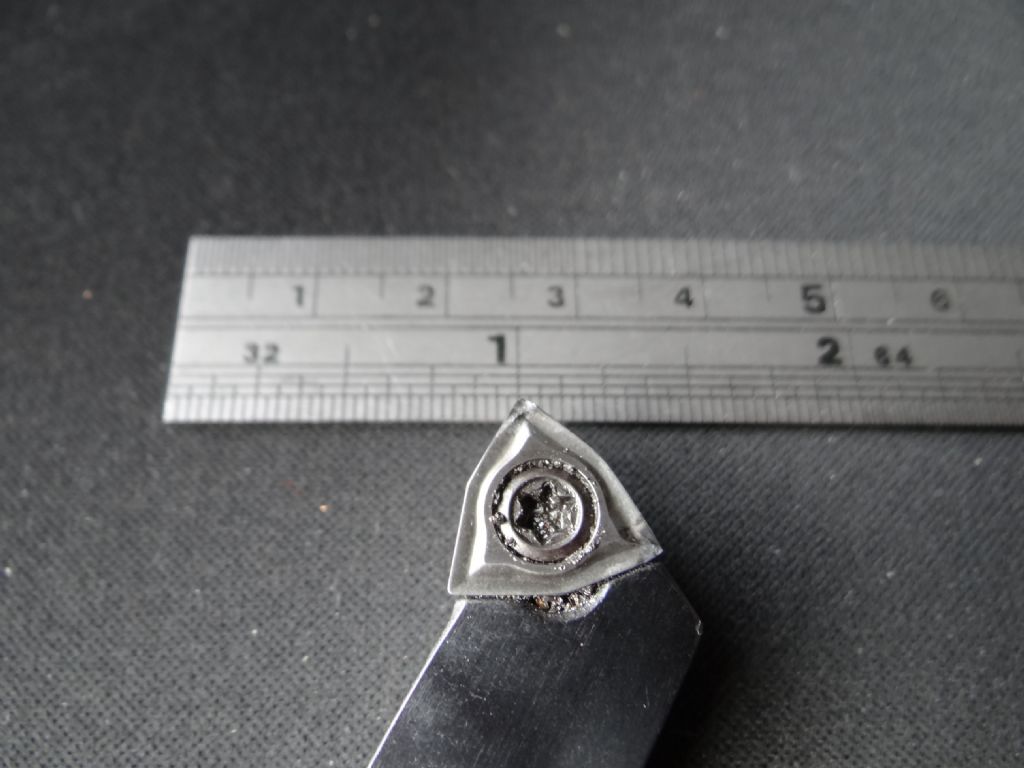
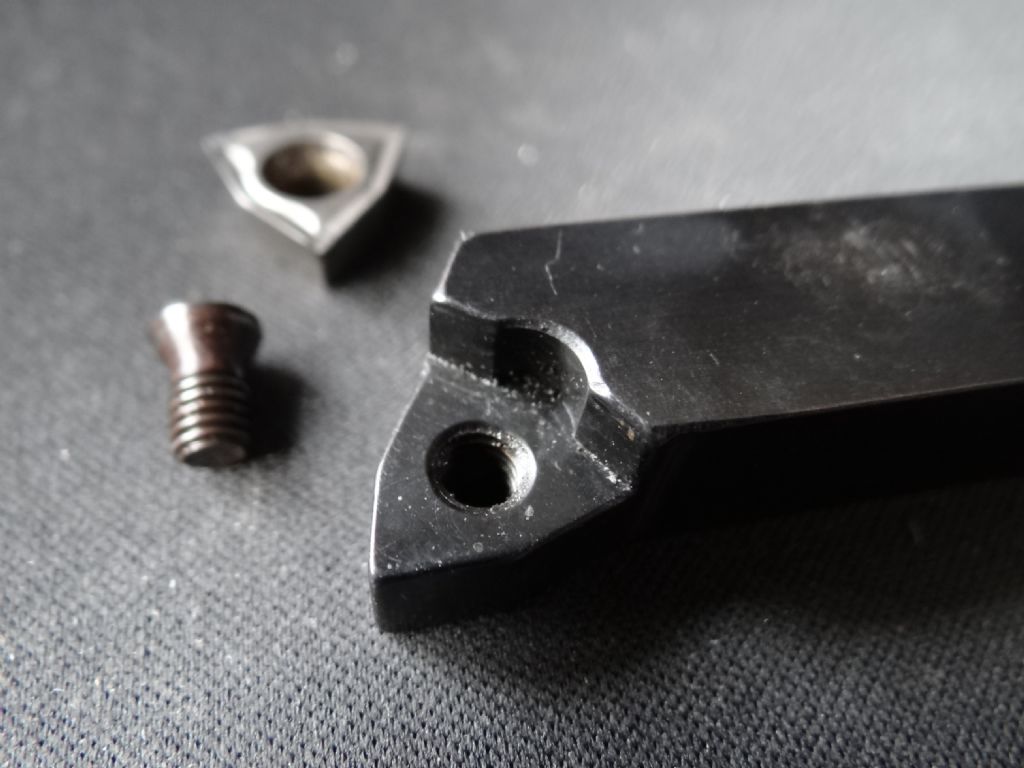
 Grindstone Cowboy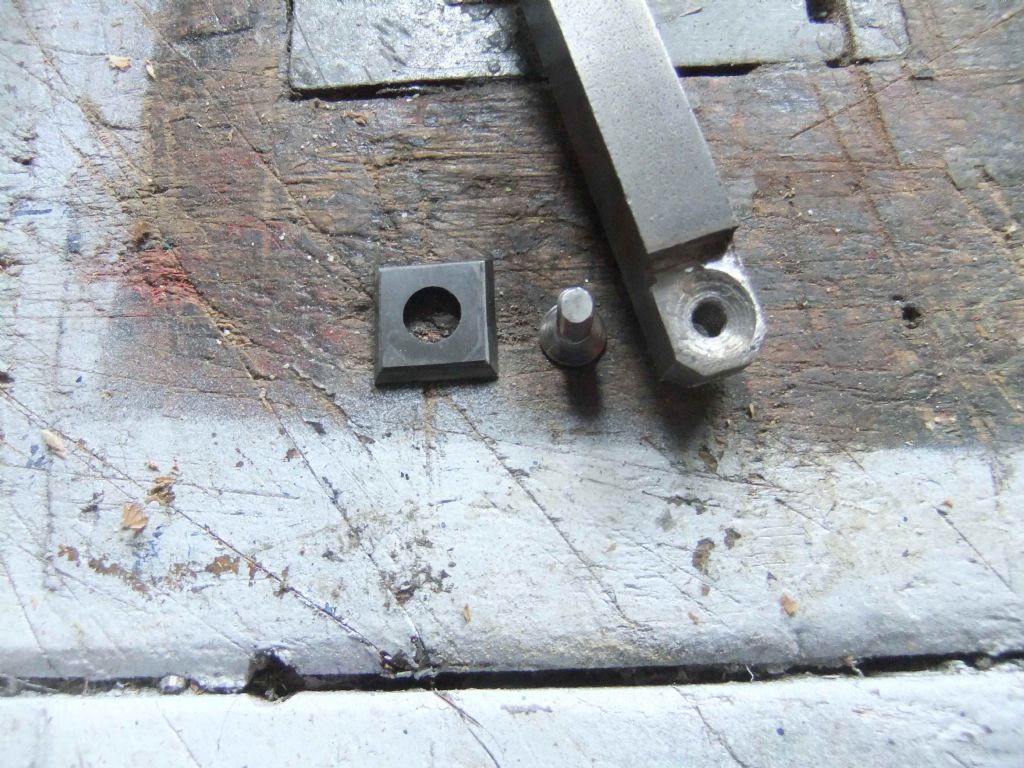
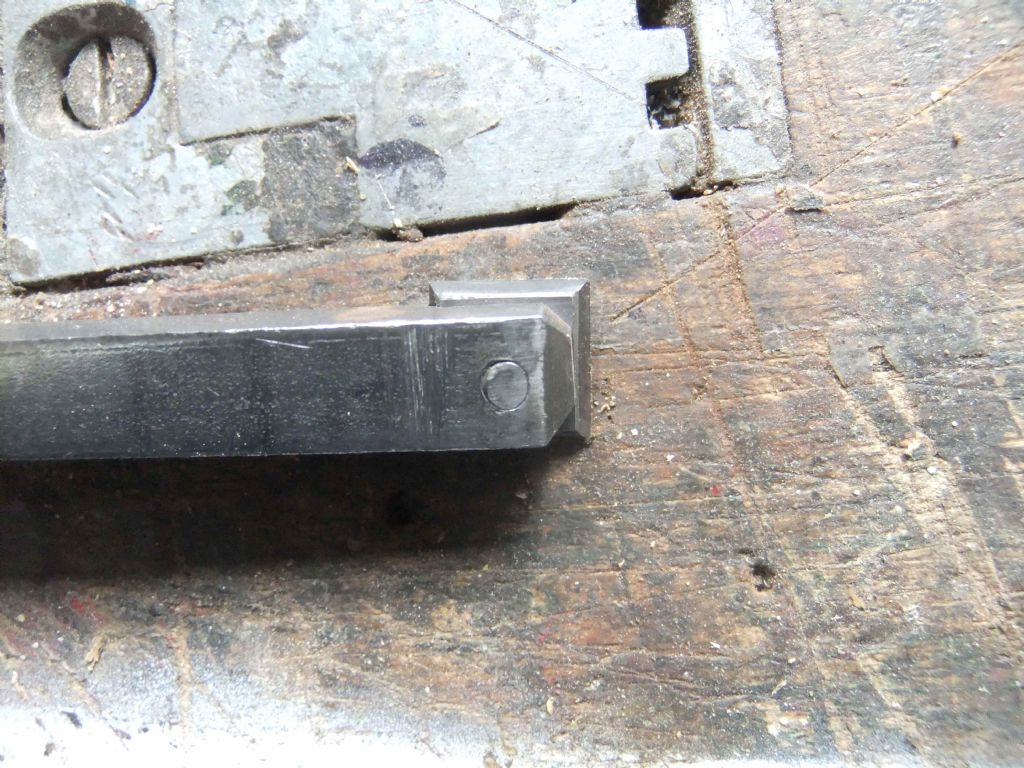
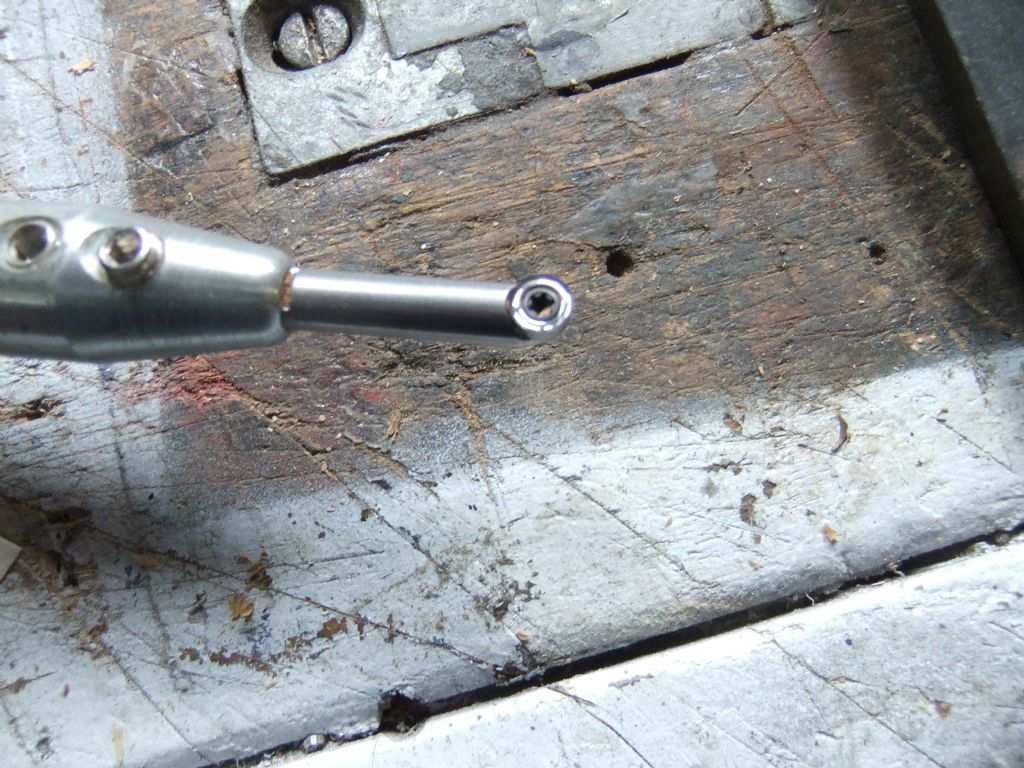
 old mart
- Please log in to reply to this topic. Registering is free and easy using the links on the menu at the top of this page.
Latest Replies
-
- Topic
- Voices
- Last Post
-
-
My adventures with a bench top CNC mill
1
2
3
4
Started by:
John Hinkley
in: CNC machines, Home builds, Conversions, ELS, automation, software, etc tools
- 9
-
4 August 2026 at 22:23
John Hinkley
-
Marv Klotz Calculators for Model Engineers
Started by:
David Banham 1
in: Workshop Techniques
- 7
-
4 August 2026 at 20:31
David Banham 1
-
Attempt to fix, or re-purpose, or just scrap?
Started by:
Bill Phinn
in: Workshop Tools and Tooling
- 12
-
4 August 2026 at 20:26
Graham Meek
-
Farm Boy
1
2
…
4
5
Started by:
Dalboy
in: I/C Engines
- 17
-
4 August 2026 at 20:11
Speedy Builder5
-
A new Milling Machine
Started by:
Martin Johnson 1
in: Workshop Tools and Tooling
- 8
-
4 August 2026 at 17:16
Diogenes
-
Roughing End Mills
Started by:
Colin Teasdale
in: Beginners questions
- 8
-
4 August 2026 at 17:06
Mark Rand
-
What the hell is going on with the suppliers???
Started by:
Hollowpoint
in: General Questions
- 13
-
4 August 2026 at 16:35
Howard Lewis
-
Mystery debris?
Started by:
Bo’sun
in: The Tea Room
- 14
-
4 August 2026 at 15:59
Bo’sun
-
Plug & Play controller for a milling machine
Started by:
mhudd500
in: CNC machines, Home builds, Conversions, ELS, automation, software, etc tools
- 3
-
4 August 2026 at 13:28
John Haine
-
J style indicator holders
Started by:
BOB BLACKSHAW 1
in: General Questions
- 10
-
4 August 2026 at 11:02
Howard Lewis
-
Thanks to John Haine
Started by:
Michael Gilligan
in: Clocks and Scientific Instruments
- 2
-
4 August 2026 at 10:04
John Haine
-
newbie, with some initial questions about this forum
Started by:
frippy
in: General Questions
- 7
-
3 August 2026 at 19:23
southernchap
-
can anyone make me a file? 3d file
Started by:
Ian Parkin
in: 3D Printers and 3D Printing
- 8
-
3 August 2026 at 16:36
Gerard O’Toole
-
Bleedin’ hydraulics!
Started by:
Kiwi Bloke
in: General Questions
- 9
-
3 August 2026 at 16:20
Adrian R2
-
Myford S7 oil useage
Started by:
AStroud
in: Workshop Tools and Tooling
- 5
-
3 August 2026 at 09:40
JohnF
-
4¾” 13swg copper tubing?
Started by:
martynt50
in: Materials
- 6
-
2 August 2026 at 19:47
martynt50
-
Home thoughts from abroad
Started by:
martynt50
in: Introduce Yourself – New members start here!
- 4
-
2 August 2026 at 13:20
martynt50
-
Why righthand threads?
1
2
3
Started by:
vintagengineer
in: General Questions
- 30
-
2 August 2026 at 13:08
bernard towers
-
Steam pressure guages
Started by:
Peter Venn
in: General Questions
- 7
-
2 August 2026 at 13:05
Martin Johnson 1
-
Lightning
1
2
3
Started by:
duncan webster 1
in: Electronics in the Workshop
- 17
-
2 August 2026 at 12:43
Robert Atkinson 2
-
Another new member in France
Started by:
jimalm
in: Introduce Yourself – New members start here!
- 8
-
2 August 2026 at 10:49
Russell Eberhardt
-
The tea room
Started by:
larry phelan 1
in: General Questions
- 1
-
2 August 2026 at 10:20
larry phelan 1
-
Decided to use castings
Started by:
BOB BLACKSHAW 1
in: General Questions
- 8
-
1 August 2026 at 21:56
Nigel Graham 2
-
My week this week! My workshop videos
1
2
…
13
14
Started by:
Phil Whitley
in: The Tea Room
- 16
-
1 August 2026 at 16:04
Phil Whitley
-
Vickers Inverted Engine
1
2
3
Started by:
JasonB
in: Stationary engines
- 13
-
1 August 2026 at 13:26
JasonB
-
My adventures with a bench top CNC mill
1
2
3
4
 John Hinkley
 David Banham 1
 Bill Phinn
 Graham Meek
 Dalboy
 Speedy Builder5
 Martin Johnson 1
 Diogenes
 Colin Teasdale
 Mark Rand
 Hollowpoint
 Howard Lewis
 Bo’sun
 mhudd500
 John Haine
 BOB BLACKSHAW 1
 Michael Gilligan
 frippy
 southernchap
 Ian Parkin
 Gerard O’Toole
 Kiwi Bloke
 Adrian R2
 AStroud
 JohnF
JohnF martynt50
 vintagengineer
 bernard towers
 Peter Venn
 duncan webster 1
 Robert Atkinson 2
 jimalm
 Russell Eberhardt
 larry phelan 1
 Nigel Graham 2
 Phil Whitley
 JasonB
Latest Issue
Newsletter Sign-up
Latest Replies
- My adventures with a bench top CNC mill
- Marv Klotz Calculators for Model Engineers
- Attempt to fix, or re-purpose, or just scrap?
- Farm Boy
- A new Milling Machine
- Roughing End Mills
- What the hell is going on with the suppliers???
- Mystery debris?
- Plug & Play controller for a milling machine
- J style indicator holders

