Photography in the workshop (for the inept)

Photography in the workshop (for the inept)

Home Forums Workshop Techniques Photography in the workshop (for the inept)

Viewing 17 posts - 1 through 17 (of 17 total)
  • Author
    Posts
  • #862261
    Pippin
    Participant
      @phillspowart84010

      I’m building a model which I hope will appear in the magazine at some point, therefore I’m taking photos of set ups, assembly etc as I go. My photos aren’t coming out great, they’re clear enough but have annoying shadows, flash reflections etc.

      I’m not a photographer, and have no real interest in it beyond this particular use. I’ve tried with and without flash, and got it set to close up photography. One problem I have had is the flash being shadowed by the lens, I’ve seen flashes/lights that mount on the end so will get one of those. Camera is a Kodak AZ425.

      Has this topic been covered in the magazine before?

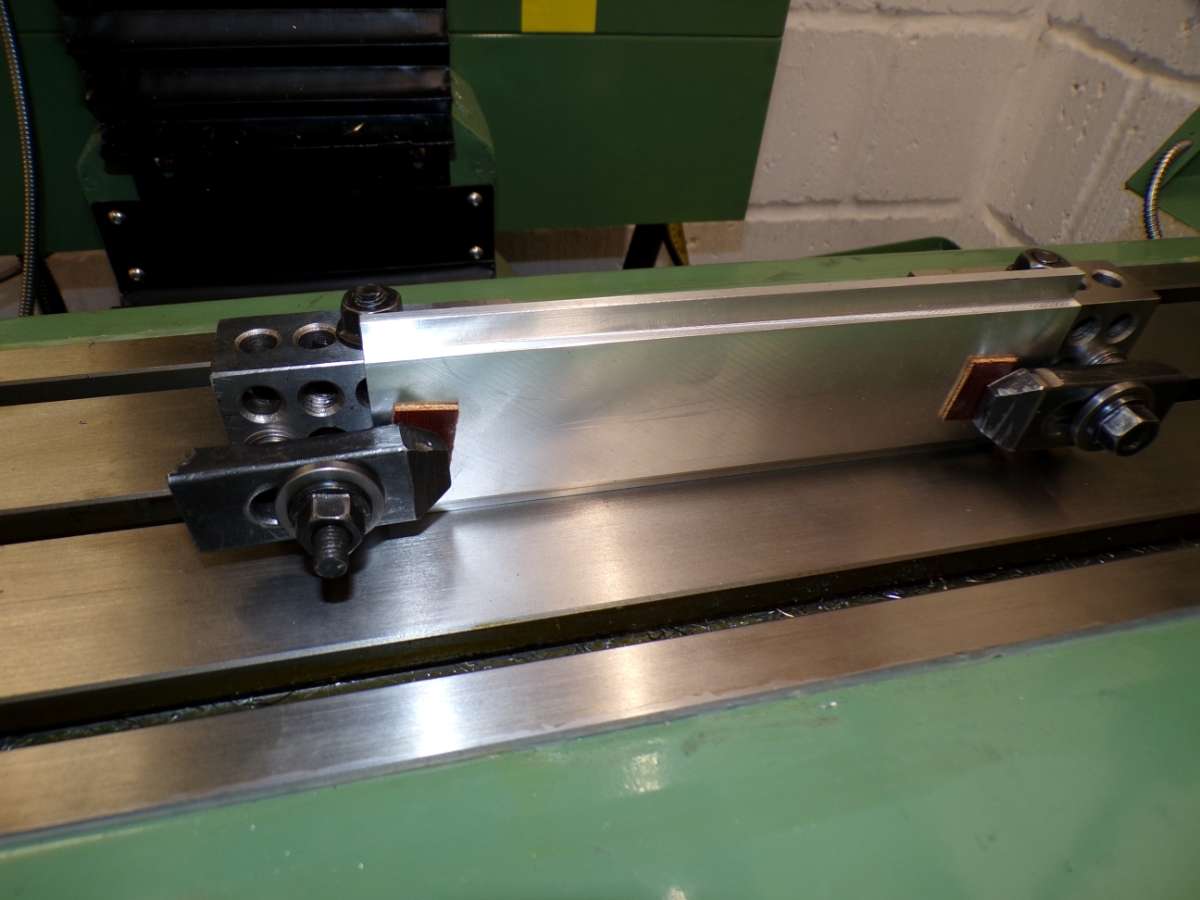
      This was taken with the flash, giving a washed out too bright bit at the left and leaving the right in shadow:

      104_1280 smol

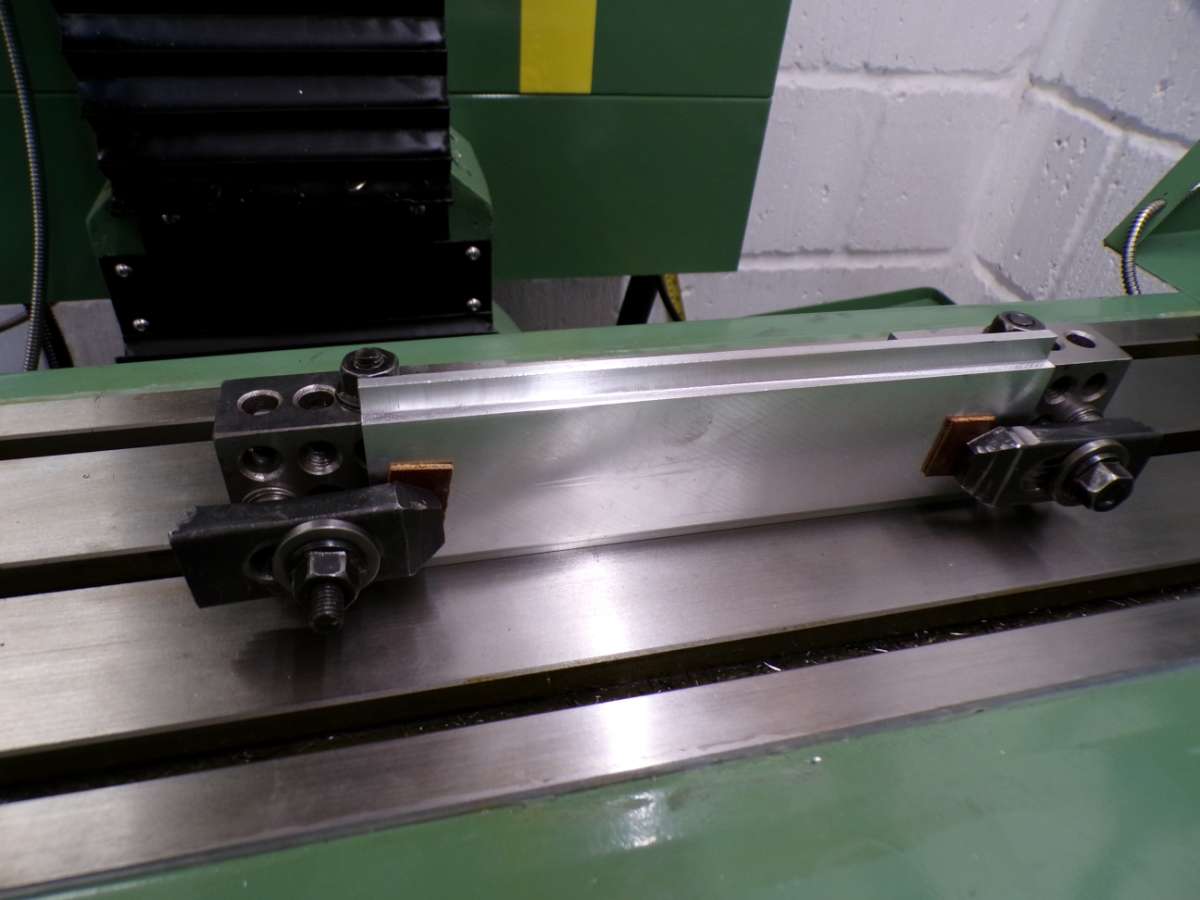
      This is the same shot with no flash, less dark to the left but still too bright to the right and looking a bit washed out

      104_1281 smol

      #862268
      JasonB
      Moderator
        @jasonb

        I never use flash, look through my builds and you will see no reflections. Last few years have just been taken with the phone, get in close and don’t use a digital zoom. Editor Neil likes my photos as did the publisher of my book.

        Typical thread https://www.model-engineer.co.uk/forums/topic/v-twin-kelsey/

        Your white wall may not be helping as the camera will be adjusting for that bright area which makes the subject darker.


        #862269
        Pippin
        Participant
          @phillspowart84010

          I don’t have a smartphone, so can’t use that. Some photos are OK without flash but some come out quite grainy and/or dark.

          #862270
          Charles Lamont
          Participant
            @charleslamont71117

            Suggestions: Don’t use flash. Use a tripod, aperture mode, and stop down as far as this camera will go, about f/7 or 8, (I use f/22 on my Sony) to maximise the depth of field. Set to 100ASA. Use the self timer to avoid jogging the camera when releasing the shutter. Set the focus about 1/3 of the way into the desired depth. Don’t use more zoom than necessary. Light from the side or behind the camera to minimise glare – no backlight.

            Some of this was with help from Google.

            #862271
            JA
            Participant
              @ja

              Flash is very difficult to use and best avoided. Better would be to get a tripod and use a slow shutter speed with a low ASA value. If you don’t have a cable release use the portrait/selfie timer on the camera. Sooner or later, if you are going to publish the results, you will need to edit the pictures. Forget about fancy editing programs such as Affinity and Facebook, ordinary .jpg viewer on Windows Office or Microsoft has a good, simple, very easy to use editor.

              Remember you have all the time in the world to take many photographs. The more obvious is remove the swarf and take the key out of the chuck.

              JA

              [Charles beat me to it]

              #862272
              JasonB
              Moderator
                @jasonb

                Should add all mine are hand held and no editing. The later is preferred for the mag.

                #862273
                Andy Stopford
                Participant
                  @andystopford50521

                  Your camera looks like it’s pretty decent, and should give good results for your purposes.

                  However, even if you have no interest in photography as such, for what you want it really would be a good idea to learn some of the basics, for example, Jason mentions the white wall fooling the camera’s exposure control, so you need to know why that is, and what you can do about it.

                  I can’t give you references, my knowledge of photography comes from the days of film, and although the principles are the same, a modern book/online tutorial/etc. will be easier to apply to your camera. You can always skip the bits about taking portraits or whatever, though the basics of composition are worth knowing.

                  And yes, don’t use the flash, you’ll have loads of problems with reflections, burnt-out bits, etc. with it.

                  #862274
                  JasonB
                  Moderator
                    @jasonb

                    If you have not done so already run the details past Neil and also get him to send you an author pack wich has guidance about photos, text etc

                    Bit about editing taken from the guidelines

                    picks

                    #862283
                    Nicholas Farr
                    Participant
                      @nicholasfarr14254

                      Hi Pippin, having it on your shiny milling table doesn’t help, and a somewhat mixed and a little cluttered light and dark background won’t help either. Try to get a background that is the same shade all over, with a matt white or suitable  pascal colour that doesn’t clash with your item, have some good lighting that is even over the whole area, flash is not very good with close-ups, but one way is to defuse it, by covering it with a white piece of fabric, or a few layers of white tissue paper. It would also help if you used a tripod, and used the shutter’s self timer when taking your photos, then you could try directing some light in the right place, with a piece of matt white card or a board. And yes do as JasonB has said about the size of the photos, and don’t crop them, or edit them in anyway.

                      Regards Nick.

                      #862284
                      Pippin
                      Participant
                        @phillspowart84010

                        Thankyou all, yes I’m in contact with Neil and have the various packs/guides etc.

                        I need to work out methods that can be done fairly quick, I tend to get too focused on the actual work to remember to stop and take photos as it is. At this rate I’ll have to build a third loco just to get enough photos!

                        #862285
                        Grindstone Cowboy
                        Participant
                          @grindstonecowboy

                          All good advice above, I’d only add that a polarising filter would help control reflections.

                          Rob

                          #862291
                          bernard towers
                          Participant
                            @bernardtowers37738

                            If you use a polariser its effect is greater when the light source is at 90 deg to the lens. Not quite in agreement on the flash advice as diffused and bounce flash are very good tools when taking images that are reflective.IMHO.

                            #862293
                            Paul Lousick
                            Participant
                              @paullousick59116

                              Don’t use flash. If not bright enough, use extra lights. If possible move the object to where there is more natural light. Use white panels to reflect more light onto the object. Good luck.

                              #862317
                              JasonB
                              Moderator
                                @jasonb

                                I think if I had to start setting up every photo with a tripod, backgrounds, bouncing light etc then I would either not take as many photos or my output rate would drop considerably.

                                Looking at details of your camera it seems it will only focus down to 500mm which may not be helping, most of what I take is probably 200mm or less distance from the part to the phone which avoids excess backgroud and fills the frame with the actual subject.  Also the larger lense needs more light into it. The selling point seems to be it’s large zoom which is really the opposite of what you want for workshop use.

                                #862331
                                Gerard O’Toole
                                Participant
                                  @gerardotoole60348

                                  You are getting a bright streak from some light or other. I would switch that off for a start. If you need to light the scene then use a light bounced off the ceiling or an adjacent wall.

                                  #862332
                                  Robert Atkinson 2
                                  Participant
                                    @robertatkinson2

                                    Your camera appears to be optimised for outdoor use. I know it’s too late for you but a camera  / lens with less zoom range, towards the shorter focal length range and ideally with a macro capability would be a better choice.

                                    Robert.

                                    #862339
                                    Ches Green UK
                                    Participant
                                      @chesgreenuk

                                      Pippin,

                                      As has been mentioned, try to get bright, even lighting across the subject and avoid high contrast backgrounds eg a white wall behind the darker mill table.  Flash can be good but can also make certain scenes look worse.

                                      Maybe also, if possible try to capture only the area of interest ie get closer in if focusing allows.

                                      Like many, I use a mobile phone for 90% of my pics….it’s more than good enough, and it’s 5 or 6 yrs old. An iPhone has probably the best overall camera/software set up….I use an Android phone.

                                      Also, within the camera Settings, find the settings that allows you select the area (small, medium, large) that the camera sensor will try to make look the best….this will affect Exposure (eg brightness) ….and what part of the subject the camera Focuses on.

                                      So maybe dig out your camera’s manual, have a re-read of it and particularly look at how to set up the area of Exposure and area of Focus.  I find that Settings have a mystical habit of ‘adjusting’ themselves as soon as my back is turned, so check them before each picture session. Good luck.

                                      Ches.


                                    Viewing 17 posts - 1 through 17 (of 17 total)
                                    • Please log in to reply to this topic. Registering is free and easy using the links on the menu at the top of this page.

                                    Latest Replies

                                    Home Forums Workshop Techniques Topics

                                    Viewing 25 topics - 1 through 25 (of 25 total)
                                    Viewing 25 topics - 1 through 25 (of 25 total)

                                    View full reply list.