

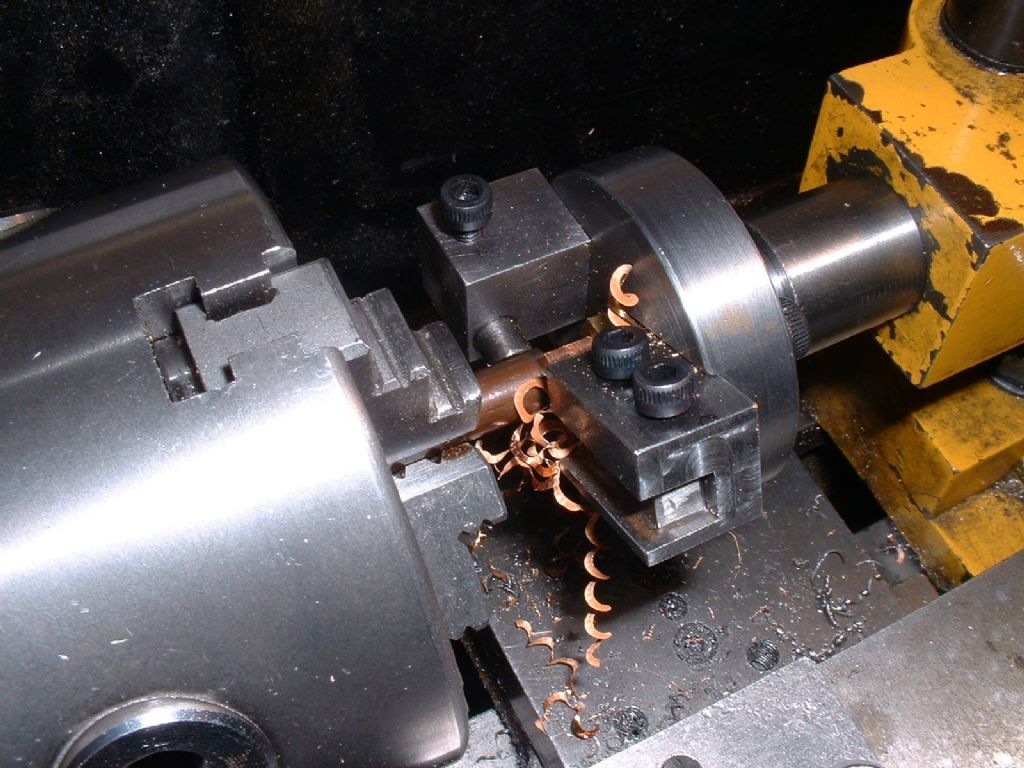
Rolling tailstock
Rolling tailstock
- This topic has 11 replies, 7 voices, and was last updated 16 May 2015 at 17:18 by
 Neil Wyatt.
 Neil Wyatt.
 Jesse Hancock 1
 JasonB
 herbert punter
 Howard Lewis
 Nigel McBurney 1
 Ian S C
 Neil Wyatt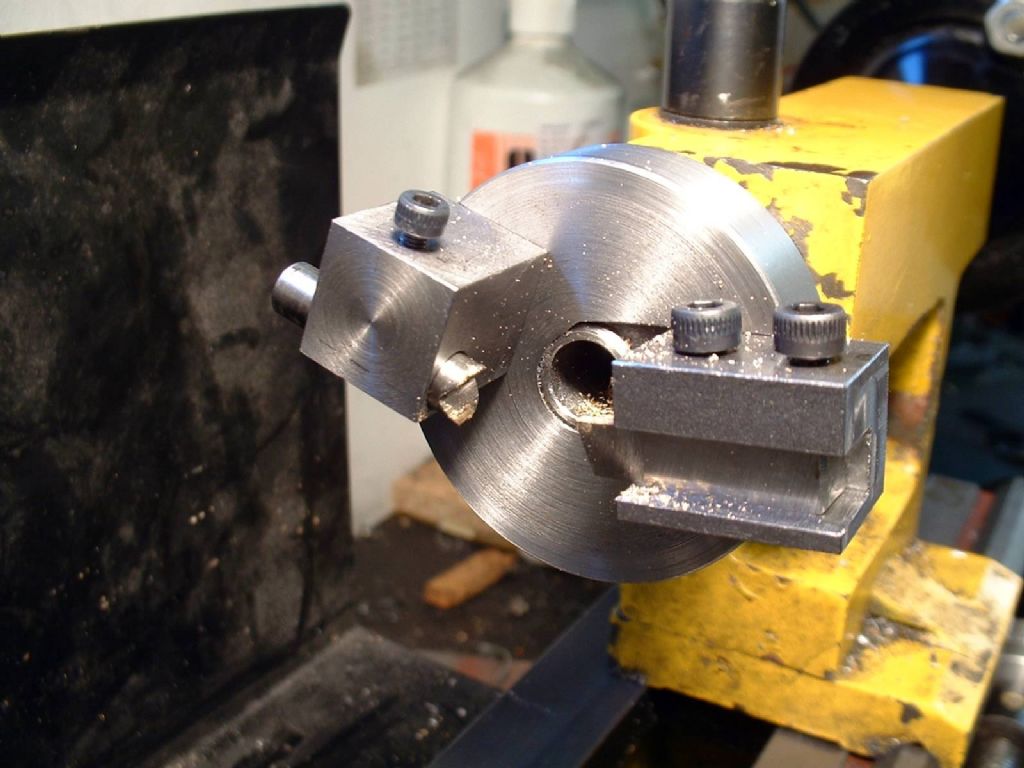
- Please log in to reply to this topic. Registering is free and easy using the links on the menu at the top of this page.
Latest Replies
-
- Topic
- Voices
- Last Post
-
-
finding involute gear cutter
Started by:
vic newey
in: Workshop Techniques
- 11
-
28 September 2026 at 13:35
vic newey
-
New to castings
Started by:
BOB BLACKSHAW 1
in: Workshop Techniques
- 5
-
28 September 2026 at 13:34
BOB BLACKSHAW 1
-
Reverting An ML7 To Change-Wheels: Any Thoughts??
Started by:
Nigel Graham 2
in: Manual machine tools
- 12
-
28 September 2026 at 12:30
Robert Atkinson 2
-
Wired doorbell to wireless
Started by:
Another JohnS
in: General Questions
- 9
-
28 September 2026 at 12:17
renardiere7
-
Family Day at the museum in Großauheim near Hanau with steam
Started by:
Werner Schleidt
in: Traction engines
- 1
-
28 September 2026 at 12:10
Werner Schleidt
-
Triangular Insert Tool
Started by:
James A
in: Workshop Tools and Tooling
- 6
-
28 September 2026 at 10:47
Chris Gunn
-
Sharing some grinding blades I’m currently using
Started by:
hclmetal2026
in: CNC machines, Home builds, Conversions, ELS, automation, software, etc tools
- 3
-
28 September 2026 at 09:48
hclmetal2026
-
The Big St Albans Model Show
Started by:
Bazyle
in: Exhibitions, Shows and Club Events
- 2
-
28 September 2026 at 09:38
paul1956
-
Taylor Hobson cutter grinder modificaton
1
2
Started by:
David George 1
in: Workshop Tools and Tooling
- 11
-
28 September 2026 at 09:07
David George 1
-
Octopus Heat Pump
1
2
3
4
Started by:
Michael Gilligan
in: The Tea Room
- 25
-
28 September 2026 at 08:37
Mark Rand
-
Railmotor regulator drawings
Started by:
duncan webster 1
in: Locomotives
- 2
-
27 September 2026 at 20:17
duncan webster 1
-
Model engineering’s (live steam) big five
Started by:
Luker
in: Locomotives
- 7
-
27 September 2026 at 19:26
JasonB
-
Boring Bars
Started by:
Andy Brocklehurst
in: General Questions
- 3
-
27 September 2026 at 19:00
Andy Brocklehurst
-
Model Engine Maker
Started by:
Colin Heseltine
in: The Tea Room
- 4
-
27 September 2026 at 18:58
JA
-
Warco VMC start capacitor
Started by:
Durhambuilder
in: Electronics in the Workshop
- 4
-
27 September 2026 at 18:38
Durhambuilder
-
Archive
Started by:
gregmallitt
in: Introduce Yourself – New members start here!
- 3
-
27 September 2026 at 09:40
Zan
-
Gears
Started by:
Franco Convertini
in: General Questions
- 6
-
27 September 2026 at 06:56
JasonB
-
C/H pipe clamp query
Started by:
Mike Hurley
in: The Tea Room
- 12
-
26 September 2026 at 22:11
Nicholas Farr
-
Warco WM180 4 way tool post
Started by:
Andy Brocklehurst
in: General Questions
- 9
-
26 September 2026 at 21:42
southernchap
-
Ideas needed for problem wth Tom Senior E type Mill
1
2
Started by:
Mike Crossfield
in: Manual machine tools
- 12
-
26 September 2026 at 18:03
old mart
-
What to do about son’s inheritance.
Started by:
Terry Nicholas
in: General Questions
- 1
-
26 September 2026 at 15:20
Terry Nicholas
-
Worm gear
Started by:
Franco Convertini
in: General Questions
- 11
-
26 September 2026 at 14:32
ega
-
My week this week! My workshop videos
1
2
…
13
14
Started by:
Phil Whitley
in: The Tea Room
- 16
-
26 September 2026 at 14:25
Phil Whitley
-
What Did You Do Today 2026
1
2
…
7
8
Started by:
JasonB
in: The Tea Room
- 48
-
26 September 2026 at 13:38
John Hinkley
-
Oh dear. What have I done: Wonky Super Major!
Started by:
Colin Thorburn
in: Manual machine tools
- 4
-
26 September 2026 at 10:39
John Hinkley
-
finding involute gear cutter
 vic newey
  BOB BLACKSHAW 1
  Nigel Graham 2
  Robert Atkinson 2
 Another JohnS
  renardiere7
 Werner Schleidt
  James A
  Chris Gunn
 hclmetal2026
  Bazyle
  paul1956
 David George 1
  Michael Gilligan
  Mark Rand
 duncan webster 1
  Luker
Luker  JasonB
 Andy Brocklehurst
  Colin Heseltine
  JA
JA Durhambuilder
  gregmallitt
  Zan
Zan Franco Convertini
  Mike Hurley
  Nicholas Farr
 southernchap
 Mike Crossfield
  old mart
 Terry Nicholas
  ega
ega Phil Whitley
  John Hinkley
 Colin Thorburn
 Latest Issue
Newsletter Sign-up
Latest Replies
- finding involute gear cutter
- New to castings
- Reverting An ML7 To Change-Wheels: Any Thoughts??
- Wired doorbell to wireless
- Family Day at the museum in Großauheim near Hanau with steam
- Triangular Insert Tool
- Sharing some grinding blades I’m currently using
- The Big St Albans Model Show
- Taylor Hobson cutter grinder modificaton
- Octopus Heat Pump

