

Moving Targets
Moving Targets
- This topic has 20 replies, 11 voices, and was last updated 12 October 2026 at 13:07 by
 Martin Johnson 1.
 Martin Johnson 1.
 Michael Gilligan
 Nigel Graham 2
 duncan webster 1
 Nicholas Farr
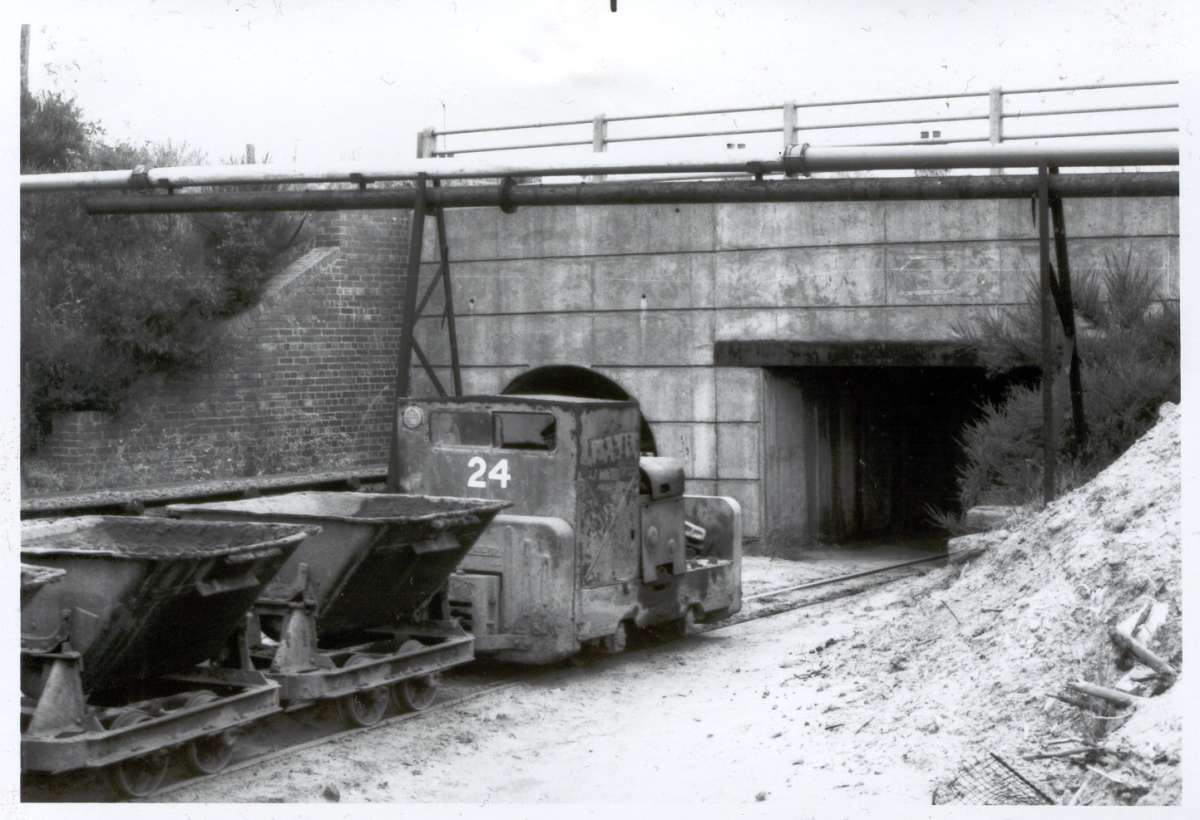
 noel shelley
 Chuck Taper
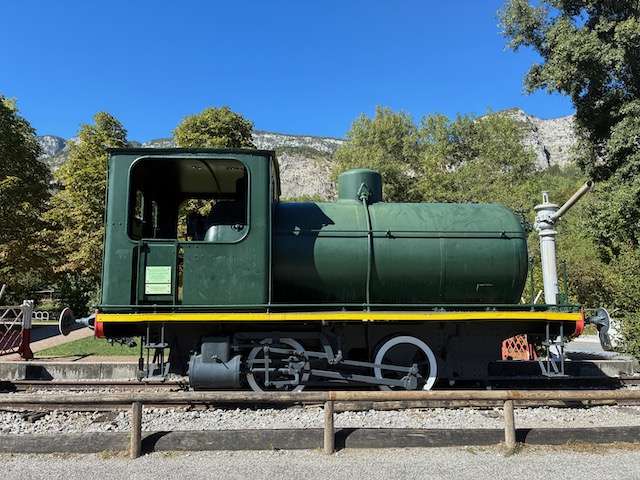

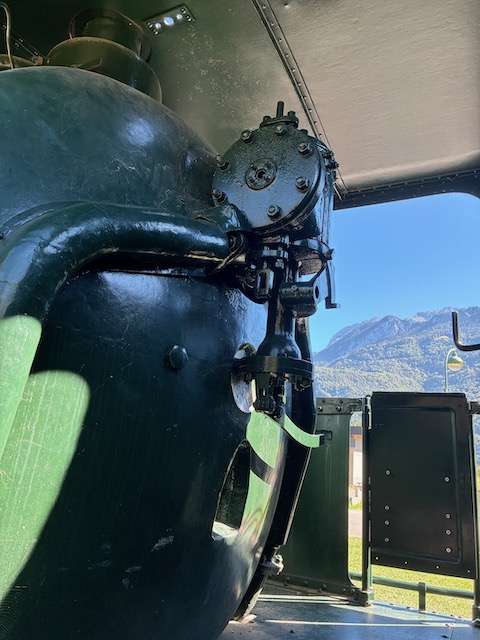
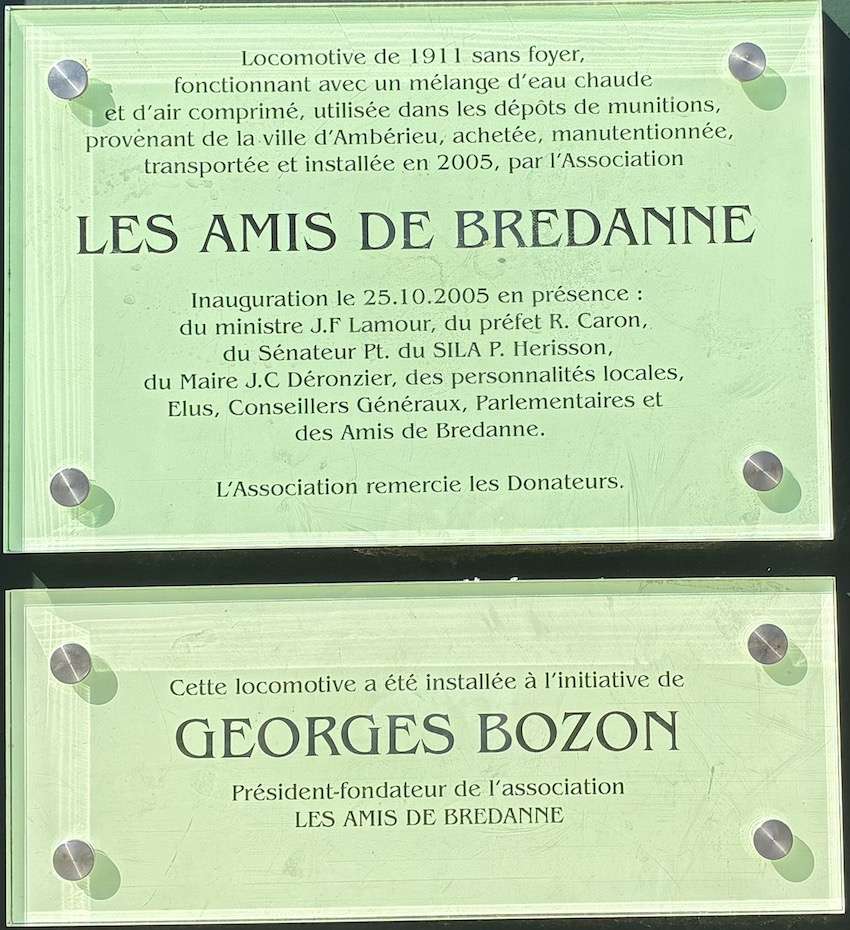
 Journeyman
 Bazyle
 Robert Atkinson 2
 Howard Lewis
 Martin Johnson 1
- Please log in to reply to this topic. Registering is free and easy using the links on the menu at the top of this page.
Latest Replies
-
- Topic
- Voices
- Last Post
-
-
Blackening brass
Started by:
paul1956
in: Beginners questions
- 3
-
31 October 2026 at 15:35
Fulmen
-
Carbide hand files?
Started by:
Rainbows
in: Workshop Tools and Tooling
- 11
-
31 October 2026 at 15:08
Fulmen
-
Stronger Filament
Started by:
BOB BLACKSHAW 1
in: 3D Printers and 3D Printing
- 5
-
31 October 2026 at 11:35
paul1956
-
M7 Screws
Started by:
Vic
in: Workshop Tools and Tooling
- 11
-
31 October 2026 at 11:14
Vic
-
5″ loco support jig
Started by:
Peter Venn
in: General Questions
- 12
-
31 October 2026 at 07:50
Speedy Builder5
-
Laser alignment for mag drill?
Started by:
Adam Harris
in: Workshop Tools and Tooling
- 4
-
31 October 2026 at 06:50
JasonB
-
3d models from 2d drawings
Started by:
duncan webster 1
in: CAD – Technical drawing & design
- 4
-
30 October 2026 at 20:27
JasonB
-
LOWMEX Model Show
Started by:
Ramon Wilson
in: Exhibitions, Shows and Club Events
- 5
-
30 October 2026 at 20:13
JA
-
AI Bringing Engines to Life
1
2
Started by:
JasonB
in: The Tea Room
- 13
-
30 October 2026 at 14:49
Nigel Graham 2
-
My EMCO FB-2
Started by:
Ger
in: Manual machine tools
- 6
-
30 October 2026 at 13:21
derek hall 1
-
Boring Bars?
Started by:
Bo’sun
in: Workshop Tools and Tooling
- 8
-
30 October 2026 at 09:38
JohnF
-
Hemholtz coil positioning
Started by:
John Purdy
in: Clocks and Scientific Instruments
- 3
-
30 October 2026 at 09:21
John Haine
-
Fowler Regulator
Started by:
Andy Stopford
in: General Questions
- 2
-
29 October 2026 at 21:06
Andy Stopford
-
Drummond M-Type 3.5-inch metal-turning bench lathe
Started by:
davidsewell
in: Beginners questions
- 9
-
29 October 2026 at 19:52
vic newey
-
Stuard Progress
Started by:
Ger
in: Work In Progress and completed items
- 1
-
29 October 2026 at 18:19
Ger
-
Newbie
Started by:
bryansmith1983
in: Introduce Yourself – New members start here!
- 5
-
29 October 2026 at 18:14
bryansmith1983
-
Single Phase Motor Soft Start
1
2
Started by:
Bob Sillitoe
in: General Questions
- 11
-
29 October 2026 at 10:56
Roderick Jenkins
-
Feed pump identification
Started by:
David Ambrose
in: Miscellaneous models
- 4
-
29 October 2026 at 10:28
Clive Foster
-
New member
Started by:
cedricvale
in: Introduce Yourself – New members start here!
- 5
-
29 October 2026 at 07:45
Howard Lewis
-
A first for ME&W
1
2
3
Started by:
Andrew Tinsley
in: Model Engineer.
- 26
-
28 October 2026 at 22:11
Pippin
-
Making a Solid Rubber Tyre
Started by:
William Harvey 1
in: Help and Assistance! (Offered or Wanted)
- 13
-
28 October 2026 at 20:21
Martin Johnson 1
-
Galvanized nut binds halfway down — where would you start?
Started by:
elowen01
in: General Questions
- 8
-
28 October 2026 at 17:06
JasonB
-
Lathe improvements?
1
2
…
5
6
Started by:
Niels Abildgaard
in: Manual machine tools
- 24
-
28 October 2026 at 17:04
Niels Abildgaard
-
Warco milling machines table size
Started by:
aytact
in: Manual machine tools
- 5
-
28 October 2026 at 15:41
Dalboy
-
Stuart twin compound
Started by:
teamricky
in: Stationary engines
- 5
-
28 October 2026 at 10:41
teamricky
-
Blackening brass
 paul1956
 Fulmen
 Rainbows
 BOB BLACKSHAW 1
 Vic
 Peter Venn
 Speedy Builder5
 Adam Harris
 JasonB
 duncan webster 1
 Ramon Wilson
 JA
 Nigel Graham 2
 Ger
 derek hall 1
 Bo’sun
 JohnF
 John Purdy
 John Haine
 Andy Stopford
 davidsewell
 vic newey
 bryansmith1983
 Bob Sillitoe
 Roderick Jenkins
 David Ambrose
 Clive Foster
 cedricvale
 Howard Lewis
 Andrew Tinsley
 Pippin
 William Harvey 1
 elowen01
 Niels Abildgaard
 aytact
 Dalboy
 teamricky