

polishing clock plates
polishing clock plates
- This topic has 9 replies, 8 voices, and was last updated 17 July 2017 at 22:03 by
 Harold Hall 1.
 Harold Hall 1.
 dinnie hoekstra
 Chris Trice
 mechman48
 speelwerk
 IanT
IanT Clive Hartland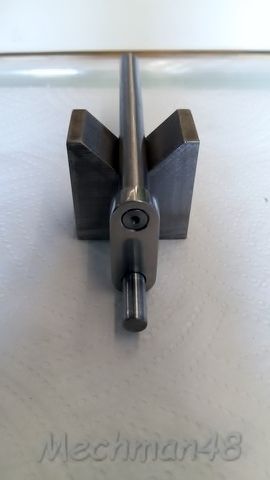
 Bazyle
 Harold Hall 1
- Please log in to reply to this topic. Registering is free and easy using the links on the menu at the top of this page.
Latest Replies
-
- Topic
- Voices
- Last Post
-
-
Worm gear
Started by:
Franco Convertini
in: General Questions
- 6
-
25 September 2026 at 07:31
DC31k
-
Inserting An Angled Feature (Alibre Atom)
1
2
Started by:
Nigel Graham 2
in: CAD – Technical drawing & design
- 4
-
24 September 2026 at 23:51
Nigel Graham 2
-
Warco WM180 4 way tool post
Started by:
Andy Brocklehurst
in: General Questions
- 9
-
24 September 2026 at 23:37
southernchap
-
The Big St Albans Model Show
Started by:
Bazyle
in: Exhibitions, Shows and Club Events
- 1
-
24 September 2026 at 23:21
Bazyle
-
Rob Roy – Order of removal the boiler from the frames
Started by:
Greensands
in: Help and Assistance! (Offered or Wanted)
- 4
-
24 September 2026 at 22:12
duncan webster 1
-
Drive coil ampere turns for seconds pendulum
1
2
Started by:
carlw
in: Clocks and Scientific Instruments
- 6
-
24 September 2026 at 21:29
John Haine
-
Wired doorbell to wireless
Started by:
Another JohnS
in: General Questions
- 4
-
24 September 2026 at 21:15
Nigel Graham 2
-
Parting off
1
2
3
Started by:
Peter Simpson 3
in: Beginners questions
- 22
-
24 September 2026 at 18:55
old mart
-
New Build.. Bentley BR 2
Started by:
Brian Abbott
in: I/C Engines
- 4
-
24 September 2026 at 13:08
Brian Abbott
-
Oh dear. What have I done: Wonky Super Major!
Started by:
Colin Thorburn
in: Manual machine tools
- 4
-
24 September 2026 at 11:49
Clive Foster
-
Harrison L5 mk2 or not
Started by:
sean logie
in: Workshop Tools and Tooling
- 4
-
24 September 2026 at 11:31
Clive Foster
-
Sharing some grinding blades I’m currently using
Started by:
hclmetal2026
in: CNC machines, Home builds, Conversions, ELS, automation, software, etc tools
- 3
-
24 September 2026 at 11:06
peak4
-
Chinese EV teardown
Started by:
Michael Gilligan
in: The Tea Room
- 10
-
24 September 2026 at 09:58
Mike Hurley
-
Model engineering’s (live steam) big five
Started by:
Luker
in: Locomotives
- 6
-
24 September 2026 at 08:38
JasonB
-
How to talk to an AI
Started by:
Alan Charleston
in: The Tea Room
- 7
-
24 September 2026 at 01:11
Nigel Graham 2
-
End mill sharpening
1
2
Started by:
petro1head
in: General Questions
- 17
-
23 September 2026 at 20:37
Andy Brocklehurst
-
Maxcut 5 – Arc Euro Trade
Started by:
Phil S
in: Workshop Tools and Tooling
- 4
-
23 September 2026 at 18:15
peak4
-
New Myford 7 DRO article
1
2
Started by:
Bob Worsley
in: Electronics in the Workshop
- 9
-
23 September 2026 at 17:05
JasonB
-
PLEASE VOTE TODAY FOR THE STEVEVENSON TROPHY
Started by:
Neil Wyatt
in: Model Engineer & Workshop
- 5
-
23 September 2026 at 16:26
DC31k
-
What Did You Do Today 2026
1
2
…
7
8
Started by:
JasonB
in: The Tea Room
- 48
-
23 September 2026 at 12:59
bernard towers
-
New member
Started by:
hclmetal2026
in: Introduce Yourself – New members start here!
- 2
-
23 September 2026 at 12:37
bernard towers
-
Dore-Westbury Mill Mod
Started by:
David Taylor 4
in: Workshop Tools and Tooling
- 4
-
23 September 2026 at 12:06
yorch182
-
Mill Tramming Tool (& Use on a Centec With Riser.)
Started by:
peak4
in: Hints And Tips for model engineers
- 5
-
23 September 2026 at 12:02
Dave Halford
-
pendulum support springs
Started by:
gerry madden
in: Clocks and Scientific Instruments
- 6
-
23 September 2026 at 11:41
gerry madden
-
Crucible Furnace
Started by:
BOB BLACKSHAW 1
in: General Questions
- 8
-
23 September 2026 at 11:18
jaCK Hobson
-
Worm gear
 Franco Convertini
  DC31k
DC31k Nigel Graham 2
  Andy Brocklehurst
  southernchap
 Bazyle
  Greensands
  duncan webster 1
 carlw
carlw  John Haine
 Another JohnS
  Peter Simpson 3
  old mart
 Brian Abbott
  Colin Thorburn
  Clive Foster
 sean logie
  hclmetal2026
  peak4
peak4 Michael Gilligan
  Mike Hurley
 Luker
Luker  JasonB
 Alan Charleston
  petro1head
  Phil S
  Bob Worsley
  Neil Wyatt
  bernard towers
 David Taylor 4
  yorch182
 Dave Halford
 gerry madden
  BOB BLACKSHAW 1
  jaCK Hobson
Latest Issue

Newsletter Sign-up
Latest Replies
- Worm gear
- Inserting An Angled Feature (Alibre Atom)
- Warco WM180 4 way tool post
- The Big St Albans Model Show
- Rob Roy – Order of removal the boiler from the frames
- Drive coil ampere turns for seconds pendulum
- Wired doorbell to wireless
- Parting off
- New Build.. Bentley BR 2
- Oh dear. What have I done: Wonky Super Major!

