Wanted – small pulley project and/or engine mounts..
Wanted – small pulley project and/or engine mounts..
- This topic has 19 replies, 9 voices, and was last updated 4 November 2021 at 07:05 by
 Howard Lewis.
 Howard Lewis.
 Ian Whittaker 3
 Howard Lewis
 Tony Pratt 1
 noel shelley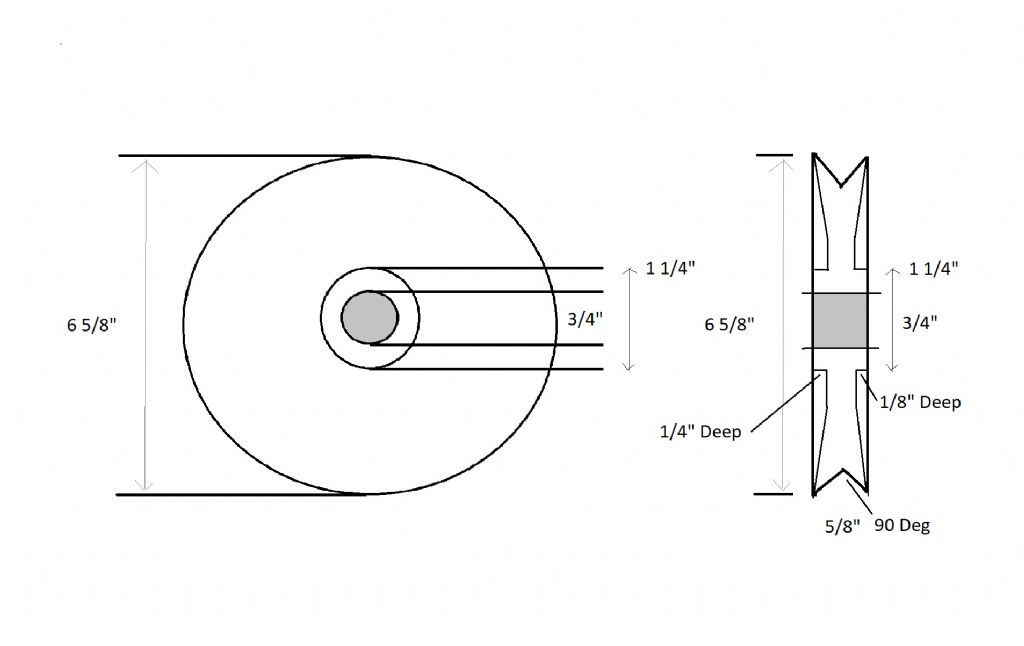


 Dave Halford
 not done it yet
 Pete.
Pete. Emgee
Emgee Baz
Baz- Please log in to reply to this topic. Registering is free and easy using the links on the menu at the top of this page.
Latest Replies
-
- Topic
- Voices
- Last Post
-
-
Bench Grinder Wheels
Started by:
James Walton
in: Manual machine tools
- 6
-
29 August 2026 at 04:10
Pete
-
CHUCK Name
Started by:
Speedy Builder5
in: Workshop Tools and Tooling
- 5
-
29 August 2026 at 02:45
Chris Crew
-
Alternative to a ‘fly’ for braking a clock striking train
Started by:
lfoggy
in: Clocks and Scientific Instruments
- 3
-
29 August 2026 at 01:14
Michael Gilligan
-
Advice on a new lathe
Started by:
johnhindle
in: General Questions
- 5
-
28 August 2026 at 23:21
Bazyle
-
Photography in the workshop (for the inept)
1
2
Started by:
Pippin
in: Workshop Techniques
- 19
-
28 August 2026 at 23:18
Bazyle
-
I built another one …
Started by:
Mick B1
in: Work In Progress and completed items
- 6
-
28 August 2026 at 20:53
old mart
-
Myford motor playing up
Started by:
vintagengineer
in: Help and Assistance! (Offered or Wanted)
- 6
-
28 August 2026 at 20:45
old mart
-
Sieg x3 Parts
Started by:
Kevin Bennett
in: General Questions
- 6
-
28 August 2026 at 20:14
Kevin Bennett
-
How do I ream a 15mm hole on a Unimat 3 ?
Started by:
paul1956
in: Beginners questions
- 10
-
28 August 2026 at 17:01
old mart
-
A new Milling Machine
Started by:
Martin Johnson 1
in: Workshop Tools and Tooling
- 8
-
28 August 2026 at 16:25
Bazyle
-
New member
Started by:
donall.cullinane
in: Introduce Yourself – New members start here!
- 3
-
28 August 2026 at 13:50
noel shelley
-
Reconstruction of dimensions fom a photo…
Started by:
Robin Graham
in: Beginners questions
- 8
-
28 August 2026 at 11:40
JasonB
-
Dreaded leaks
Started by:
waffles
in: Locomotives
- 10
-
28 August 2026 at 08:48
Dave Wootton
-
Taper turning attachment
Started by:
Bernard Reilly
in: Workshop Tools and Tooling
- 7
-
28 August 2026 at 02:20
Pete
-
Chronos closing down.
1
2
3
4
Started by:
Andrew Tinsley
in: General Questions
- 36
-
27 August 2026 at 22:00
southernchap
-
Emco Compact 5 milling table restoration
Started by:
rikt
in: Manual machine tools
- 6
-
27 August 2026 at 17:35
rikt
-
Survival Challenge TV for engineers!
Started by:
Neil Wyatt
in: The Tea Room
- 14
-
27 August 2026 at 15:31
southernchap
-
Flywheel material
Started by:
Speedy Builder5
in: Materials
- 14
-
27 August 2026 at 13:57
Ian Hewson
-
What is the easiest thin steel sheet to bend without cracking?
Started by:
elowen01
in: Materials
- 5
-
27 August 2026 at 12:02
Nicholas Farr
-
When is a threaded insert preferable to tapping directly into aluminum?
Started by:
elowen01
in: General Questions
- 16
-
27 August 2026 at 02:59
elowen01
-
The Latest INDEX to Model Engineer & Workshop (Also past issues of MEW)
1
2
3
Started by:
David Frith
in: Model Engineer & Workshop
- 7
-
27 August 2026 at 00:36
David Frith
-
Cutting 25 thou grooves for a couple of circlips
Started by:
Andrew Tinsley
in: General Questions
- 9
-
26 August 2026 at 21:17
Andrew Tinsley
-
Toolroom Takeover 2026
Started by:
Pippin
in: The Tea Room
- 2
-
26 August 2026 at 20:40
Michael Gilligan
-
Stuart 10V conn rod
Started by:
Neil A
in: Materials
- 3
-
26 August 2026 at 19:32
Mick B1
-
Ketan Swali
1
2
3
Started by:
Bill Davies 2
in: The Tea Room
- 44
-
26 August 2026 at 18:55
Bill Dawes
-
Bench Grinder Wheels
 James Walton
 Pete
Pete Speedy Builder5
 Chris Crew
 lfoggy
 Michael Gilligan
 johnhindle
 Bazyle
 Pippin
 Mick B1
 old mart
 vintagengineer
 Kevin Bennett
 paul1956
 Martin Johnson 1
 donall.cullinane
 noel shelley
 Robin Graham
 JasonB
 waffles
 Dave Wootton
 Bernard Reilly
 Andrew Tinsley
 southernchap
 rikt
rikt Neil Wyatt
 Ian Hewson
 elowen01
 Nicholas Farr
 David Frith
 Neil A
 Bill Davies 2
 Bill Dawes