
ML10 and Chuck cleaning Information

ML10 and Chuck cleaning Information

Home › Forums › Beginners questions › ML10 and Chuck cleaning Information

Viewing 10 posts - 1 through 10 (of 10 total)
  • Author
    Posts
  • #870150
    starjump
    Participant
      @starjump

      Good Evening,

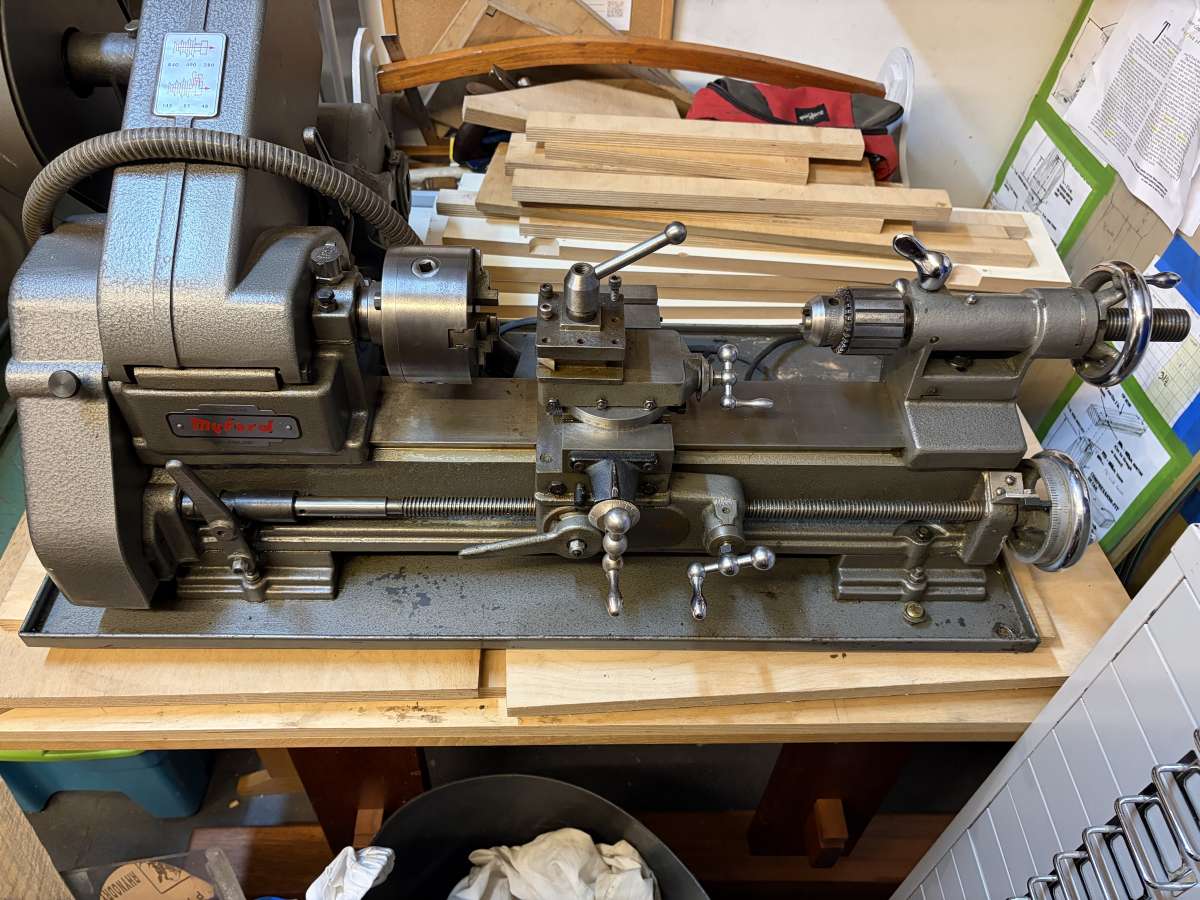
      New to me is this Myford ML10:

      IMG_7715

      I’ve cleared a small space in my shed/workshop.

      Now I have to build a bench; and clean the lathe up.

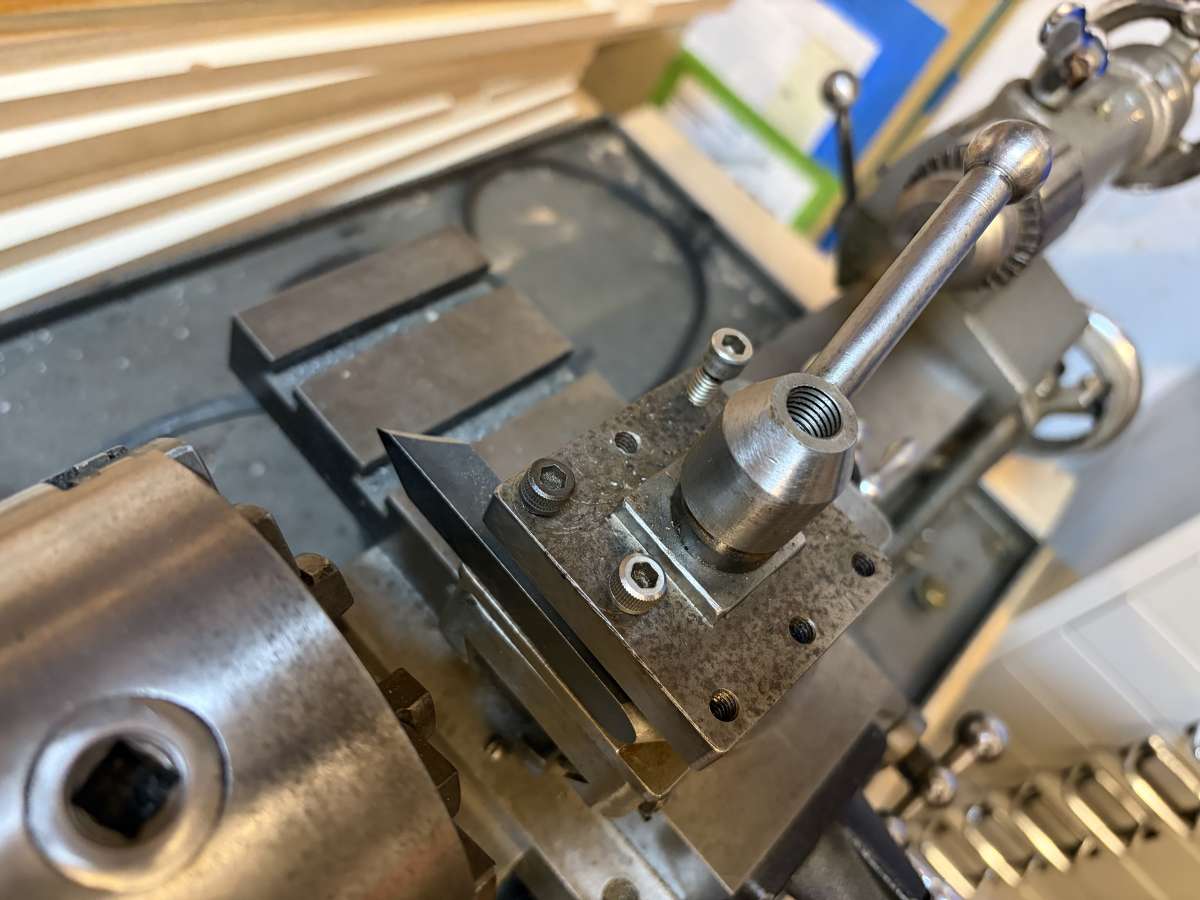
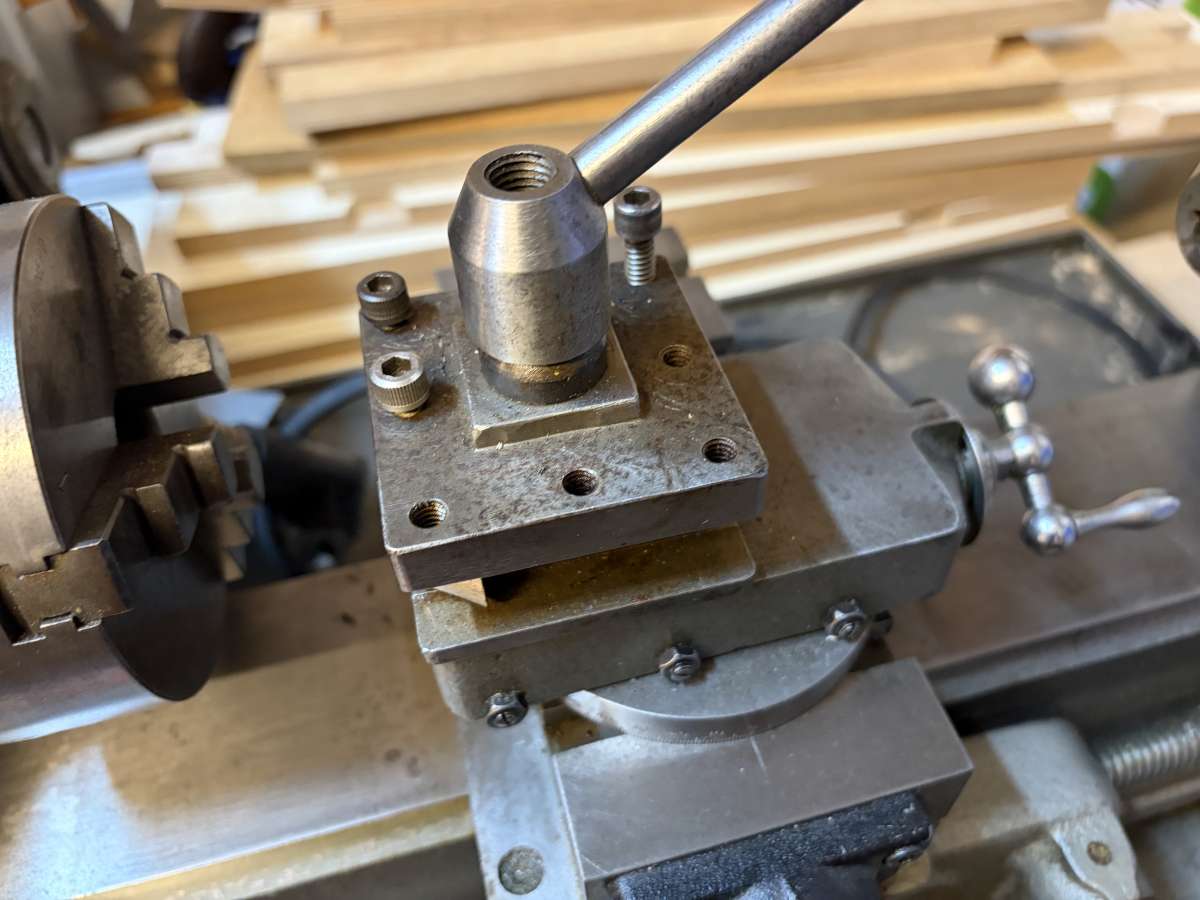
      It’s my first metal lathe. So whilst I’m mechanically minded and could of course clean it up and oil it, I’d be grateful if members could share their suggestions, such as which degreasers, oils, cleaning and lubrication methods will help going forward for maintenance as well as the present need to recommission. Thank you in advance.

      IMG_7713IMG_7712IMG_7704IMG_7709

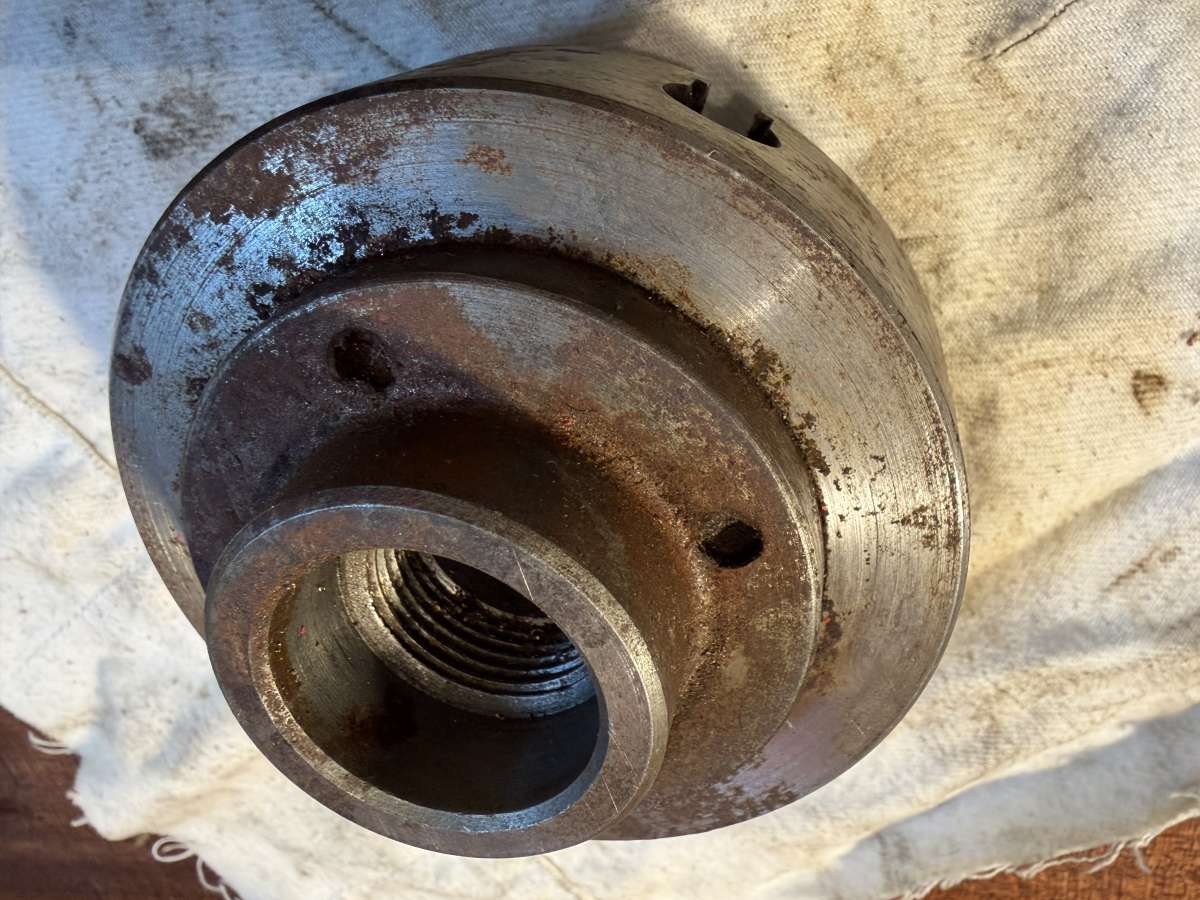
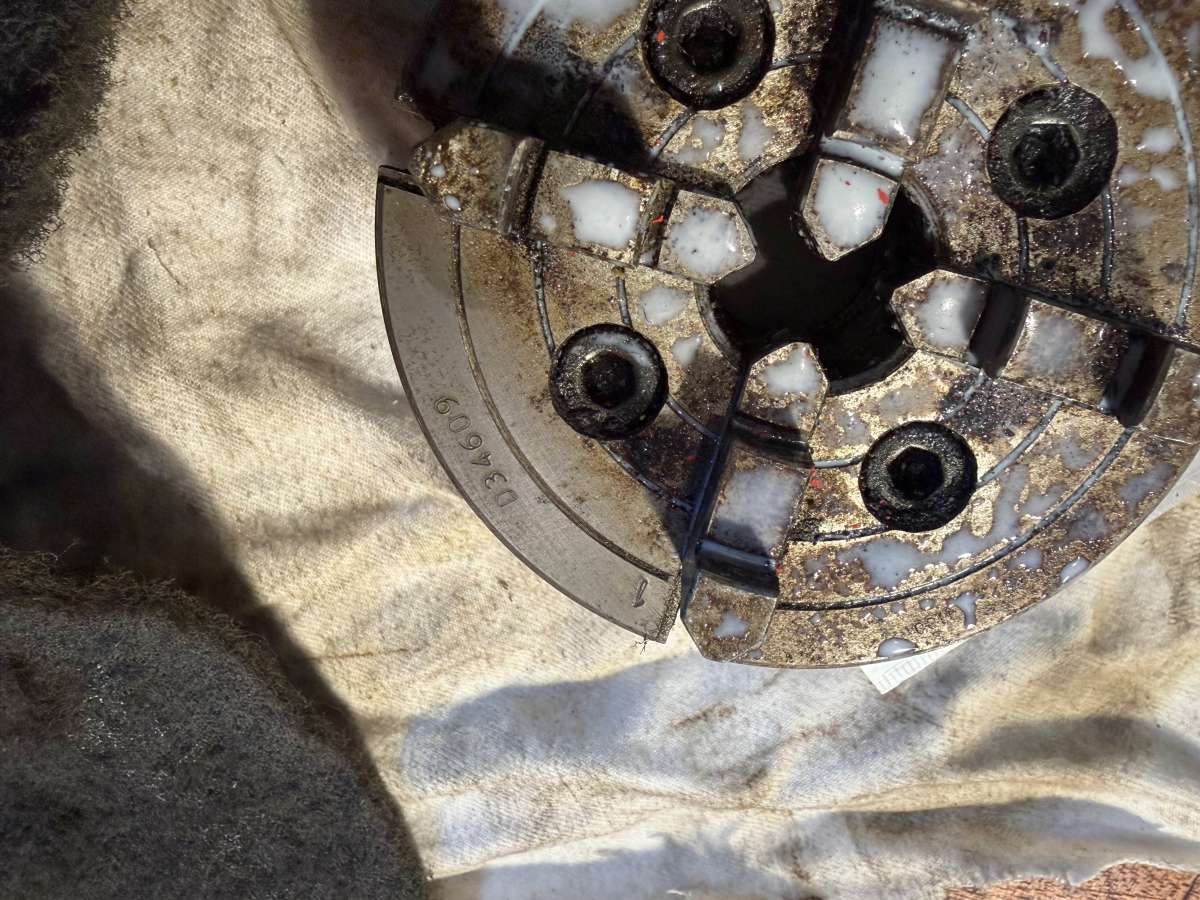
      Lastly I have a 4” chuck which I will probably not get around to cleaning up for a week or so, is it a decent one? Other than stripping, cleaning oiling are there any other checks or actions that I’d be sensible to take to maintain this chuck please?

      With thanks and best regards, Starjump.

      #870155
      Bazyle
      Participant
        @bazyle

        Now that you are into metalwork you will have bits of metal eager to rust. Get some clear Waxoyl car underbody wax. Dilute a little with white spirit and paint it on all non moving metal.
        It evaportes to leave a thin wax feeling like the glue on post-it labels and is much nicer to handle than oil, and stays in place.
        Moving metal can make do with car oil, especially change gears, not grease which traps and holds swarf. No need to get fussy about oil for the moment. Forget WD40 and 3in1.
        Check your local churches for 7-day St Patrick’s candles sometimes burning in front of statues of saints and ask the churchwarden if you can have some old ones. They are a plastic tube containing a soft wax unlike the hard wax of normal candles and there is always a little left. This is good for protecting handles and knobs that you will touch. (also good for your wood saws and chisels). If not available use beeswax furniture polish but NEVER allow silicone polish into the workshop.

        Cover your lathe with an old cotton sheet (charity shop) not plastic which sweats.

        The 4jaw is probably a generic Chinese/Indian one which are now ubiquitous. Perfectly ok for a 4 Jaw as it is only for a 3 jaw that you might want to get fussy if you want it concentric.

        #870159
        starjump
        Participant
          @starjump

          Hi @bazyle Thank you. Your post is a fun one! I believe every word, but Fun! I’m glad to be starting this metal working journey with such nuggets to pick up along the way…..

          Best, Starjump

          #870187
          JA
          Participant
            @ja

            Just to confuse you.

            Clean with white spirit only. It is the universal cleaner. Never use petrol (obvious) or paraffin which is likely to contain water. Looking at your pictures the lathe should be easy but the chucks could be quite greasy. When cleaning, the chuck should not be removed from its backplate. Powerful degreasers should not be necessary.

            Lubricate with hydraulic oil not car engine oil. Modern engine oils are quite strange and very additive rich. Also they are expensive. Old engine oil also contains dirt and water. The recommended oils are (SAE & ISO numbers are quite different)

            • ISO 68 slideway oil – This is slightly sticky and used on the slide ways, gears, lead screws and any bare metal.
            • ISO 32 oil – Much less viscous than above and used on bearing, bushes and tailstock. Myford fitted oil nipples for this oil, THEY ARE NOT FOR GREASE. You need an oil gun. A good grease gun should work with oil. Myford may be able to supply you with a very expensive Swiss made gun.

            Obviously the availability of these oils is less than car oils. Lubricant suppliers generally use 25 Litre containers although some still sell 5 Litre. It is worth shopping around. It the past I have used Morris Lubricants who offer a delivery service. Myford and other model engineering dealers sell such oils in small amounts and, I feel, at great cost. However the small containers are useful. Once lubricated do not wipe any excess oil off the lathe and when not in use cover it for protection from the nasty outside world.

            The chucks should be greased with a Lithium based or Molybdenum Disulphide based grease (available at all car bits shops). This can be a bit messy.


            A couple of other things

            • Do you have an instruction booklet for the lathe? The old Myford company would have issued one with a lathe. I don’t think the present company would have any copies. It could be worth contacting Mr Griffiths at lathes.co.uk.
            • Before using your lathe make a good fitting wooden bridge to protect the bed way when changing chucks.

            Have fun.

            JA

            #870190
            Andrew Tinsley
            Participant
              @andrewtinsley63637

              All the Myford manuals are still available from RDG / Myford.

              Andrew.

              #870197
              starjump
              Participant
                @starjump

                Hello @ja, thank you for taking the time to post an answer.

                When I jump onto ‘Google’ later I’ll follow up on your suggestions.

                With best regards,  Starjump


                #870199
                starjump
                Participant
                  @starjump

                  Thank you @andrewtinsley63637 best, Starjump

                  #870207
                  Dave Halford
                  Participant
                    @davehalford22513

                    Starjump

                    As you’ve seen everyone has their own approach to oils.

                    I use new engine oil from leftover engine top ups. It’s fine for use in an attached garage, but not in an unheated wooden shed due to the detergent additive bonding with moisture.

                    Used oil is both carcinogenic and acidic.

                    For slide way oil you can also use chainsaw oil, sticky just like slideway oil and readily available in liter bottles.

                    Blocks (or part of) beeswax can be warmed till it melts, add a few drops of white spirit and mix till you get a paste that doesn’t set when cold.

                    Keep wood dust off the lathe some woods are very acidic.

                    When you finish sorting out the chucks stand away from the chuck when you start the lathe otherwise any excess lube is going in your face

                    #870215
                    old mart
                    Participant
                      @oldmart

                      The three jaw chuck can be completely dismantled for cleaning, but it is best to not try to remove the screws from the four jaw one, but clean them in situ

                      #870223
                      Howard Lewis
                      Participant
                        @howardlewis46836

                        Your post prompts a load of questions.

                        If you are new to metal machining, you will need some help and advice.

                        If possible find and join your local M E club.

                        Where are you, in case anyone on here is willing to kelp face to face.

                        Rust is a perpetual problem. There are various “solutions” on the market claiming to remove rust. Some work better than others. Many contain citric or phosphoric acid to attack the rust.

                        Once clean coat with oil.

                        To propagate on steel rust needs moisture and oxygen, so the oil keeps out both.

                        (I’ve seen a sandblasted piece of steel start to rust within minutes!)

                        You need to remove the rust, not just for cosmetics, but because a rusty component will never fit as closely as one that is clean.

                        Since you are new to a lathe, you will find it instructive to read one or more books. For many years, the “bible” was L H Sparey “The Amateur’s Lathe”

                        Other useful ones could be Stan Brays” Basic Lathework”, or Harold Hall’s “Lathework, A Complete Course”

                        They may not feature the ML10, but the basic principles are the same. A sharp tool, set on centre height, with work running at an appropriate seed, with the tool, being fed into it at a suitable rate. If in doubt, err on the side of caution. To fast may not produce good results, and shorten tool life.

                        The speeds and feeds used in industry are to maximise metal removal rates for powerful, heavy, rigid, industrial machines; not lightweight hobby machines.

                        My advice is to become familiar withe the ML10 by just cutting metal at first, then progress to simple turning, drilling and tapping jobs, by making simple tools which will give you experience and confidence, and be useful for years to come.

                        If you decide to use HSS, learn how to grind the tools, but don’t use excessive clearance angles, 5 – 10 degrees will be quite sufficient for most work.

                        Make your mistakes on relatively cheap material rather than an expensive casting from a kit.

                        A centre height gauge will be a useful first project, possibly followed by sliding, holders for dies, and then taps, mounted in the tailstock.

                        H T H

                        Howard

                      Viewing 10 posts - 1 through 10 (of 10 total)
                      • Please log in to reply to this topic. Registering is free and easy using the links on the menu at the top of this page.

                      Latest Replies

                      Home › Forums › Beginners questions › Topics

                      Viewing 25 topics - 1 through 25 (of 25 total)
                      Viewing 25 topics - 1 through 25 (of 25 total)

                      View full reply list.