
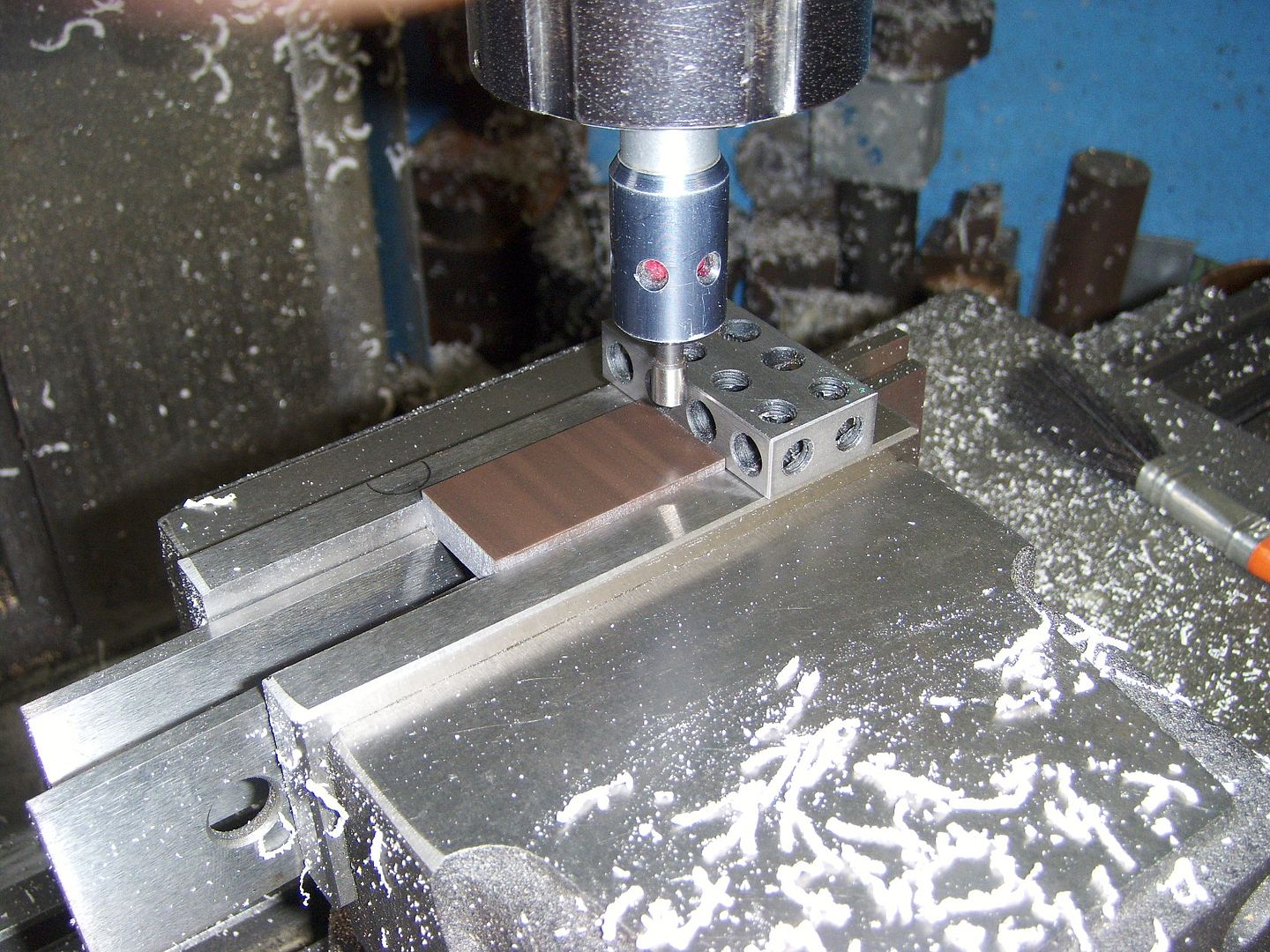
LAzar egde finder
LAzar egde finder
- This topic has 13 replies, 10 voices, and was last updated 22 October 2026 at 23:58 by
 Ches Green UK.
 Ches Green UK.
 ian Holdsworth
 Tony Pratt 1
 Ches Green UK
 bernard towers
 JasonB
 Hollowpoint
 Martin Connelly
 duncan webster 1
 John Haine
 Roy Vaughn
- Please log in to reply to this topic. Registering is free and easy using the links on the menu at the top of this page.
Latest Replies
-
- Topic
- Voices
- Last Post
-
-
Micrometer ratchets
Started by:
Graeme Seed
in: Workshop Tools and Tooling
- 13
-
11 November 2026 at 01:37
Graeme Seed
-
Impact Bits
Started by:
Vic
in: Workshop Tools and Tooling
- 5
-
10 November 2026 at 23:20
Vic
-
What Did You Do Today 2026
1
2
…
10
11
Started by:
JasonB
in: The Tea Room
- 56
-
10 November 2026 at 22:27
Michael Gilligan
-
Kirimoto CAM
Started by:
Geoff Dunsby
in: CAD – Technical drawing & design
- 3
-
10 November 2026 at 21:26
Geoff Dunsby
-
Annoying advert
1
2
Started by:
Dalboy
in: The Tea Room
- 16
-
10 November 2026 at 20:32
JasonB
-
Onshape Learning
Started by:
BOB BLACKSHAW 1
in: CAD – Technical drawing & design
- 6
-
10 November 2026 at 17:23
BOB BLACKSHAW 1
-
Mitotoyo dial caliper battery or innards.
Started by:
Clive Farrar
in: General Questions
- 13
-
10 November 2026 at 16:05
old mart
-
My adventures with a bench top CNC mill
1
2
3
4
Started by:
John Hinkley
in: CNC machines, Home builds, Conversions, ELS, automation, software, etc tools
- 10
-
10 November 2026 at 12:07
John Hinkley
-
Straining the old grey matter!
Started by:
Geoff Dunsby
in: Introduce Yourself – New members start here!
- 6
-
10 November 2026 at 10:42
Geoff Dunsby
-
Hello! …and help
Started by:
sbruce886
in: Introduce Yourself – New members start here!
- 5
-
10 November 2026 at 09:48
noel shelley
-
New Mystery Lathe
1
2
Started by:
mart7mcfl7
in: Manual machine tools
- 9
-
10 November 2026 at 07:35
JasonB
-
Pendulum Rod Weight Tray
Started by:
John Purdy
in: Clocks and Scientific Instruments
- 4
-
10 November 2026 at 00:29
duncan webster 1
-
3d Printed Carriage Stop for Warco WM180
Started by:
James A
in: Workshop Tools and Tooling
- 13
-
9 November 2026 at 23:29
Bazyle
-
Trying a new controller
Started by:
John Haine
in: CNC machines, Home builds, Conversions, ELS, automation, software, etc tools
- 5
-
9 November 2026 at 23:02
Geoff Dunsby
-
Richard Simmonds’ “How To Make A Weight Driven Clock”
1
2
Started by:
iacooper
in: Clocks and Scientific Instruments
- 13
-
9 November 2026 at 19:11
John Purdy
-
hello!
Started by:
poli2
in: Introduce Yourself – New members start here!
- 3
-
9 November 2026 at 18:01
noel shelley
-
The NCSC warns that …
Started by:
Michael Gilligan
in: The Tea Room
- 13
-
9 November 2026 at 17:50
noel shelley
-
Physcad
1
2
Started by:
Ron Colvin
in: CAD – Technical drawing & design
- 11
-
9 November 2026 at 17:18
Fulmen
-
Tiny Heliocentric Orrery
Started by:
Michael Gilligan
in: Clocks and Scientific Instruments
- 2
-
9 November 2026 at 09:42
Ches Green UK
-
Stepper Motor for Leadscrew
1
2
Started by:
James A
in: Workshop Tools and Tooling
- 13
-
9 November 2026 at 09:04
Nick Wheeler
-
2inch Fowler plans
Started by:
bob53page
in: Traction engines
- 7
-
9 November 2026 at 05:35
Walt Nehse
-
Searching for “The Pennsylvania A3 Switcher” by Kozo Hiraoka
Started by:
timdotd
in: Books
- 7
-
8 November 2026 at 22:51
Grindstone Cowboy
-
Mitutoyo Dial Calliper dial?
Started by:
Bo’sun
in: Workshop Tools and Tooling
- 4
-
8 November 2026 at 17:42
Martin Johnson 1
-
Lubricating a high helix worm in a Mercer indicator
Started by:
Mark Davison 1
in: Clocks and Scientific Instruments
- 7
-
8 November 2026 at 17:15
Bo’sun
-
New Guy
Started by:
mart7mcfl7
in: Introduce Yourself – New members start here!
- 3
-
8 November 2026 at 11:24
Howard Lewis
-
Micrometer ratchets
 Graeme Seed
 Vic
 JasonB
 Michael Gilligan
 Geoff Dunsby
 Dalboy
 BOB BLACKSHAW 1
 Clive Farrar
 old mart
 John Hinkley
 sbruce886
 noel shelley
 mart7mcfl7
 John Purdy
 duncan webster 1
 James A
 Bazyle
 John Haine
 iacooper
 poli2
 Ron Colvin
 Fulmen
 Nick Wheeler
 bob53page
 Walt Nehse
 timdotd
 Grindstone Cowboy
 Bo’sun
 Martin Johnson 1
 Mark Davison 1
 Howard Lewis