

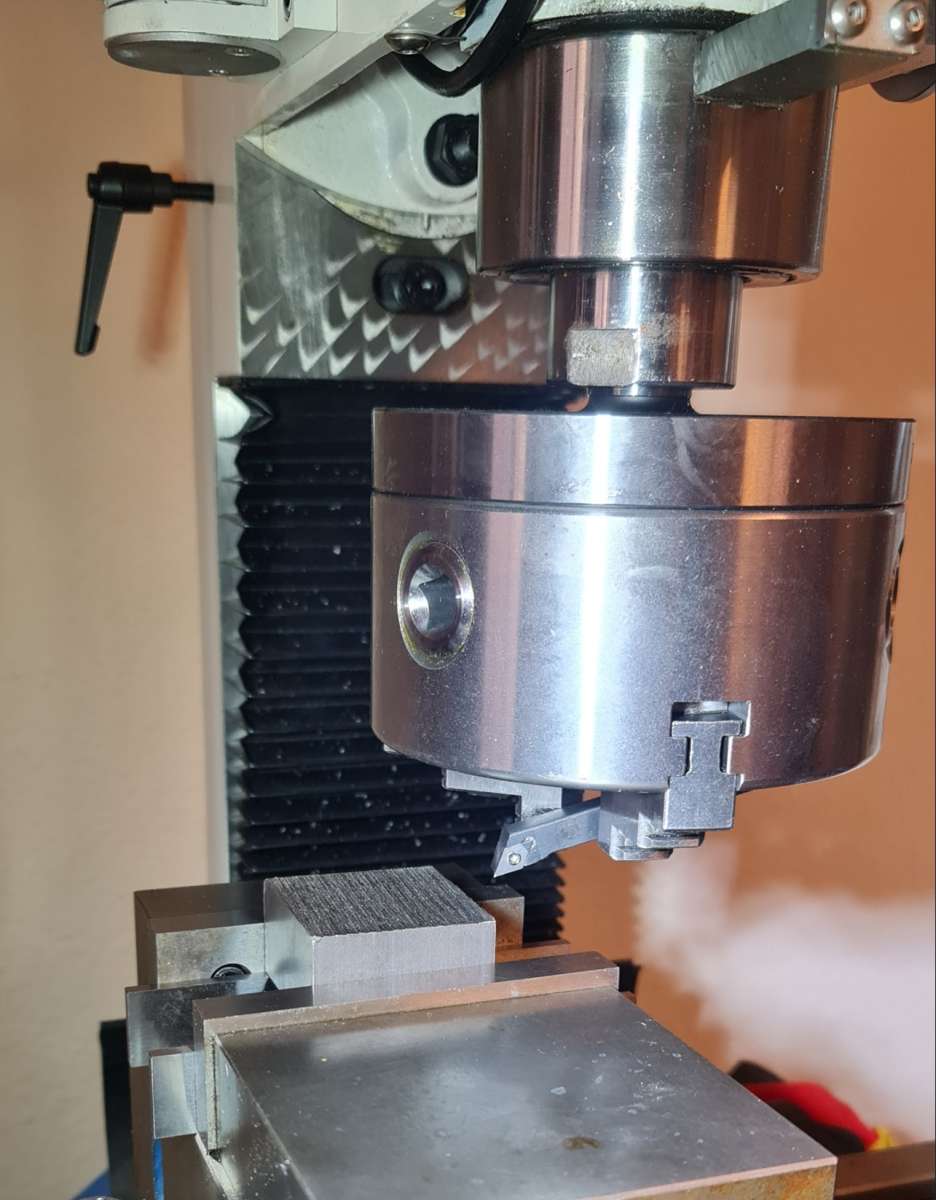
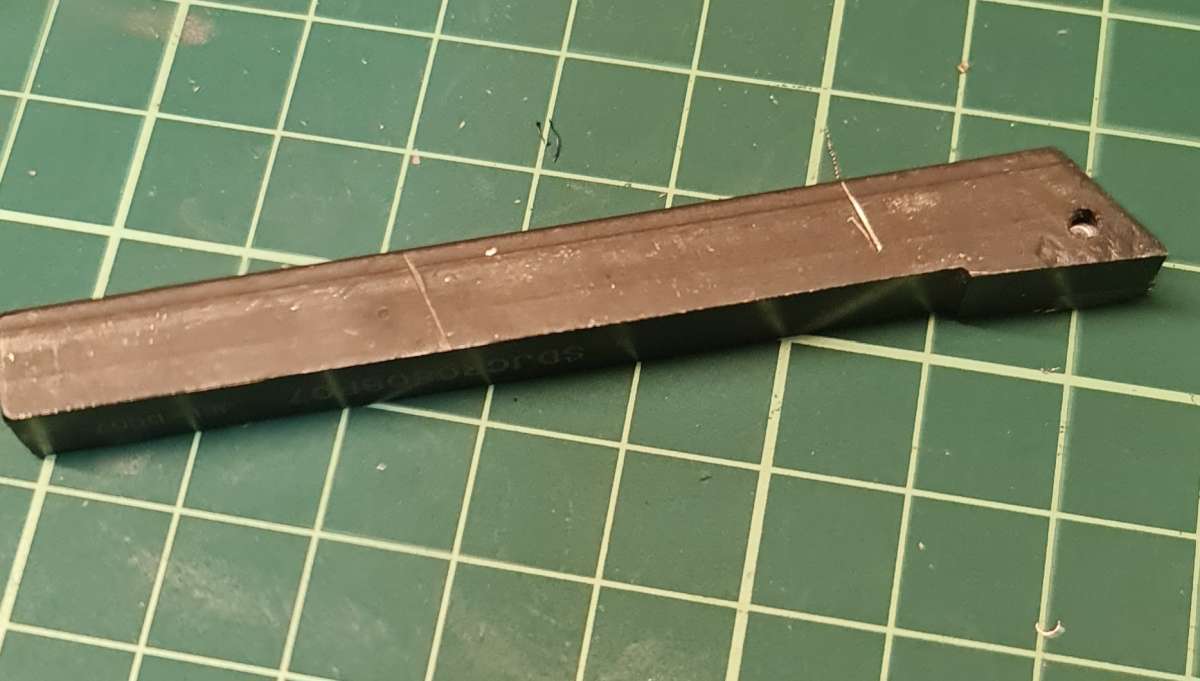
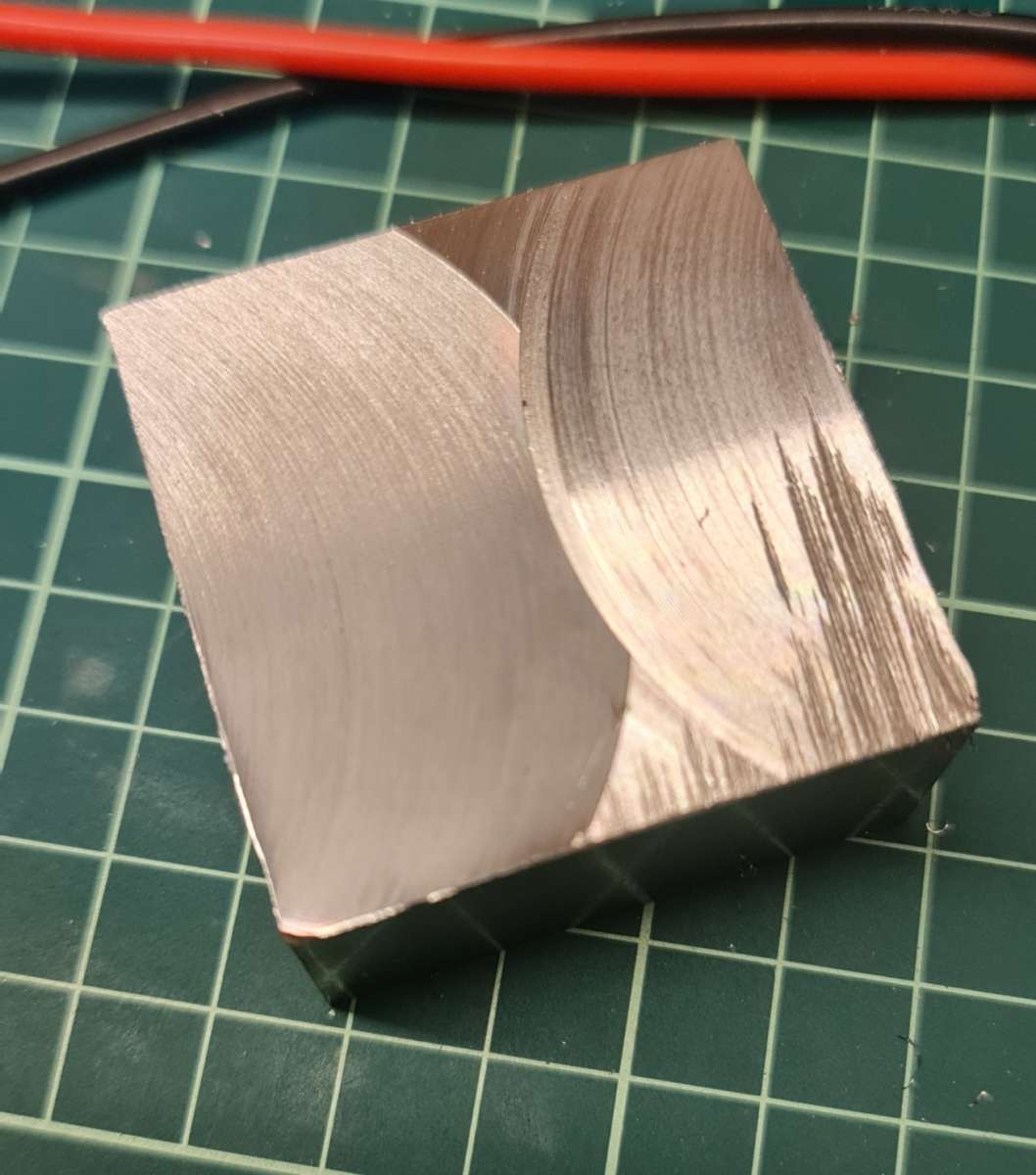
The lazy man’s fly cutter
The lazy man’s fly cutter
- This topic has 15 replies, 12 voices, and was last updated 12 October 2026 at 09:45 by
 Andy Stopford.
 Andy Stopford.
 Sonic Escape
 Clive Foster
 Baz
 Dave Halford
 Robert Atkinson 2
 Andrew Crow
 JasonB
 Tony Pratt 1
 old mart
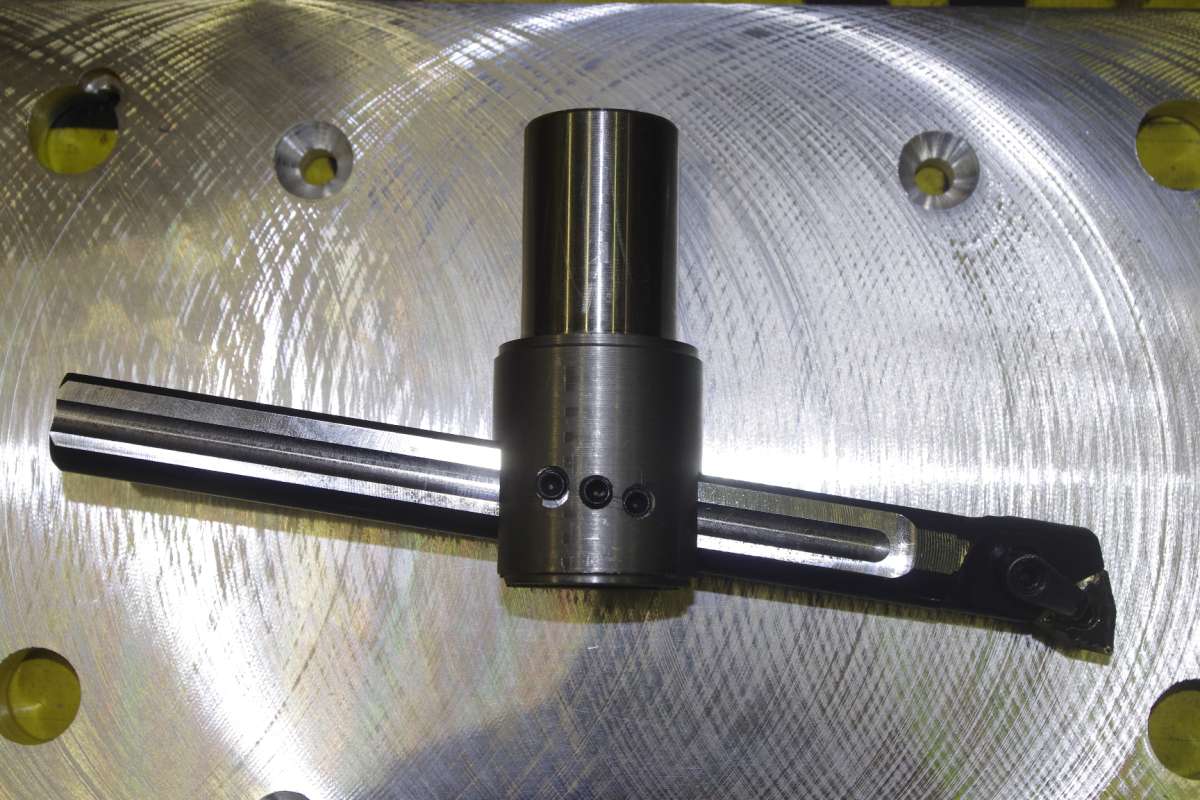 n R8 to er40 collet.
 southernchap
 Pete
 Andy Stopford
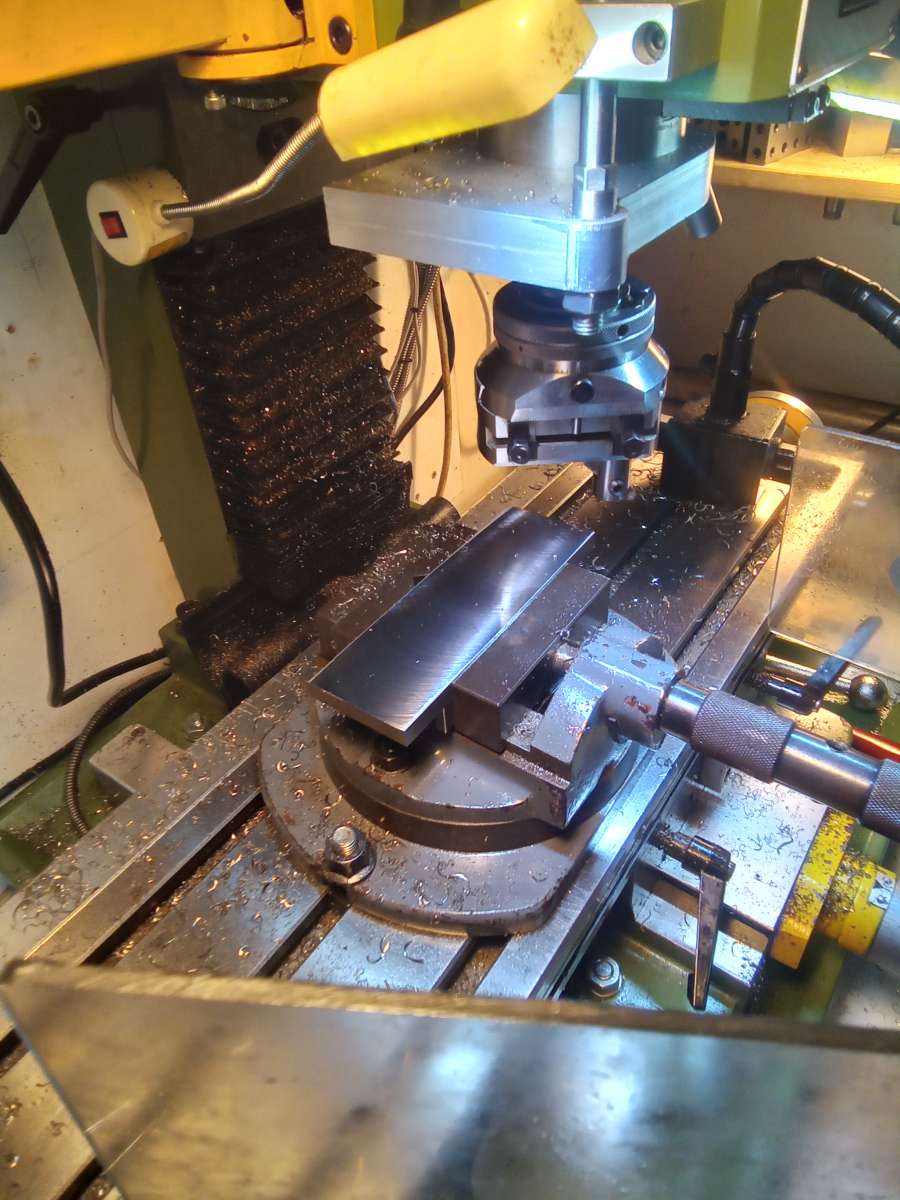
- Please log in to reply to this topic. Registering is free and easy using the links on the menu at the top of this page.
Latest Replies
-
- Topic
- Voices
- Last Post
-
-
BCA MK III Jig Borer
Started by:
pjh
in: Help and Assistance! (Offered or Wanted)
- 6
-
5 November 2026 at 05:32
pjh
-
A small Hobbing Machine
Started by:
Michael Gilligan
in: Workshop Tools and Tooling
- 1
-
5 November 2026 at 04:11
Michael Gilligan
-
Micrometer ratchets
Started by:
Graeme Seed
in: Workshop Tools and Tooling
- 11
-
5 November 2026 at 03:50
Pete
-
Unimat 3 baseplate
Started by:
mart7mcfl7
in: Manual machine tools
- 3
-
4 November 2026 at 23:26
mart7mcfl7
-
Richard B’s Minnie.
Started by:
Richard B
in: Traction engines
- 4
-
4 November 2026 at 23:26
Richard B
-
Minnie Traction Engine – Damper Hinge Plate
Started by:
Dominic Bramley
in: Traction engines
- 6
-
4 November 2026 at 23:21
Richard B
-
Mitutoyo Dial Calliper dial?
Started by:
Bo’sun
in: Workshop Tools and Tooling
- 4
-
4 November 2026 at 22:03
Pete
-
SOLIDWORKS for MAKERS
Started by:
Paul Lousick
in: CAD – Technical drawing & design
- 2
-
4 November 2026 at 21:54
Paul Lousick
-
Shape of Boxford fixed steady blocks
Started by:
Grindstone Cowboy
in: Beginners questions
- 2
-
4 November 2026 at 21:35
Grindstone Cowboy
-
127t Gear With ⅞” Shaft and Keyway – Which Lathe?
Started by:
Captain Barnacles
in: Workshop Tools and Tooling
- 15
-
4 November 2026 at 19:56
Captain Barnacles
-
Richard Simmonds’ “How To Make A Weight Driven Clock”
Started by:
iacooper
in: Clocks and Scientific Instruments
- 7
-
4 November 2026 at 19:49
iacooper
-
Most used ‘rubbish’ tool
Started by:
jaCK Hobson
in: The Tea Room
- 6
-
4 November 2026 at 19:14
Dave Halford
-
Unusual dual speed pulley on motor
Started by:
gerry madden
in: Manual machine tools
- 10
-
4 November 2026 at 17:57
gerry madden
-
WAR FINISH
Started by:
Speedy Builder5
in: The Tea Room
- 10
-
4 November 2026 at 17:56
JA
-
What Did You Do Today 2026
1
2
…
9
10
Started by:
JasonB
in: The Tea Room
- 56
-
4 November 2026 at 17:50
Nigel Graham 2
-
help please in identifying
Started by:
John Holloway
in: General Questions
- 4
-
4 November 2026 at 16:43
renardiere7
-
Mitotoyo dial caliper battery or innards.
Started by:
Clive Farrar
in: General Questions
- 10
-
4 November 2026 at 15:26
Peter Cook 6
-
Onshape Learning
Started by:
BOB BLACKSHAW 1
in: CAD – Technical drawing & design
- 3
-
4 November 2026 at 15:07
BOB BLACKSHAW 1
-
Mini ER11 milling/drilling unit
Started by:
YouraT
in: Manual machine tools
- 5
-
4 November 2026 at 12:05
bernard towers
-
Lathe improvements?
1
2
…
5
6
Started by:
Niels Abildgaard
in: Manual machine tools
- 24
-
4 November 2026 at 09:14
Niels Abildgaard
-
What aluminium sizes do you regularly use in your workshop?
Started by:
aytact
in: Manual machine tools
- 6
-
4 November 2026 at 09:11
AStroud
-
Stronger Filament
1
2
Started by:
BOB BLACKSHAW 1
in: 3D Printers and 3D Printing
- 12
-
4 November 2026 at 07:23
BOB BLACKSHAW 1
-
ML10 Dewhurst / Brook Crompton
1
2
Started by:
starjump
in: Beginners questions
- 11
-
4 November 2026 at 00:07
southernchap
-
SolidCraft Features.
Started by:
blowlamp
in: CAD – Technical drawing & design
- 5
-
3 November 2026 at 19:39
Andy Stopford
-
Torquay Manor 5 Gauge Frames
Started by:
Roy Birch
in: Locomotives
- 6
-
3 November 2026 at 16:20
Roy Birch
-
BCA MK III Jig Borer
 pjh
 Michael Gilligan
 Graeme Seed
 Pete
 mart7mcfl7
 Richard B
 Dominic Bramley
 Bo’sun
 Paul Lousick
 Grindstone Cowboy
 Captain Barnacles
 iacooper
 jaCK Hobson
 Dave Halford
 gerry madden
 Speedy Builder5
 JA
 JasonB
 Nigel Graham 2
 John Holloway
 renardiere7
 Clive Farrar
 Peter Cook 6
 BOB BLACKSHAW 1
 YouraT
 bernard towers
 Niels Abildgaard
 aytact
 AStroud
 starjump
 southernchap
 blowlamp
 Roy Birch
Latest Issue

Newsletter Sign-up
Latest Replies