

Free hobbed worm wheel
Free hobbed worm wheel
- This topic has 35 replies, 14 voices, and was last updated 10 April 2016 at 16:44 by
 Neil Wyatt.
 Neil Wyatt.
 A G
A G John Reese
 Hopper
 Paul Lousick
 Michael Gilligan
 JasonB
 BW
BW Anonymous

 John Stevenson 1
 Jeff Dayman
 Bikepete
 Ajohnw
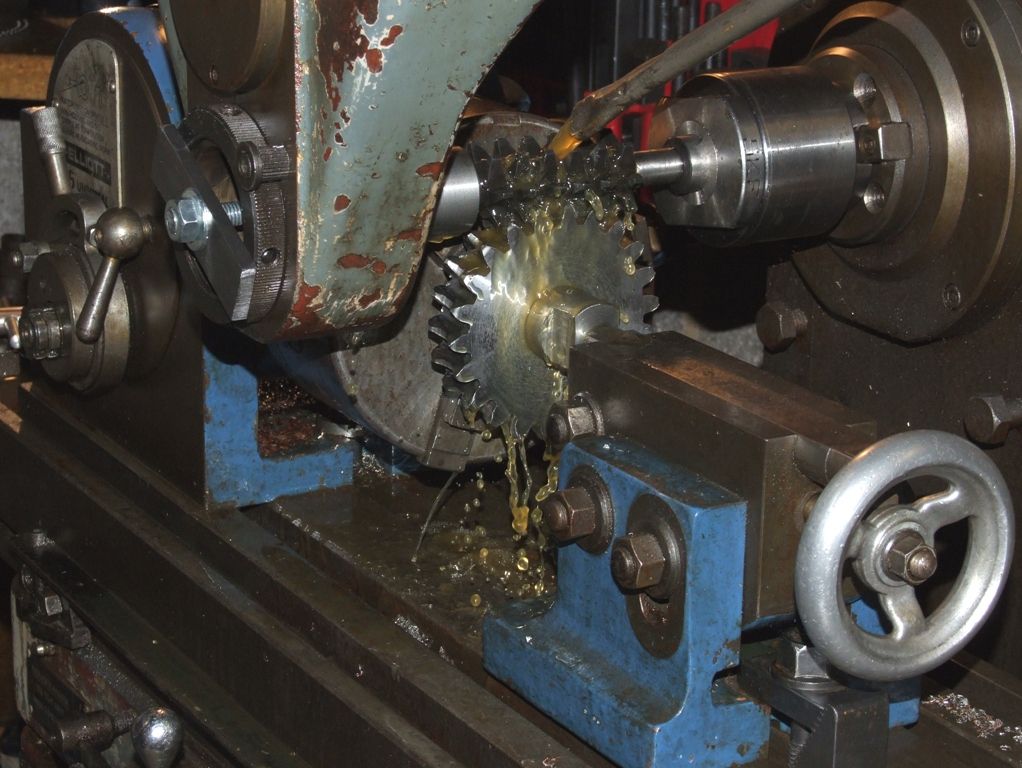
 Using a gear and the worm in a frame is probably the easiest option. No guarantee on the other way given or implied – just seems feasible to me. I even bought a tap from China but the idiots sent me a left hand one and changed the listing when I complained.
- Please log in to reply to this topic. Registering is free and easy using the links on the menu at the top of this page.
Latest Replies
-
- Topic
- Voices
- Last Post
-
-
The Big St Albans Model Show
Started by:
Bazyle
in: Exhibitions, Shows and Club Events
- 3
-
3 October 2026 at 00:03
Bazyle
-
Interactive article on How Machines Learned Precision
Started by:
glinscott
in: Suggested Online Resources
- 1
-
3 October 2026 at 00:00
glinscott
-
SOS! Rare 1950’s tapered brass ‘Bray 657A’ valve (or someone who could repair
Started by:
jamiej
in: General Questions
- 8
-
2 October 2026 at 23:49
duncan webster 1
-
Boiler stays
Started by:
Michael Callaghan
in: Locomotives
- 4
-
2 October 2026 at 23:42
duncan webster 1
-
Preview of whats coming in Freecad 26.3
Started by:
Russell Eberhardt
in: CAD – Technical drawing & design
- 4
-
2 October 2026 at 23:31
lee webster
-
What Did You Do Today 2026
1
2
…
7
8
Started by:
JasonB
in: The Tea Room
- 51
-
2 October 2026 at 22:34
paul1956
-
Printed circuit boards
Started by:
duncan webster 1
in: Electronics in the Workshop
- 7
-
2 October 2026 at 22:22
IanT
-
Mechanics magazine 1942/43
Started by:
Michael Callaghan
in: General Questions
- 1
-
2 October 2026 at 22:18
Michael Callaghan
-
Drilling accurate depth holes
Started by:
Bob Sillitoe
in: Beginners questions
- 15
-
2 October 2026 at 21:17
bernard towers
-
ER16 collet nut modification
Started by:
old mart
in: Workshop Tools and Tooling
- 5
-
2 October 2026 at 17:42
old mart
-
Warco WM180 Autofeed Speed
Started by:
James A
in: Workshop Tools and Tooling
- 11
-
2 October 2026 at 12:36
Nicholas Farr
-
Linear scale caput
Started by:
petro1head
in: General Questions
- 6
-
2 October 2026 at 11:56
Martin Johnson 1
-
Powerfeed problem
Started by:
larry phelan 1
in: Help and Assistance! (Offered or Wanted)
- 5
-
2 October 2026 at 11:52
Macolm
-
Aluminium Warehouse now doing more brass sections
Started by:
Alan Wood 4
in: Materials
- 4
-
2 October 2026 at 11:13
not done it yet
-
Reverting An ML7 To Change-Wheels: Any Thoughts??
1
2
Started by:
Nigel Graham 2
in: Manual machine tools
- 20
-
1 October 2026 at 23:53
Nigel Graham 2
-
Myford ML4 Identification
Started by:
Steven Volz
in: Manual machine tools
- 3
-
1 October 2026 at 21:05
Steven Volz
-
Hello Everyone (New Member Introduction)
Started by:
cedricvale
in: Introduce Yourself – New members start here!
- 2
-
1 October 2026 at 18:11
noel shelley
-
Metric threads on a Myford super 7 with quick change gearbox?
Started by:
Keith Charters
in: Beginners questions
- 5
-
1 October 2026 at 17:13
ega
-
Help needed with 3 1/2 inch gauge jenny Lind
Started by:
Michael Callaghan
in: Locomotives
- 3
-
1 October 2026 at 16:07
Michael Callaghan
-
New to castings
Started by:
BOB BLACKSHAW 1
in: Workshop Techniques
- 5
-
1 October 2026 at 07:45
BOB BLACKSHAW 1
-
PROGRESS
Started by:
Phillip weaver
in: Introduce Yourself – New members start here!
- 5
-
30 September 2026 at 22:01
Pete
-
Missmatched threads
Started by:
old mart
in: Hints And Tips for model engineers
- 7
-
30 September 2026 at 21:02
old mart
-
Inappropriate adverts on the site
Started by:
Joseph Noci 1
in: Website Questions, Comments, and Suggestions
- 16
-
30 September 2026 at 20:47
JasonB
-
Octopus Heat Pump
1
2
…
4
5
Started by:
Michael Gilligan
in: The Tea Room
- 25
-
30 September 2026 at 18:53
Michael Gilligan
-
Midlands Model Engineering Exhibition, Thursday 15th to Sunday 18th October 2026
Started by:
Meridienne Exhibitions 1
in: Exhibitions, Shows and Club Events
- 4
-
30 September 2026 at 10:03
Meridienne Exhibitions 1
-
The Big St Albans Model Show
 Bazyle
  glinscott
  jamiej
  duncan webster 1
 Michael Callaghan
  Russell Eberhardt
  lee webster
 JasonB
  paul1956
 IanT
IanT Bob Sillitoe
  bernard towers
 old mart
  James A
  Nicholas Farr
 petro1head
  Martin Johnson 1
 larry phelan 1
  Macolm
 Alan Wood 4
  not done it yet
 Nigel Graham 2
  Steven Volz
  cedricvale
  noel shelley
 Keith Charters
  ega
ega BOB BLACKSHAW 1
  Phillip weaver
  Pete
Pete Joseph Noci 1
  Michael Gilligan
  Meridienne Exhibitions 1
 Latest Issue

Newsletter Sign-up
Latest Replies
- The Big St Albans Model Show
- Interactive article on How Machines Learned Precision
- SOS! Rare 1950’s tapered brass ‘Bray 657A’ valve (or someone who could repair
- Boiler stays
- Preview of whats coming in Freecad 26.3
- What Did You Do Today 2026
- Printed circuit boards
- Mechanics magazine 1942/43
- Drilling accurate depth holes
- ER16 collet nut modification

